
Seen & Unseen
Life After 60 in Kibera
Format: Long-term Documentary Photography/film & Visual Research Project
Approach: Documentary Photography, Visual Ethnography, Oral History, and Participatory Storytelling
Location: Kibera, Nairobi, Kenya
Project Duration: 2023– Ongoing
🖋Research & Storytelling
📷 Sadat Photo Stories
Project Overview
Seen & Unseen: Life After 60 in Kibera is a long-term documentary photography and visual research project exploring what it means to grow older in one of Africa’s largest informal settlements. Through photography, oral histories, field observations, and community-based research, the project documents the everyday lives of older persons whose stories are often absent from conversations about urban development, poverty, and the future of African cities.
In Kibera, public narratives frequently focus on youth, entrepreneurship, and rapid urban change. Yet thousands of older persons continue to hold communities together through caregiving, cultural memory, neighbourhood leadership, faith, and mutual support. Their contributions remain largely unseen.
Rather than portraying old age through the lens of vulnerability alone, this project explores aging as a lived experience shaped by resilience, care, belonging, memory, and continued participation in community life. It seeks to understand not only the challenges older persons face, but also the knowledge they carry, the relationships they nurture, and the ways they continue to shape the places they call home.
Our central Research Question as always been, What can we learn about a community when we begin by listening to its oldest residents?
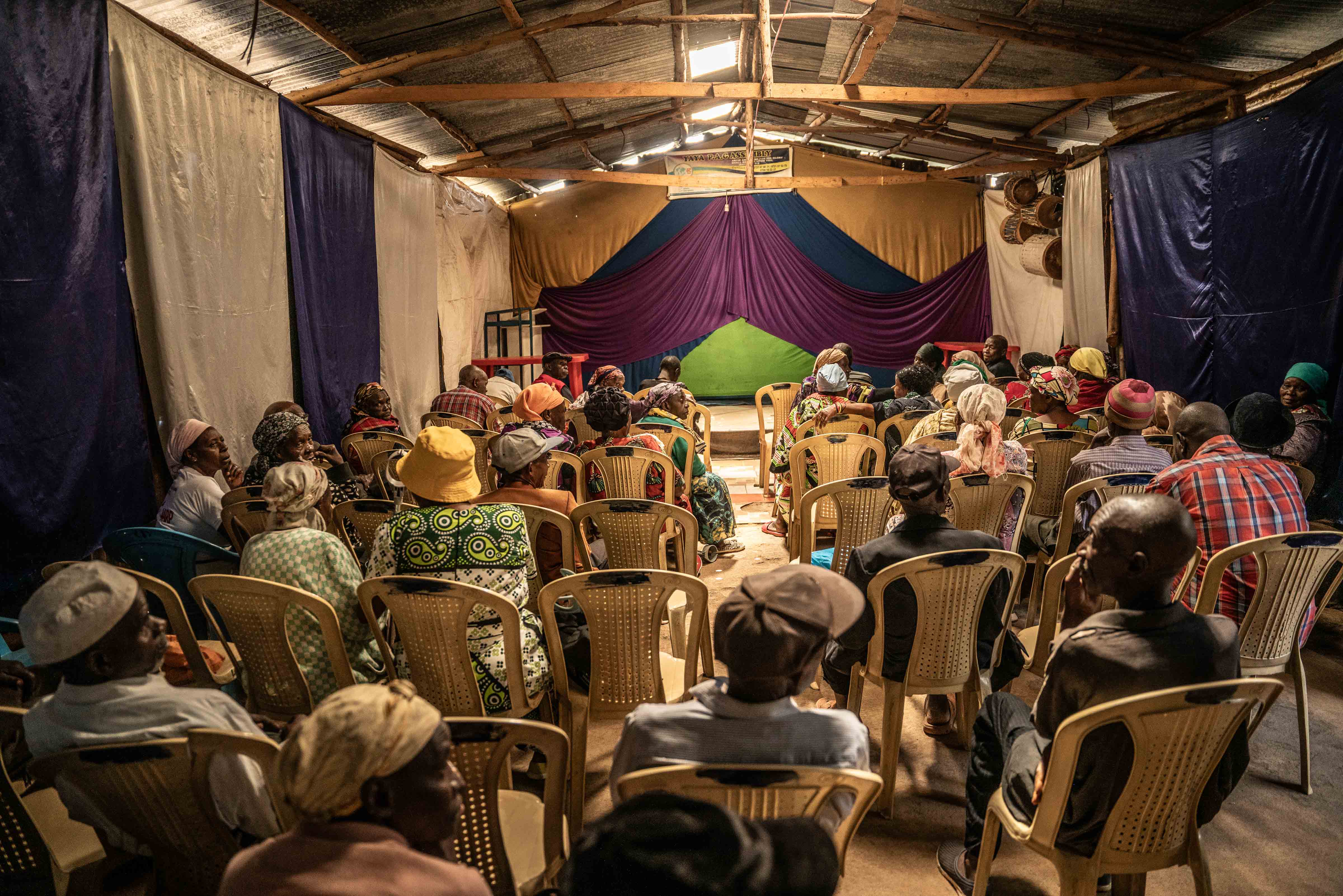
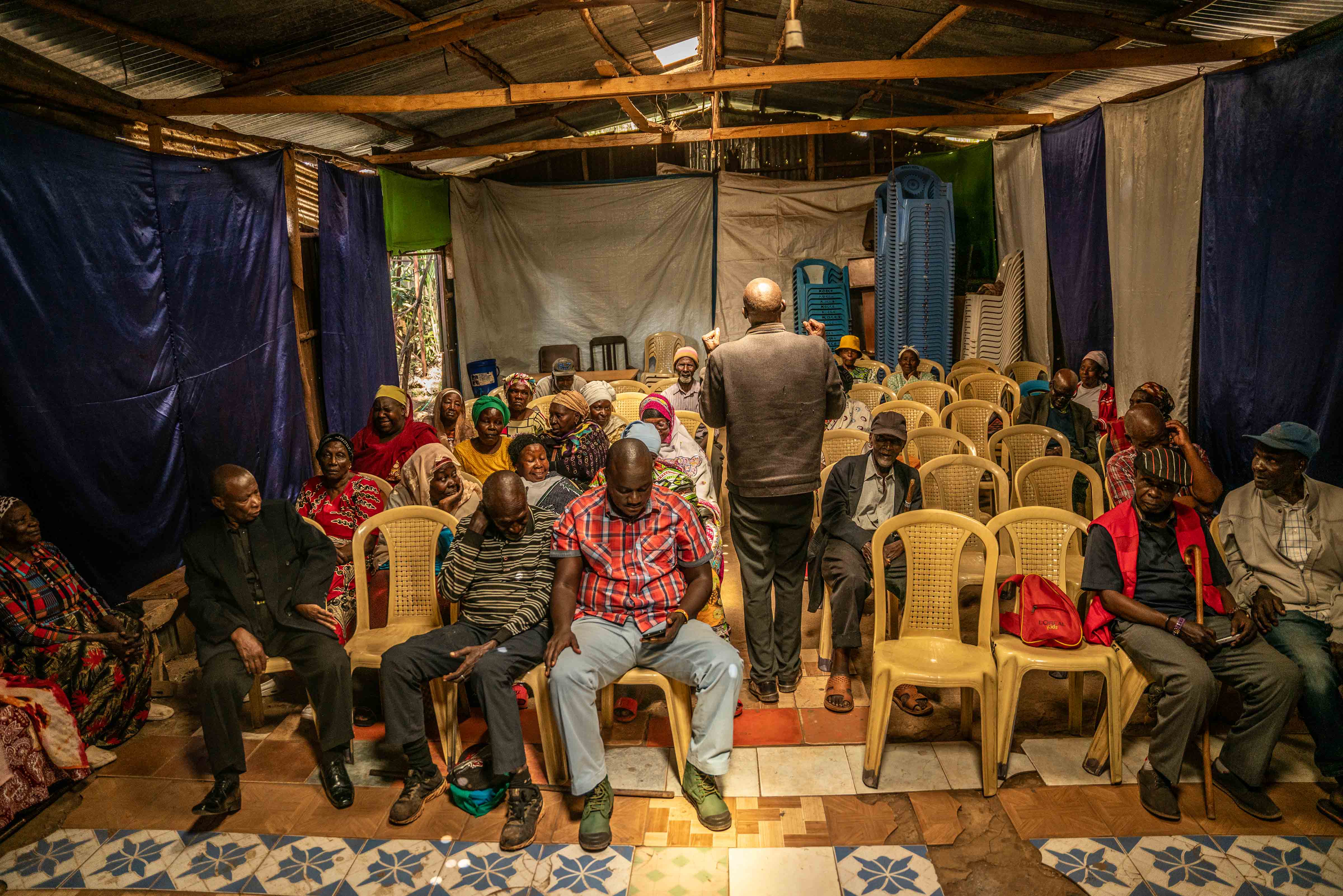
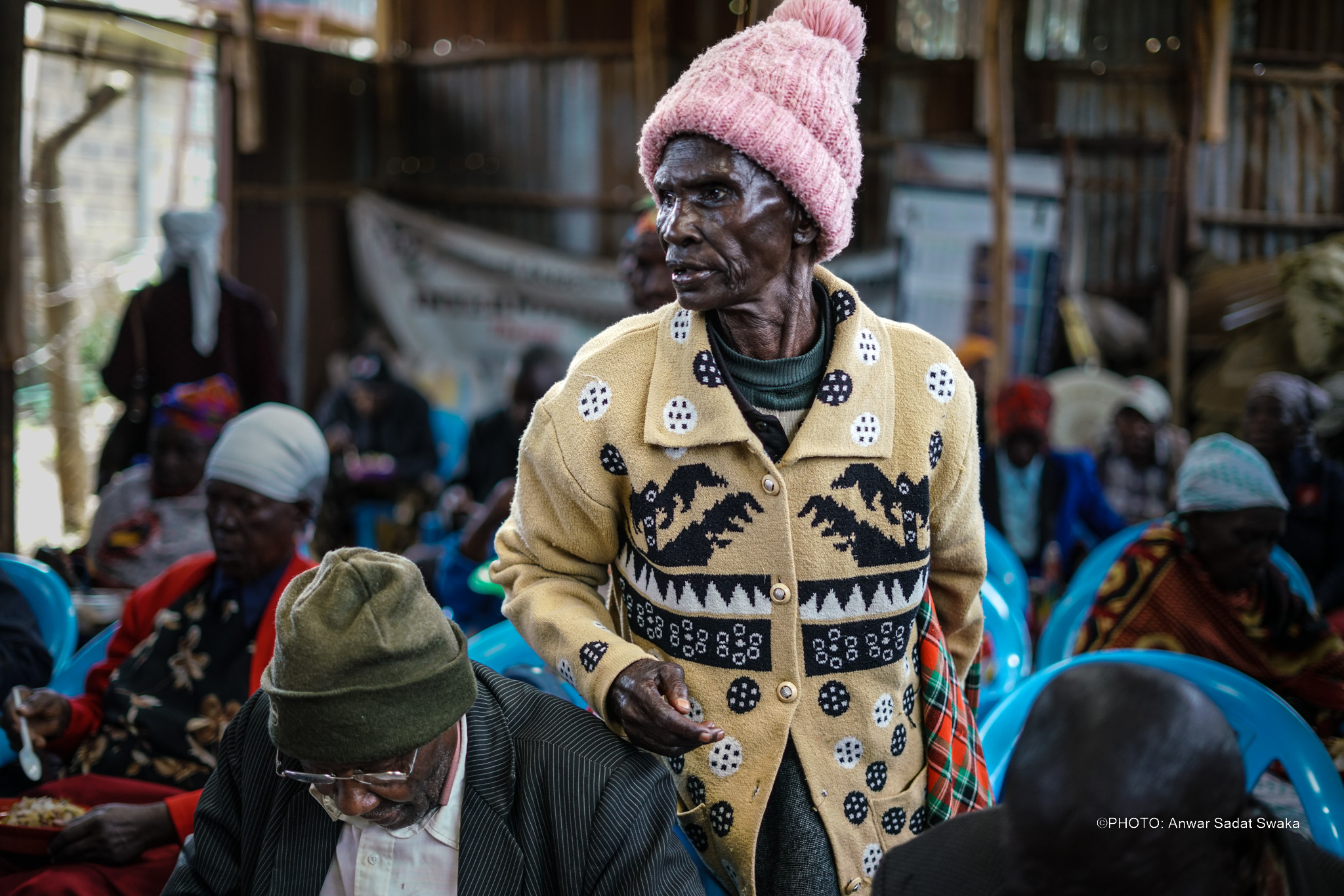
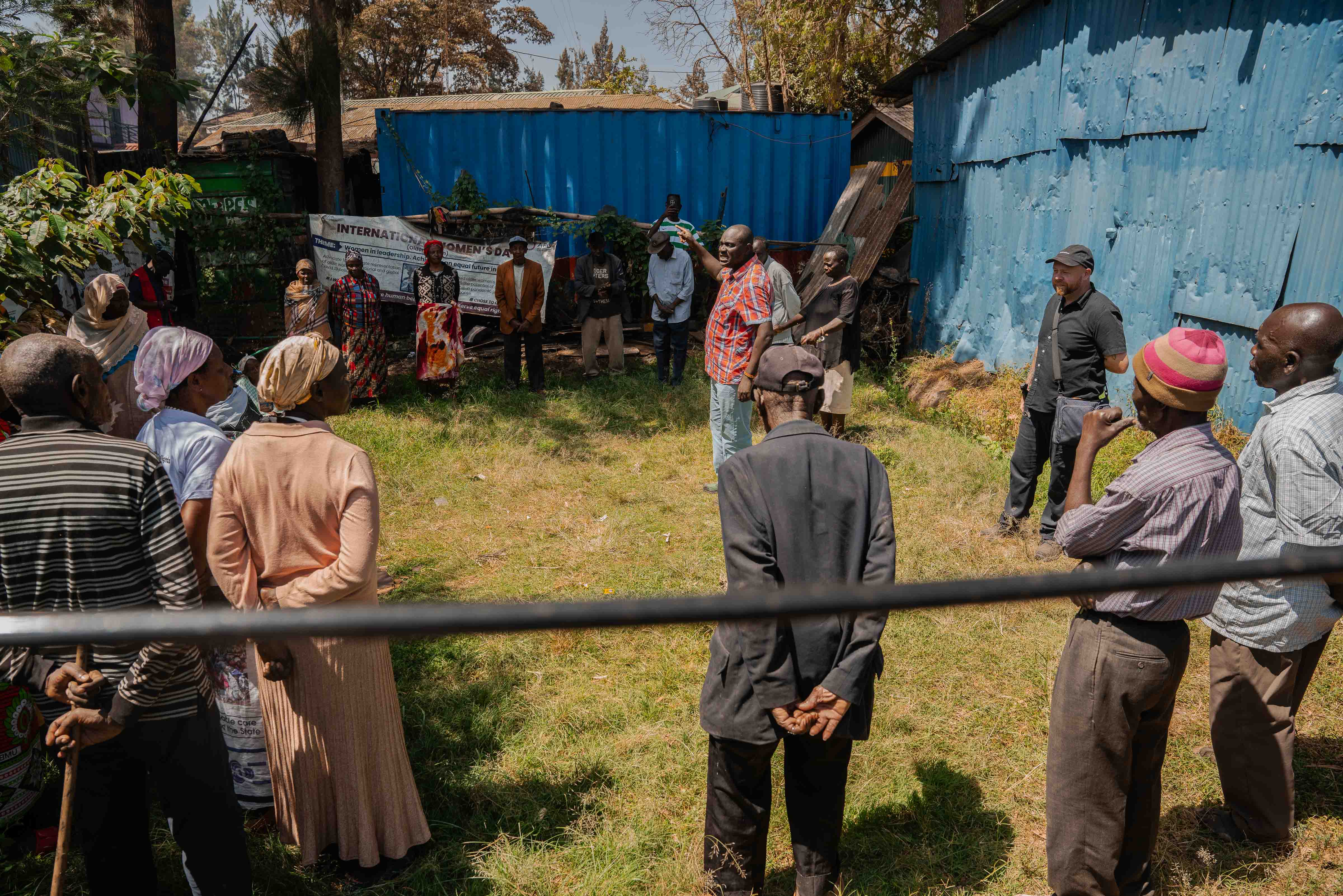
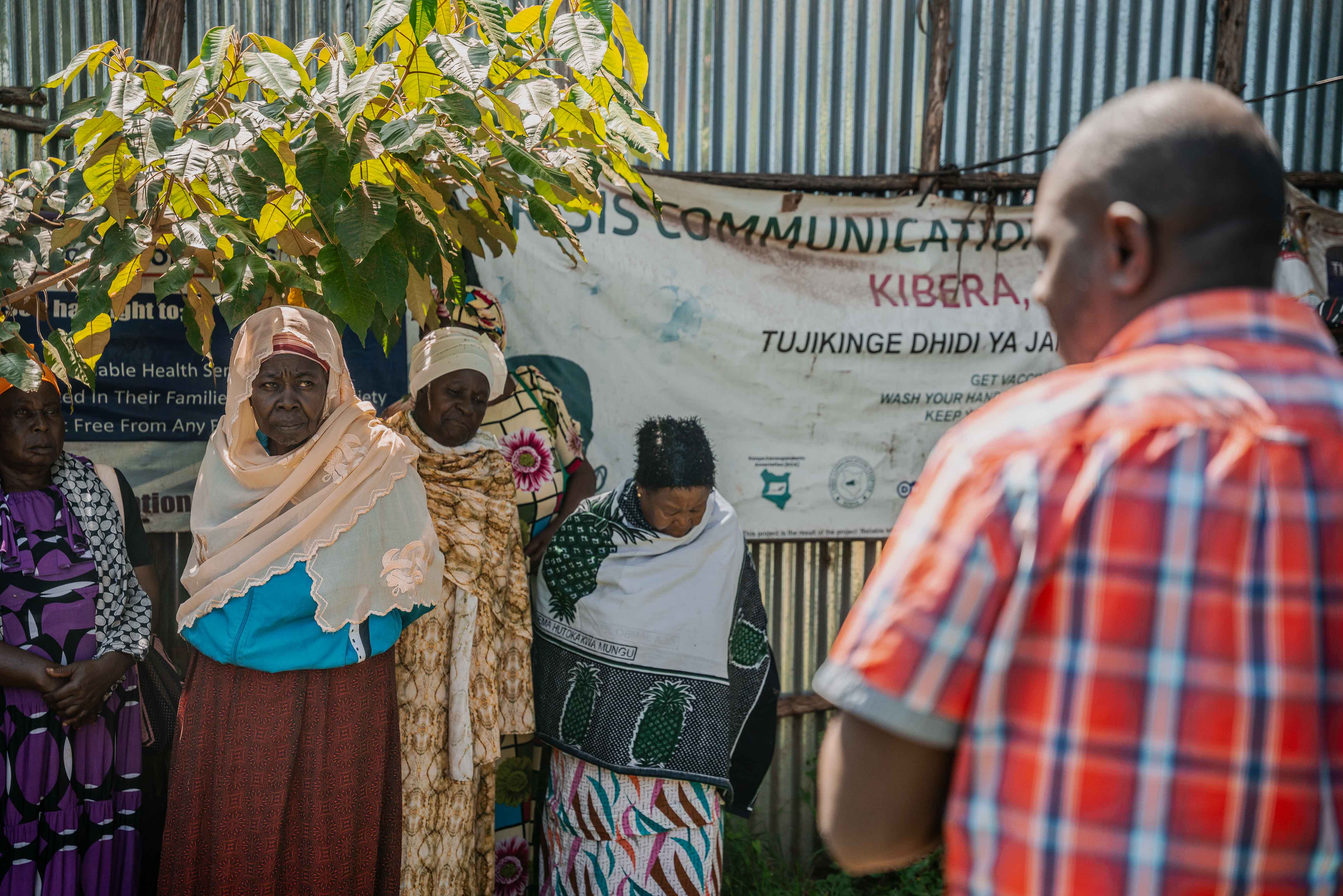
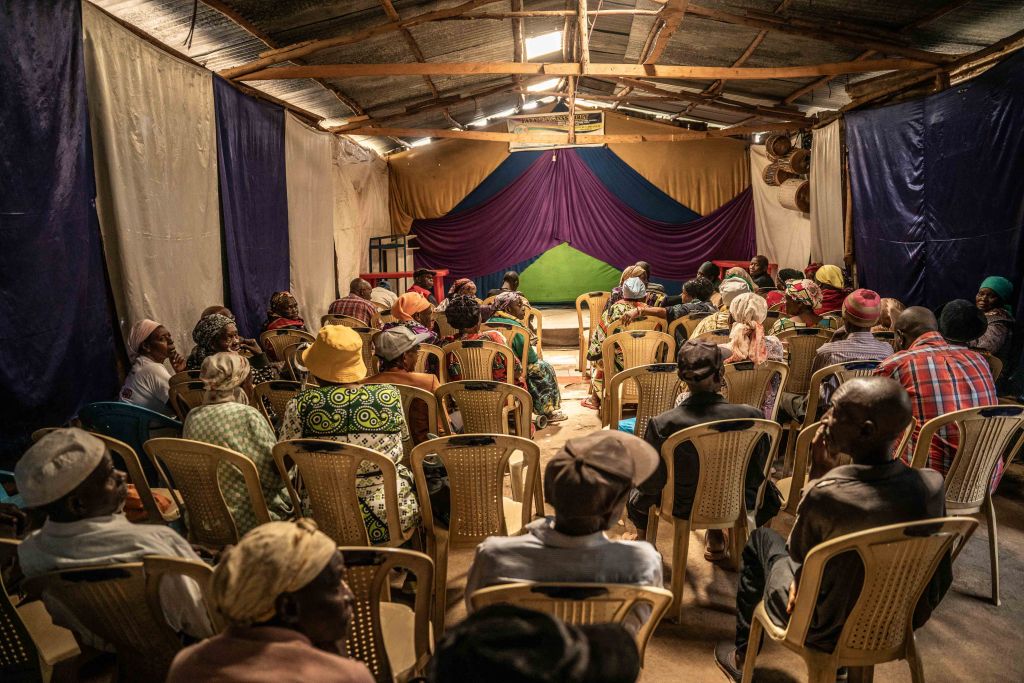
Older persons seatintg ai a hall at Kibera Day Care Center for the Eldely 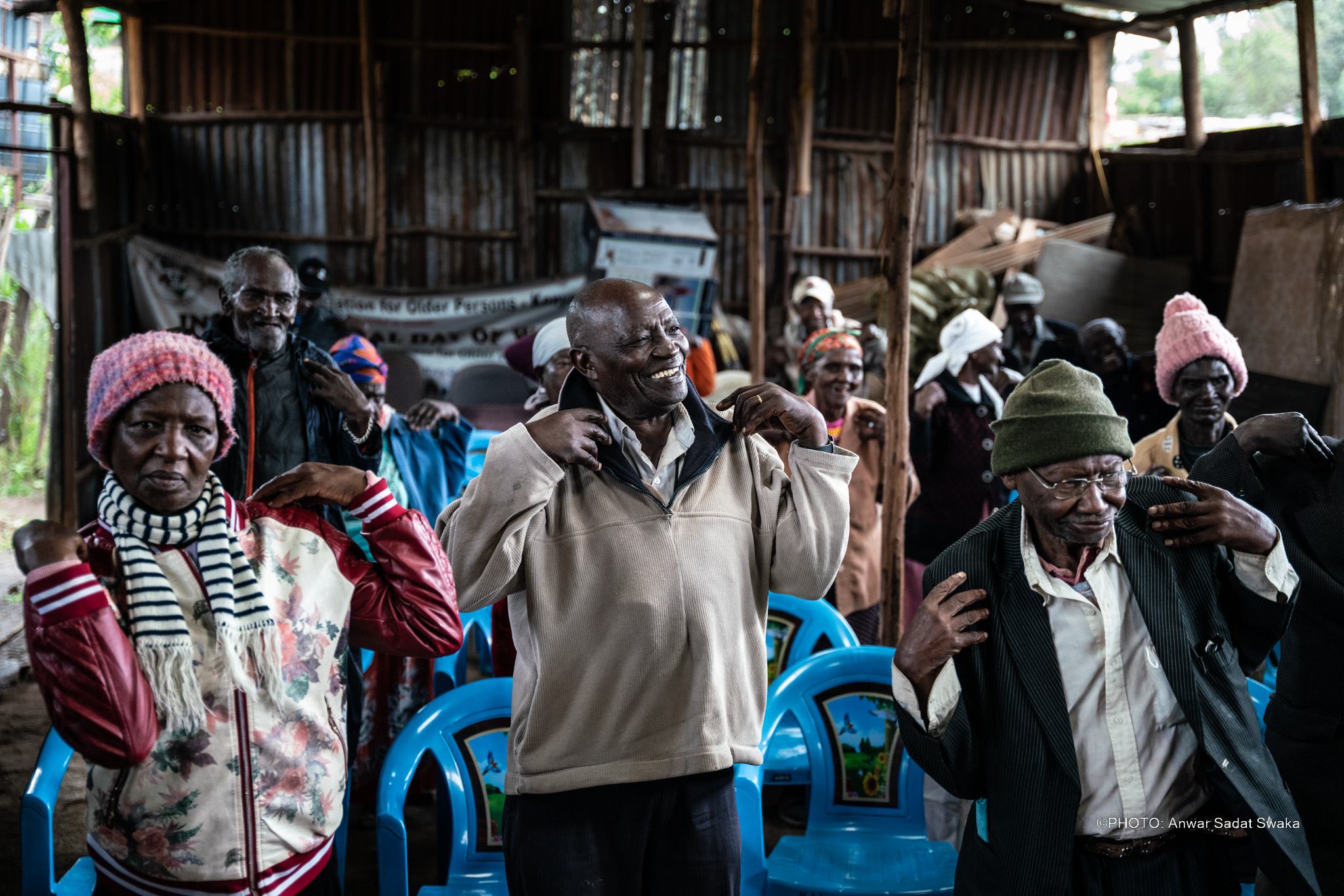
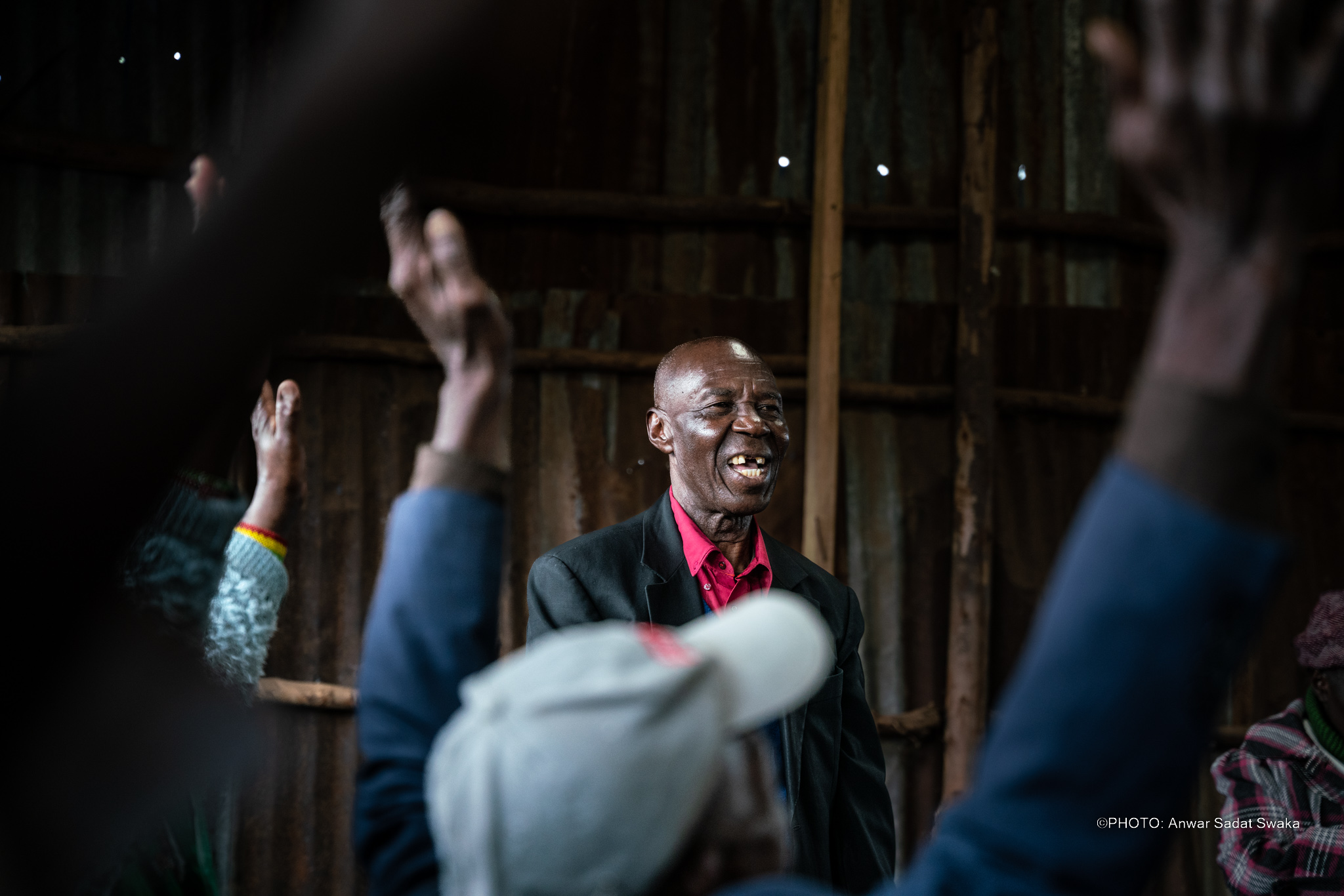
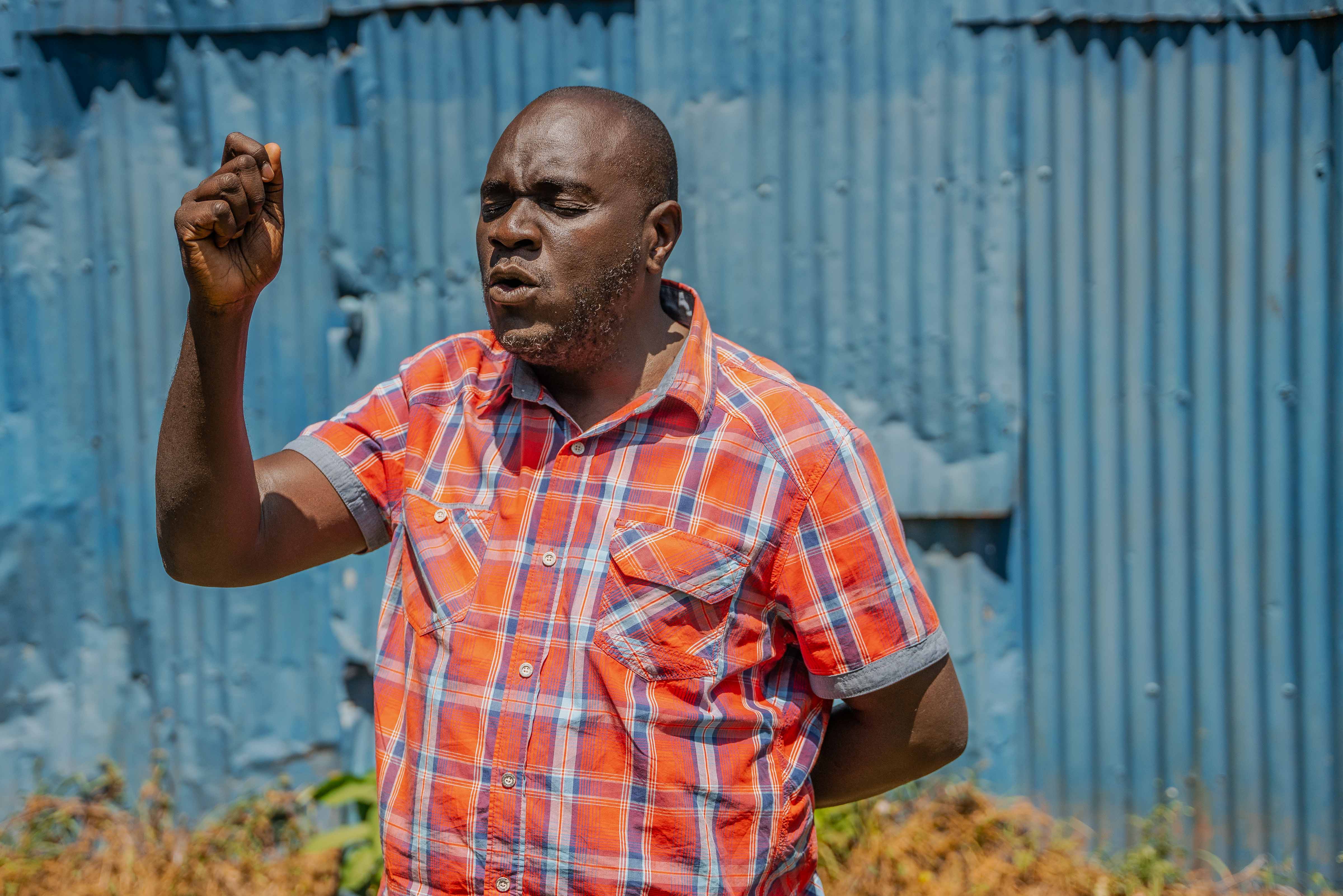
A momnent of prayer at Kibera Day Care Center For the Eldely, led by Dedan, the Ceenters head of programes. 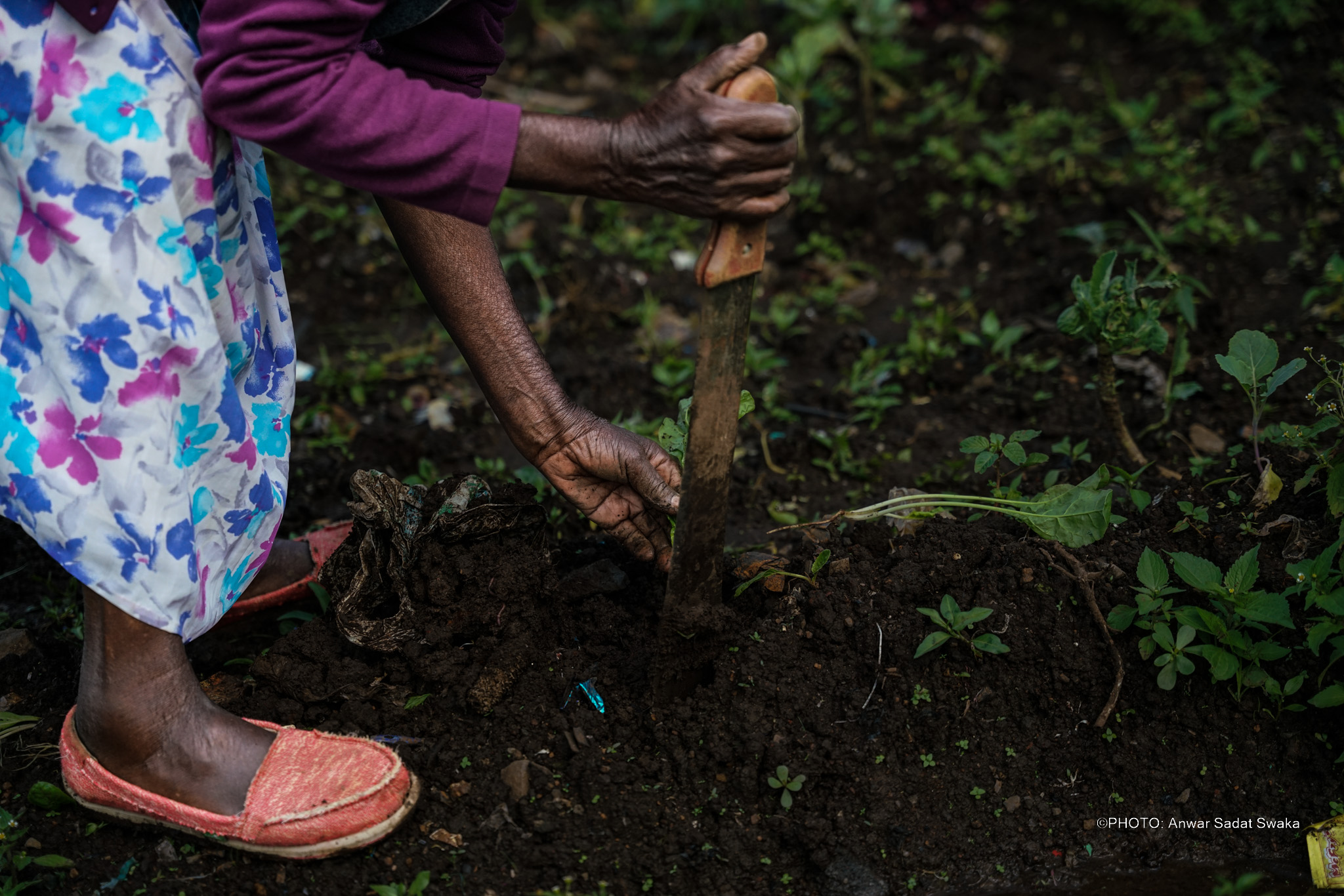
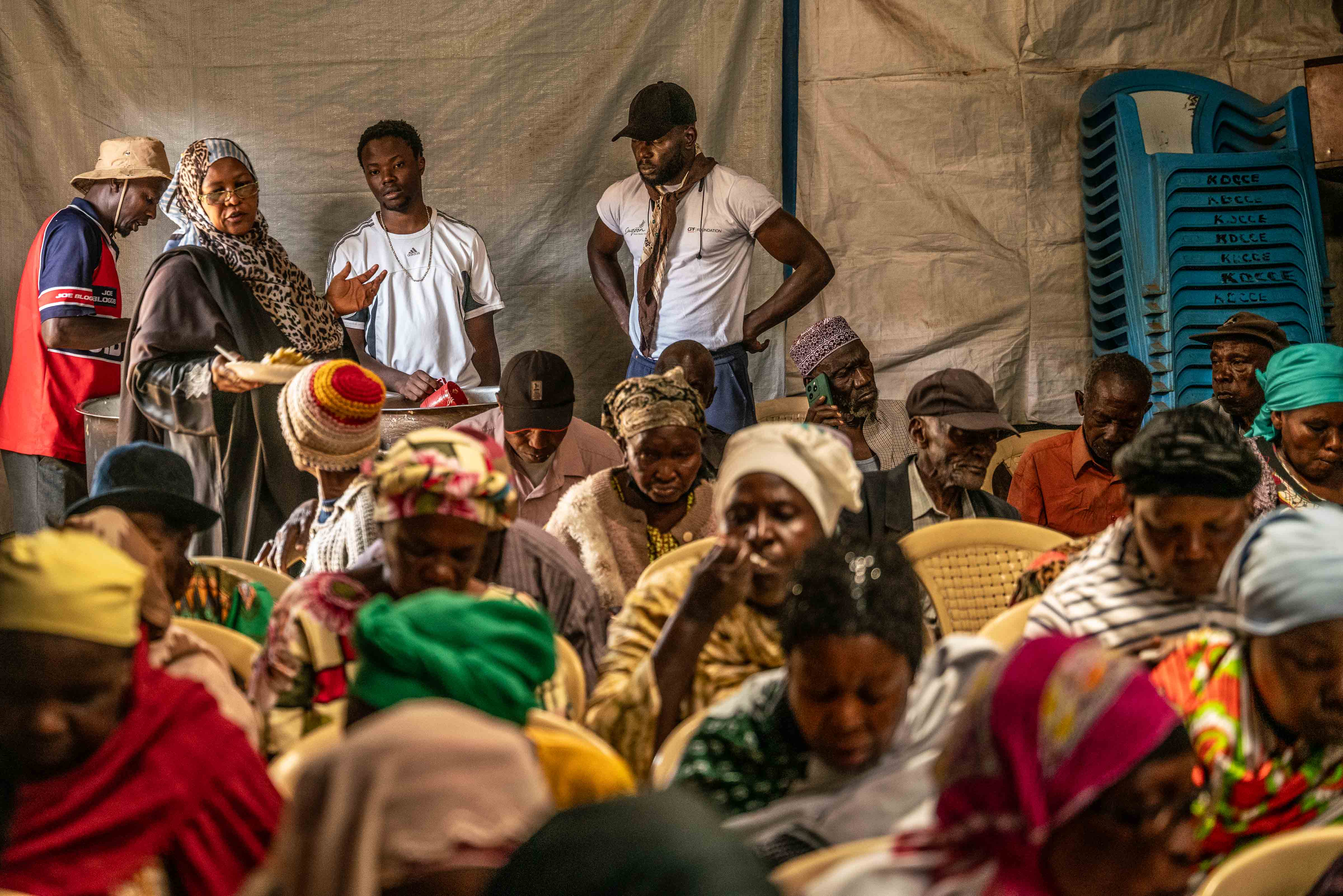
older persons enjoy a shared meal 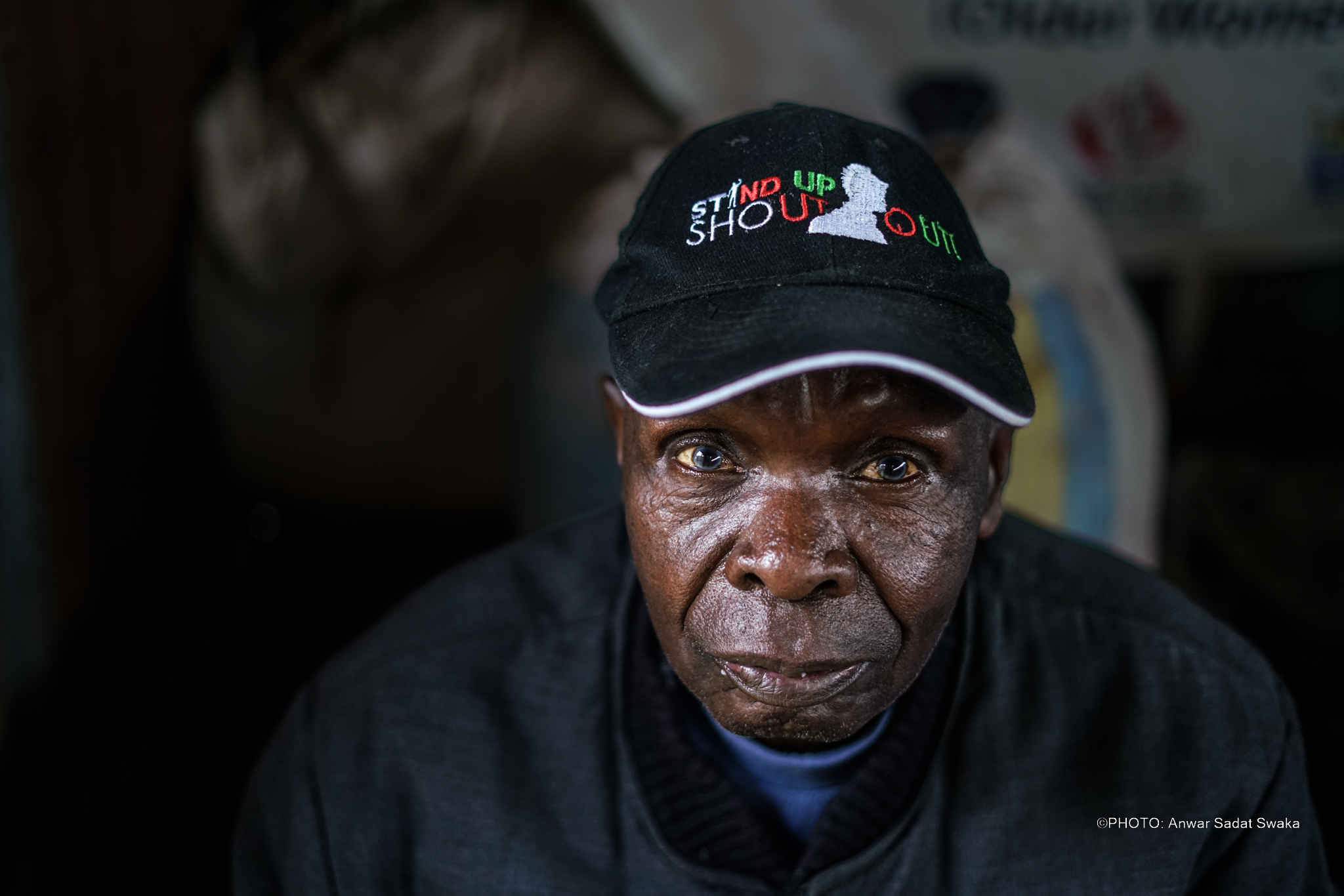
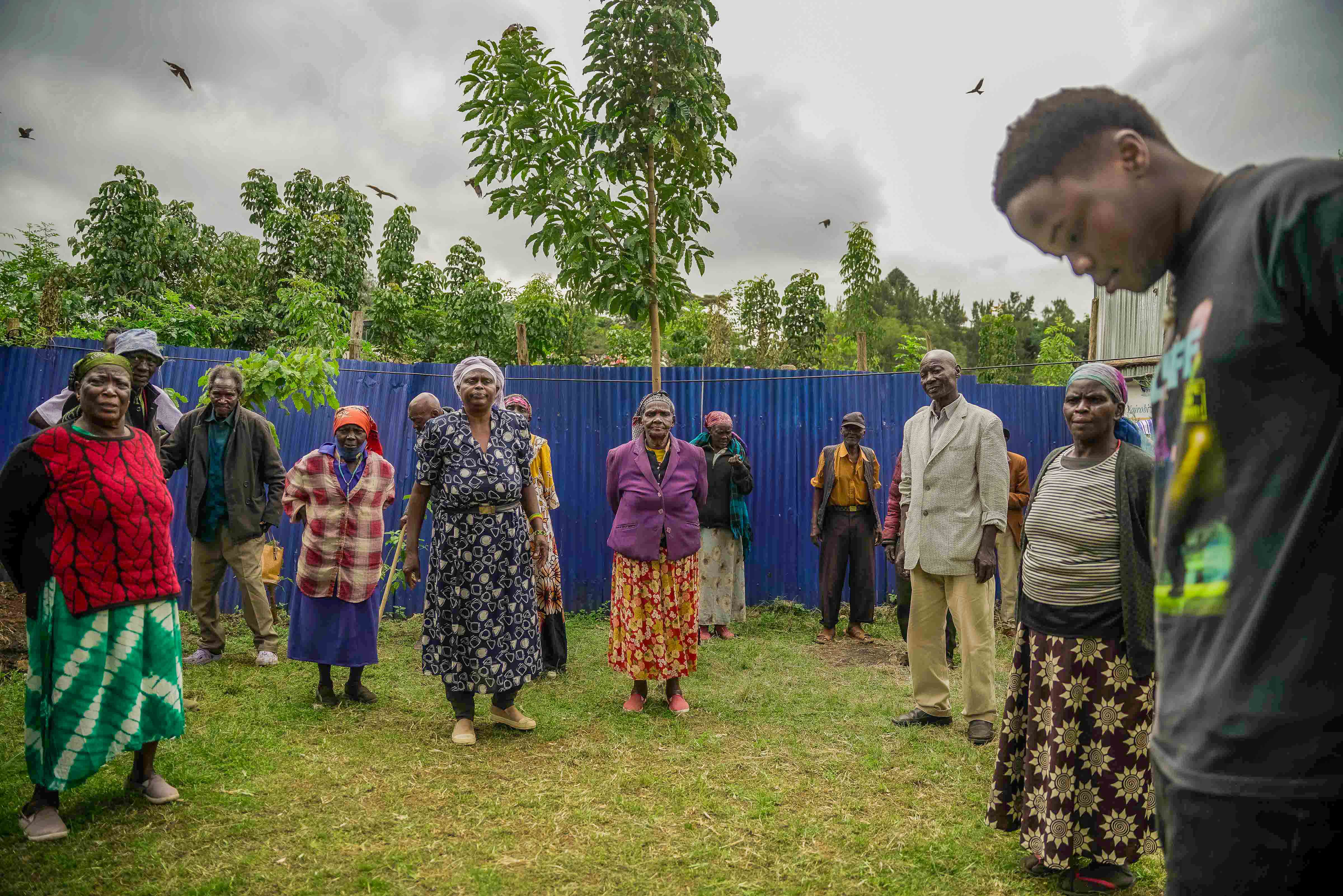
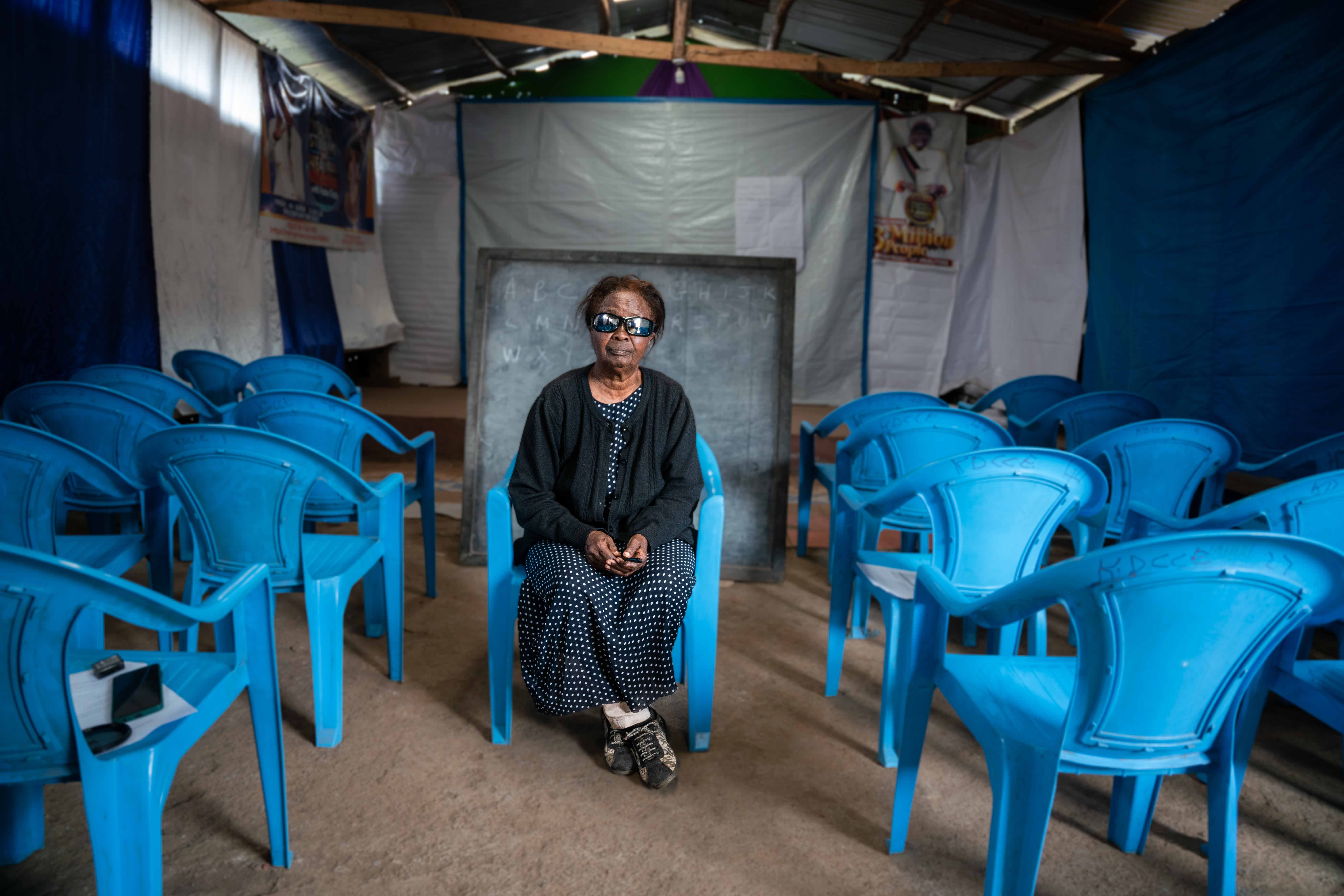
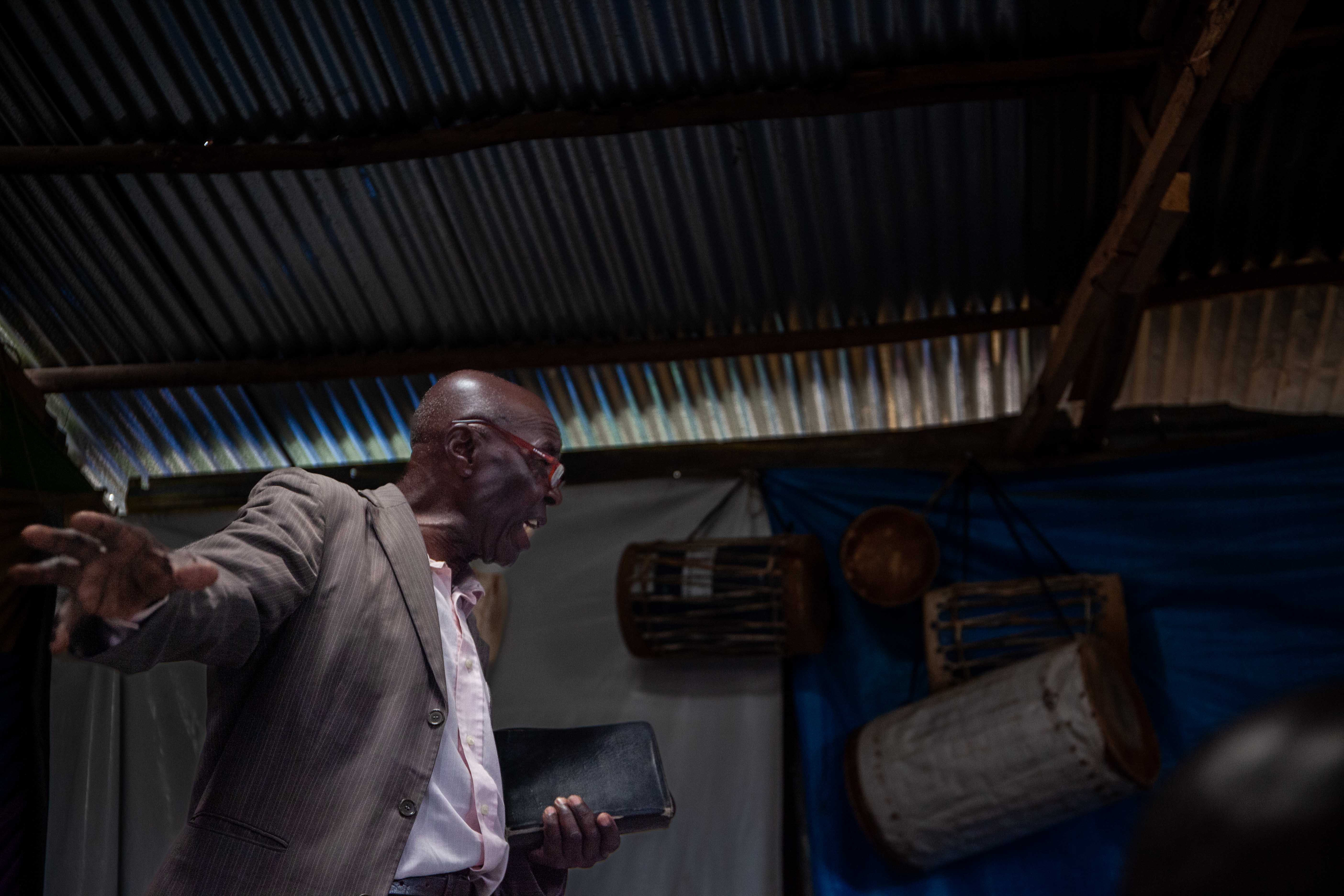
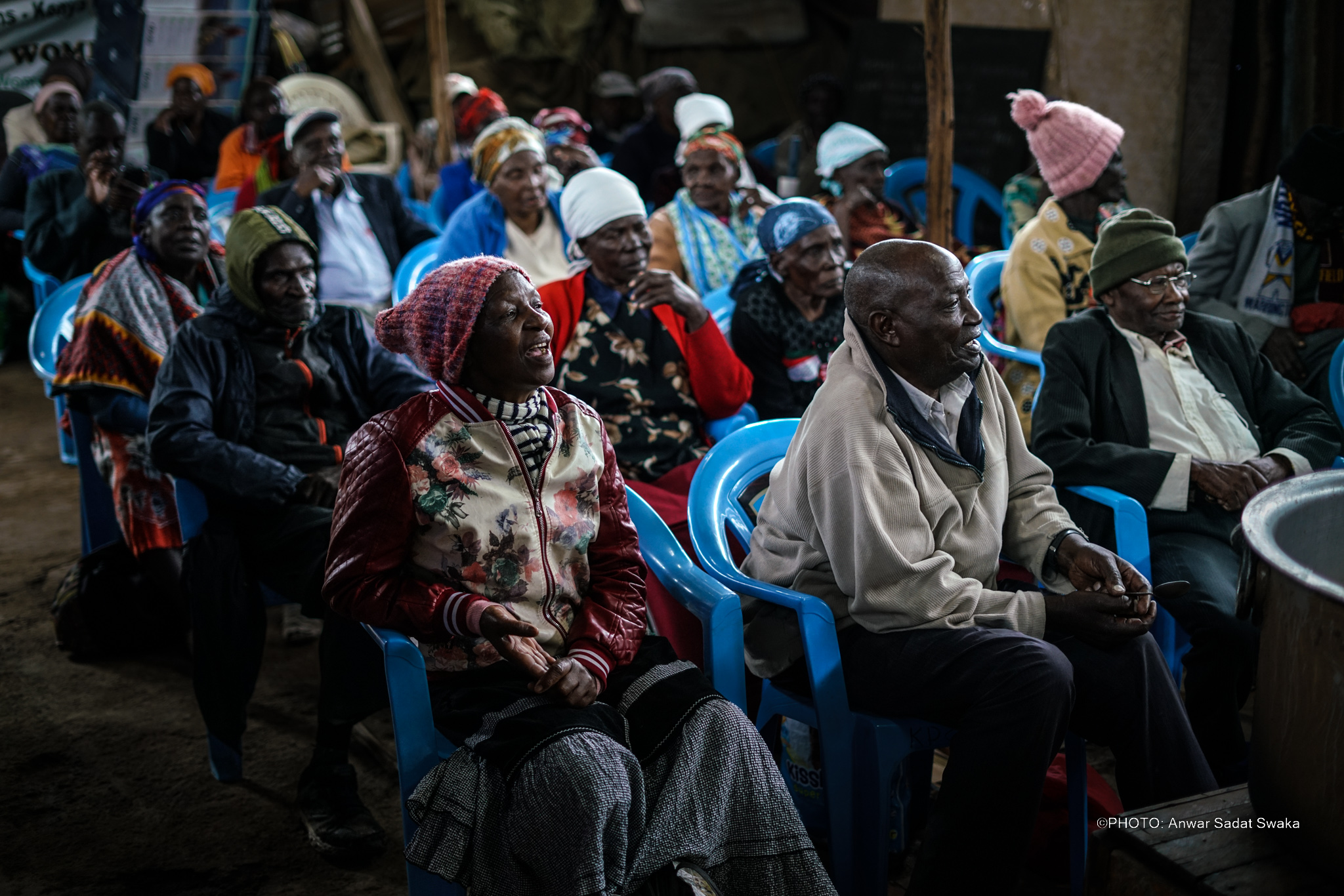
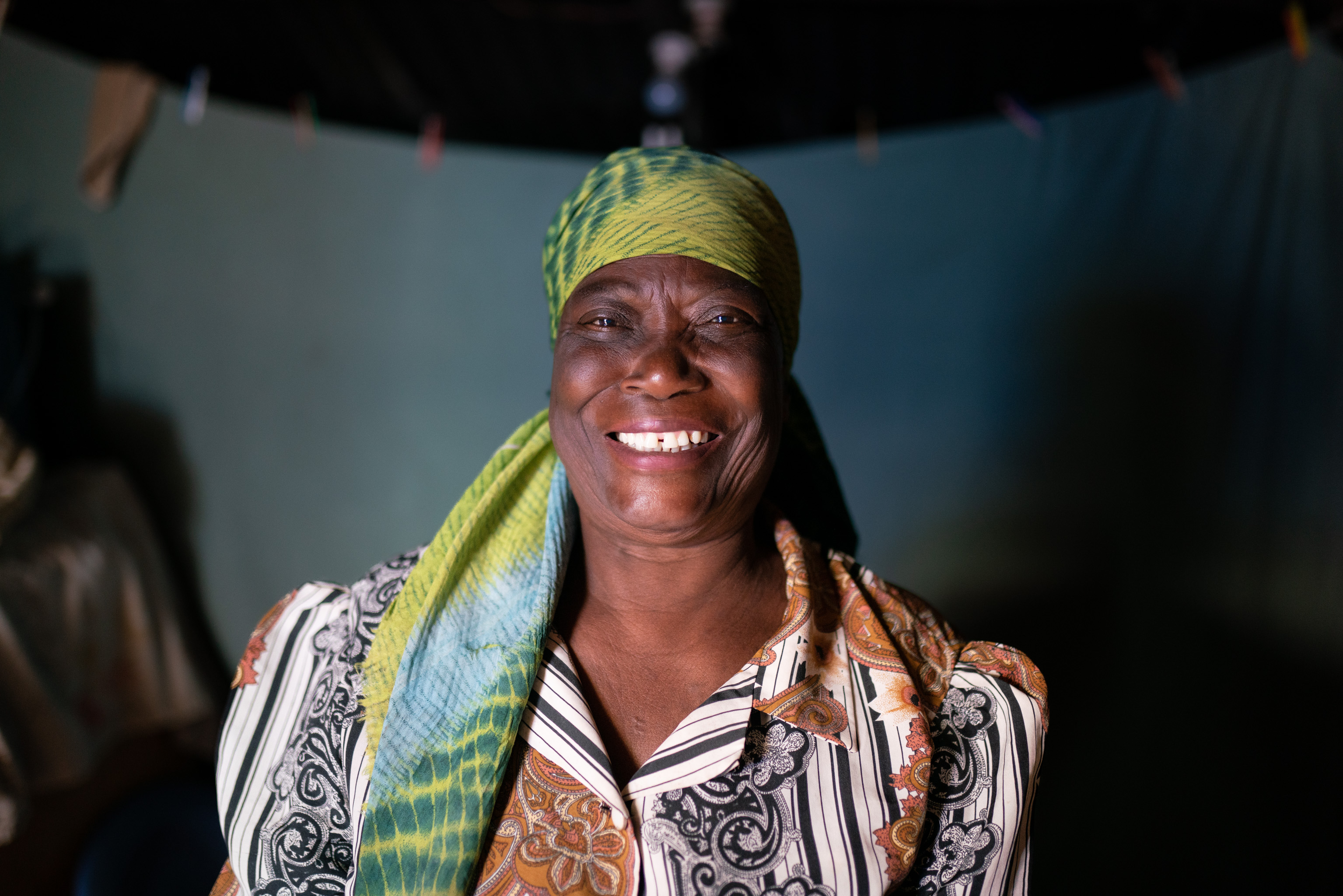

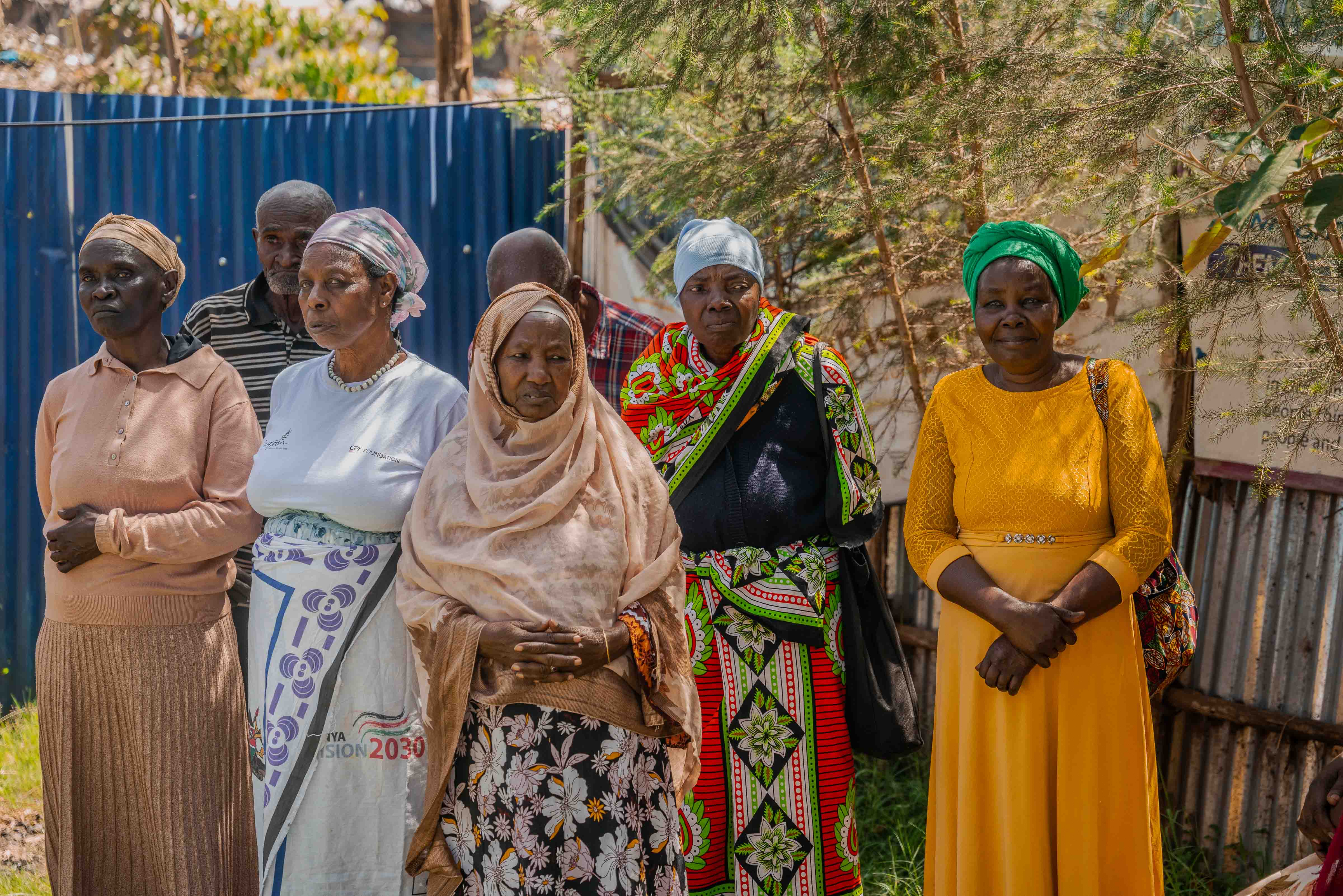
A portrait pf men and women from kibera day care center for the elderly representing different religions intergration 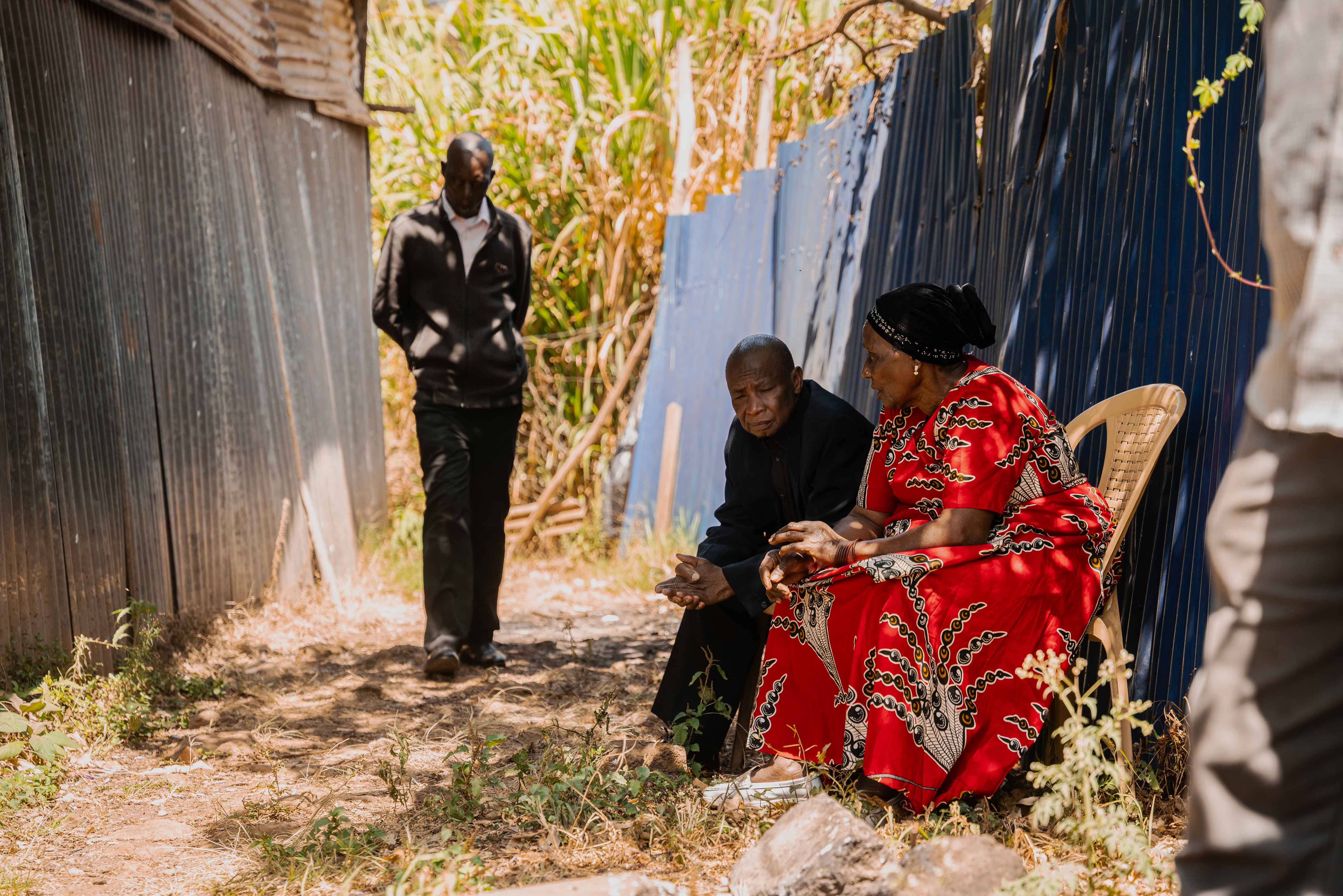
Oliver from Akili Bomba leading a prayer session with the elderly at kibera day care center for the elderly. 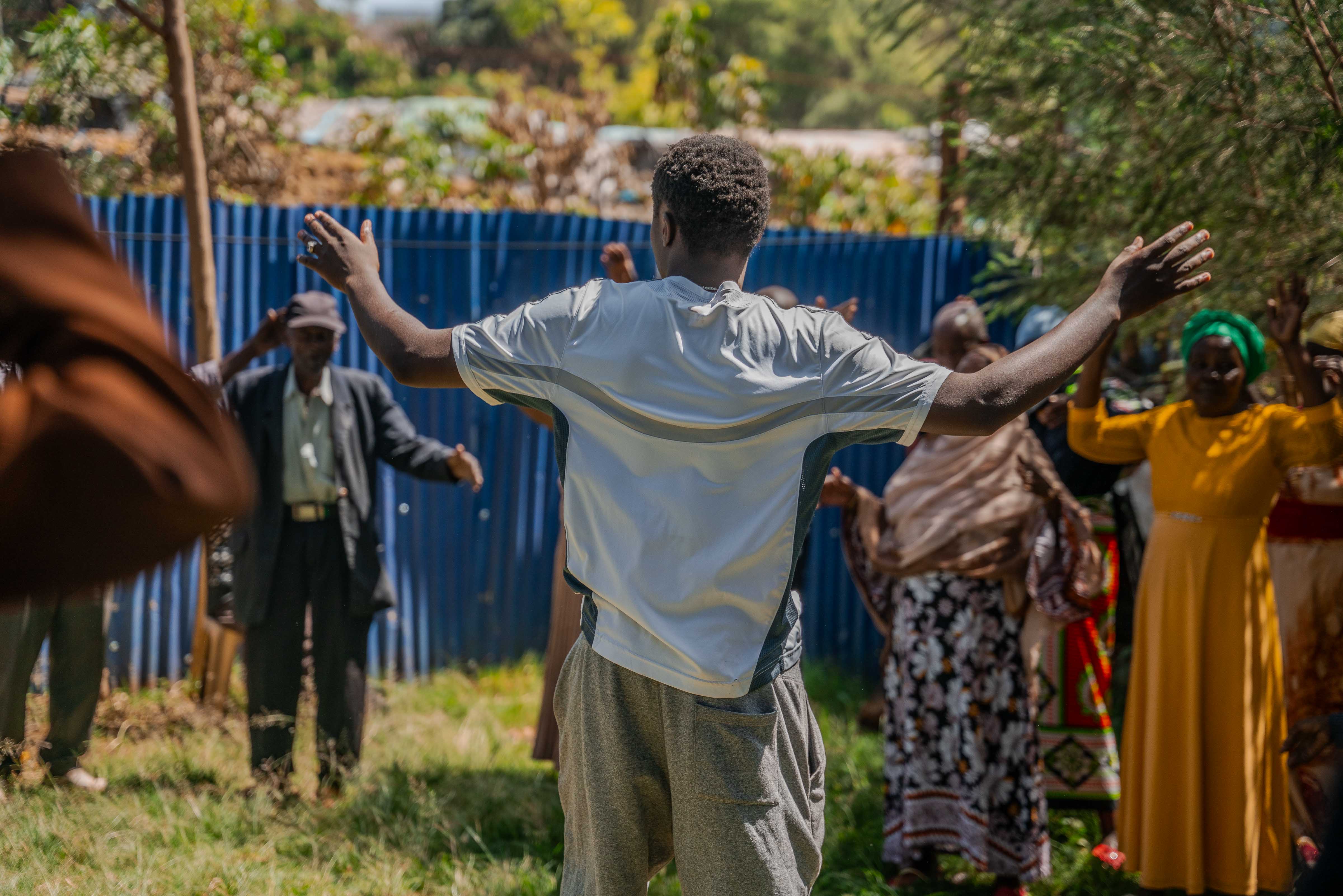
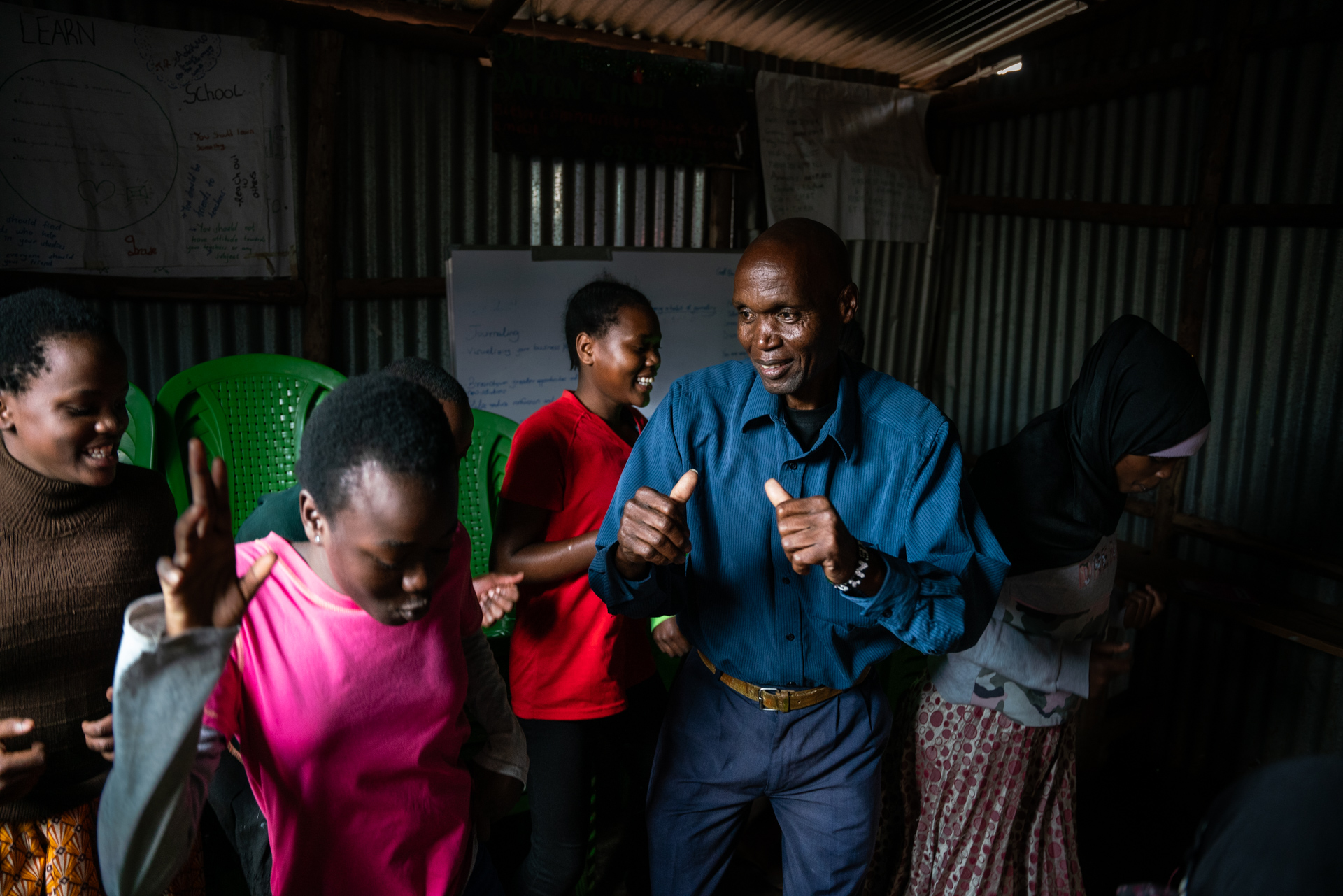
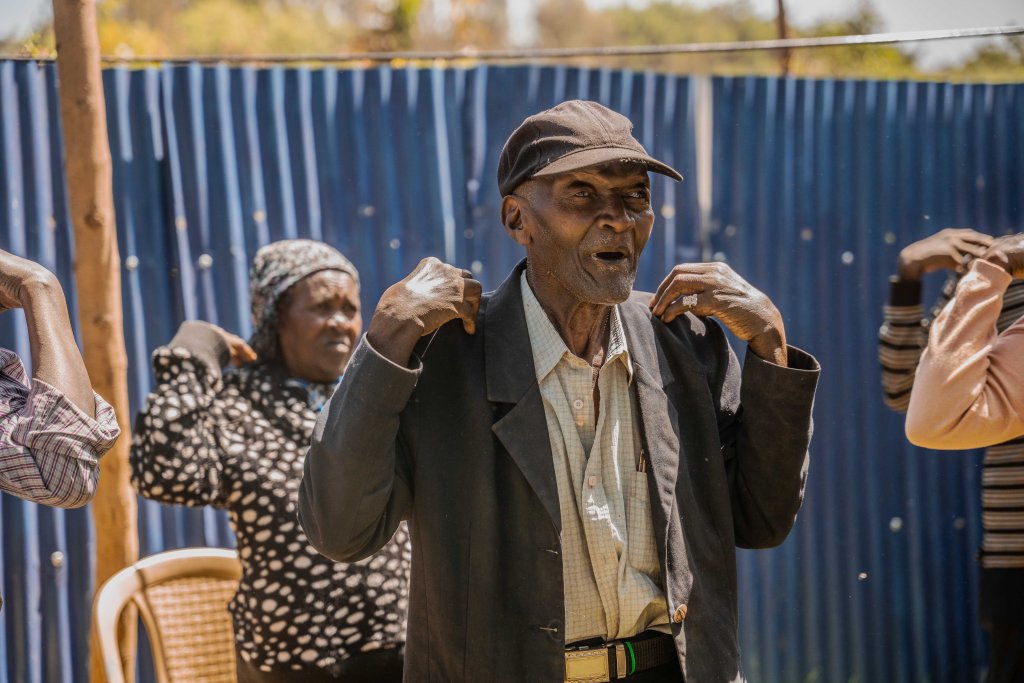
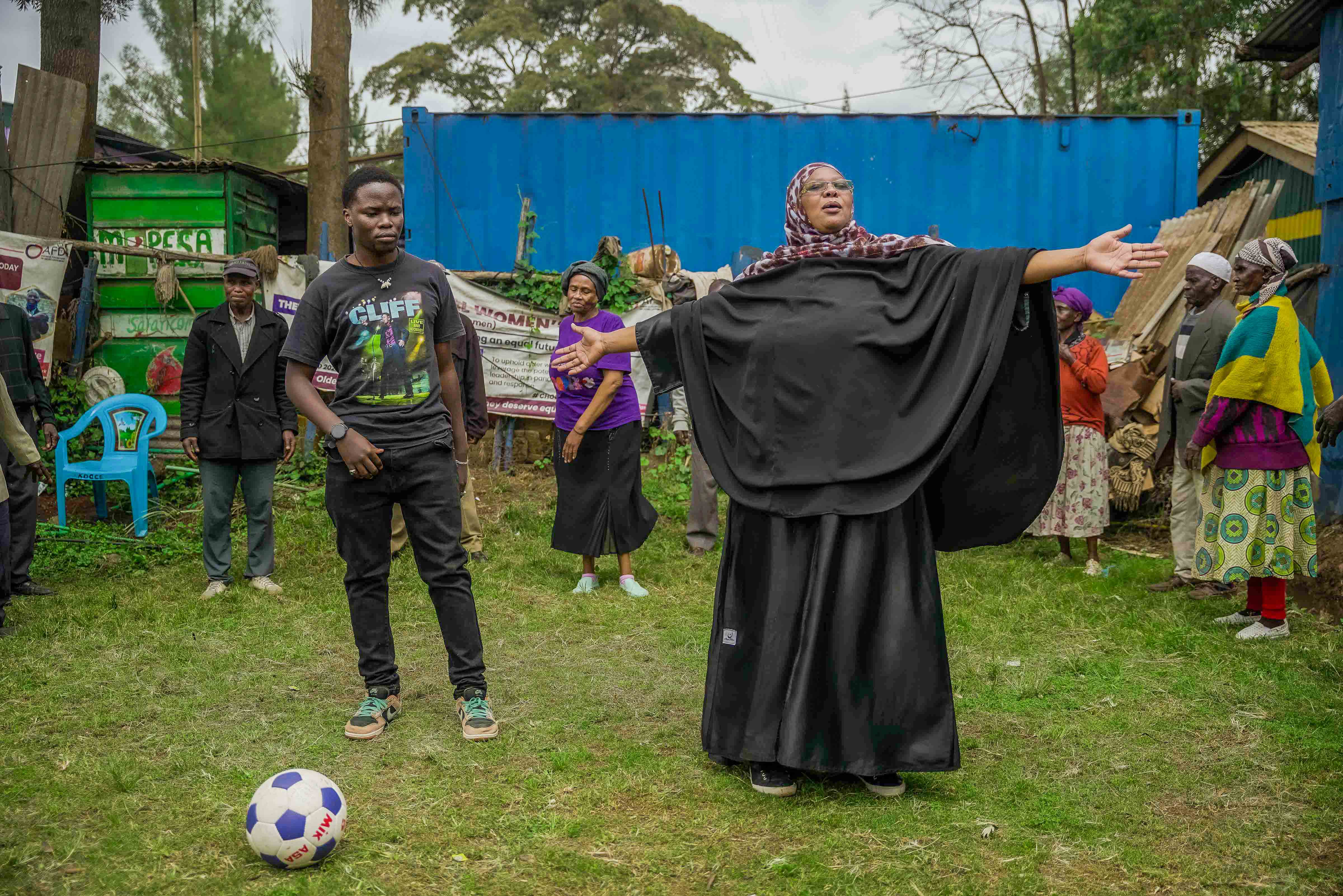
Abdul-rahman leads an every tuesday exercise session at Kibera Day Care Center for the Elderly. 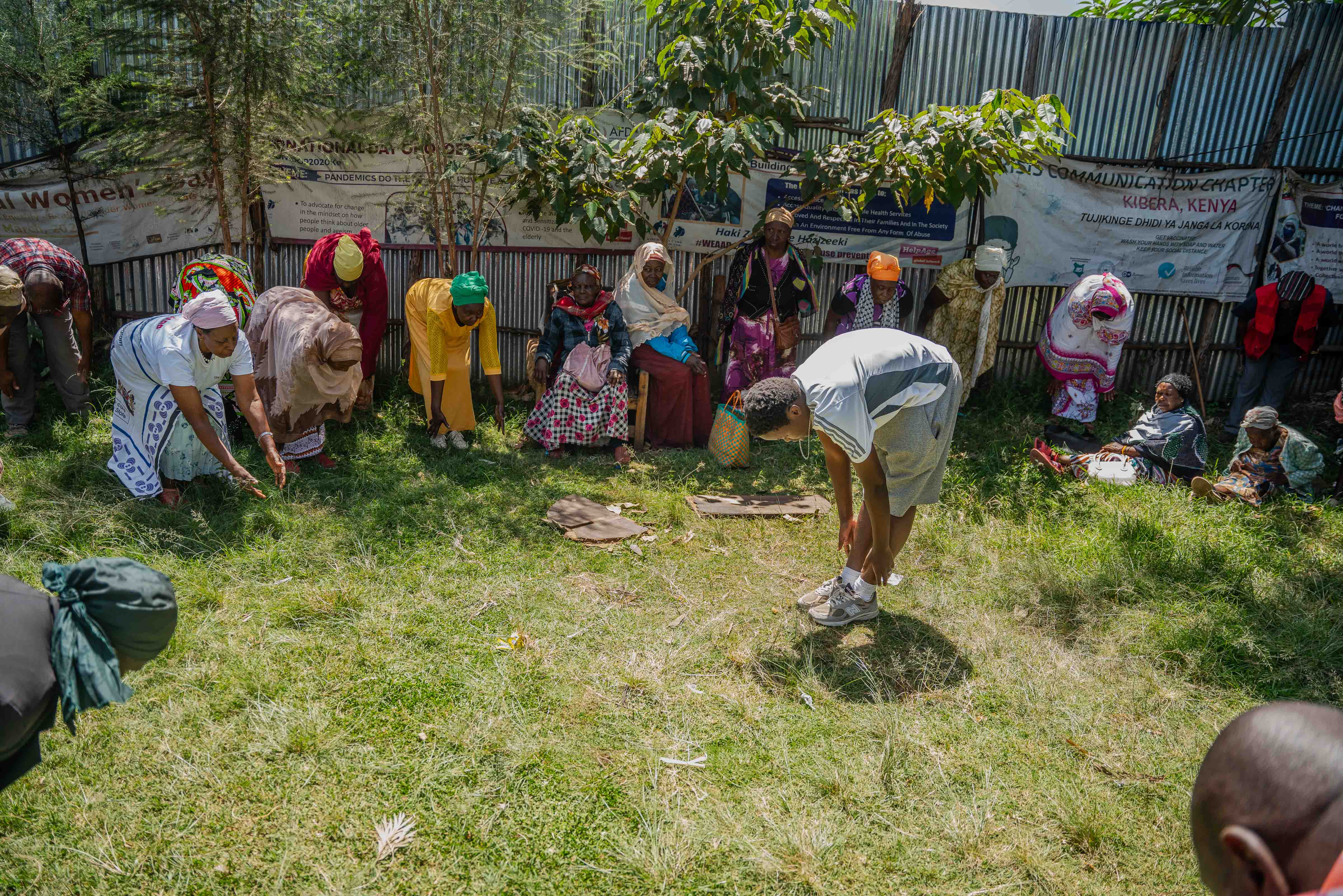
Abdul-rahman leads an every tuesday exercise session at Kibera Day Care Center for the Elderly. 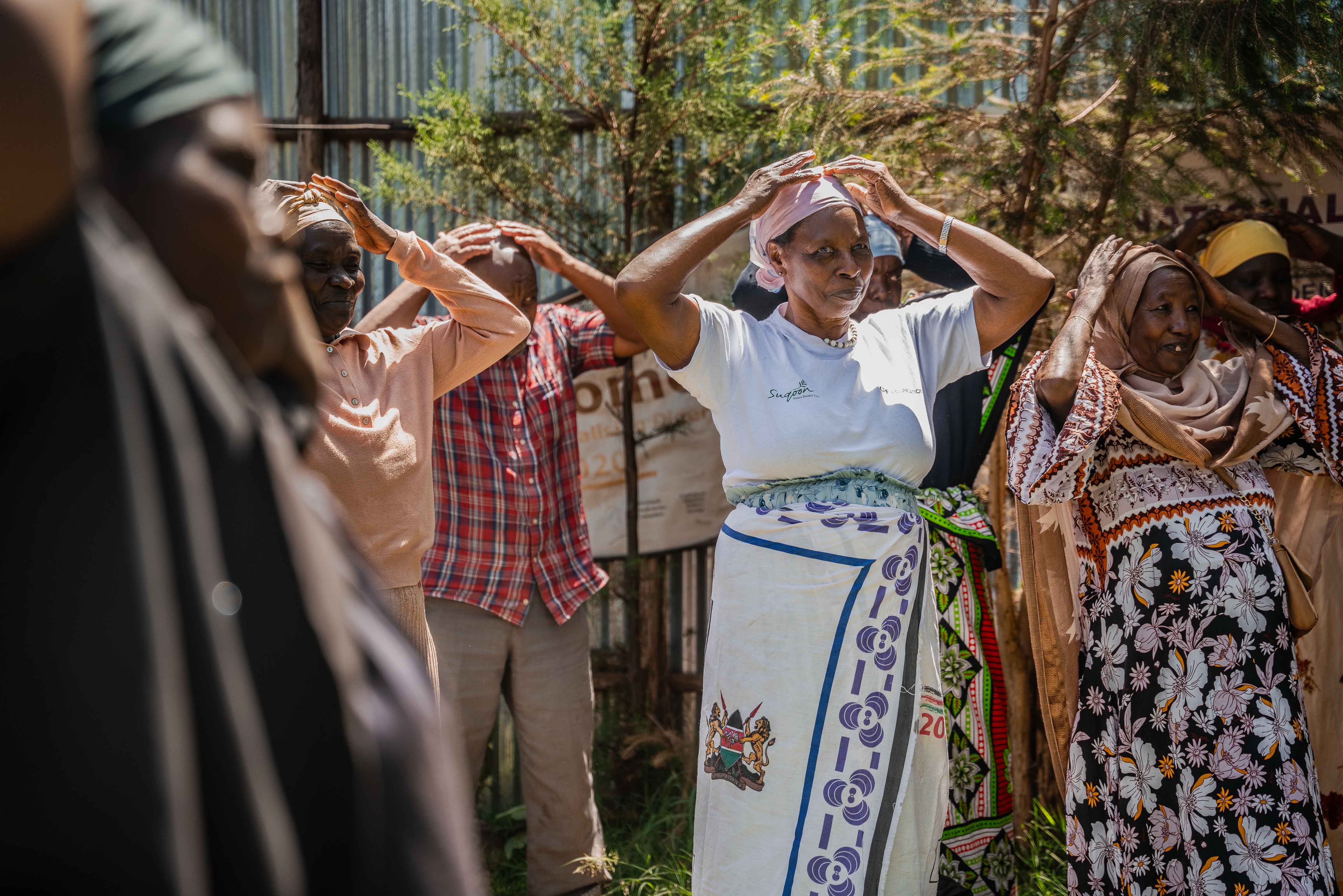
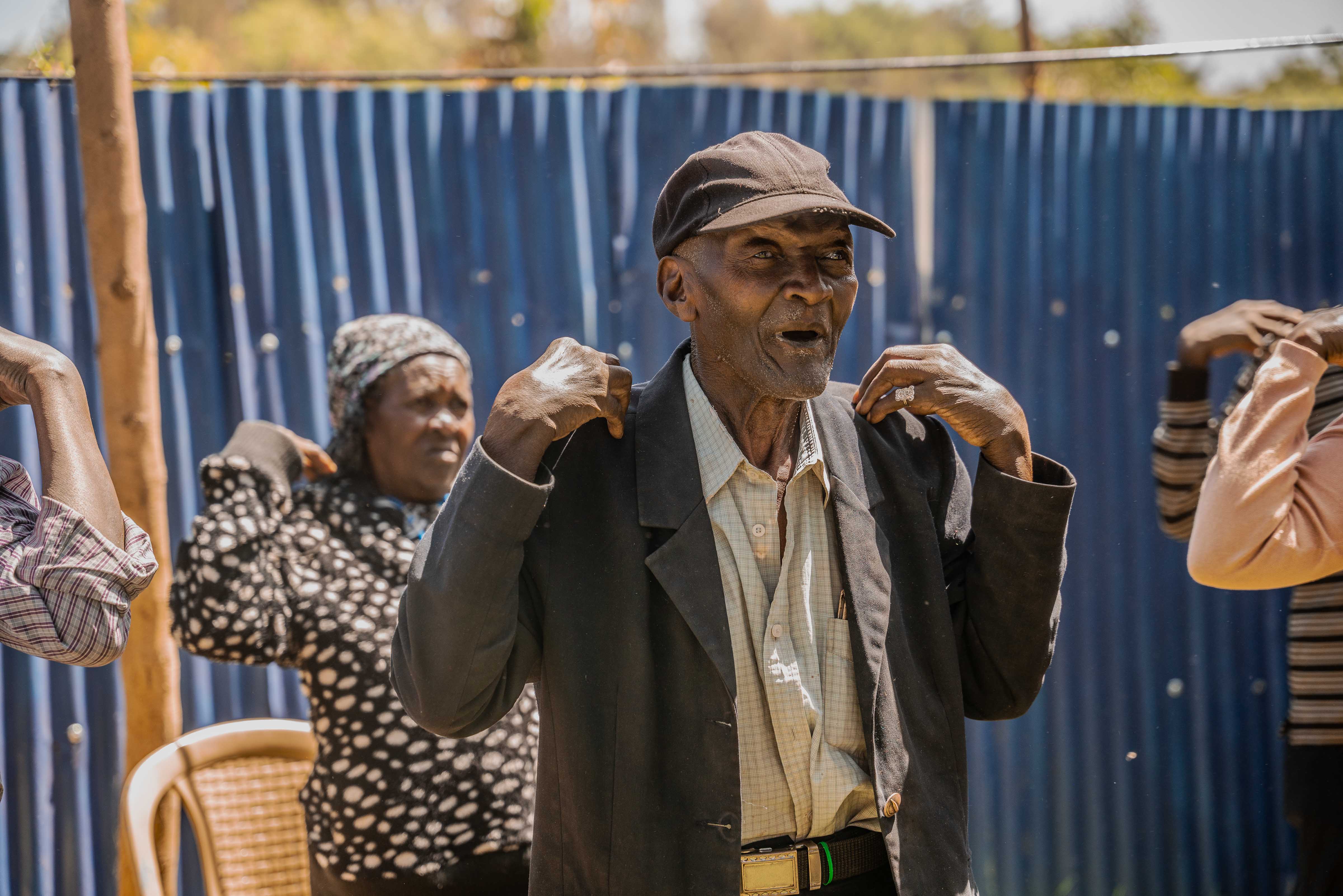
Sind and ance session at kibera day Care center for the eldely 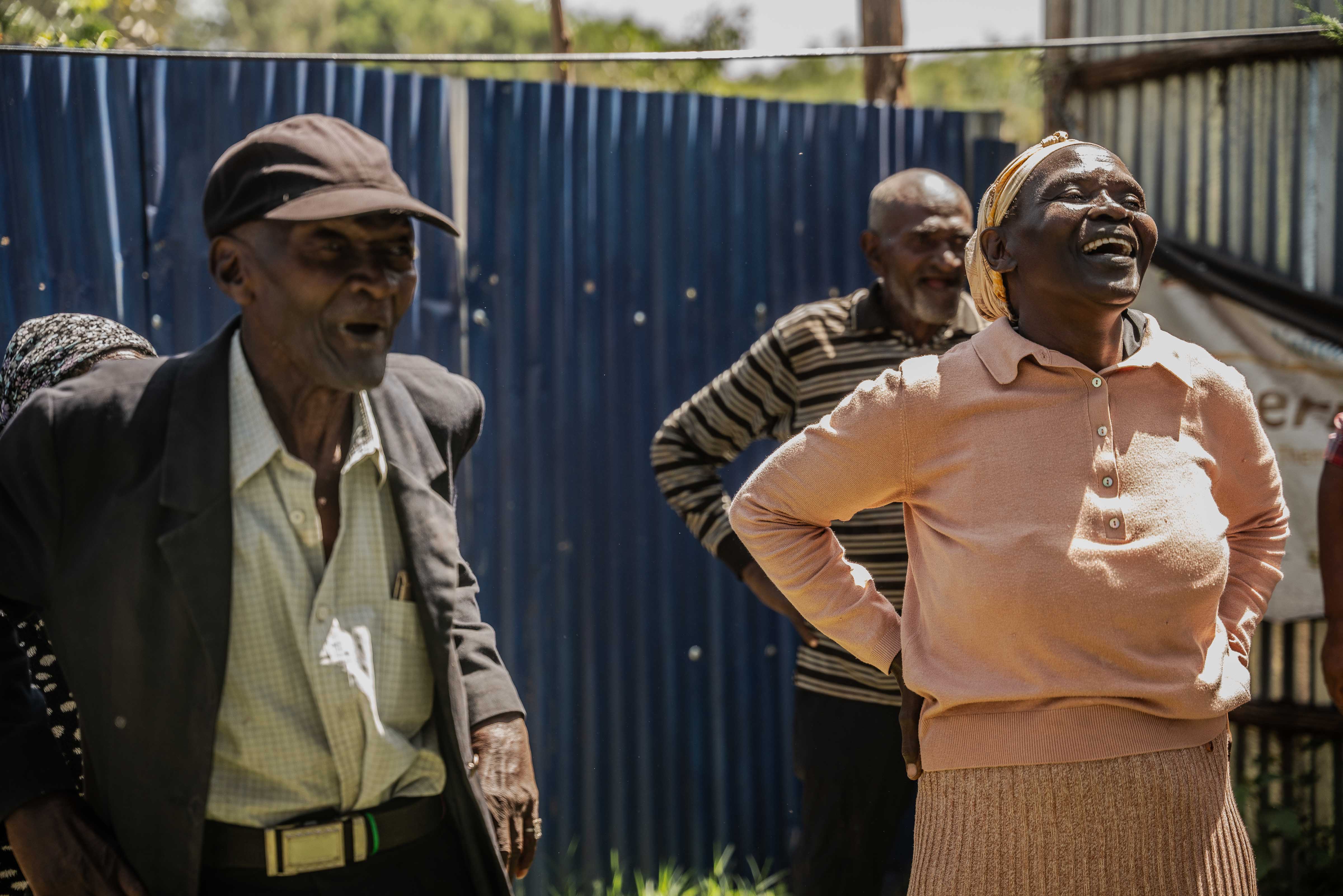
Sind and ance session at kibera day Care center for the eldely 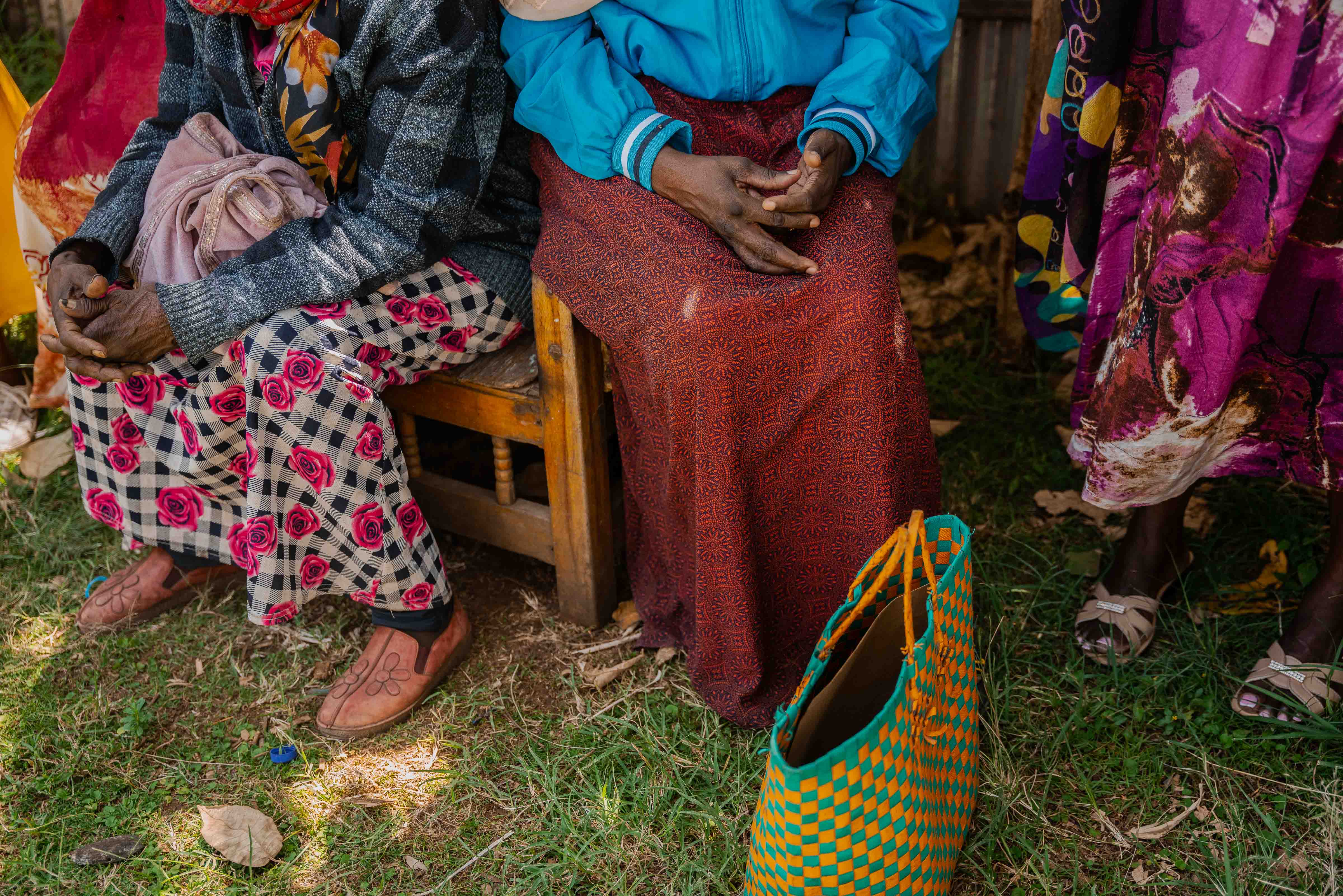
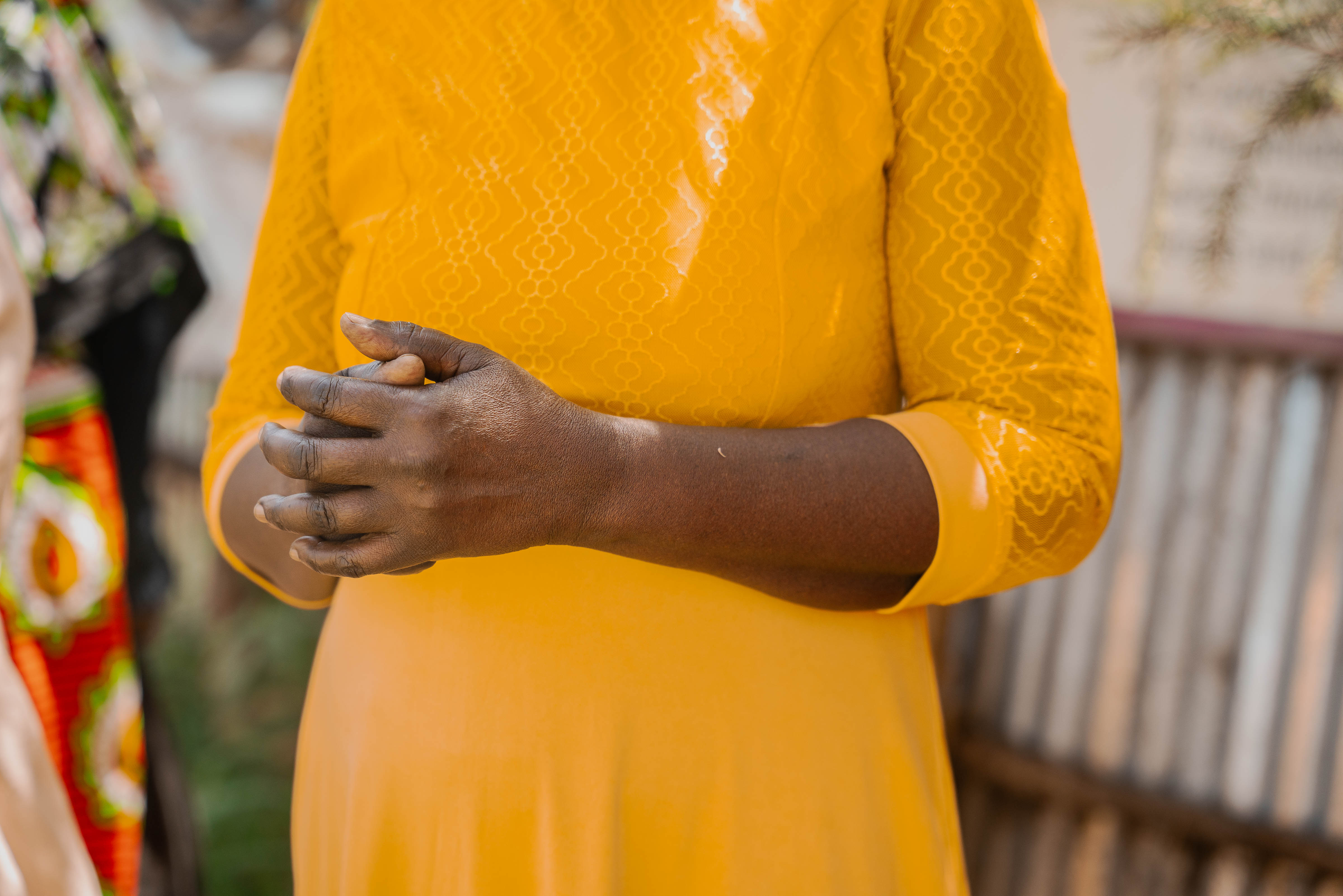
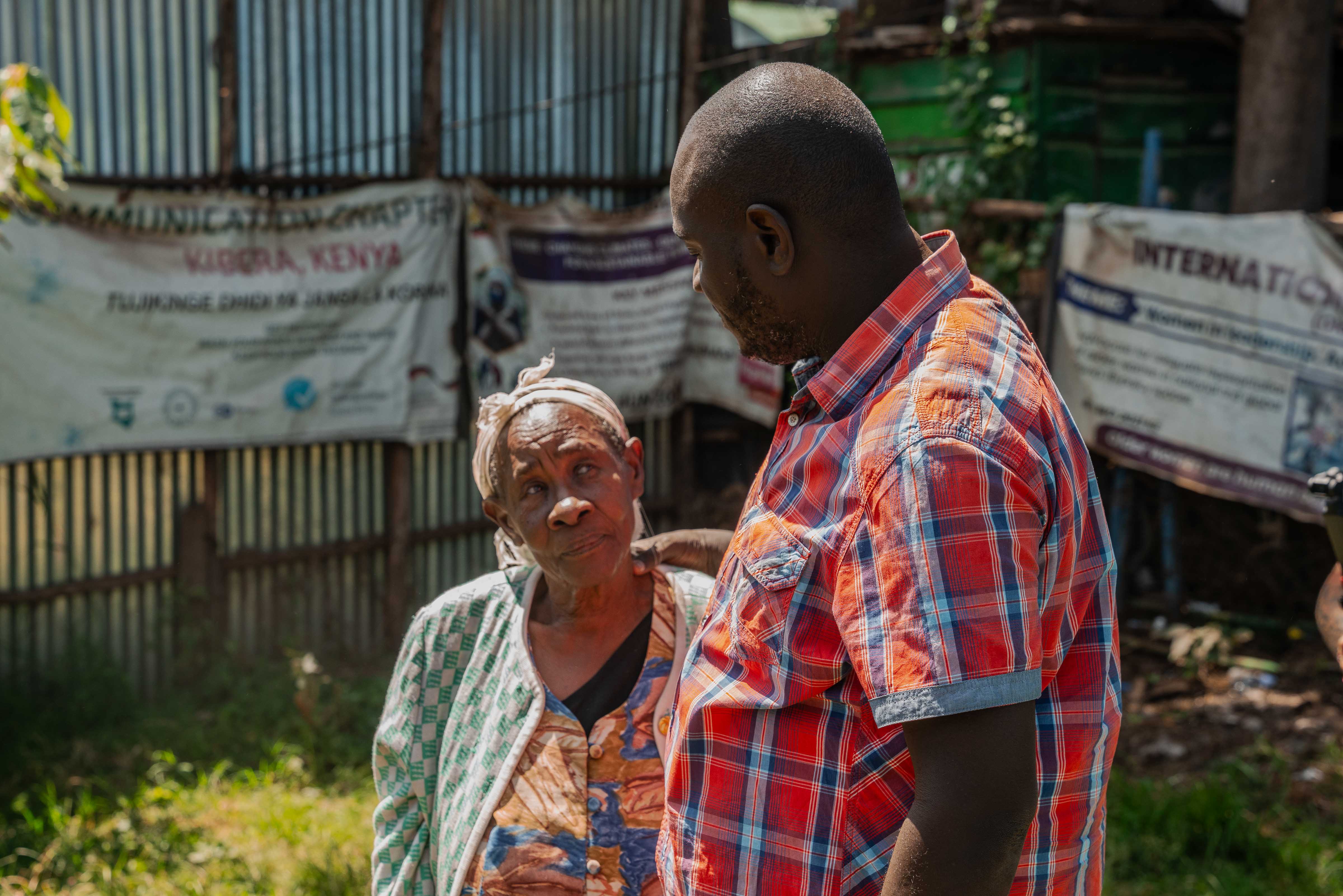
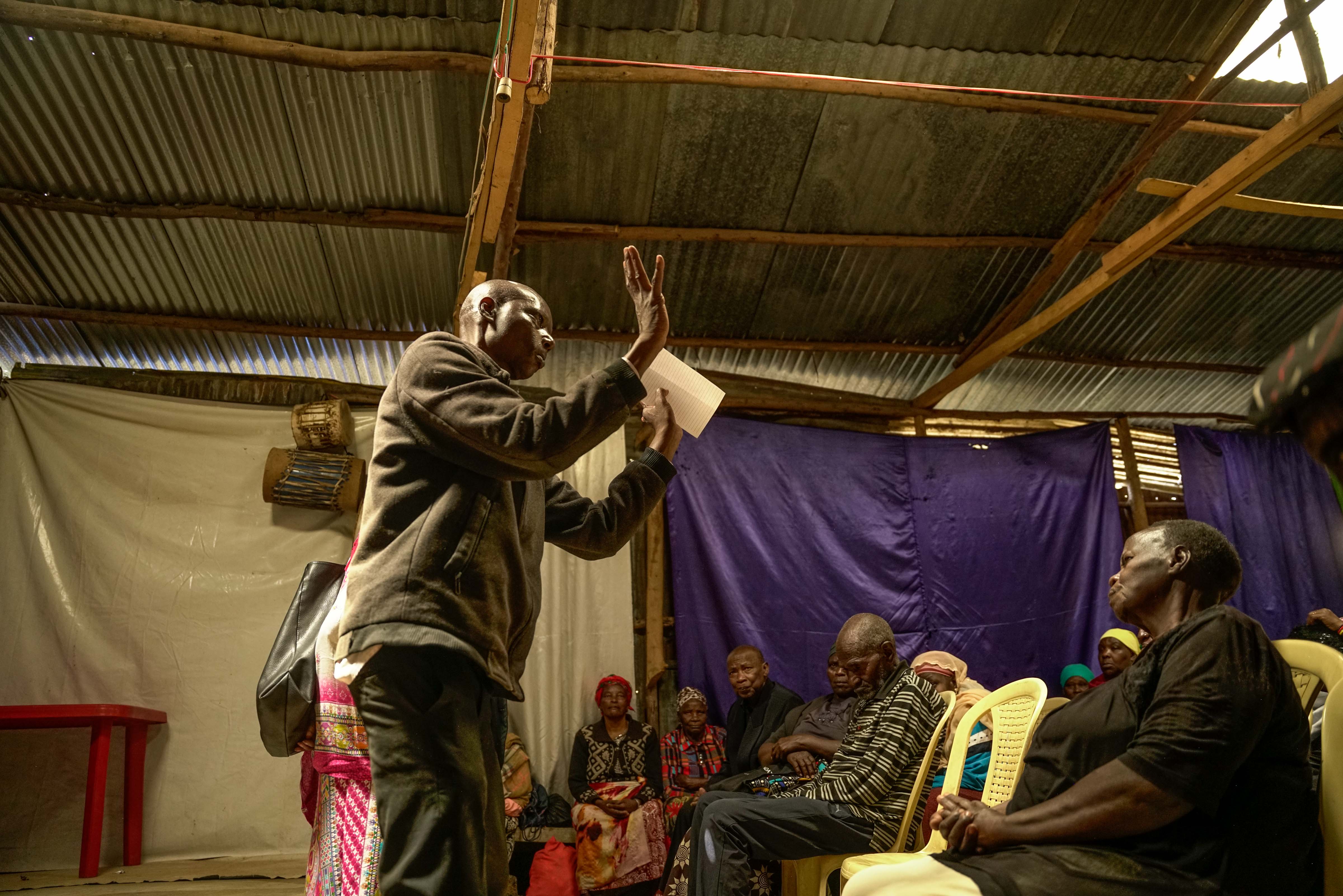
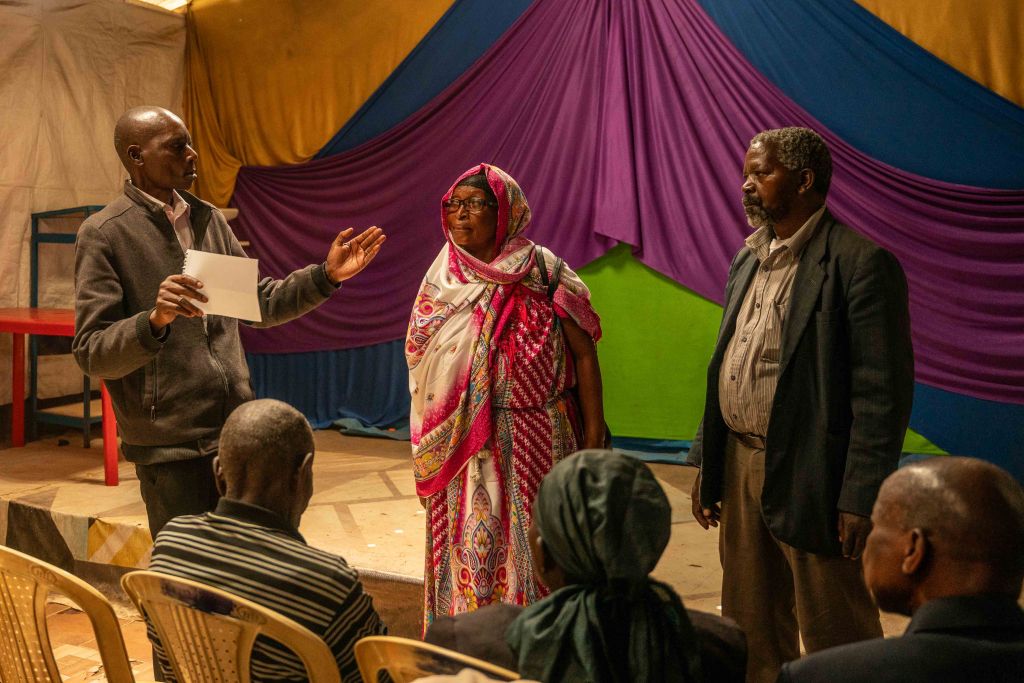
Dedan leads a class at kibera day care center for the Elderly. 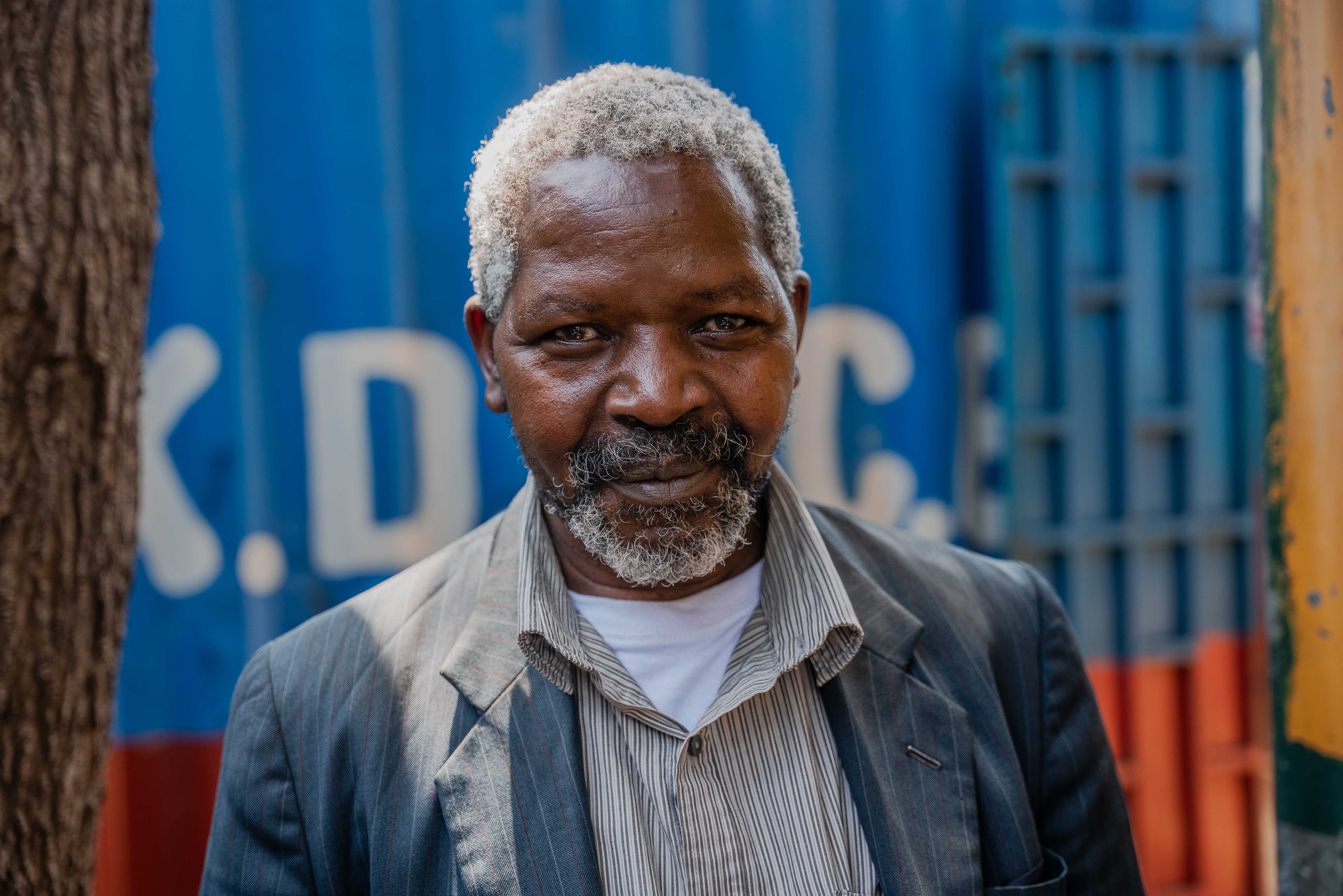
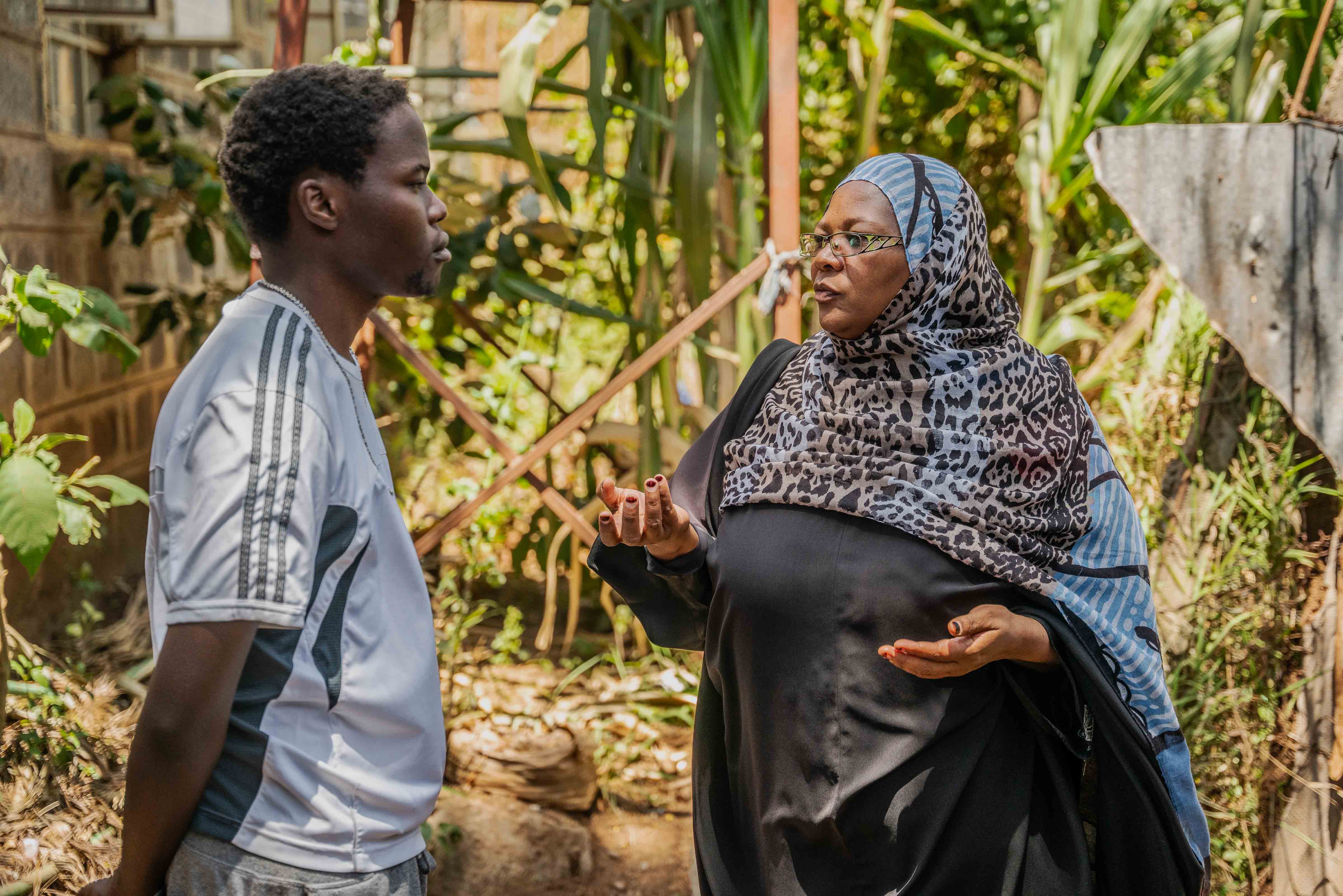
Interraction between Yasmin, CEO of kibera Day Care Center for the Elderly with Jidi. One of the youth volunteer at the center. 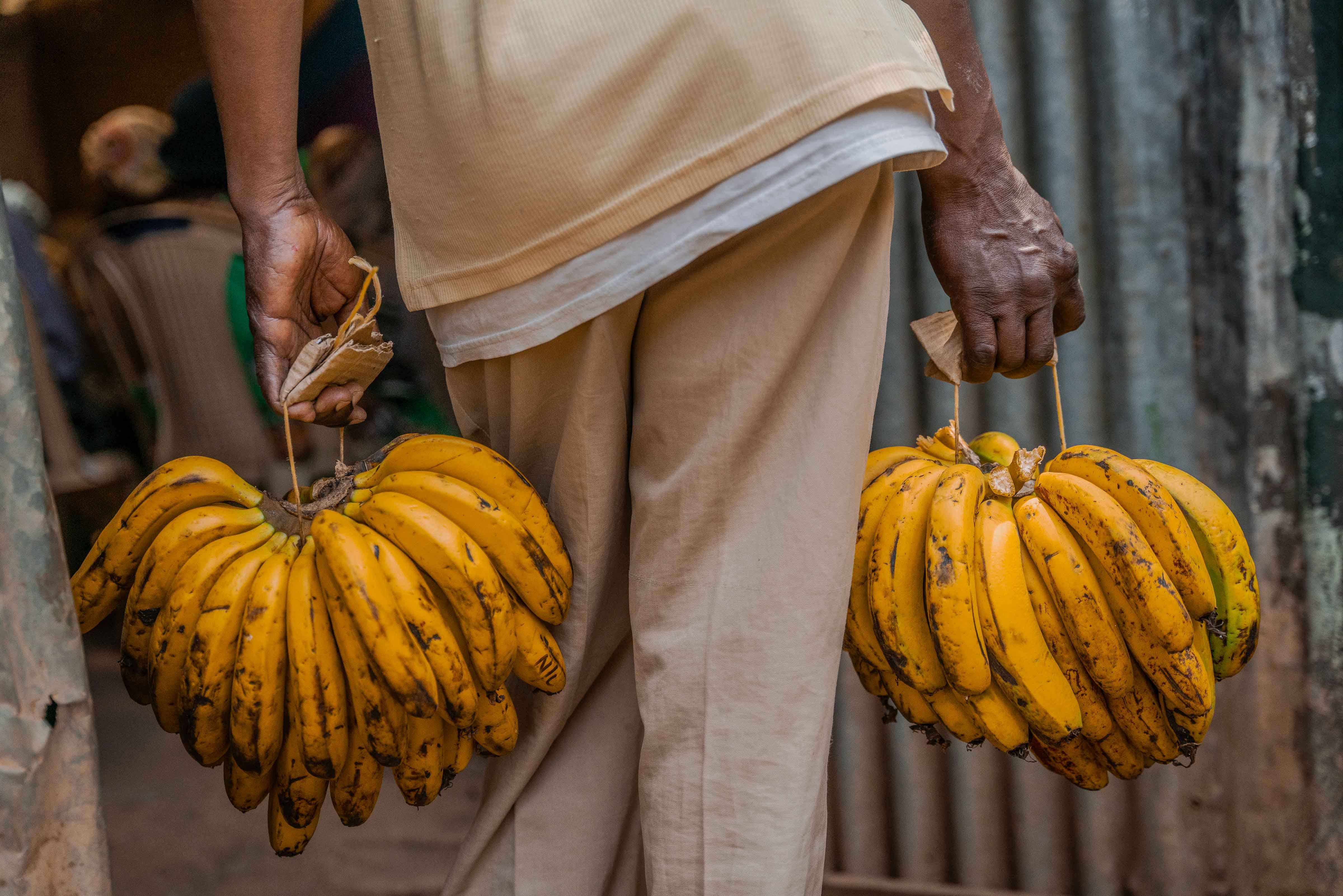
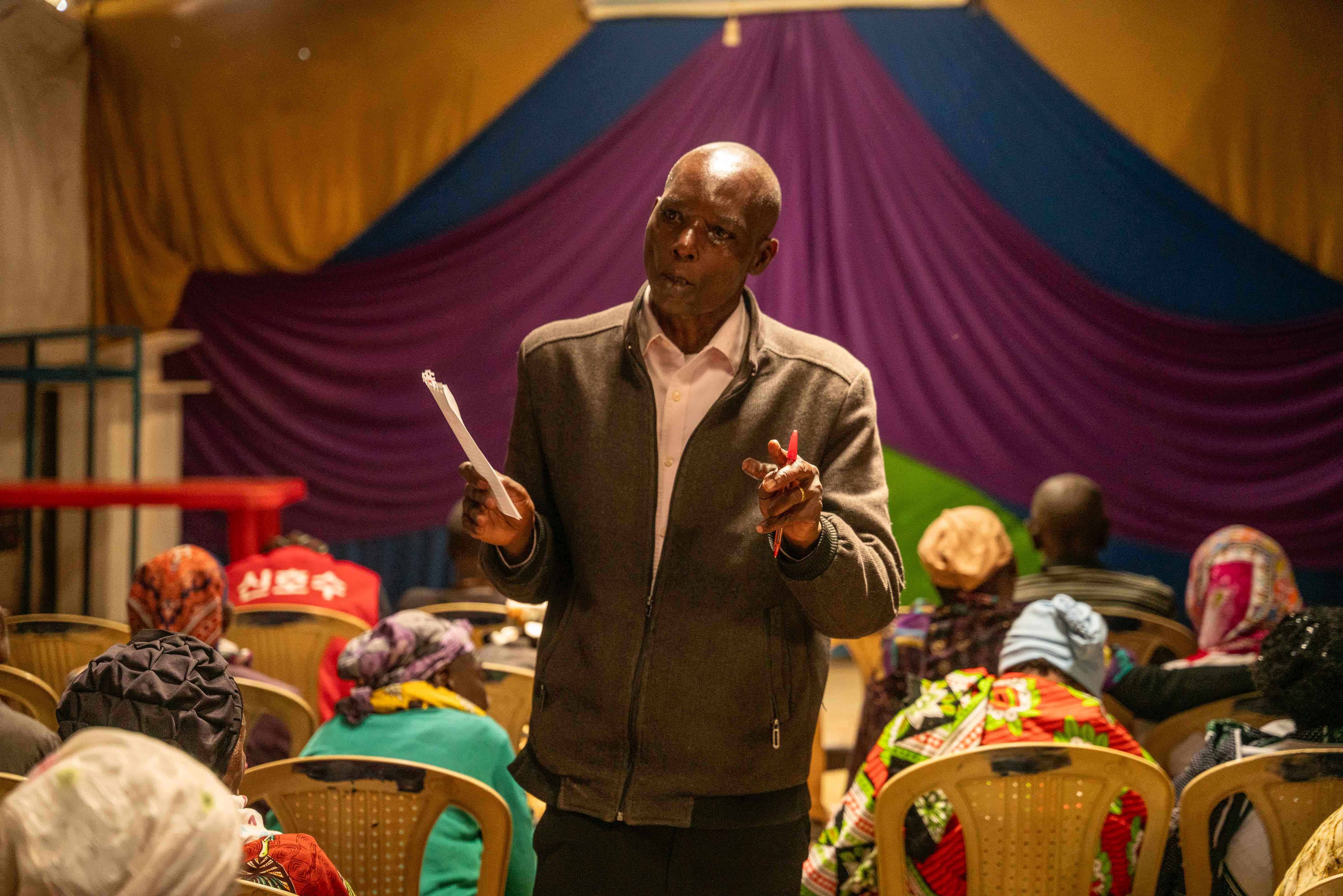
Dedan leads a class at kibera day care center for the Elderly. 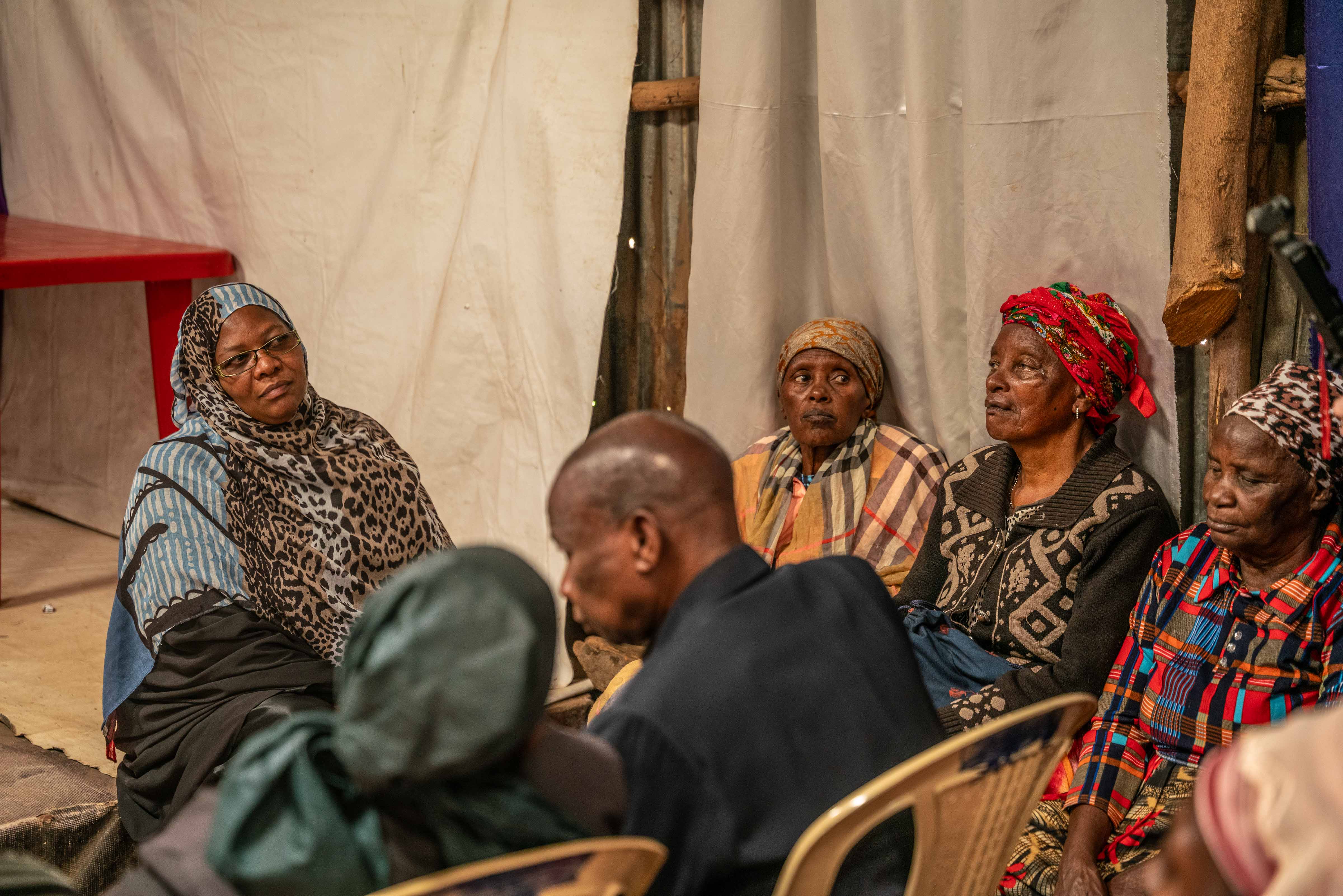
Yasmin, The CEO of kibera Day Care Center for the elderly sitting with other older persons. 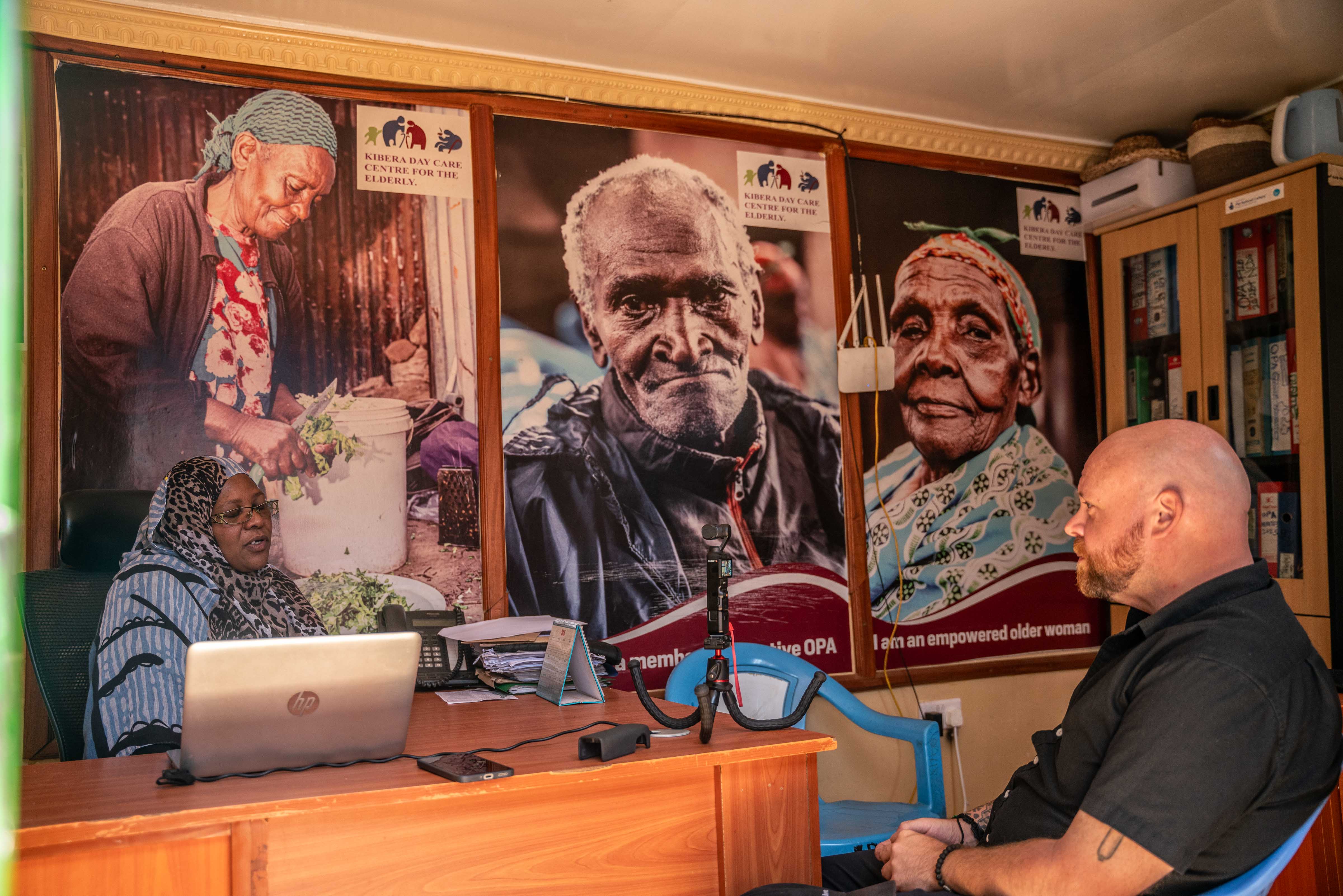
Documentation of lived realities at kibera day care center for the Elderly between Jody and the CEO. 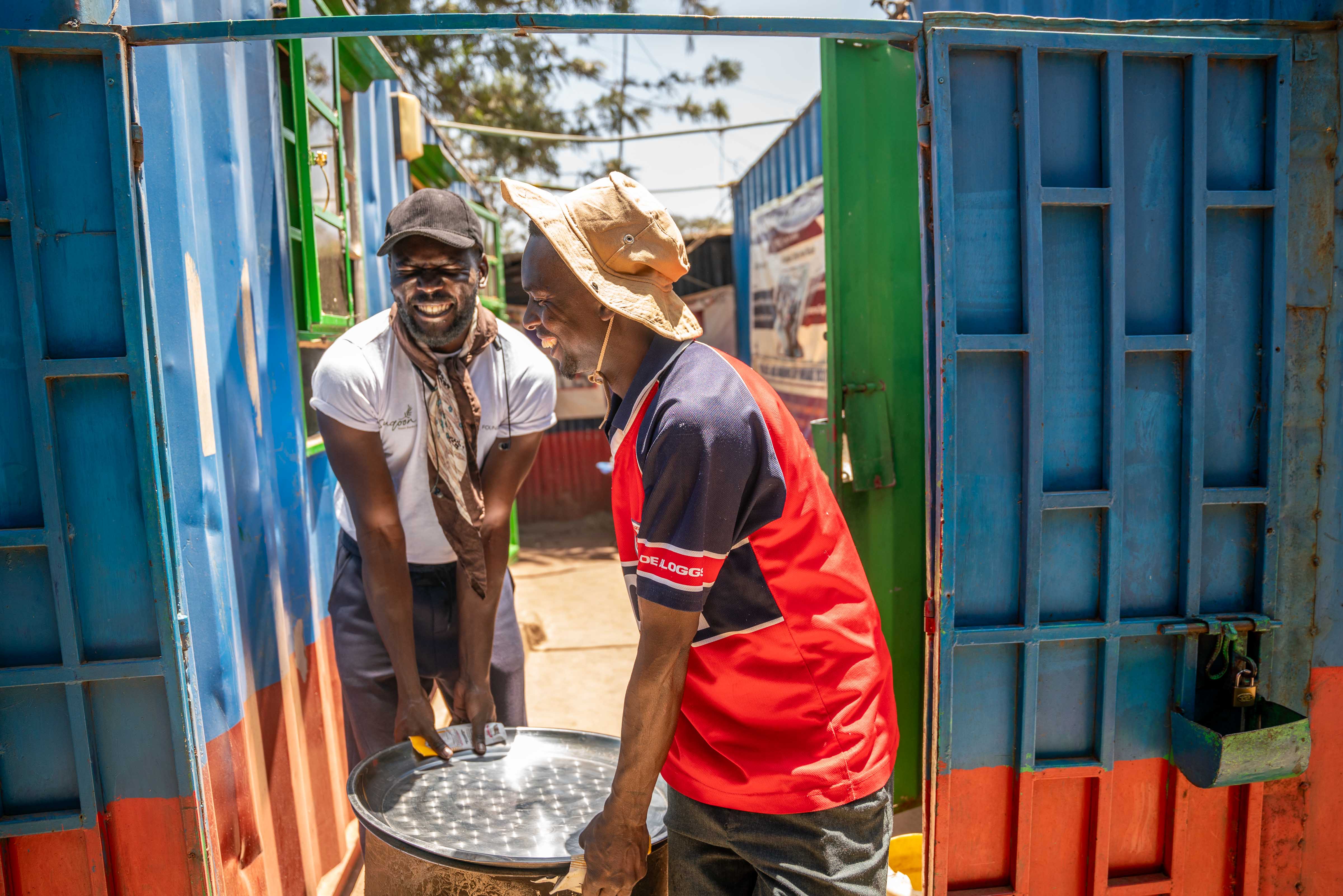
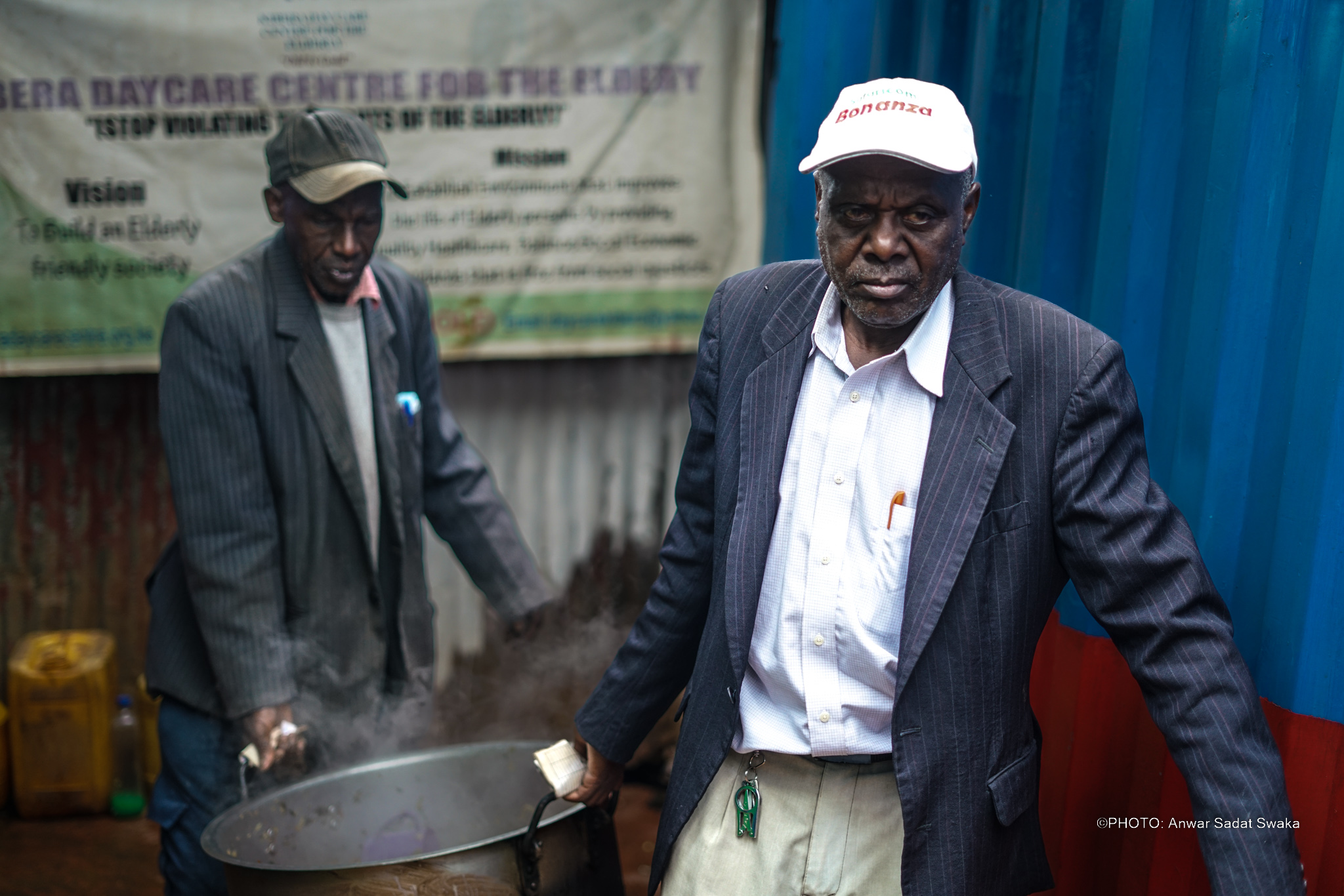
Gavin and Salim carry atfernoon lunch to the hall where older persons gather. 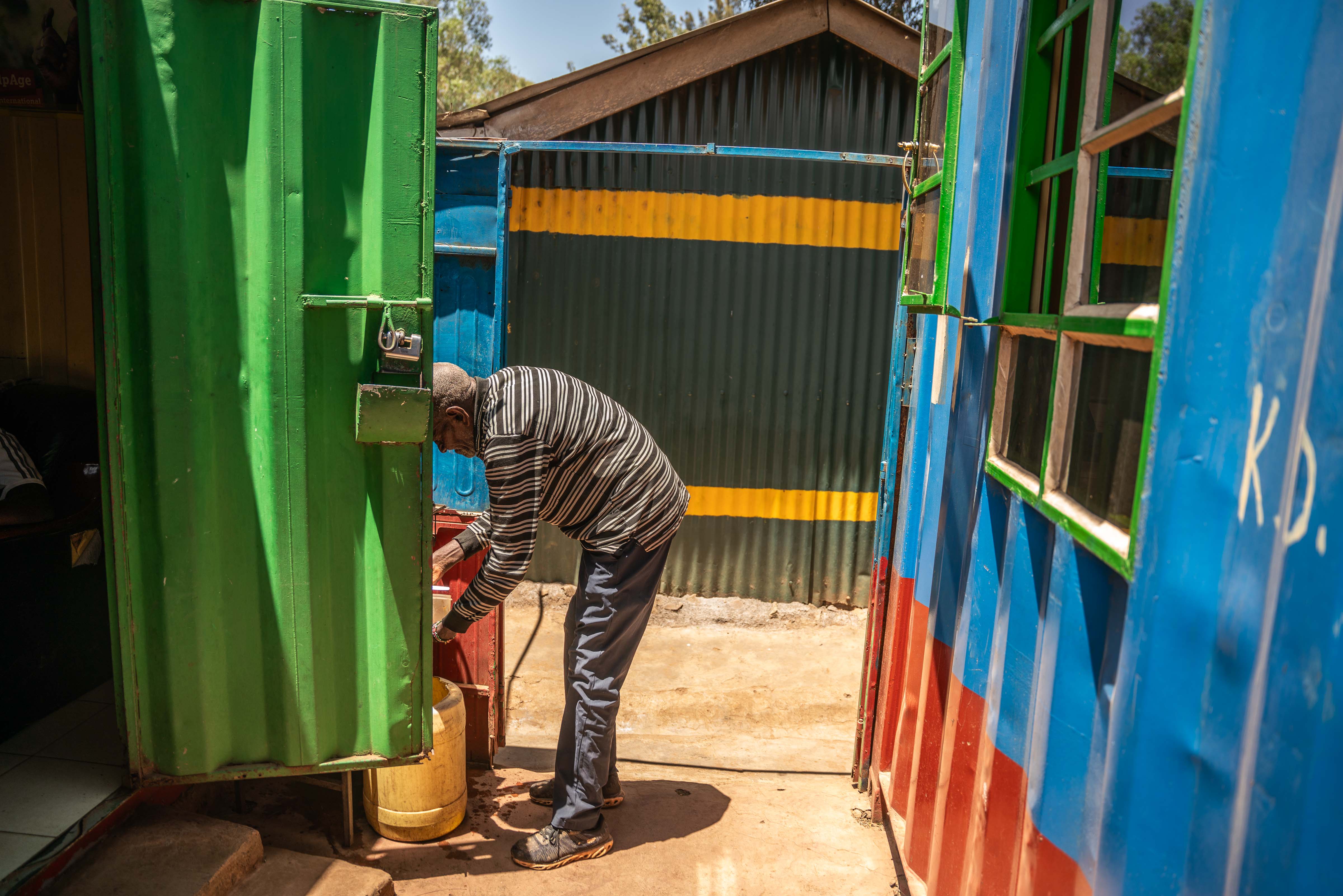
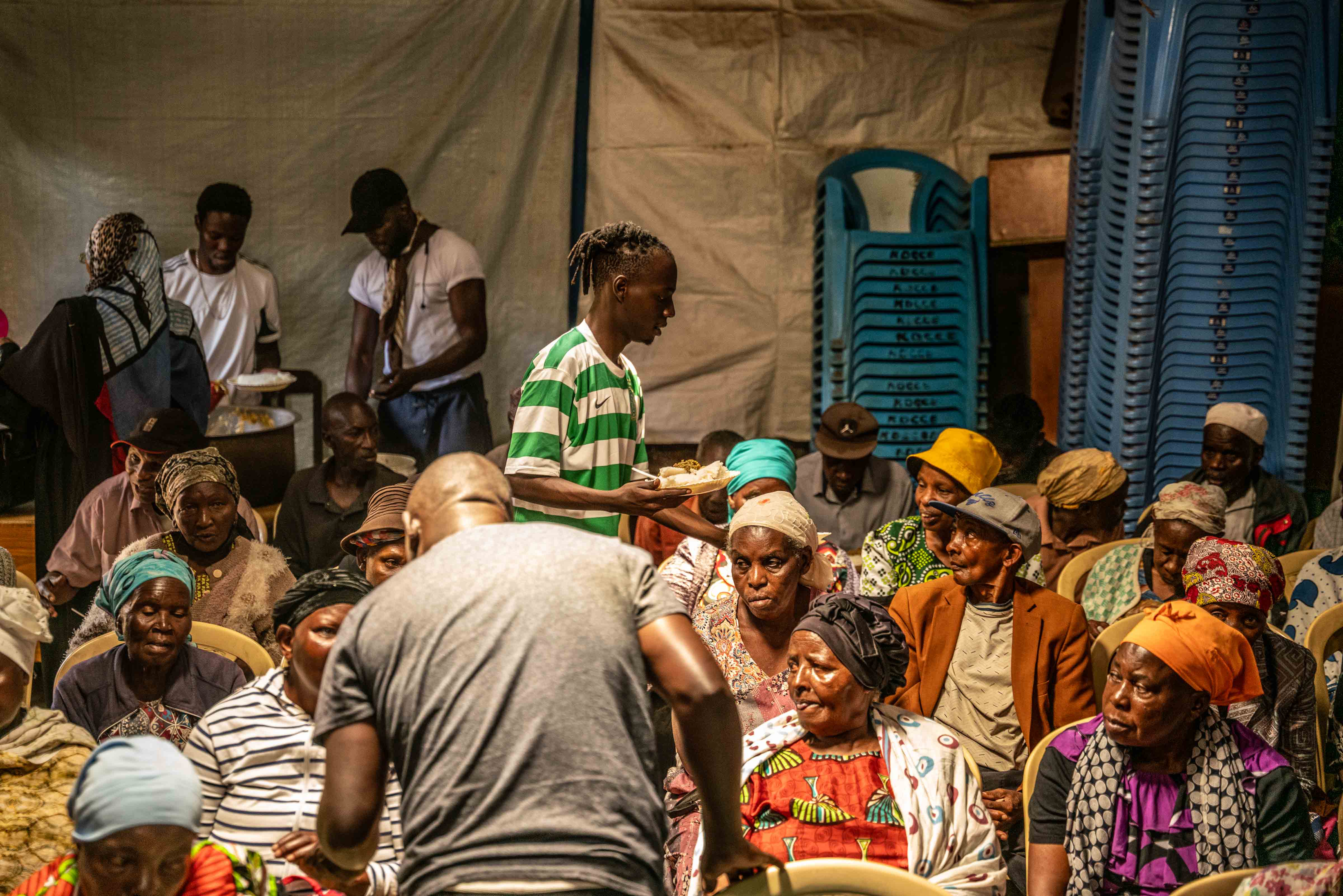
Volunteers help in serving meals at kibera Day care center for the elderly. 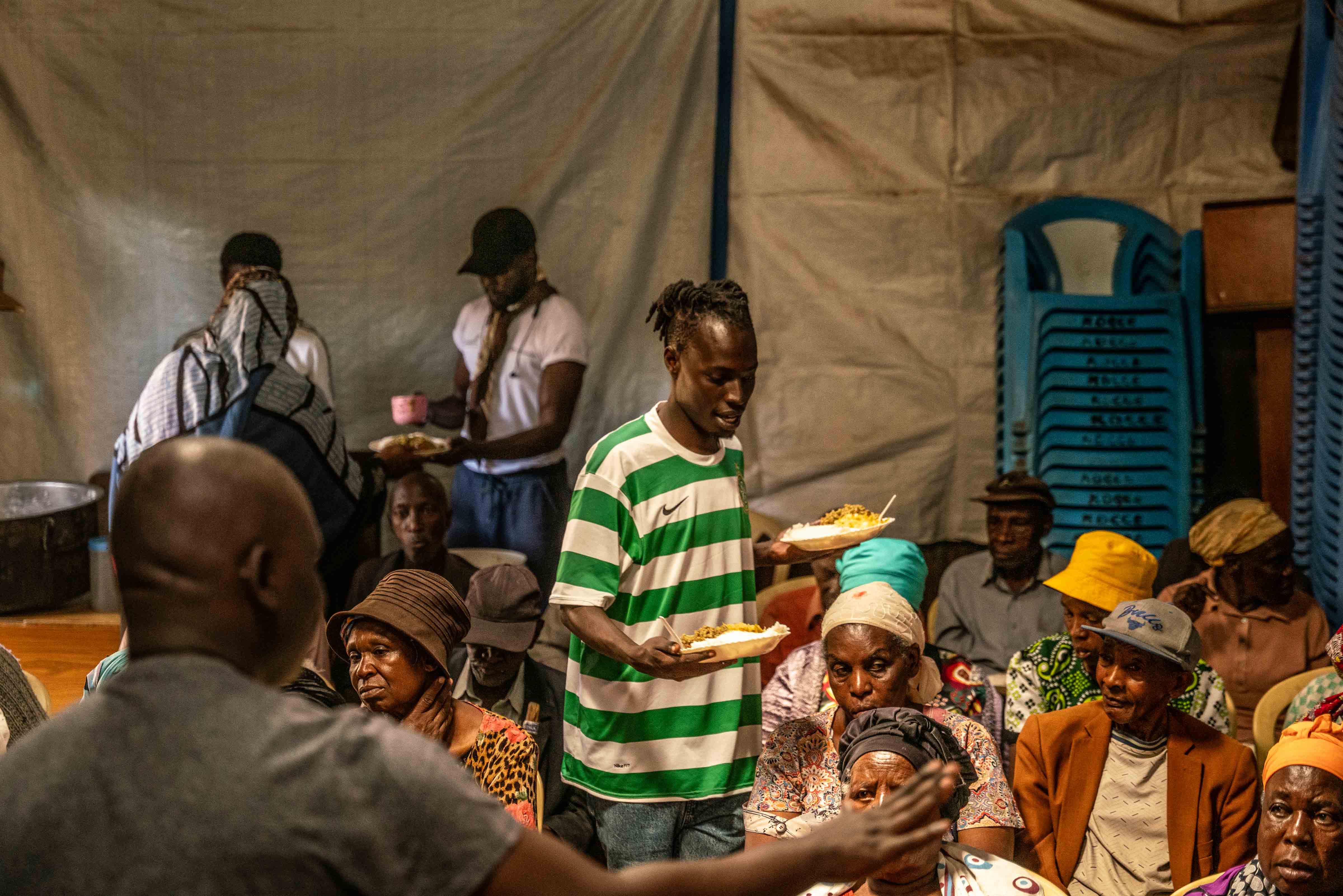
Volunteers help in serving meals at kibera Day care center for the elderly. 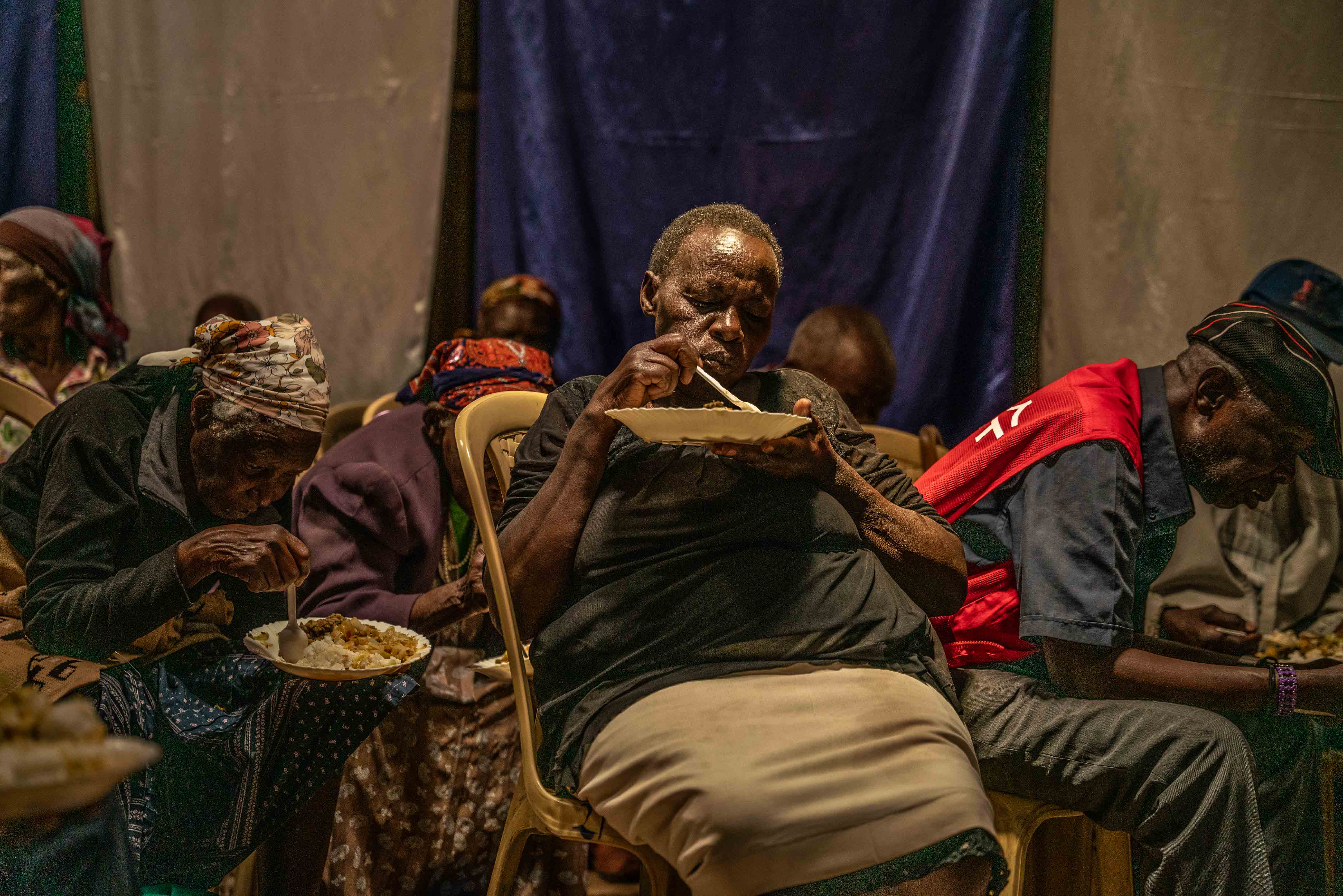
older persons enjoy a shared meal
Central Research Question
How are older persons shaping their community while navigating aging, health care, memory, food security, housing, and community care in an urban resourse scares community.
Project Objectives
We are :
Creating a visual archive that contributes to public conversations on aging, urban inequality, and social justice
Documenting the everyday lives of older persons living in Kibera.
Exploring aging as both a personal and collective experience within an informal settlement.
Examining how health, food security, housing, and mobility influence later life.
Highlight community-led systems of care and mutual support.
Challenge stereotypes that portray older persons only as dependents
Create a visual archive that contributes to public conversations on aging, urban inequality, and social justice.
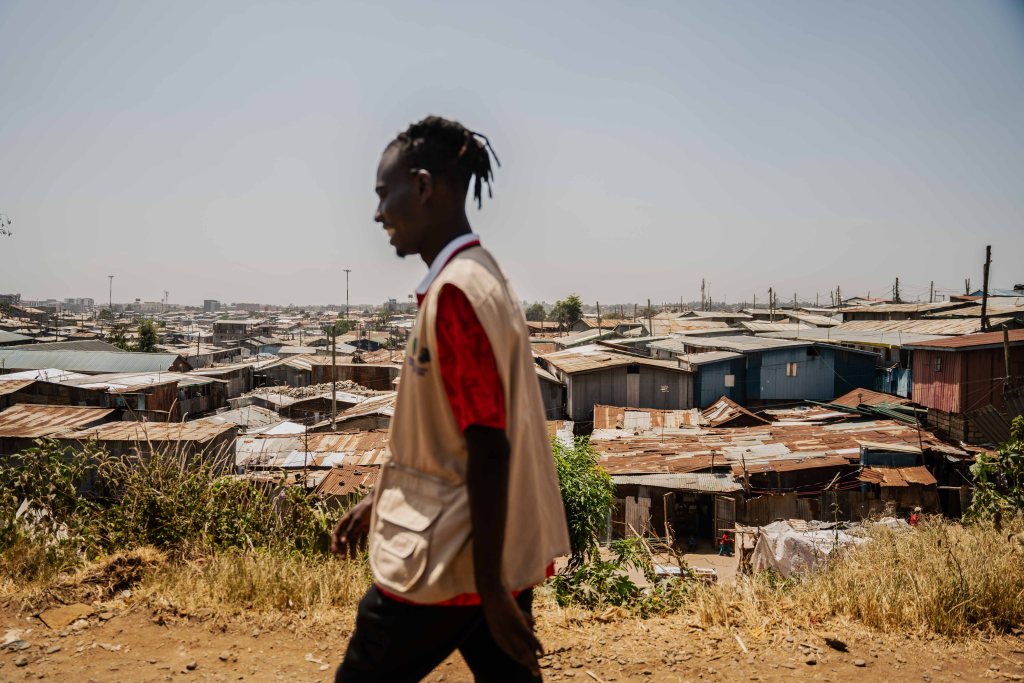
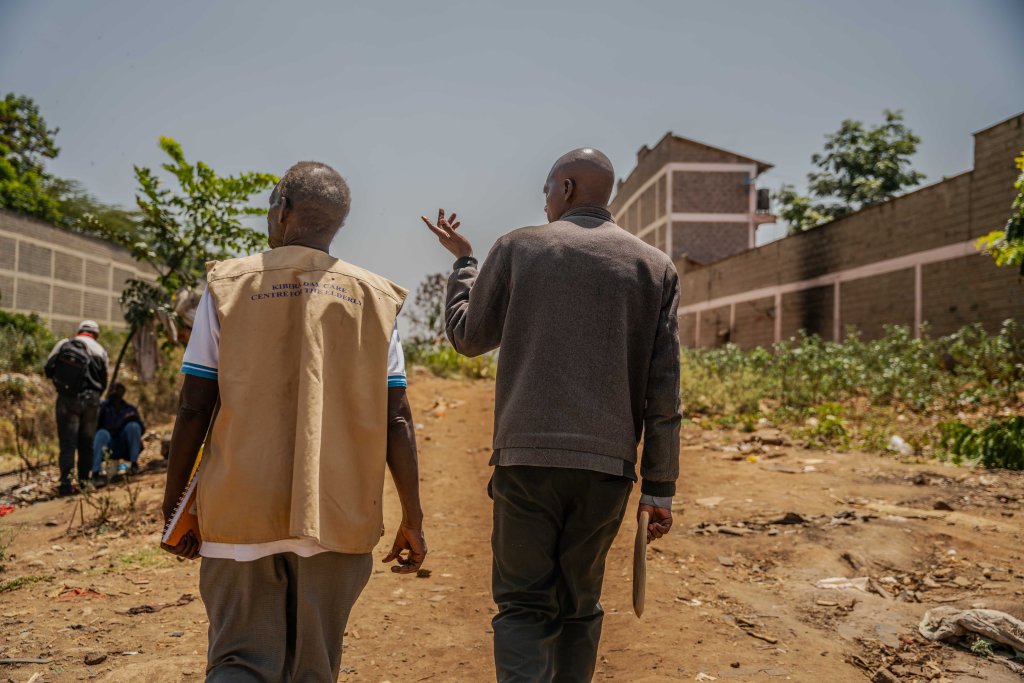
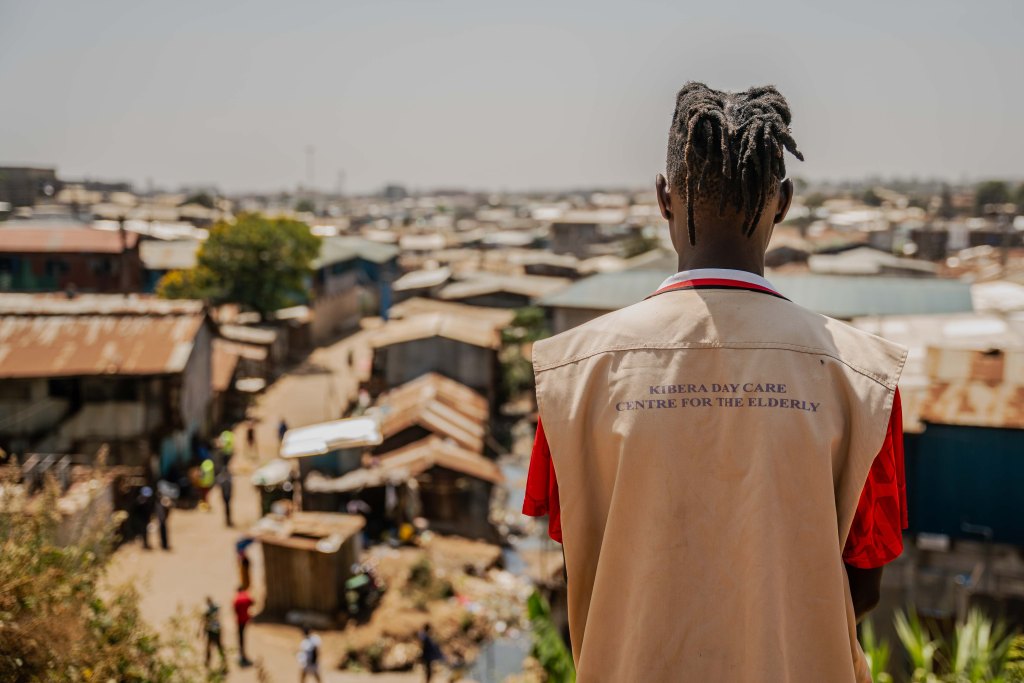
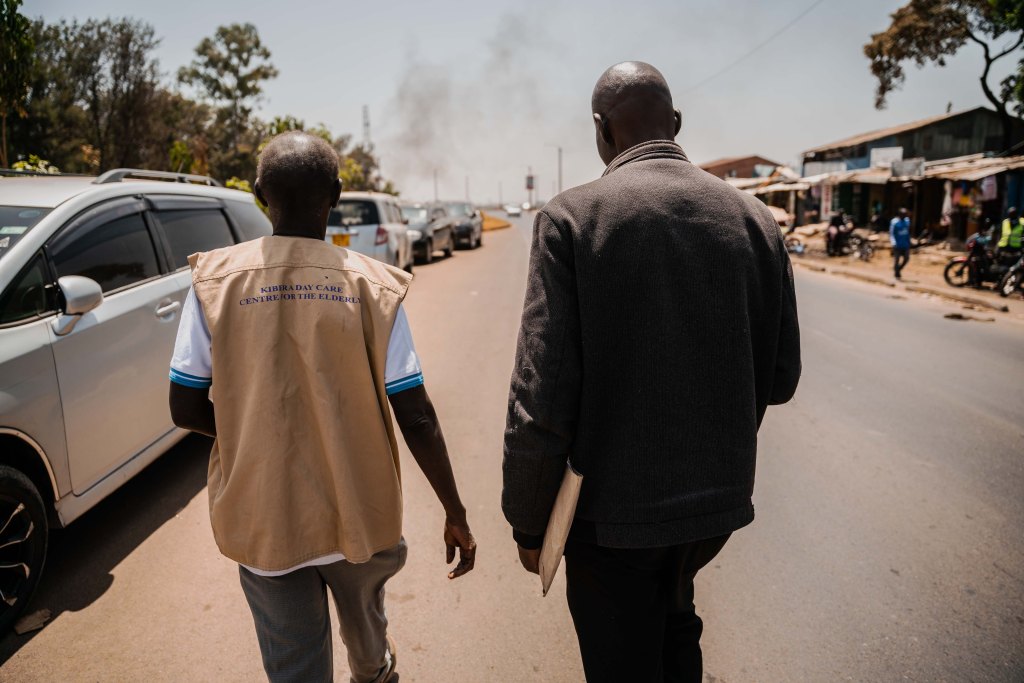
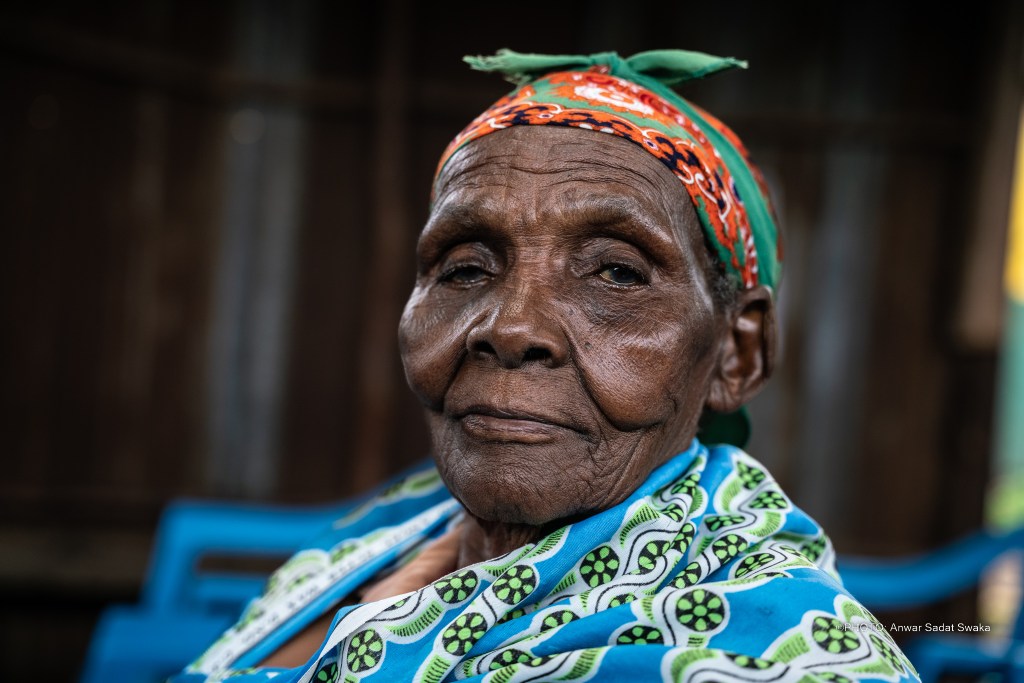


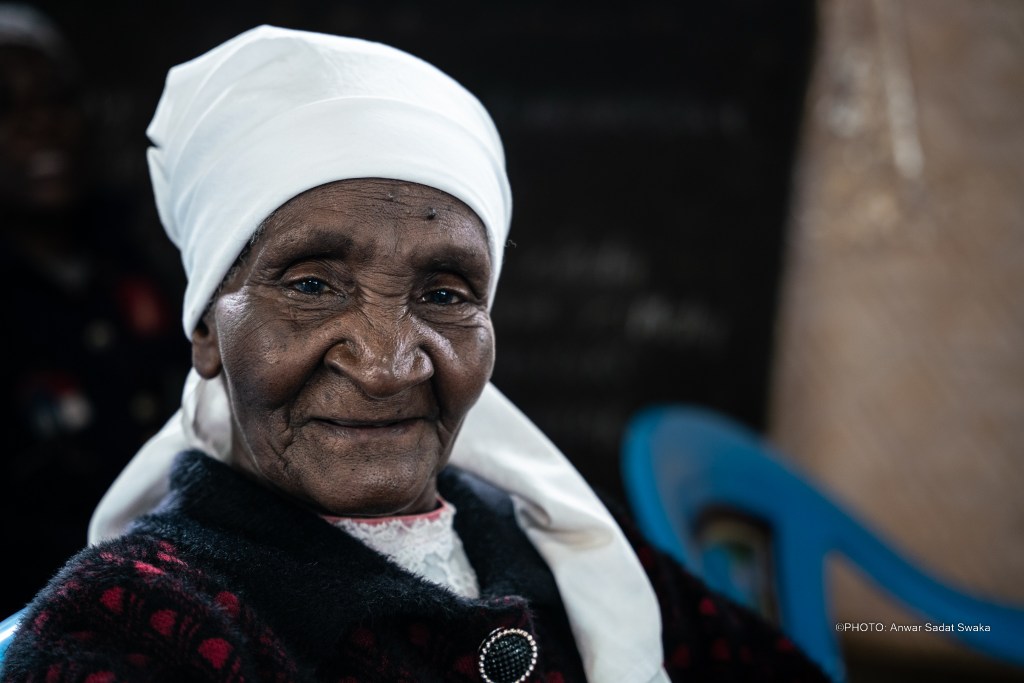
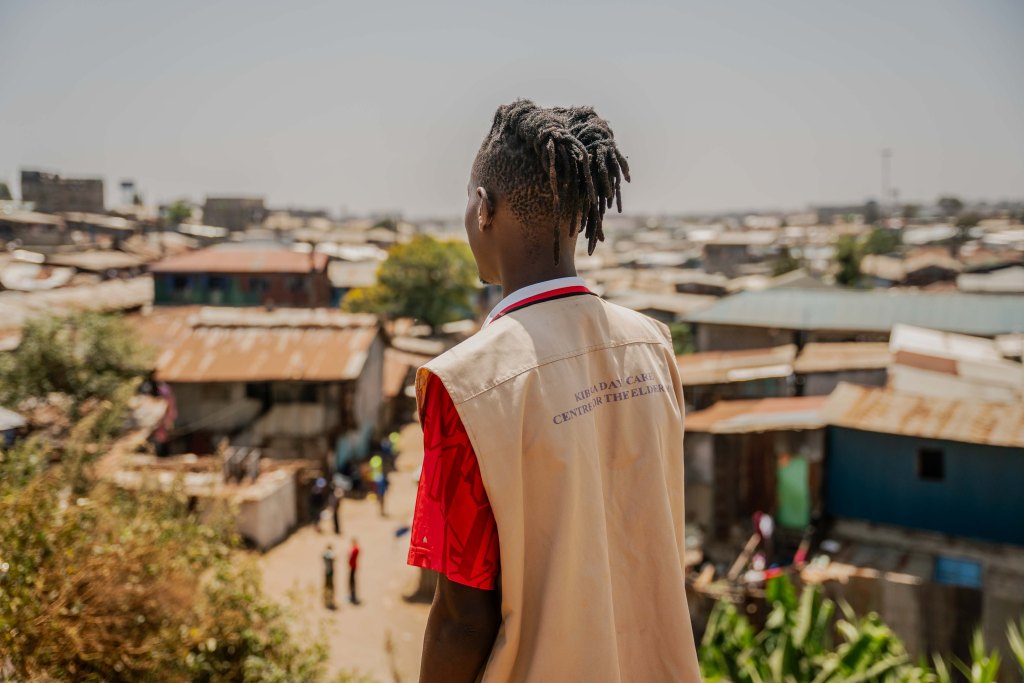
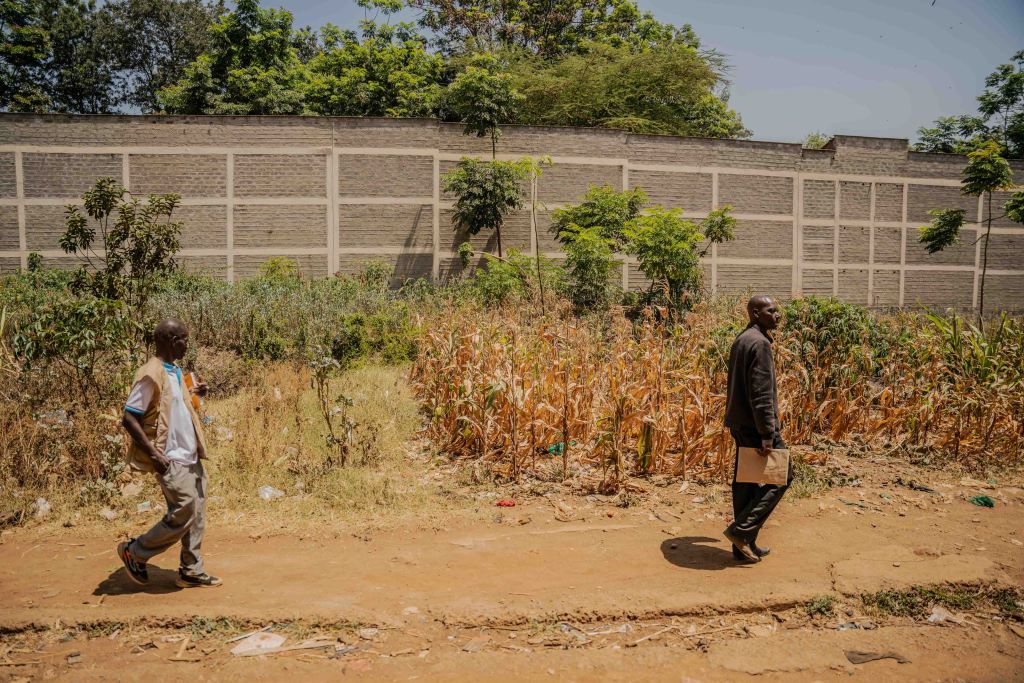
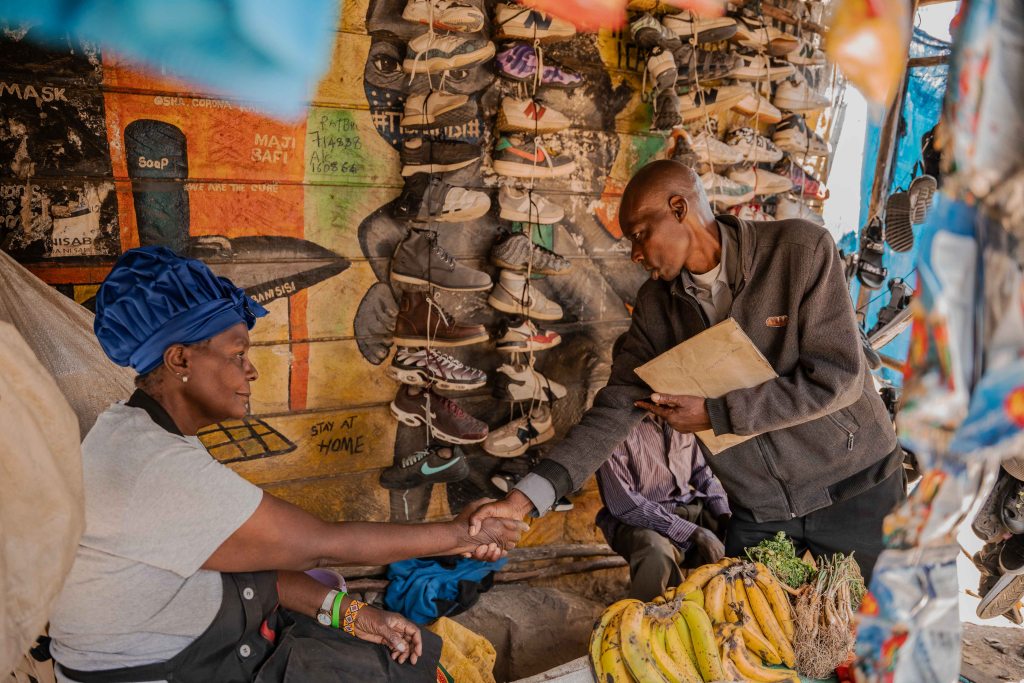
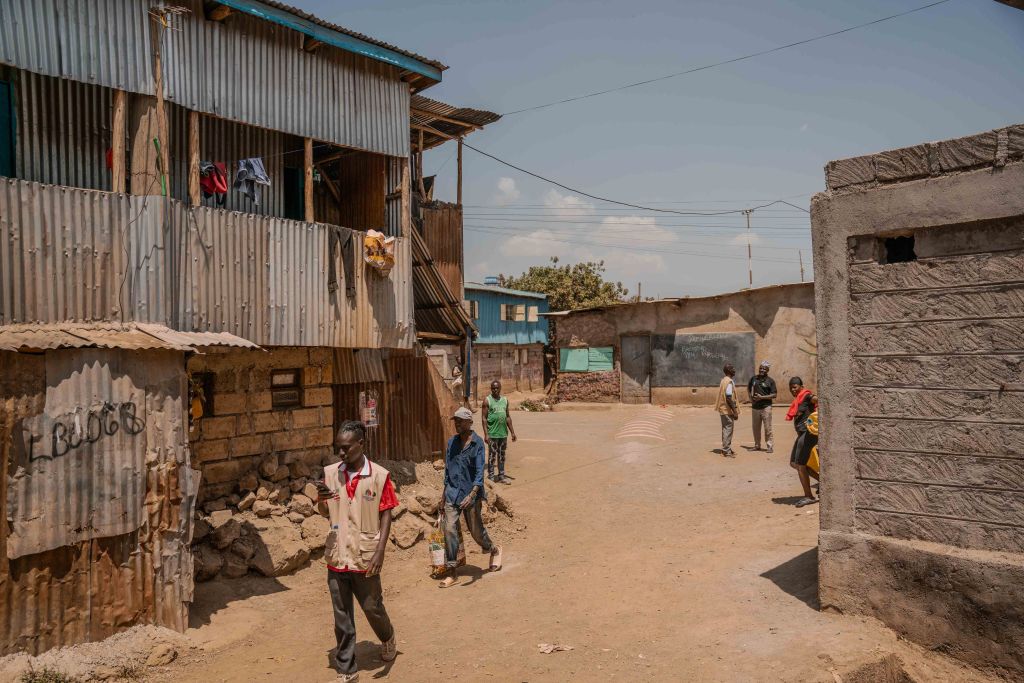
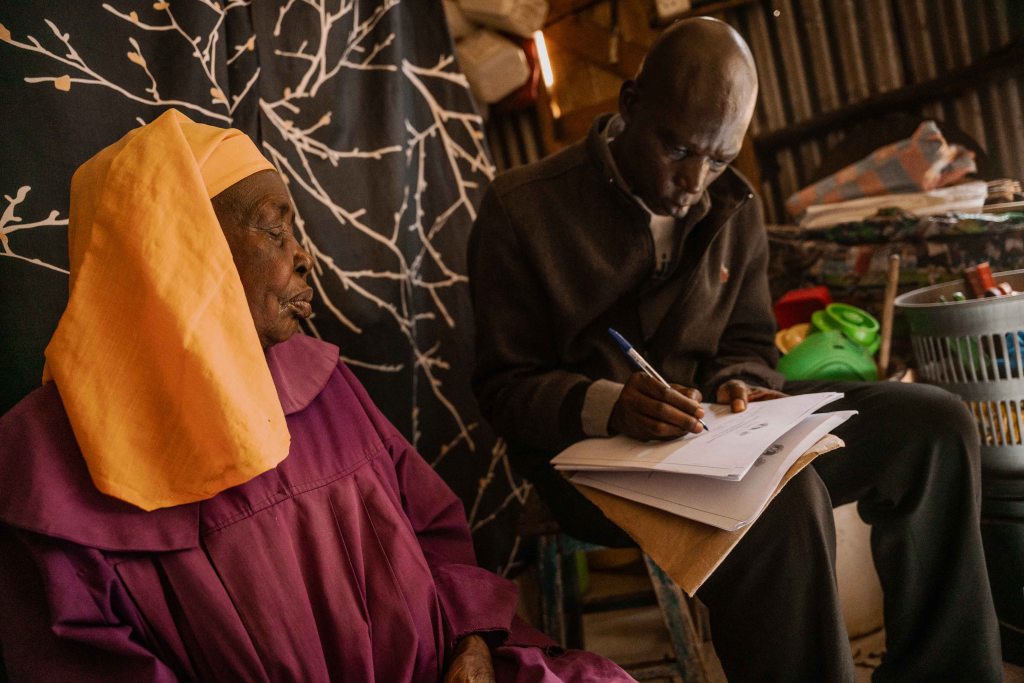
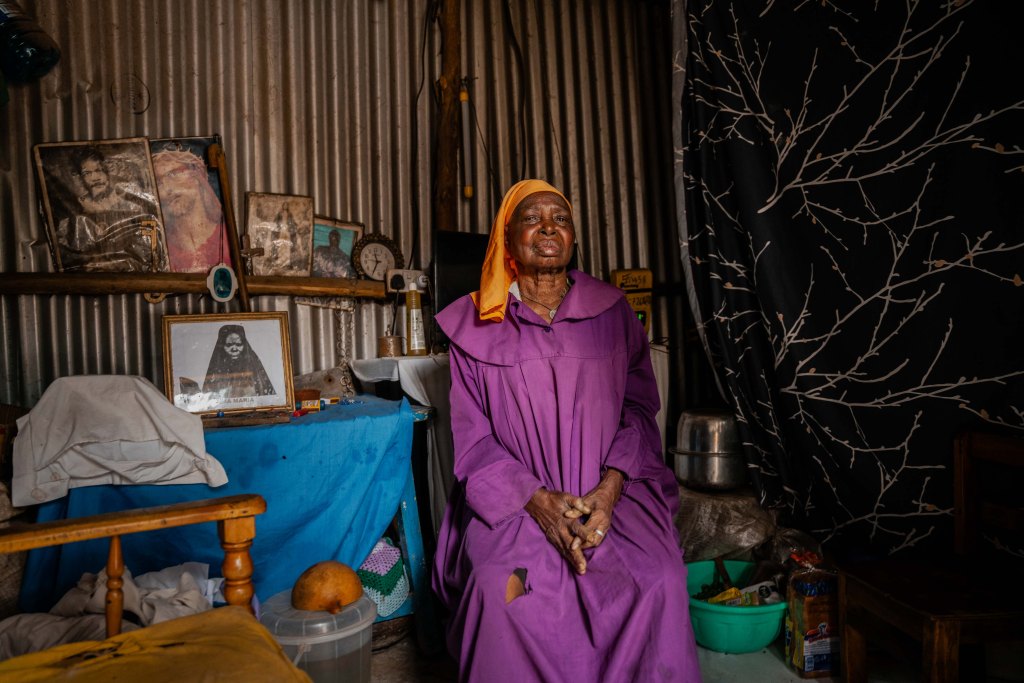
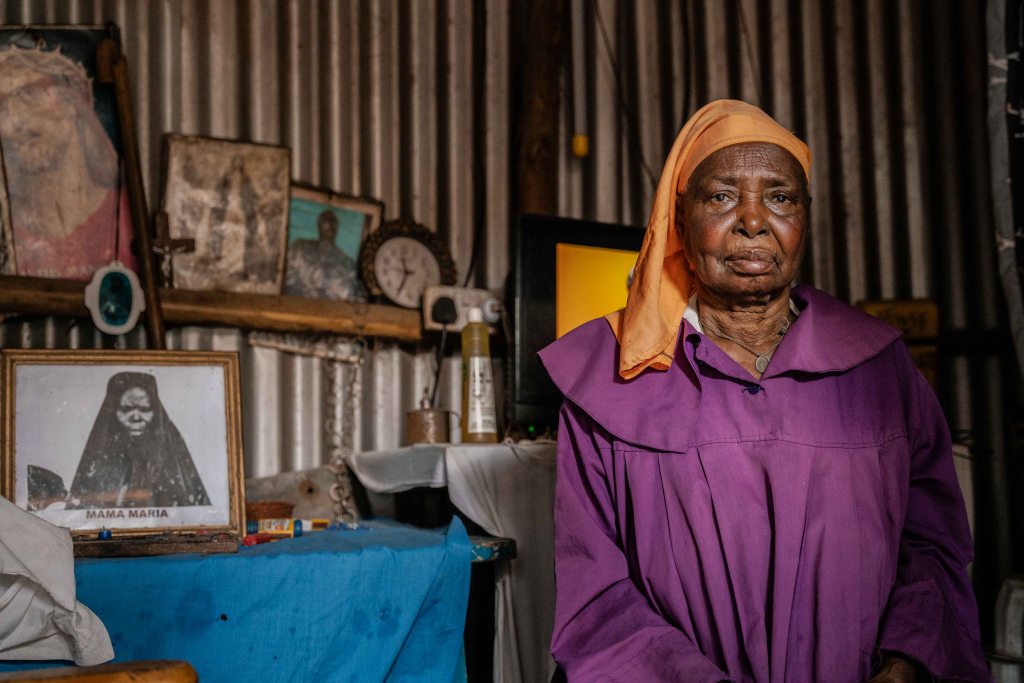
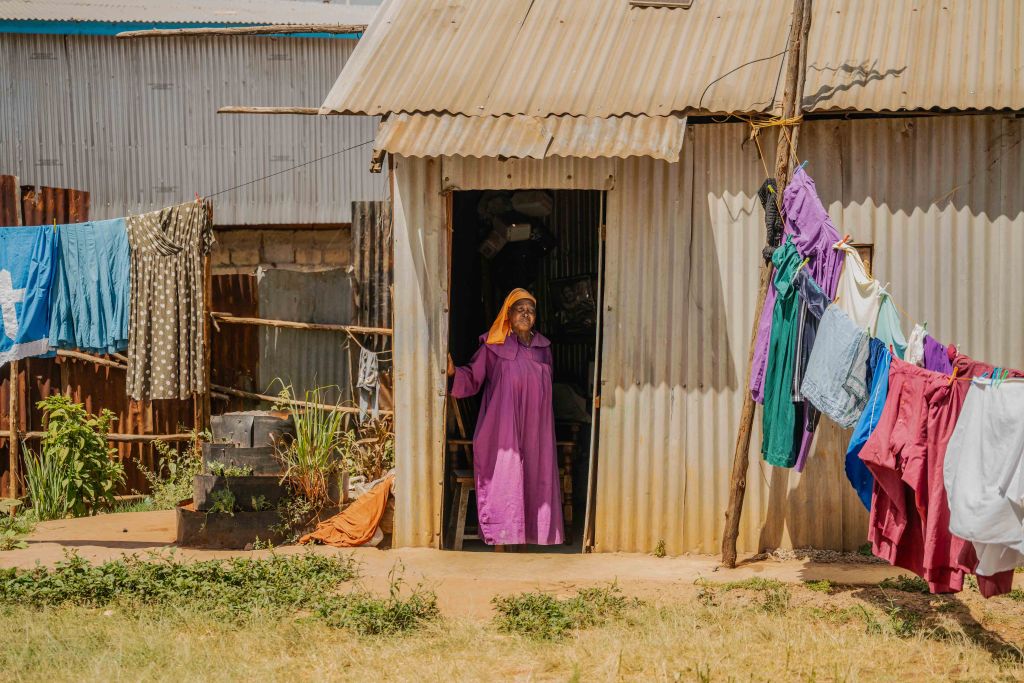
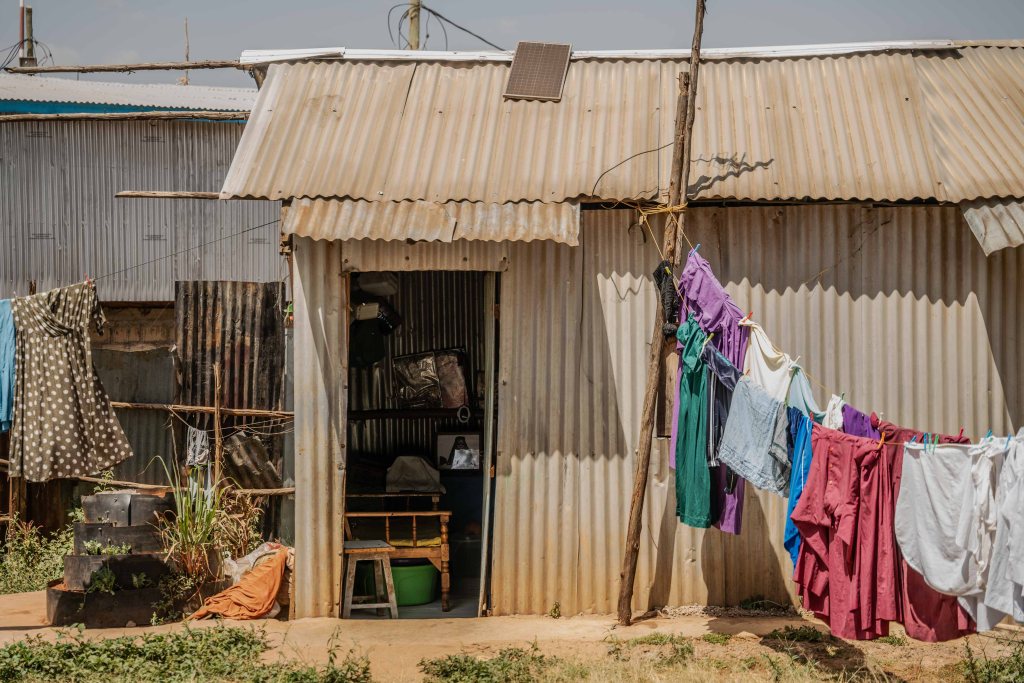
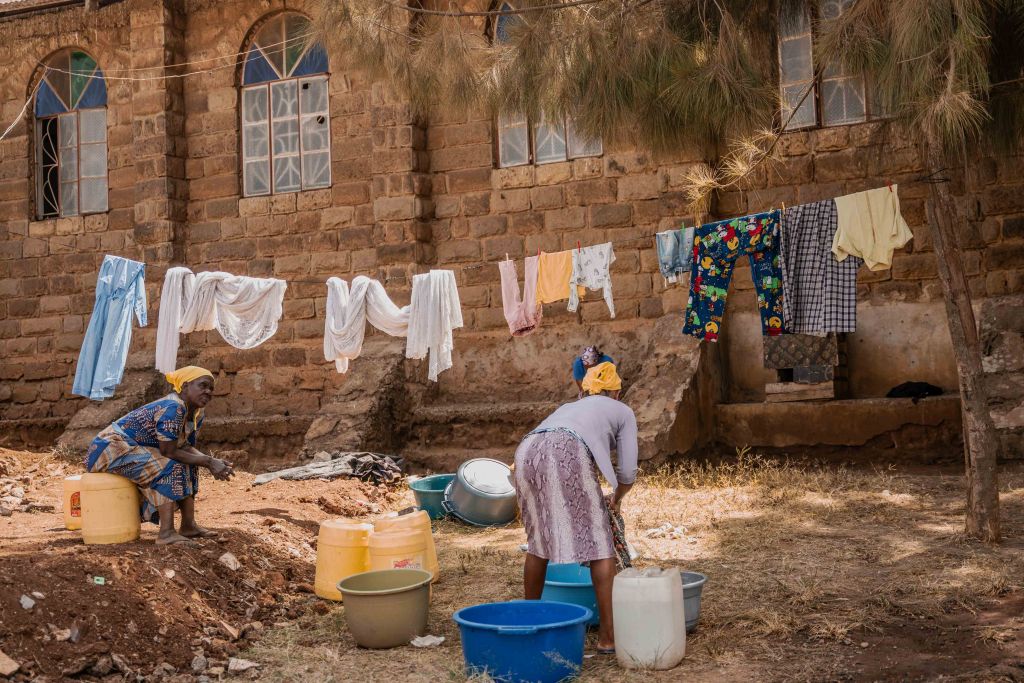
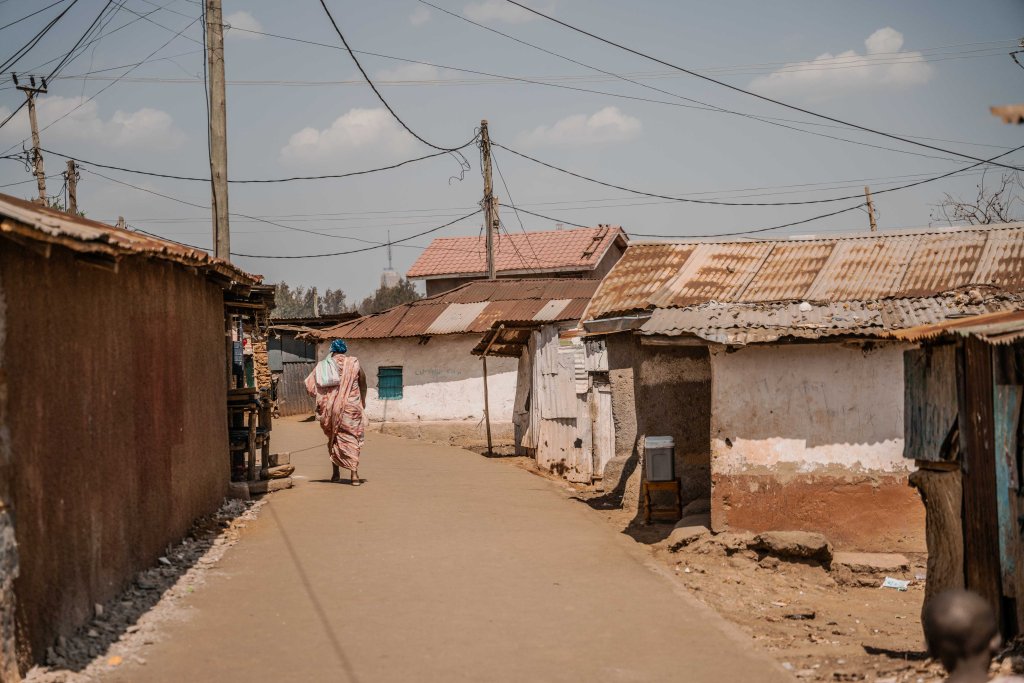
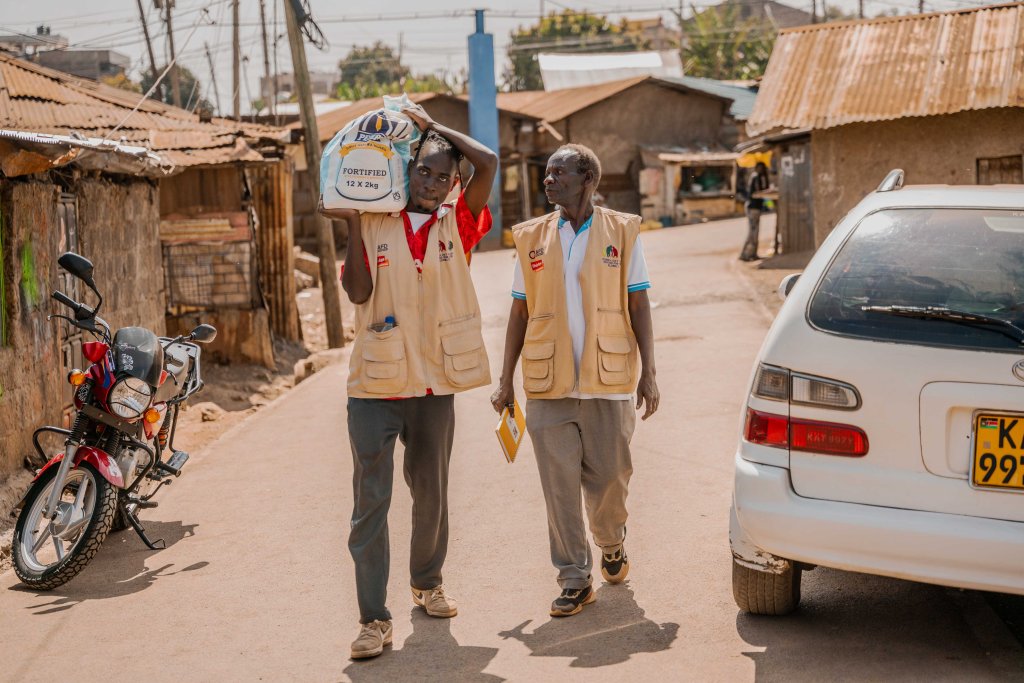
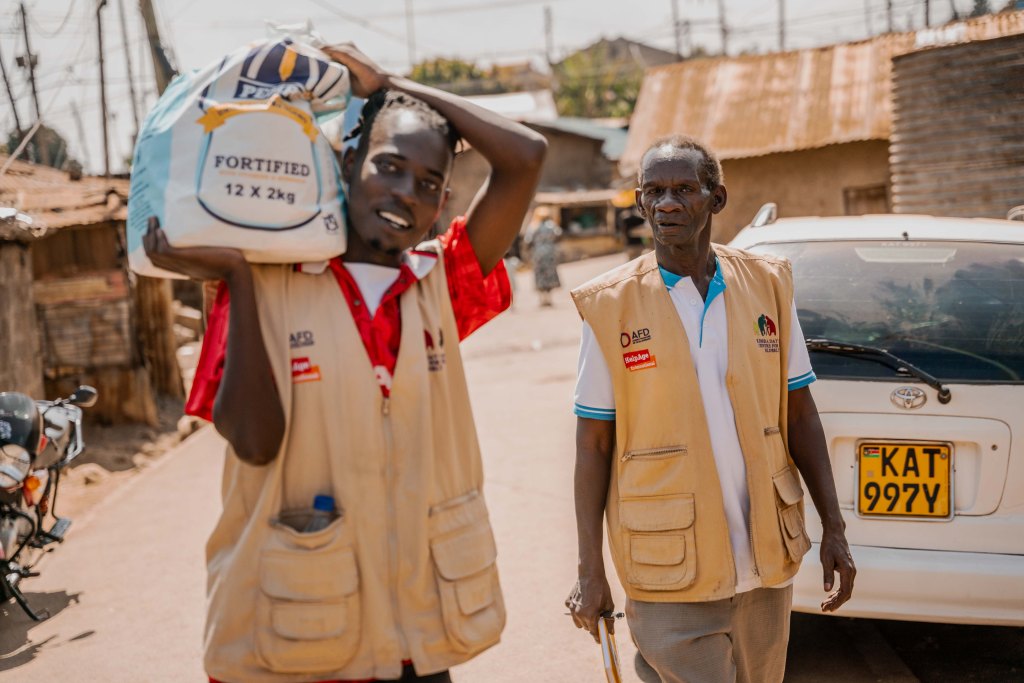
Around the world, populations are growing older faster than societies are preparing for. Yet the conversation on aging is often shaped by fear. Fear of dependency, fear of social burden, fear of irrelevance. This fear-based narrative erases the lived wisdom, creativity, productivity, and cultural memory that older persons carry. It turns aging into a crisis, instead of a shared human journey.
Join me for the seven years leading up to 2030, among other photographers at 1in6by2030 around the world documenting Earth’s fastest growing population it has ever been.
Research Themes
Aging in an Informal Settlement
How does the urban environment shape the experience of growing older?
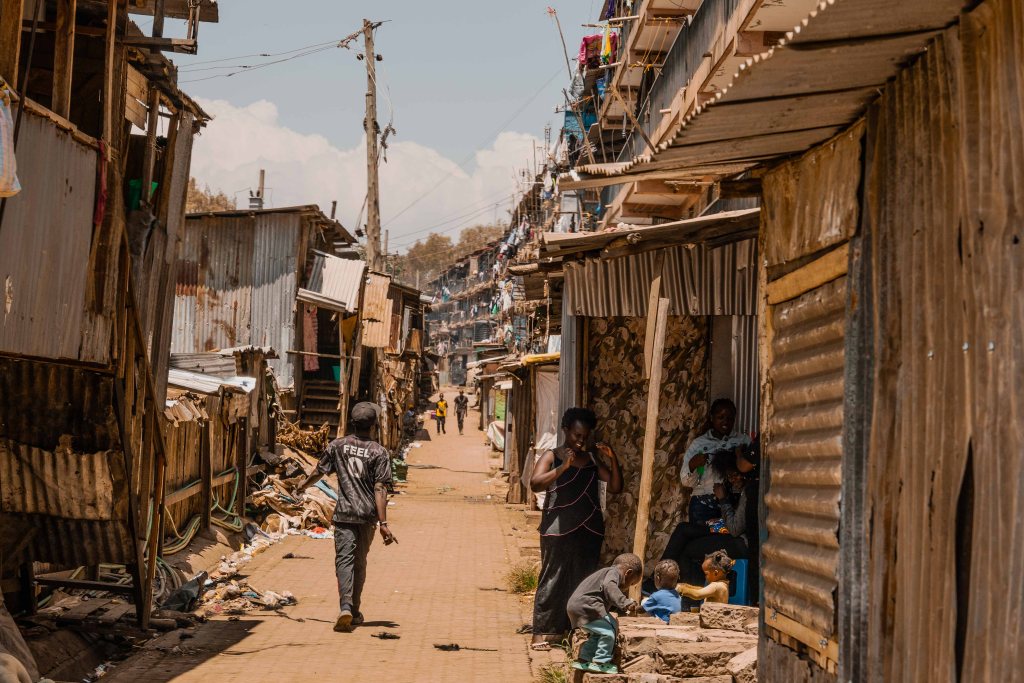
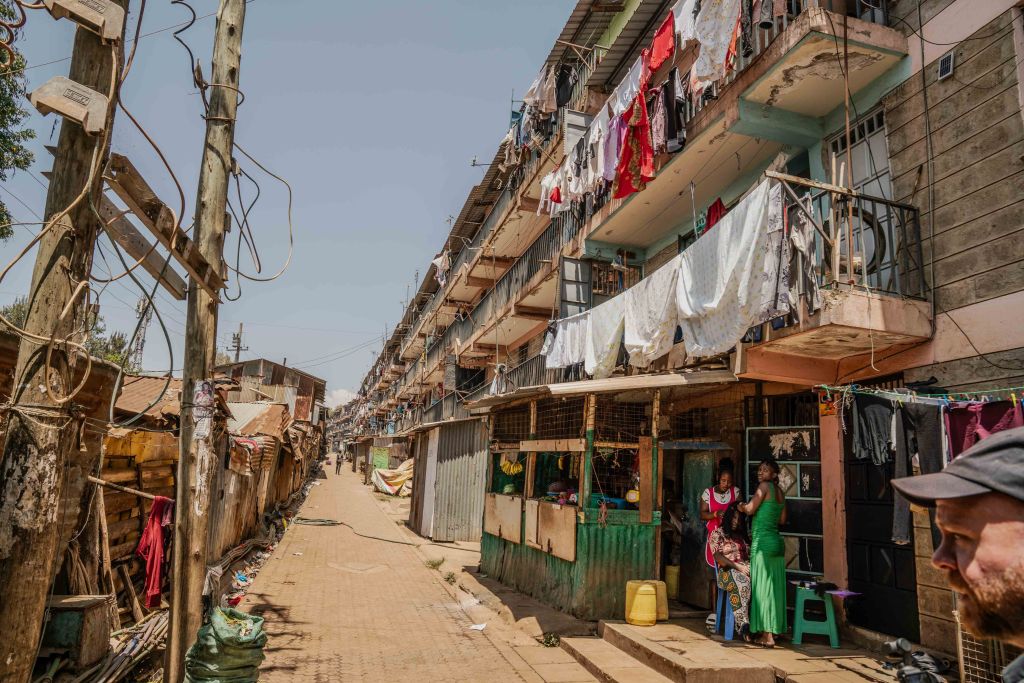
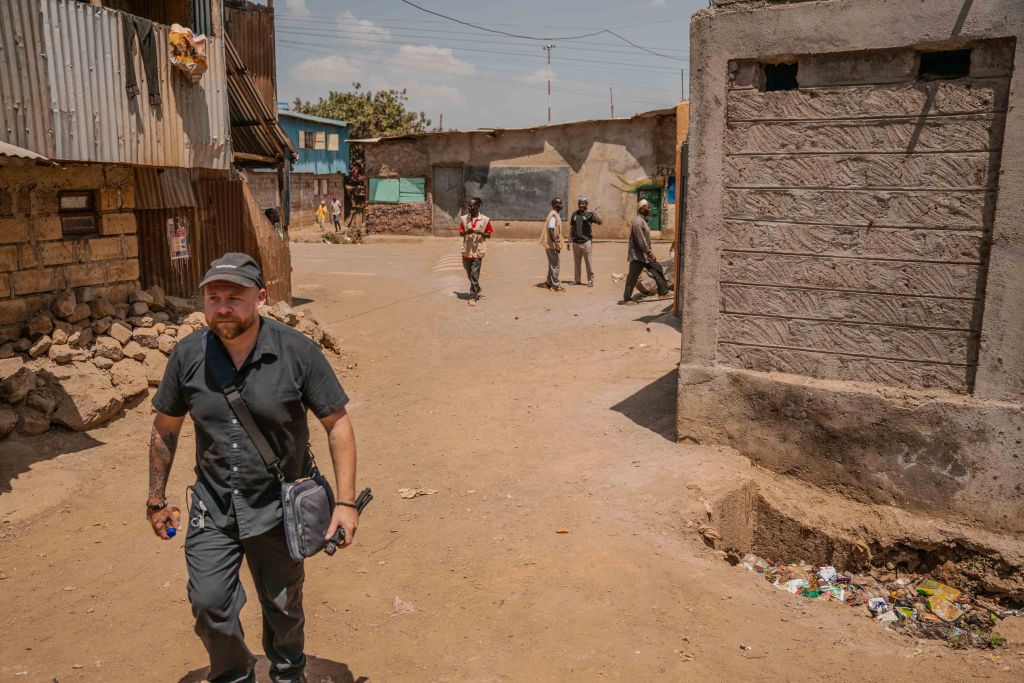
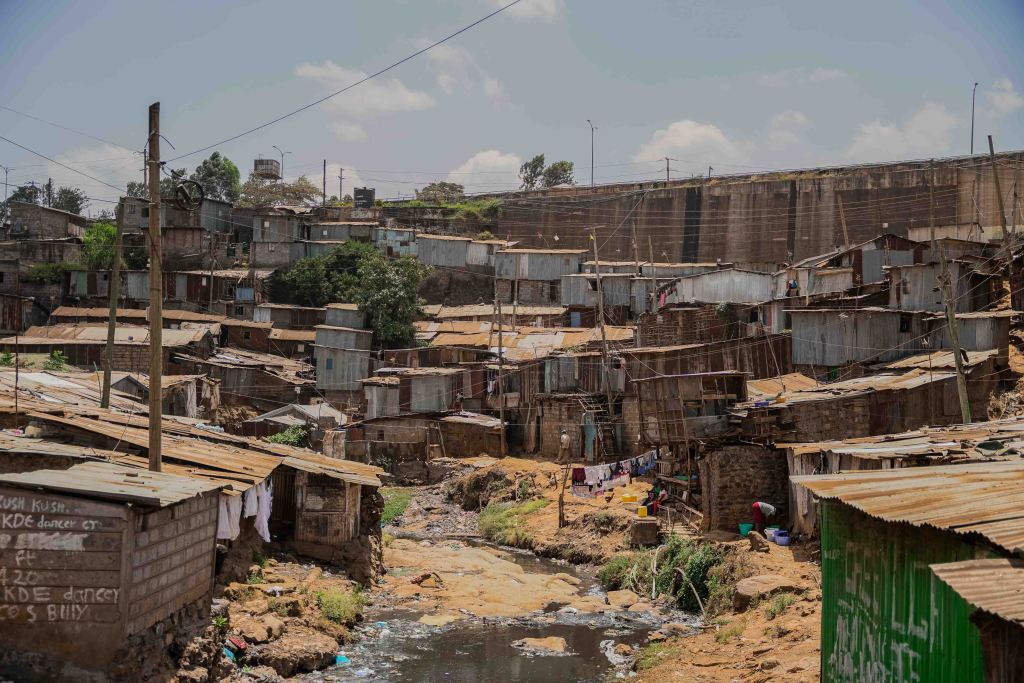
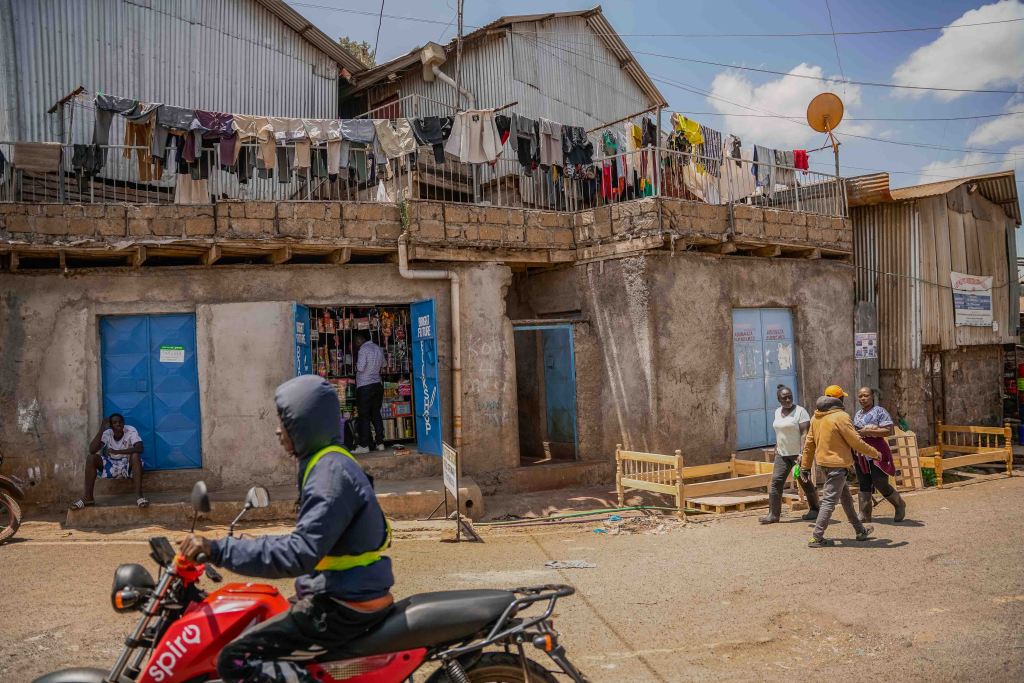
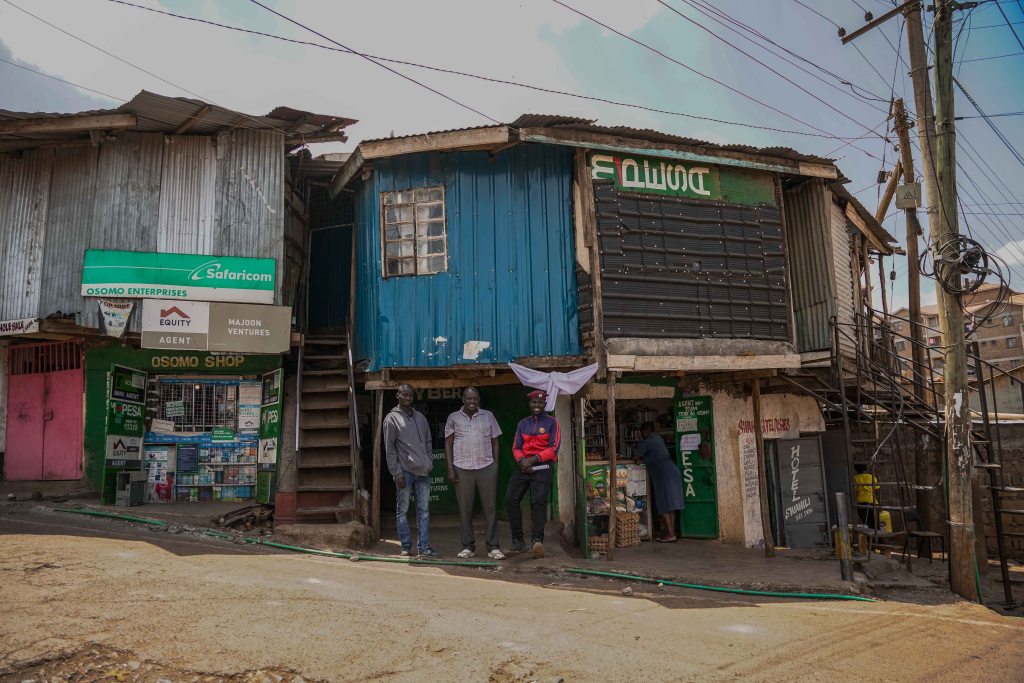
The project documents everyday routines, changing bodies, mobility, independence, and adaptation within a settlement where infrastructure was never designed with aging in mind.
Memory, Identity, and Belonging
Through portraits, conversations, and everyday moments, the project preserves stories of Kibera’s history, migration, family life, labour, faith, and social change. These memories become part of a growing community archive that values lived experience alongside official histories.
Health, Care, and Well-being
Many older residents live with chronic illness, disability, reduced mobility, and limited access to healthcare.
We explores:
- Managing illness in everyday life.
- Home-based care.
- Community health support.
- Mental well-being.
- Aging with disability.
Food Security and Nutrition
Food is both a necessity and a marker of dignity. We examines how rising living costs, limited income, and physical decline affect access to nutritious meals, while documenting the importance of community kitchens, shared meals, and food assistance programmes.
Community Care
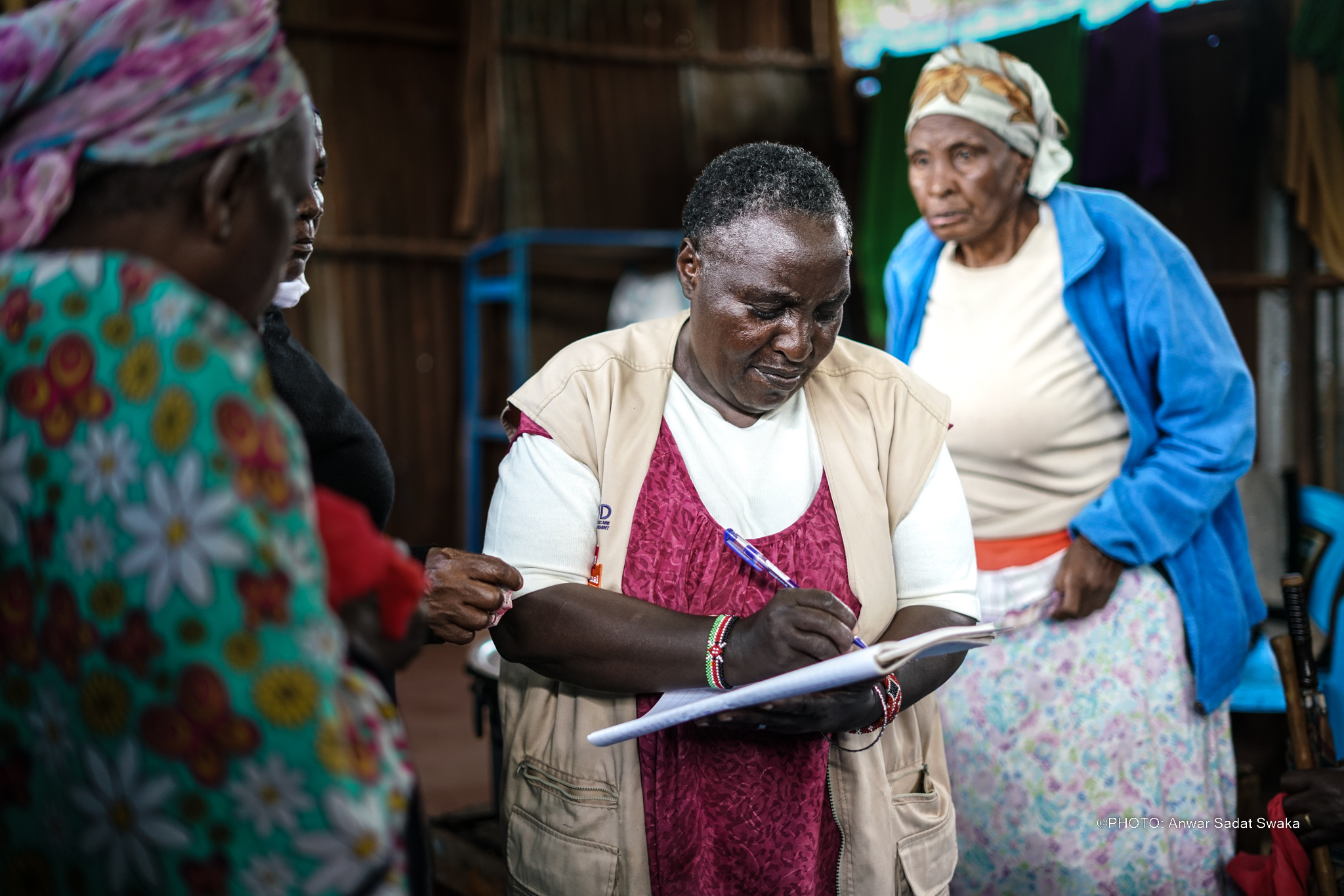
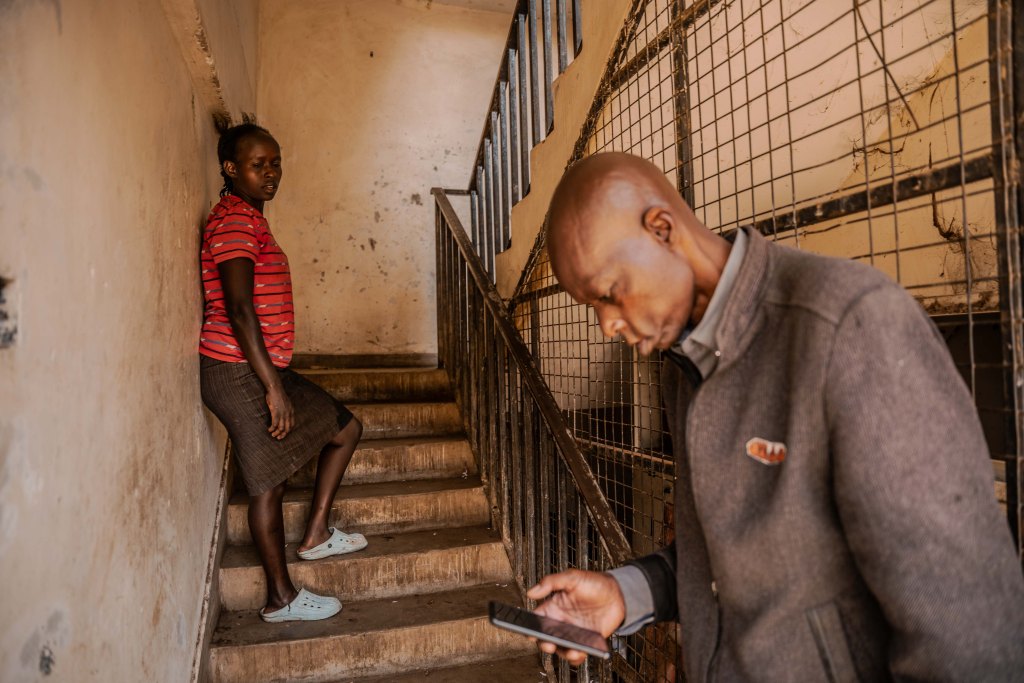
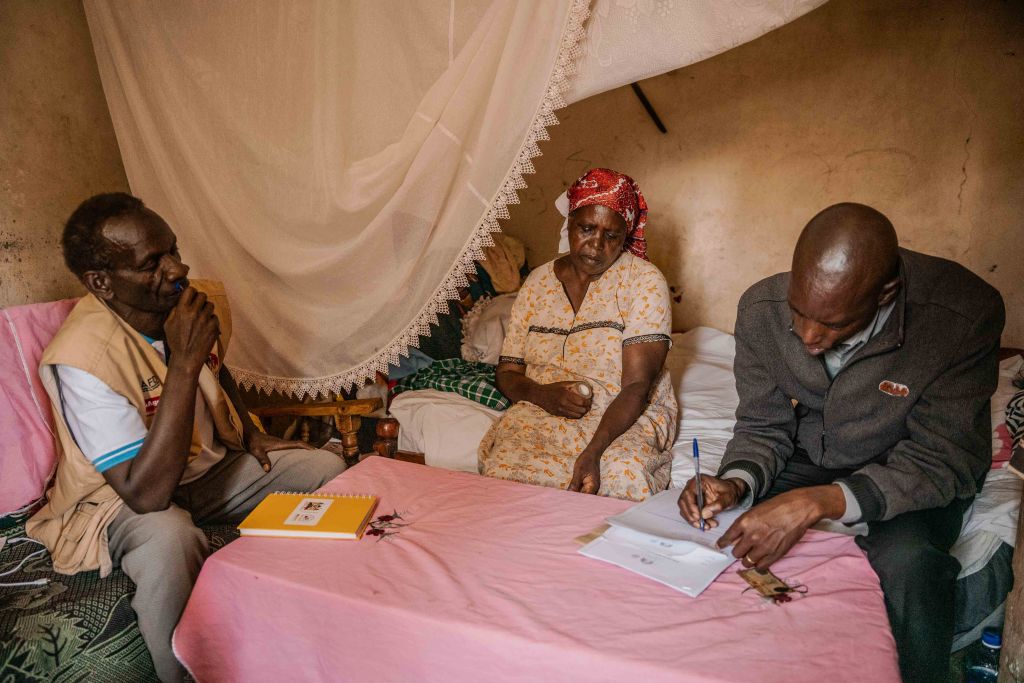
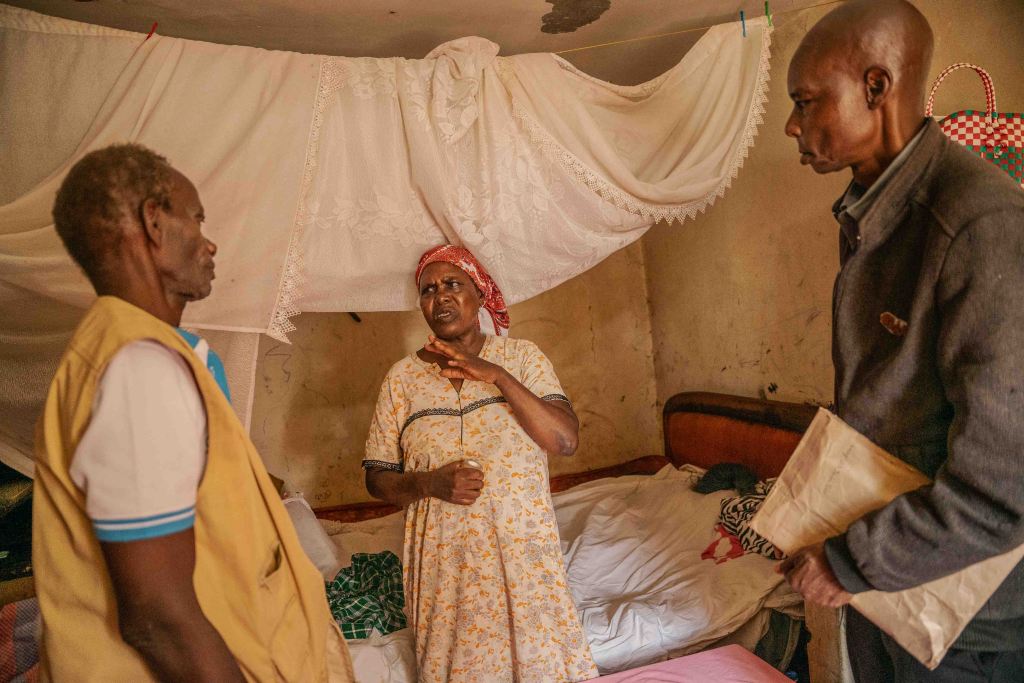
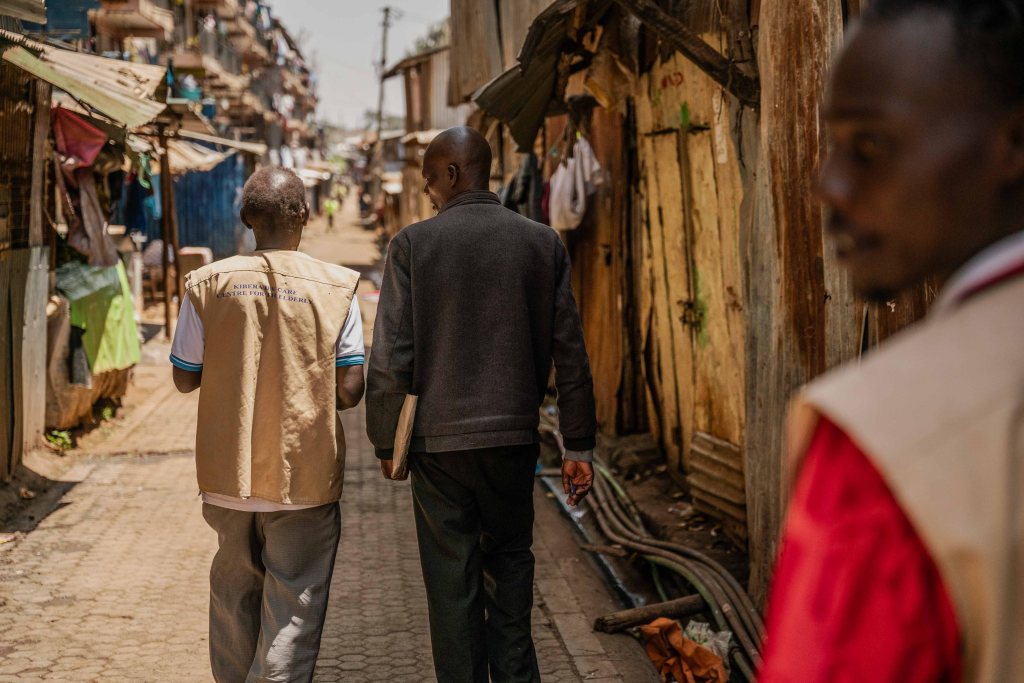
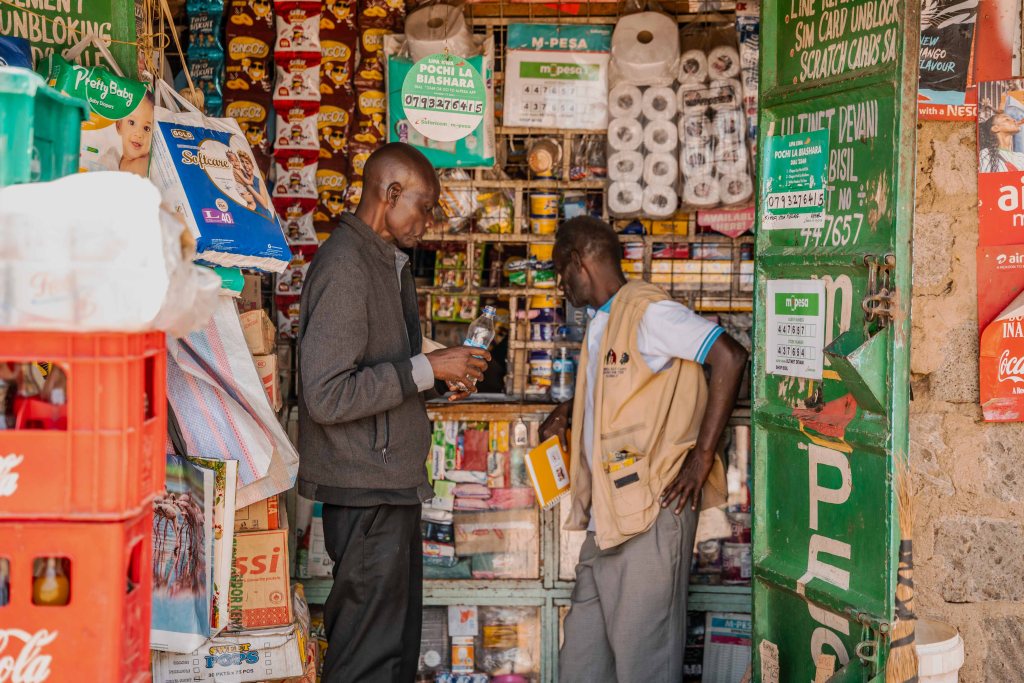
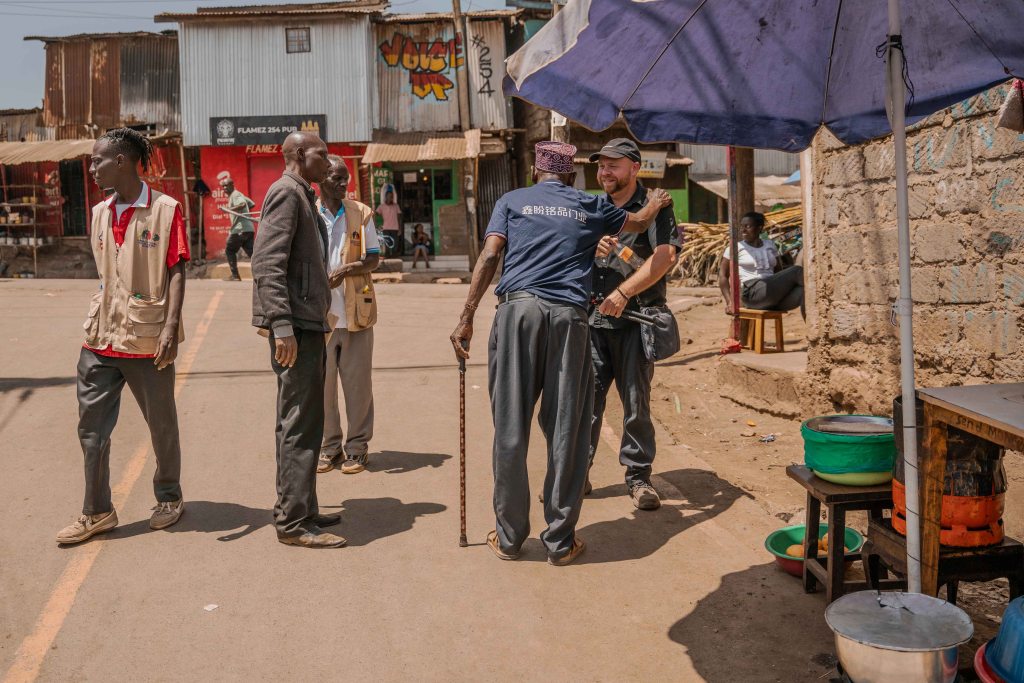
Photographs document home visits, volunteer caregivers, friendships, acts of reciprocity, and the informal networks that sustain older residents when formal systems are absent.
Housing and the Built Environment
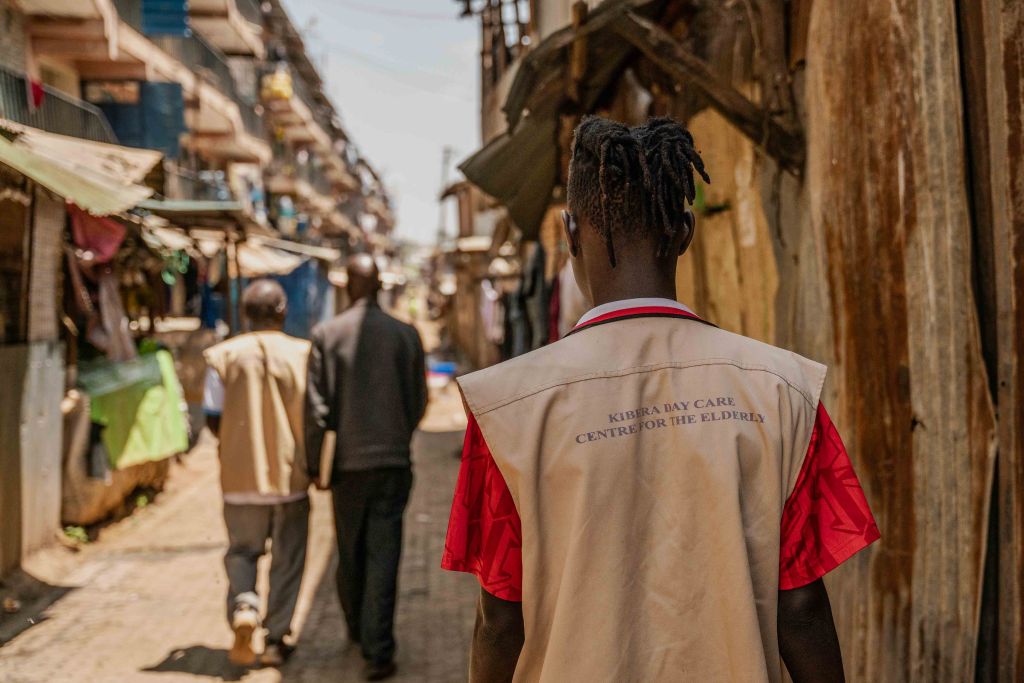
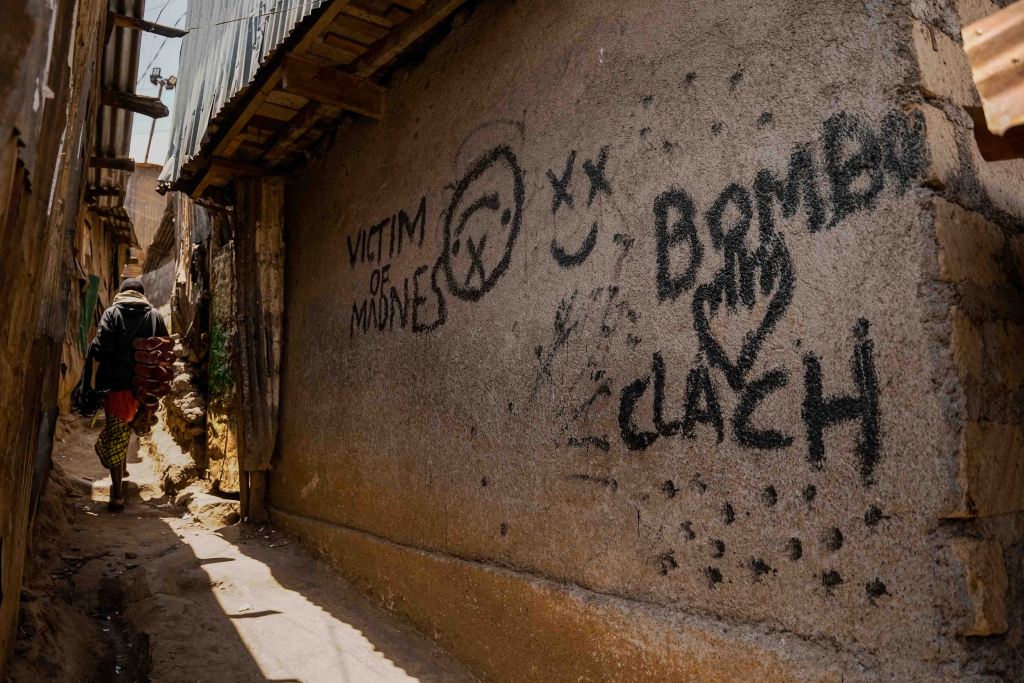
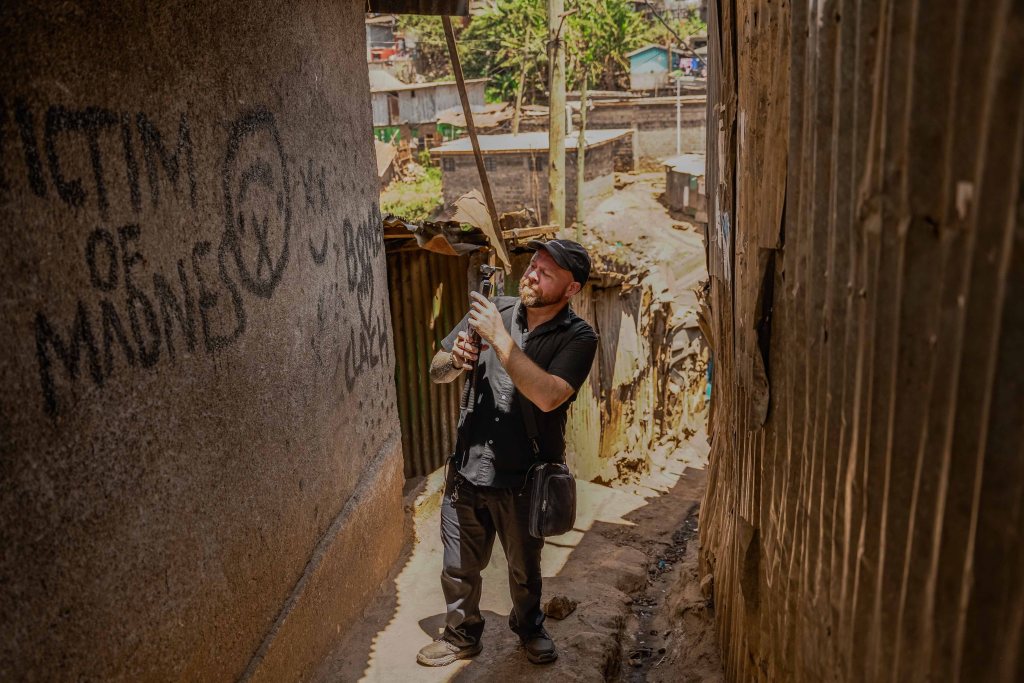
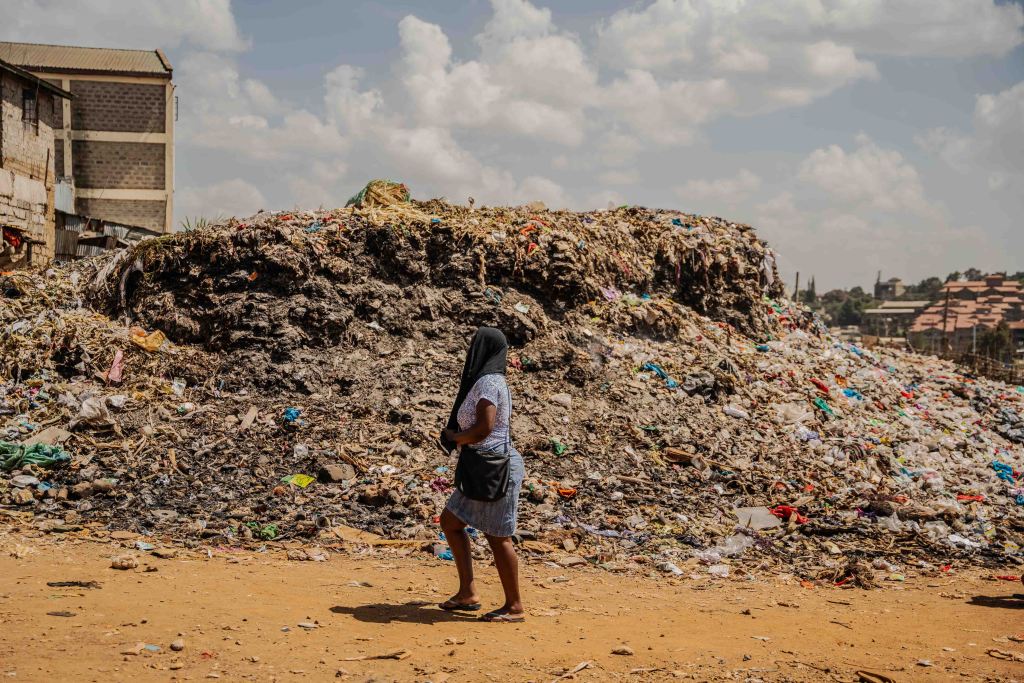
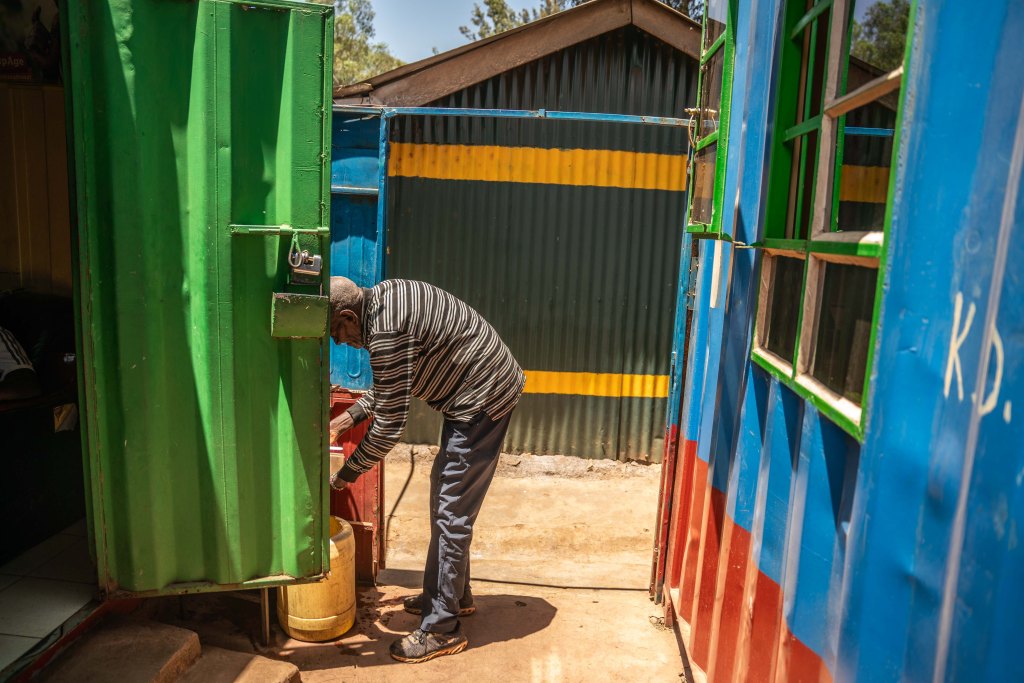
Narrow paths, uneven terrain, inaccessible toilets, fragile structures, and seasonal flooding all shape the experience of aging. The project visual enquery explores how housing conditions influence safety, independence, and quality of life for older residents.
Visibility and Representation
Older persons are frequently absent from photographs of urban Africa. When they do appear, they are often represented through crisis or charity. This project seeks to create more nuanced representations that acknowledge complexity, dignity, humour, relationships, work, spirituality, and everyday life.
Methodology
The project combines documentary photography with qualitative visual research.
Methods include:
- Long-term photographic observation.
- Environmental portraiture.
- Visual ethnography.
- Participant observation.
- Oral history interviews.
- Community conversations.
- Archival research.
- Field notes and reflective journals.
Having Worked together over several years has allowed trust to develop, enabling images that move beyond surface representation toward deeper relationships and lived experience.
“Everyone has the right to freedom, equality, and a life of dignity. Yet, as we grow older, we may face stereotyping, prejudice and discrimination because of our age. This prevents us from enjoying our rights equally with others. Ageism is deeply rooted in our societies, often manifesting as stereotypes and unfair treatment. We see older people being unfairly labelled as frail or incapable and face restrictions on access to services and opportunities based on age. It’s time to challenge these attitudes and fight for a more inclusive world.”
Photographic Approach
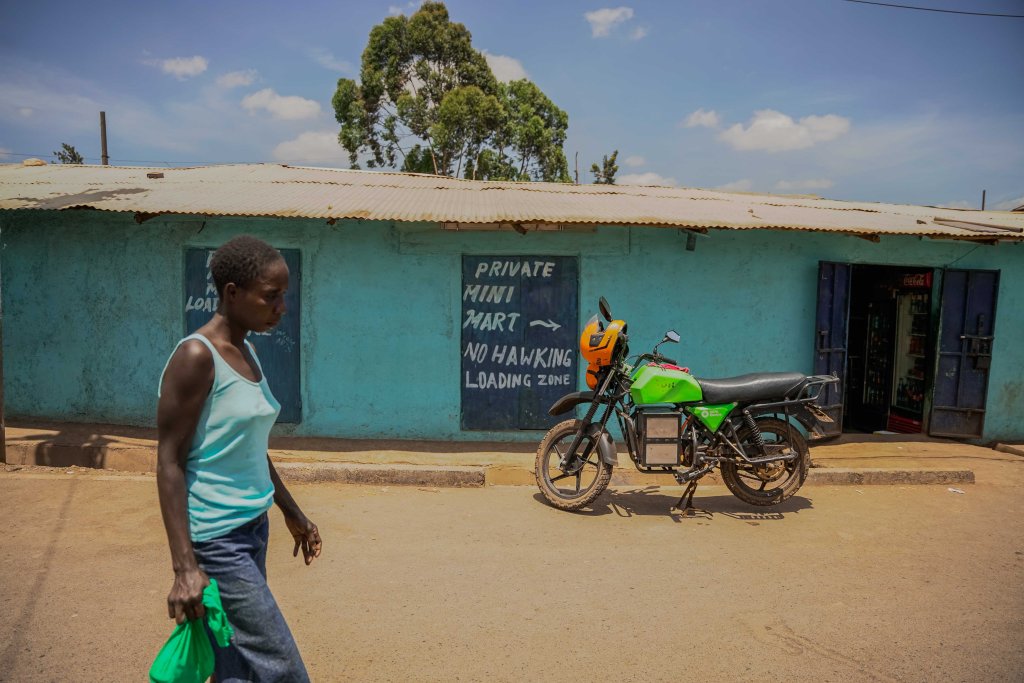
The photographs privilege quiet observation over spectacle.
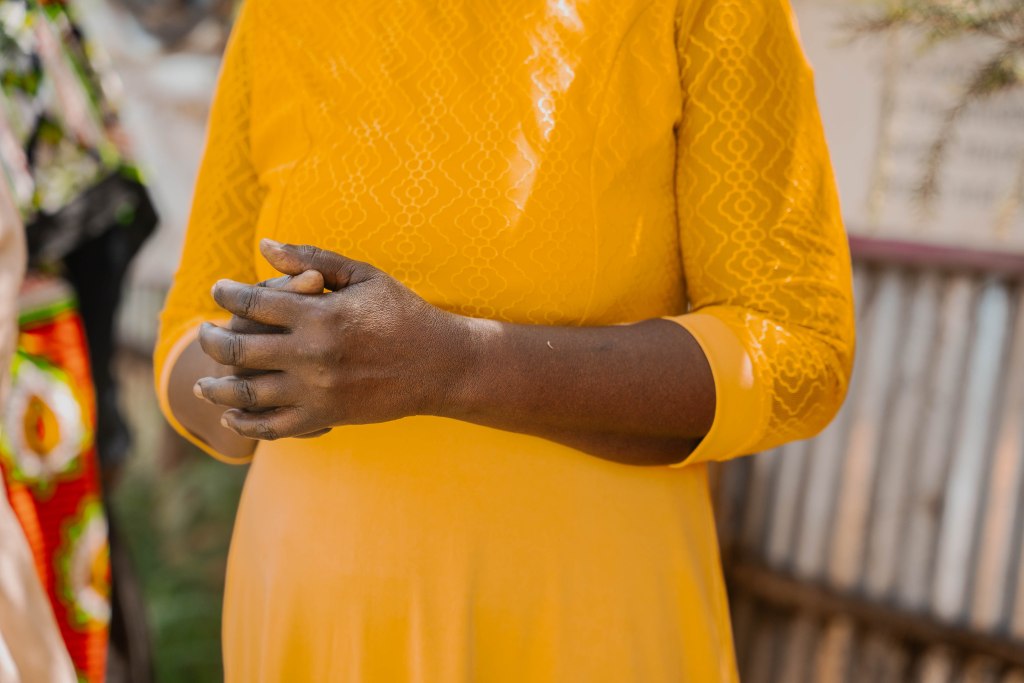
Attention is given to gestures, routines, domestic spaces, neighbourhood relationships, and moments that often go unnoticed.
Rather than searching for dramatic events, the project documents ordinary life with patience and respect, revealing the richness contained within everyday experiences.
Portraits are created collaboratively, allowing participants agency in how they choose to be represented.
.
Outputs
The project will culminate in a multidisciplinary body of work, including:
An online storytelling platform documenting life after sixty in Kibera.
A documentary photography exhibition.
A visual ethnography publication.
Community exhibitions within Kibera.
A digital archive of photographs and oral histories.
Editorial photo essays.
Public talks and educational workshops.
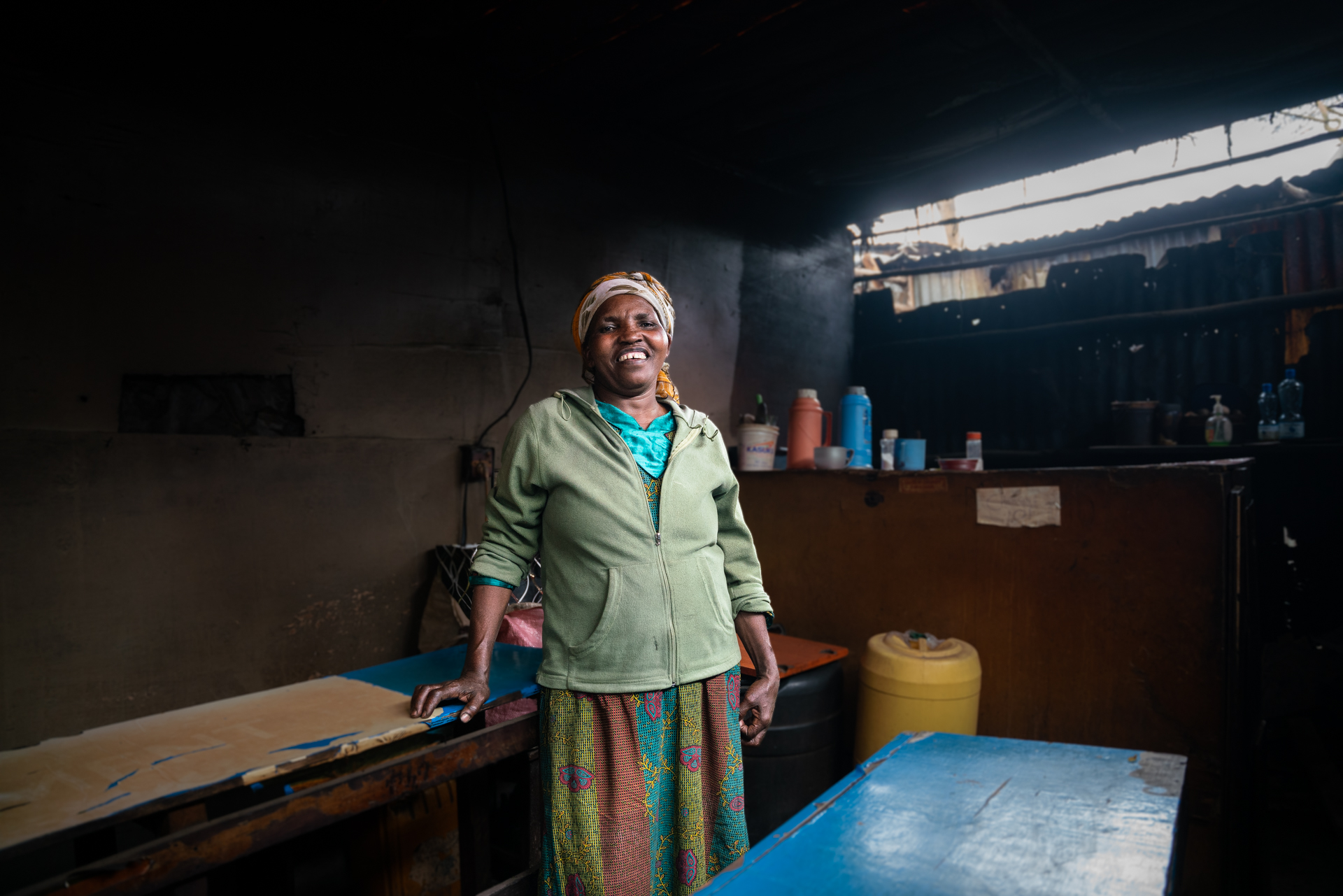
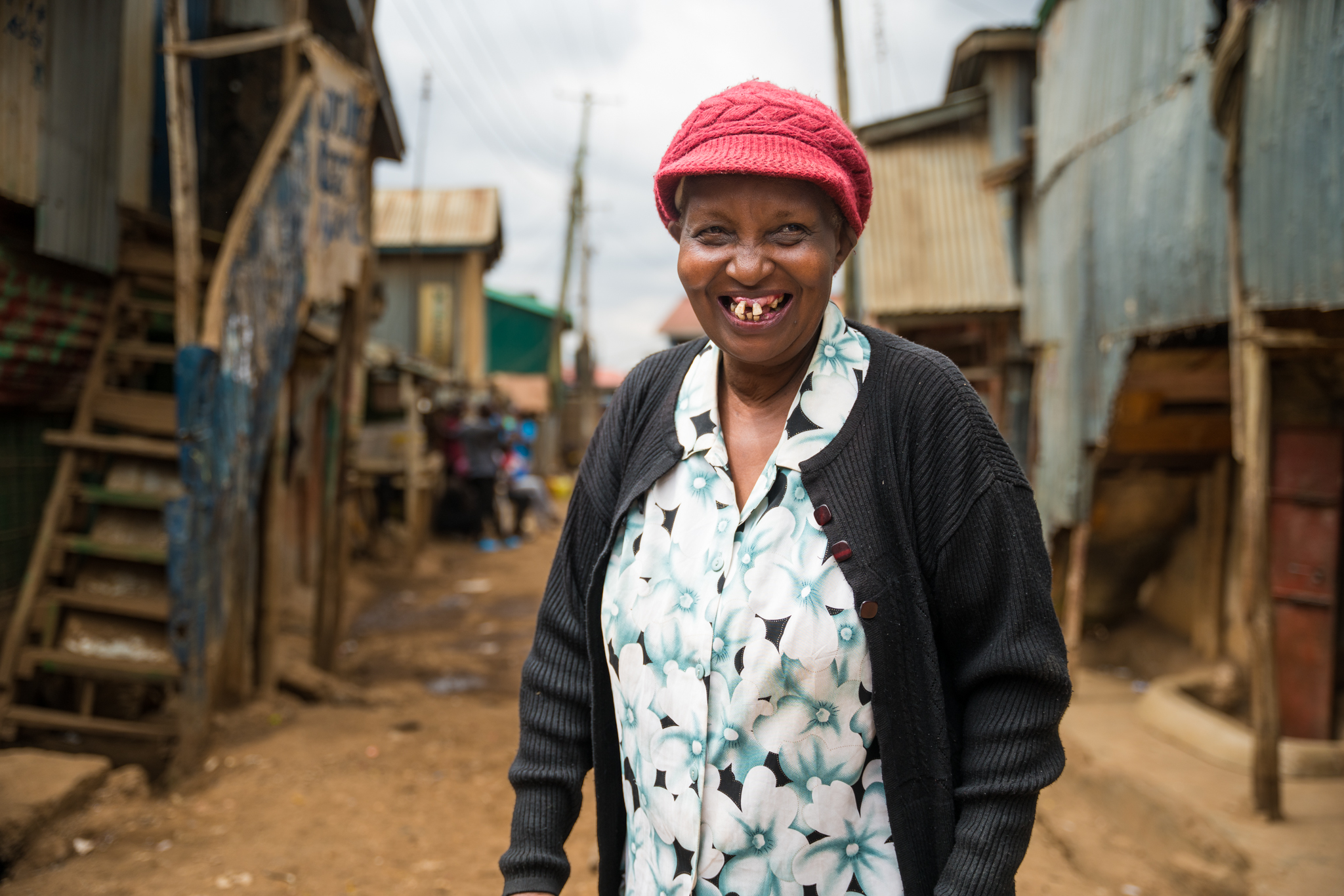
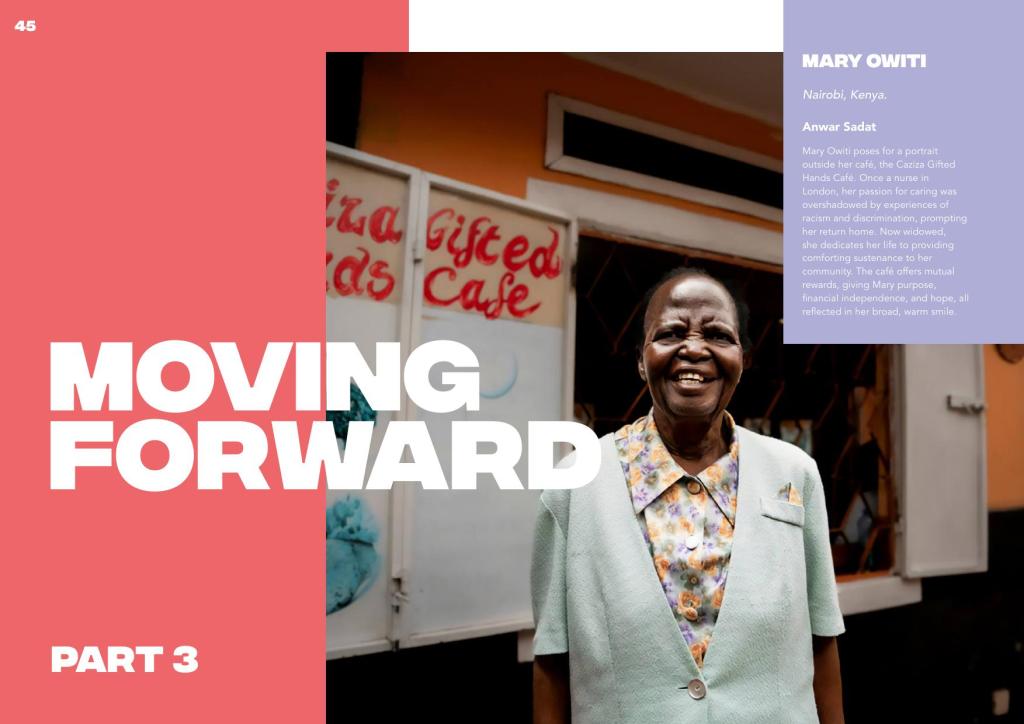
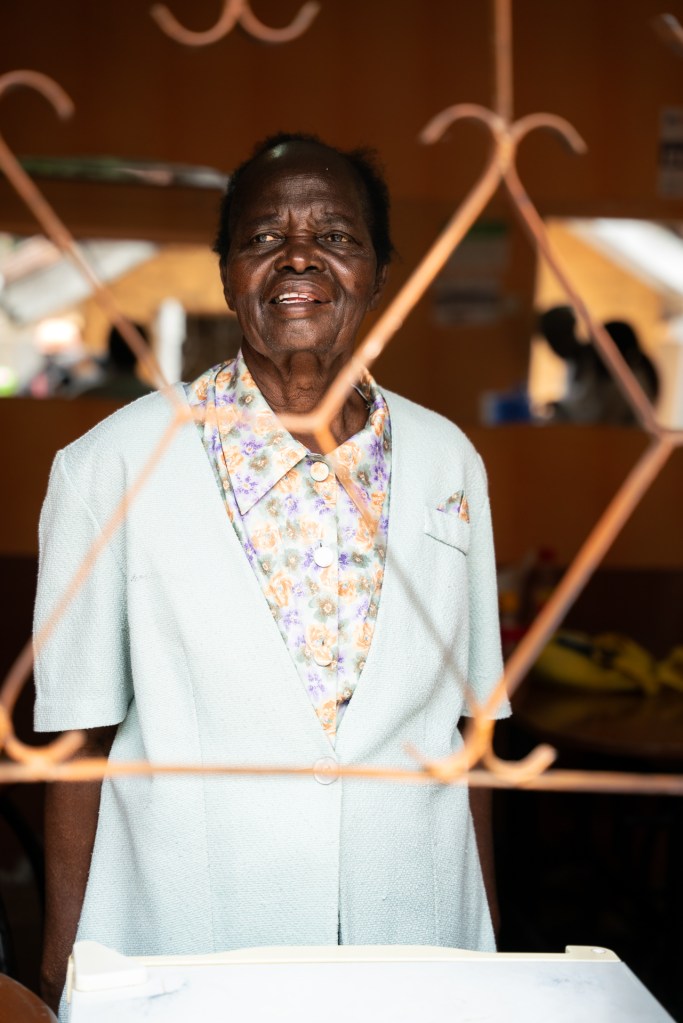
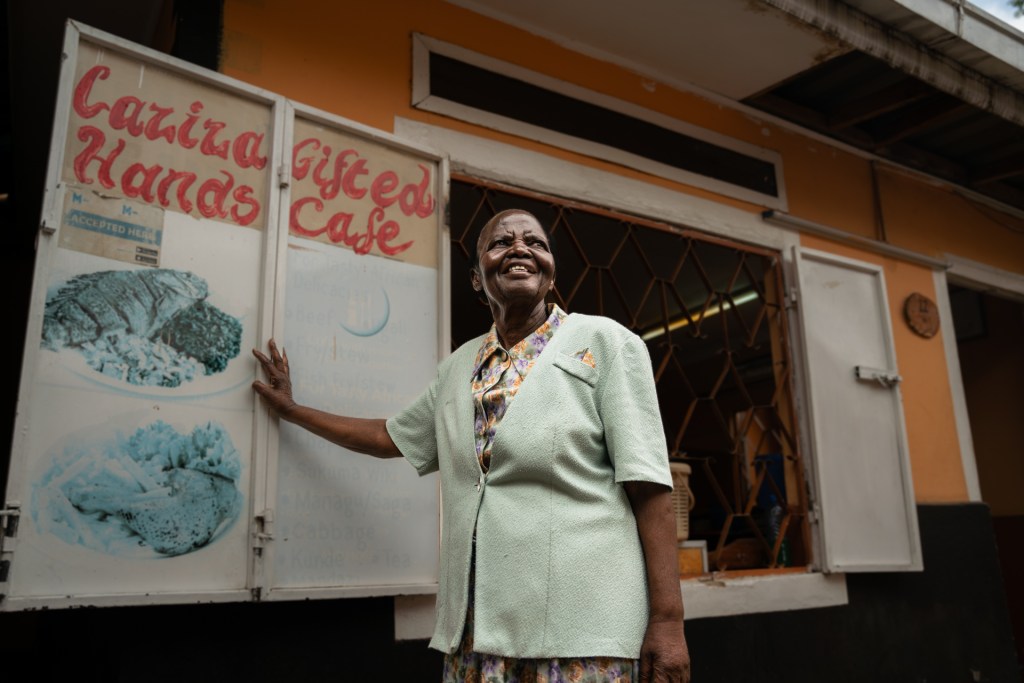
”Life now is very interesting. I earn a living by running a food joint, I manage and run this place. My hopes for the future are for the growth of my business since it’s the thing that keeps me awake and wakes me up in the morning,” –
Mary Owiti, 78, Kenya.
Intended Impact
Seen & Unseen seeks to reshape how aging is understood within urban Africa.
By placing older persons at the centre of the visual narrative, the project aims to increase their visibility, preserve their histories, and encourage more inclusive approaches to urban planning, healthcare, housing, and social protection.
Ultimately, the work invites audiences to see older persons not as passive recipients of care, but as active contributors, knowledge holders, caregivers, neighbours, and custodians of community memory.
The project asks viewers to slow down, look closely, and recognise lives that have always been present, yet too often remain unseen.


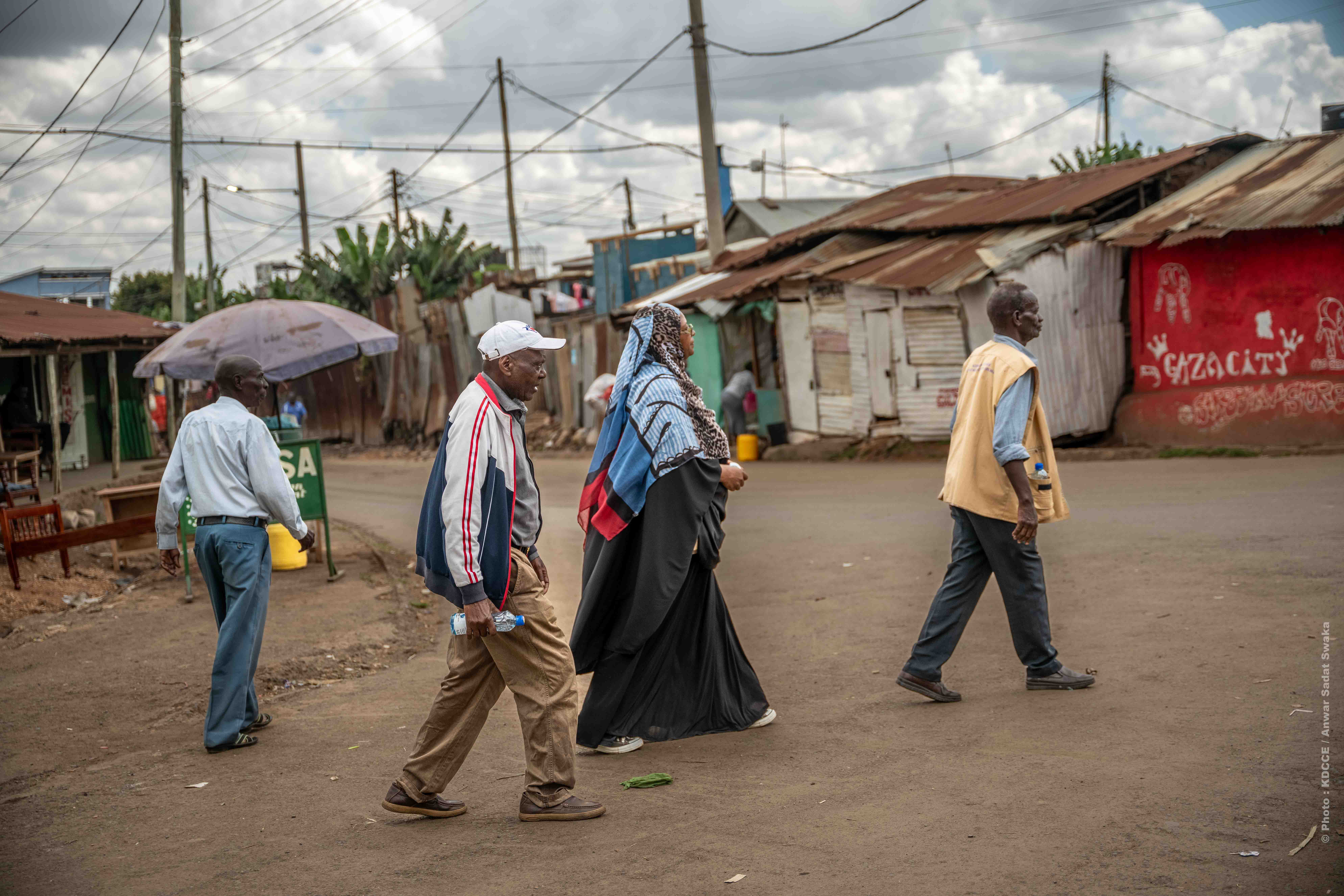
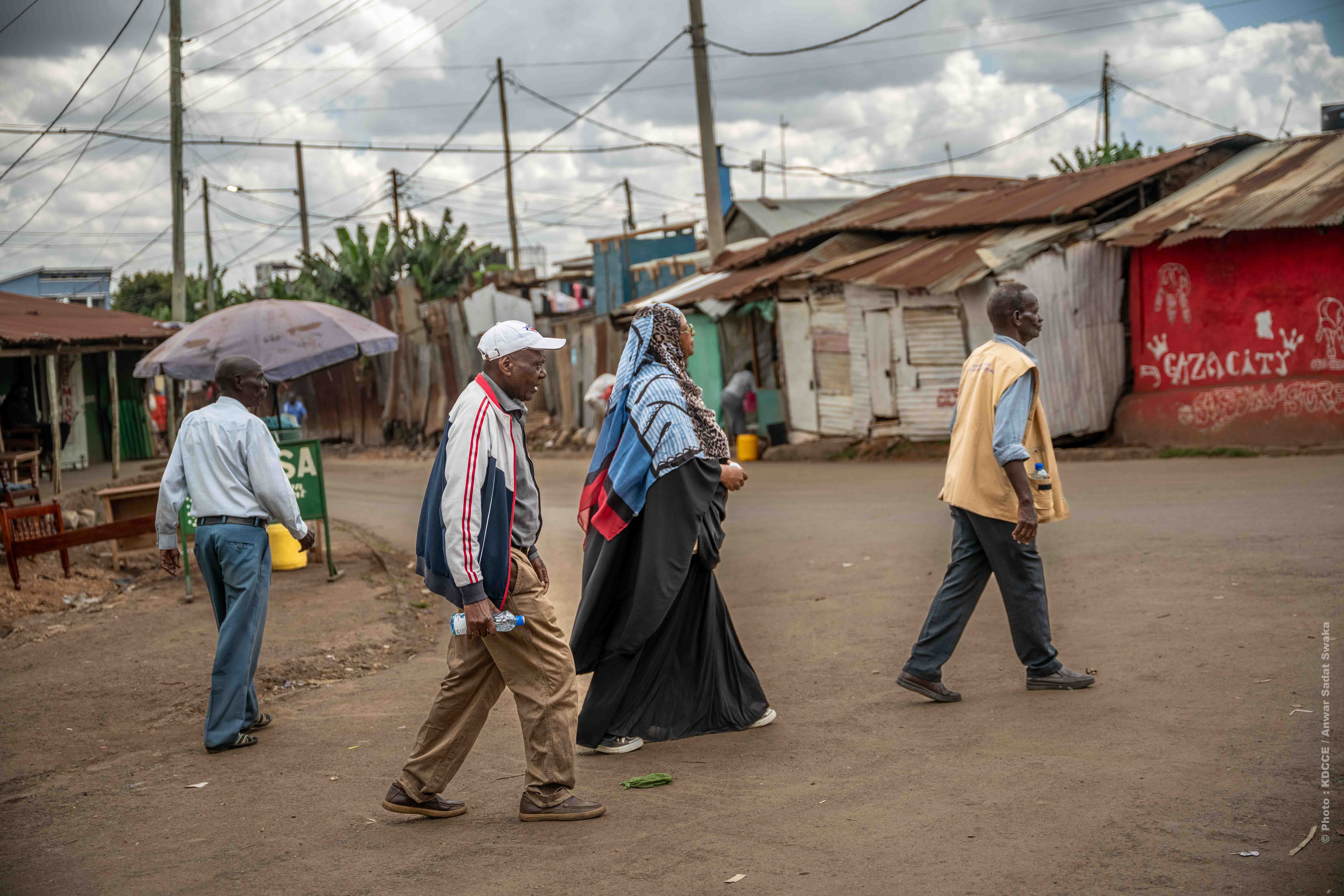
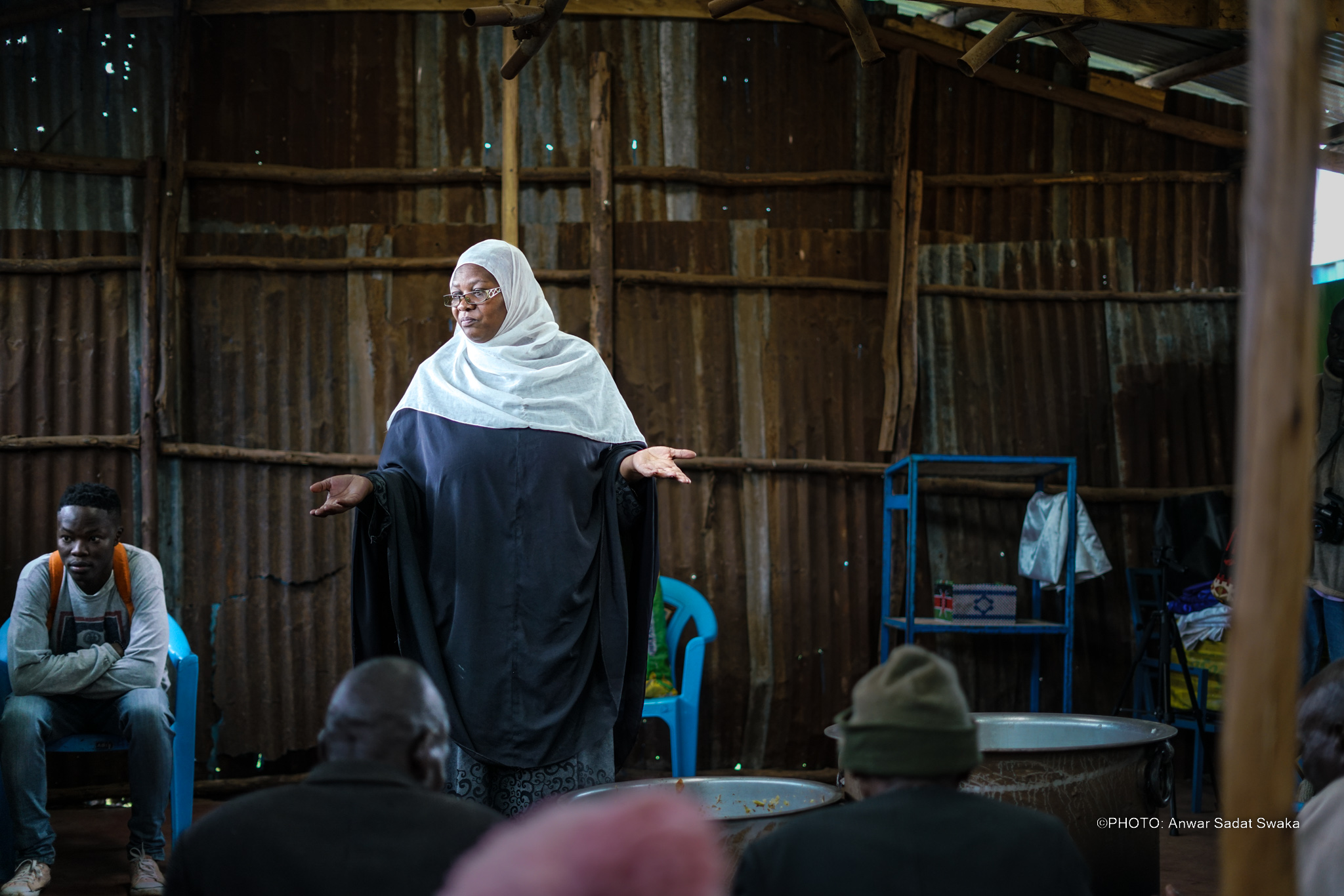
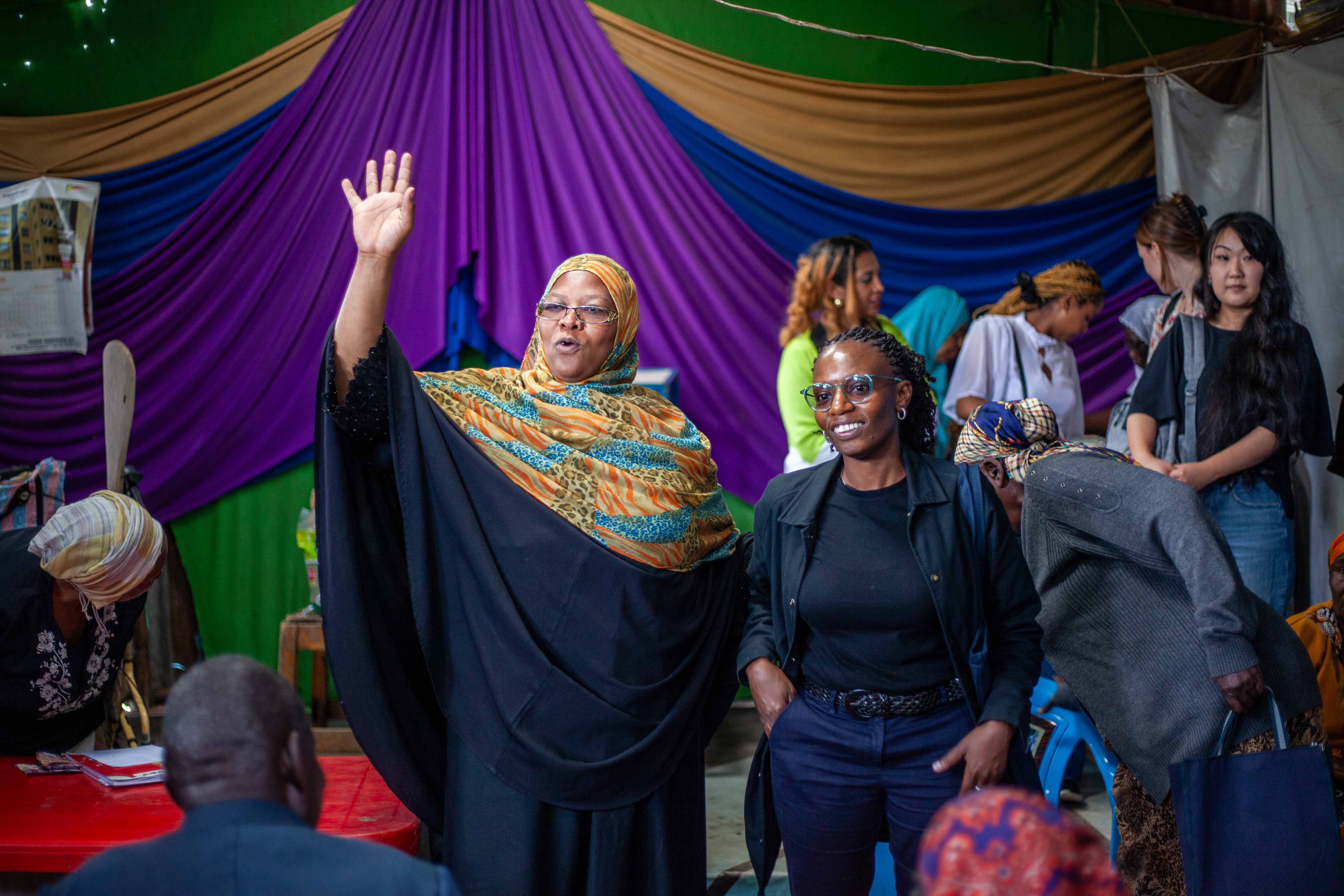
A day at Kibera Day Care Center for the Elderly
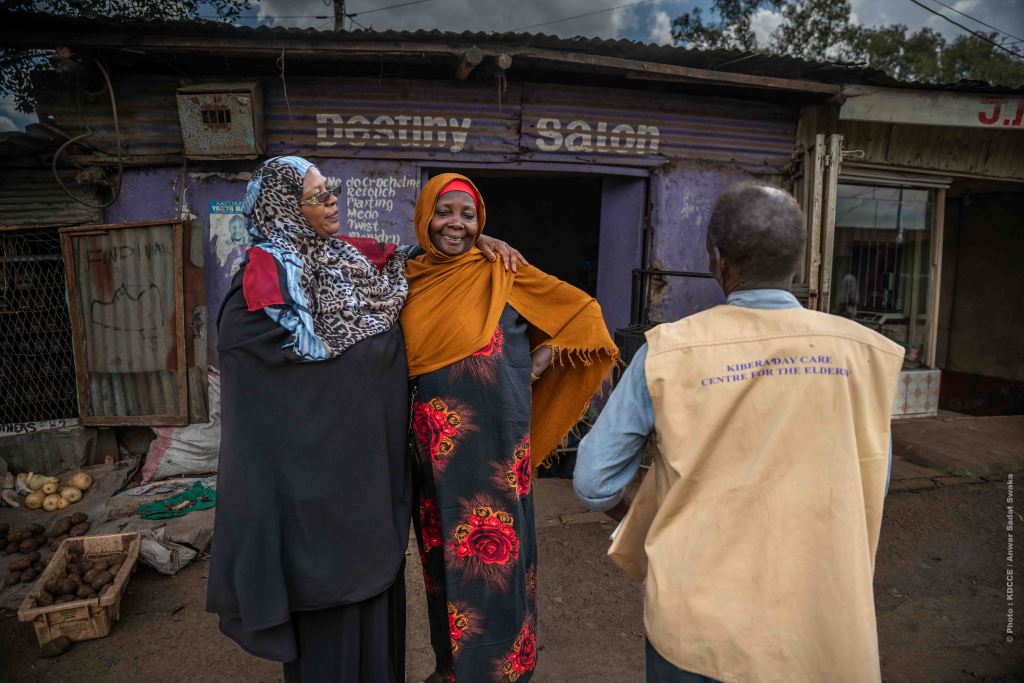
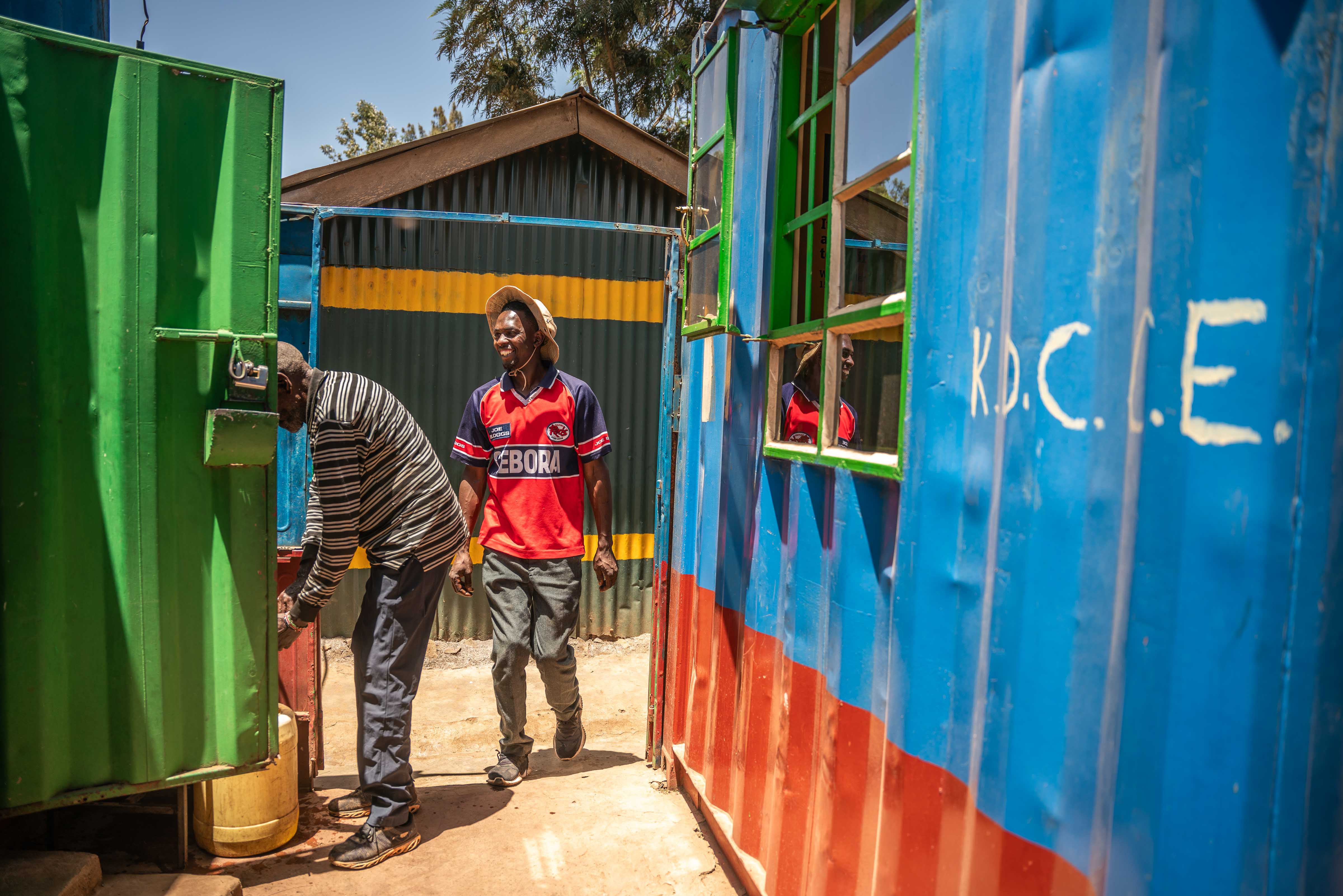

At the heart of this Visual Project is The Kibera Day Care Center for the Elderly (KDCCE), led by Kibera native Yasmin Aboyo. The center supports residents aged 60 and above who may not be able to afford or to meet their basic needs, food, housing, or healthcare. This project forms part of the broader advocacy for human rights, affirming that to live and age with dignity is not a privilege, it is a right.
KDCCE STORIES
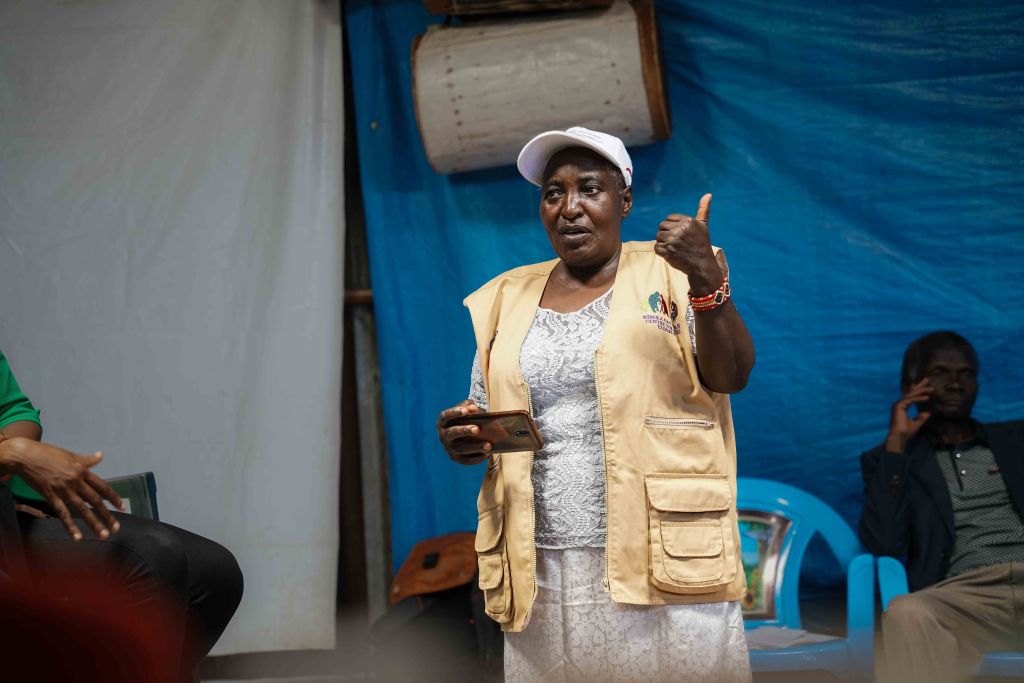
Agnes Kariuki – Founder
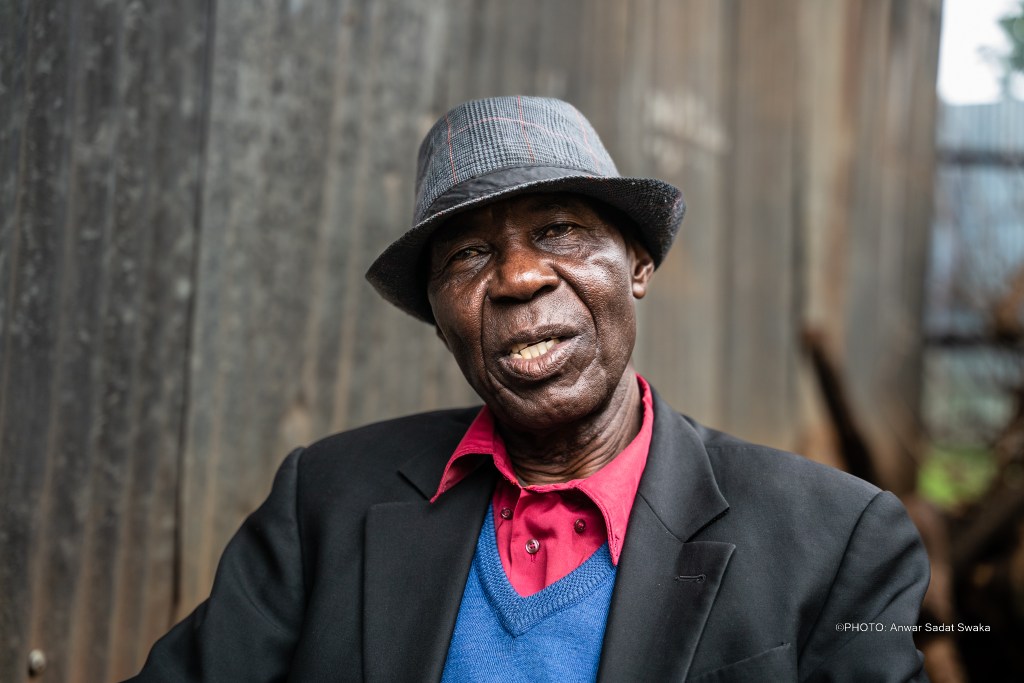
Jared Ogunde -Pastor
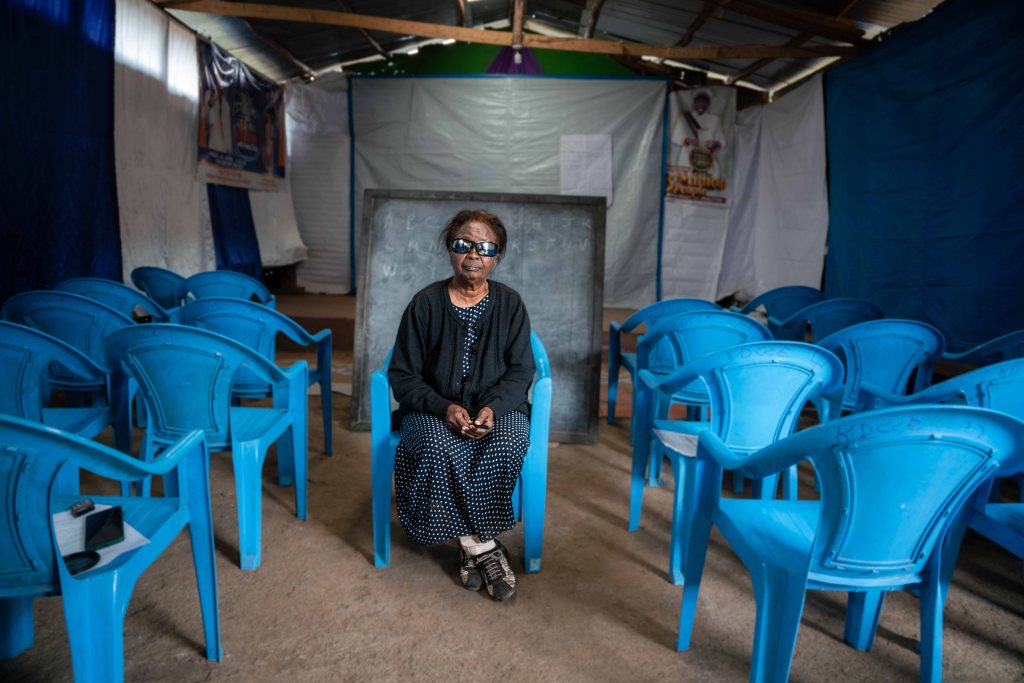
Alice Gathambo – Teacher
Read More…

Leave a comment