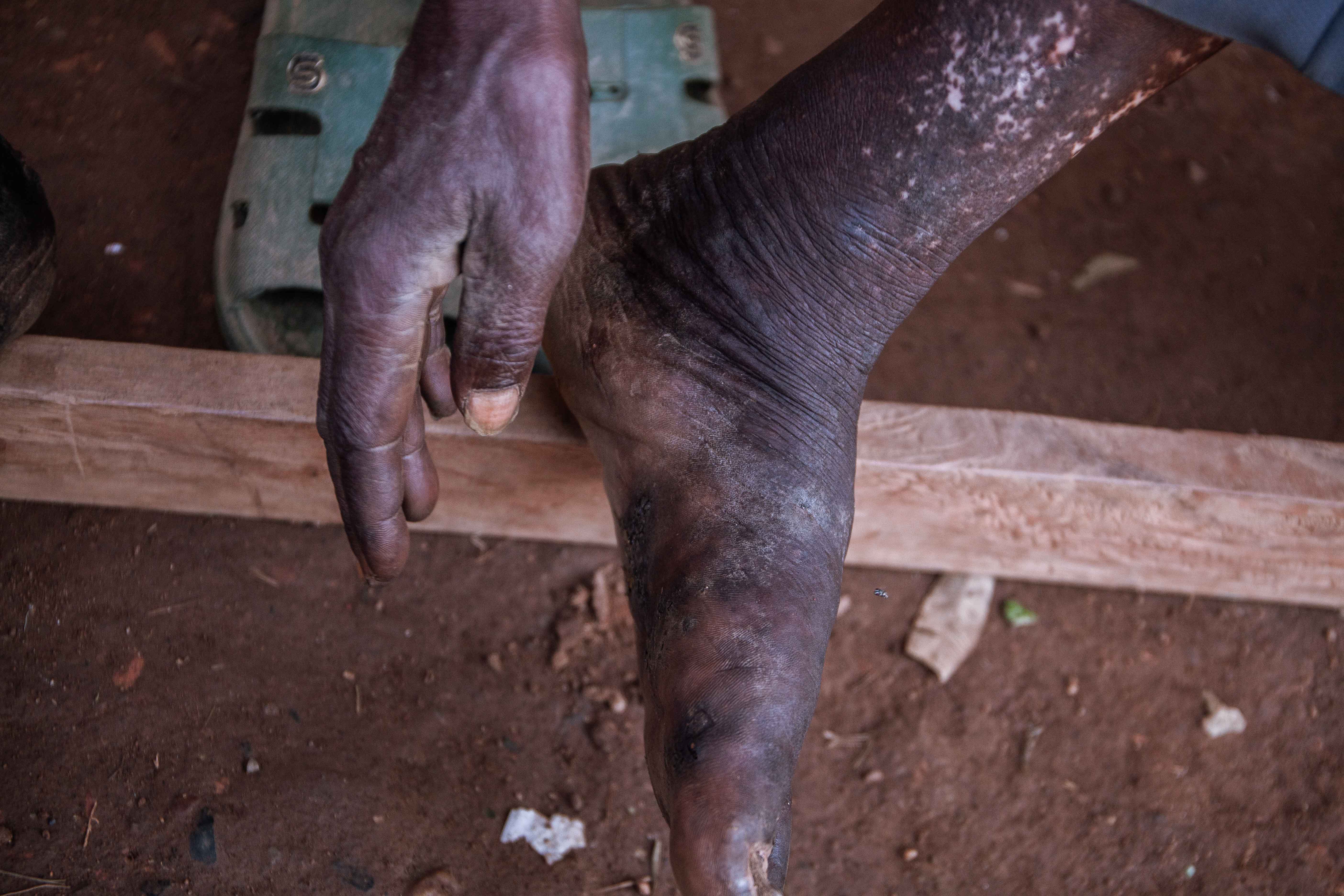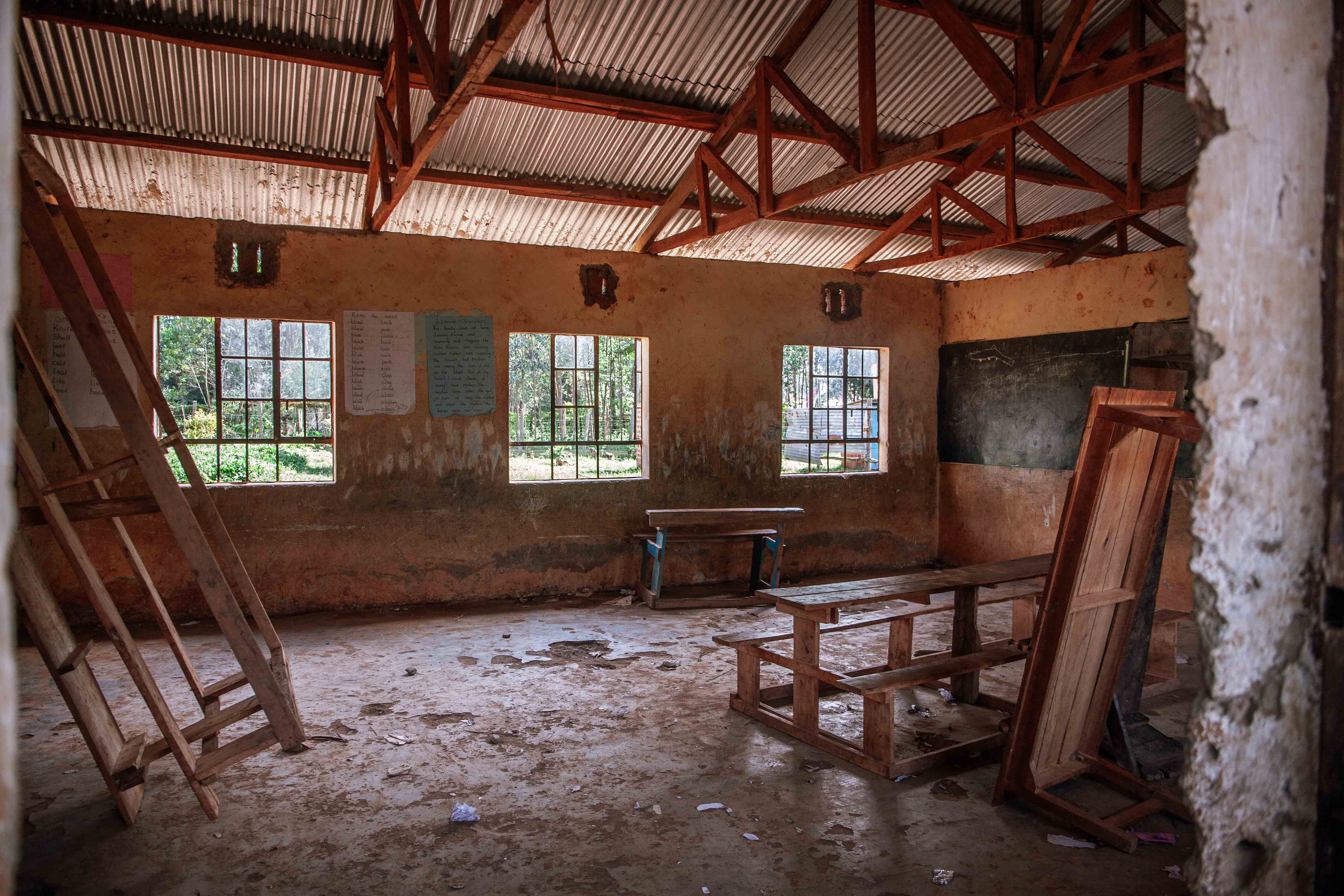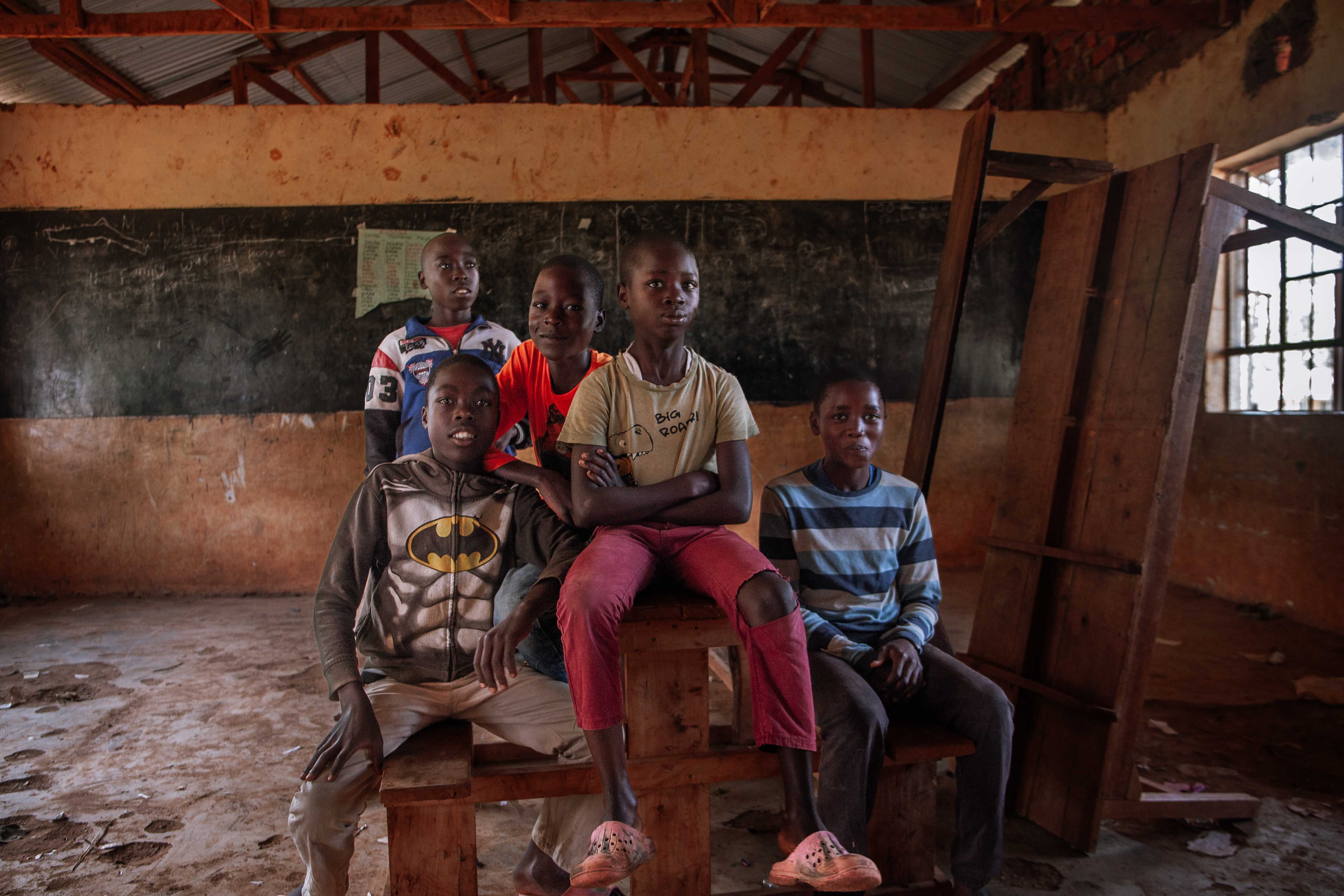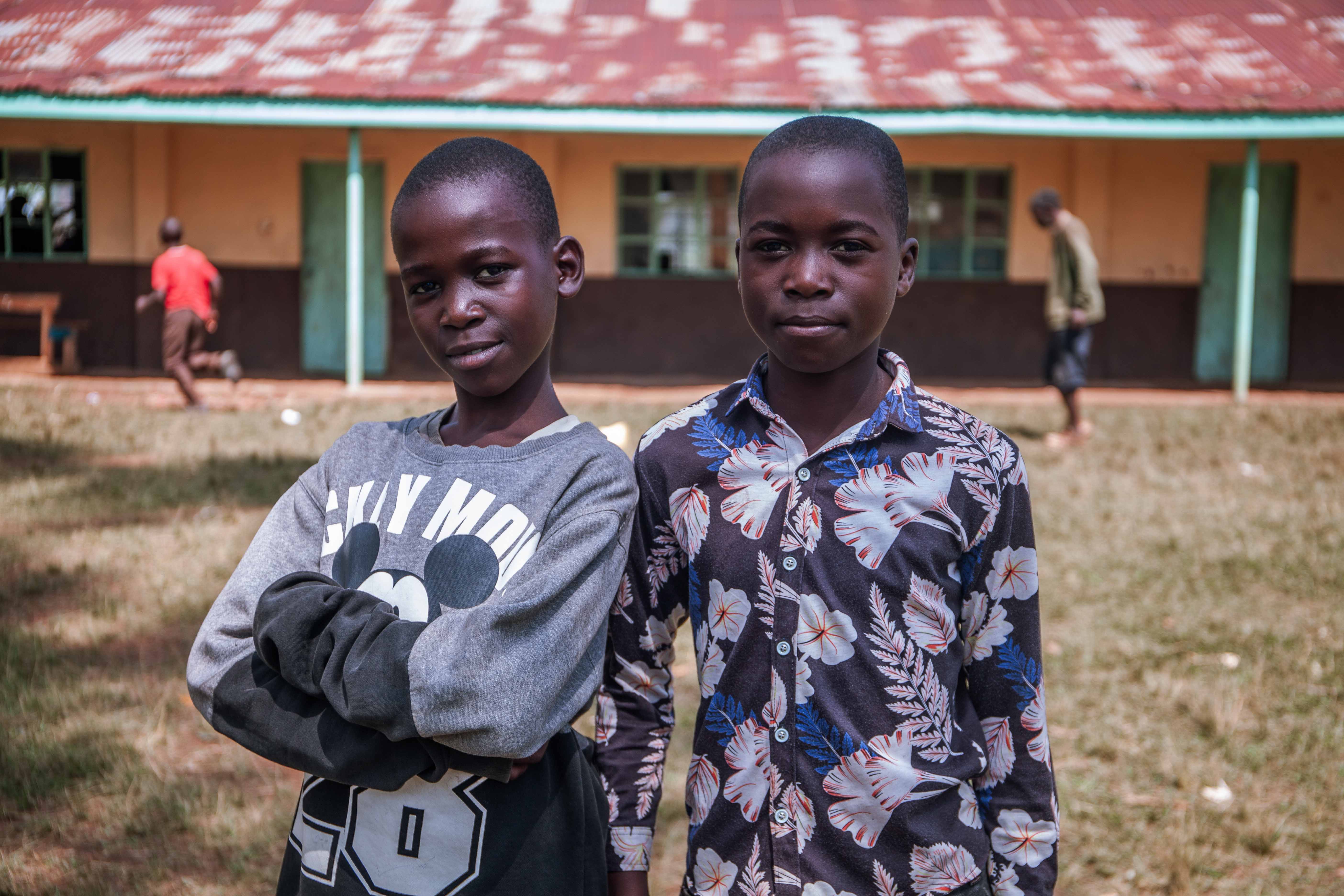
Jiggers—scientifically known as Tunga penetrans, commonly called sand fleas—are parasitic insects that thrive in dry, sandy soils. In many rural communities across tropical and subtropical regions, especially in areas burdened by poverty and inadequate sanitation, they are more than just a medical concern. They are a symbol of structural neglect..
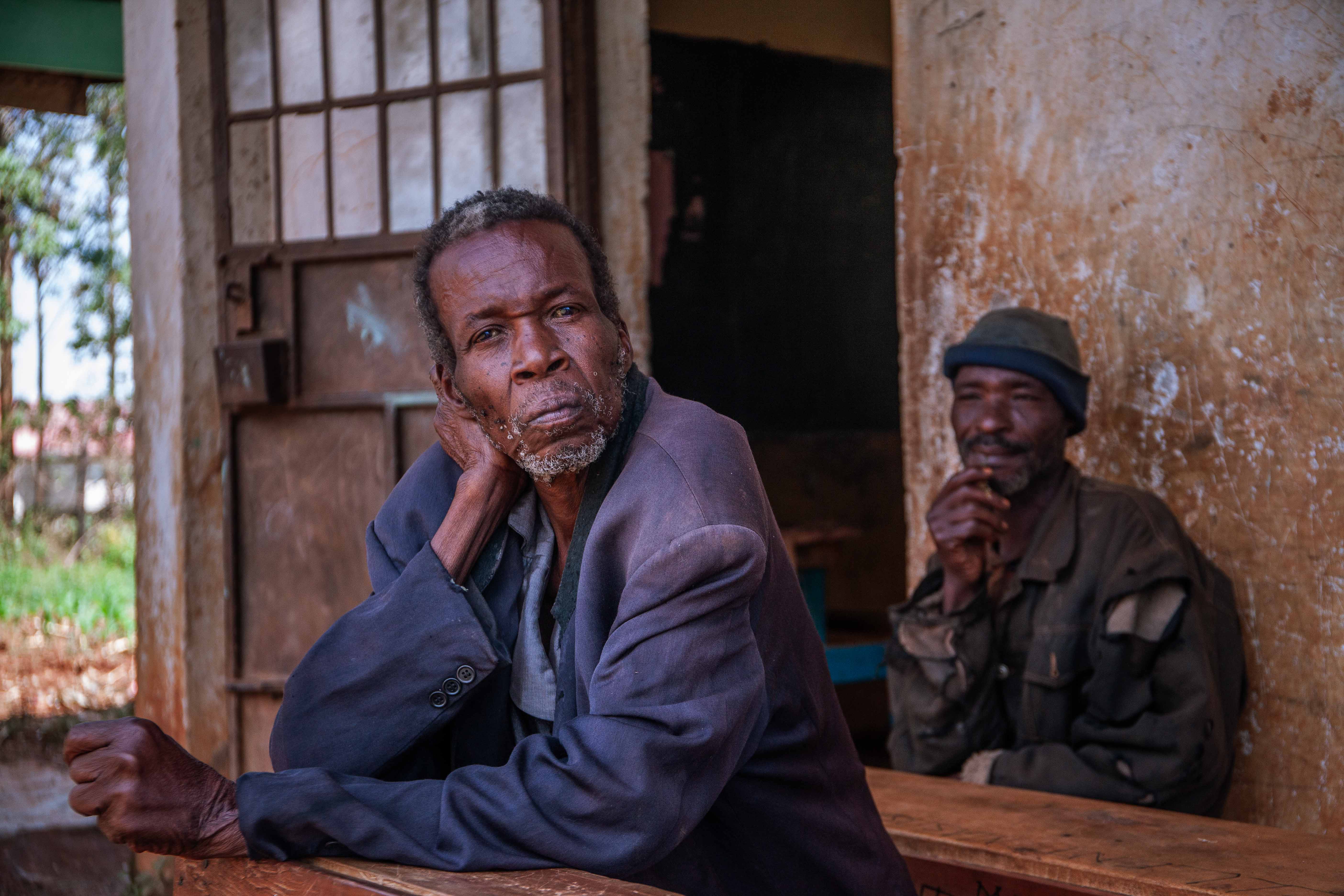
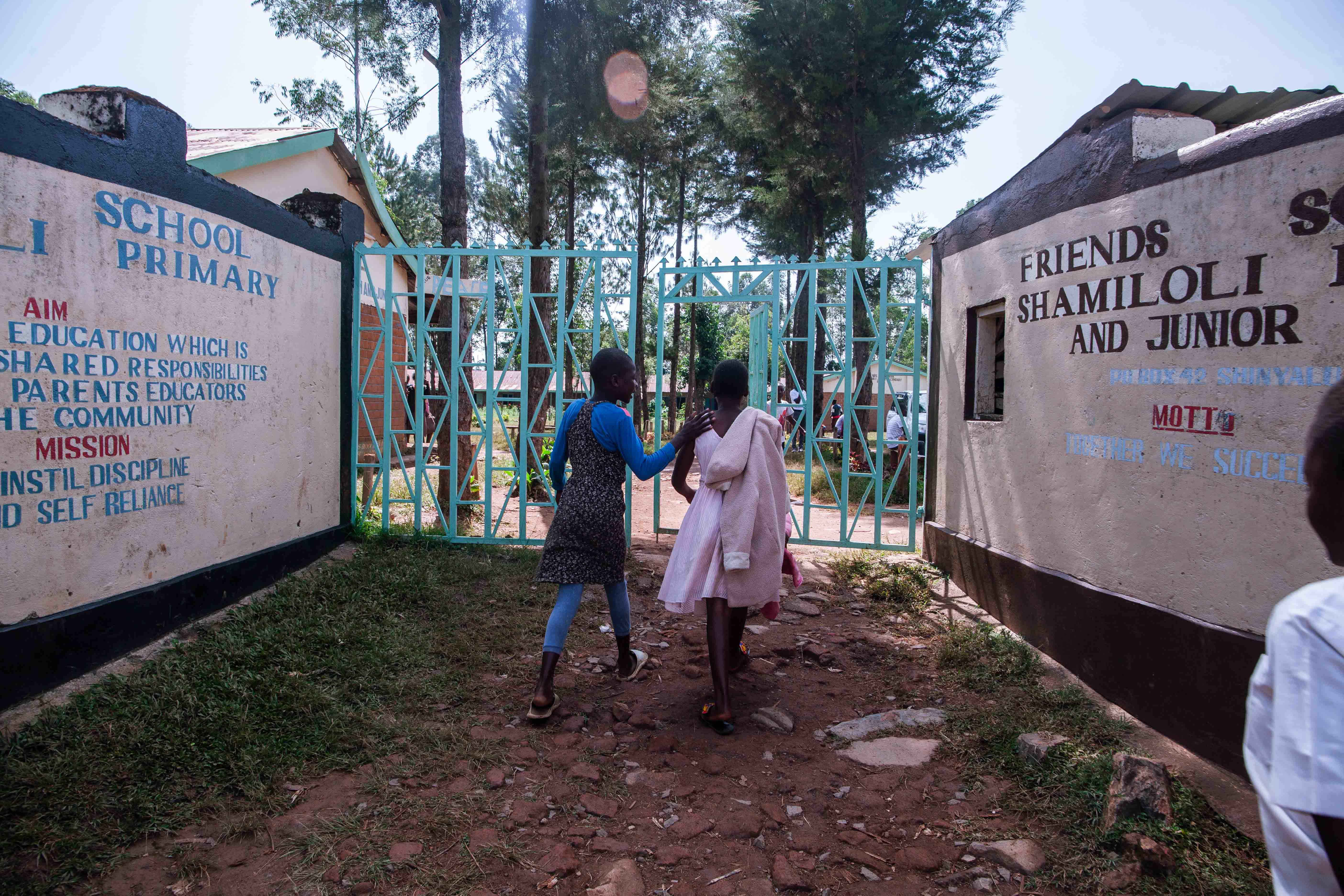
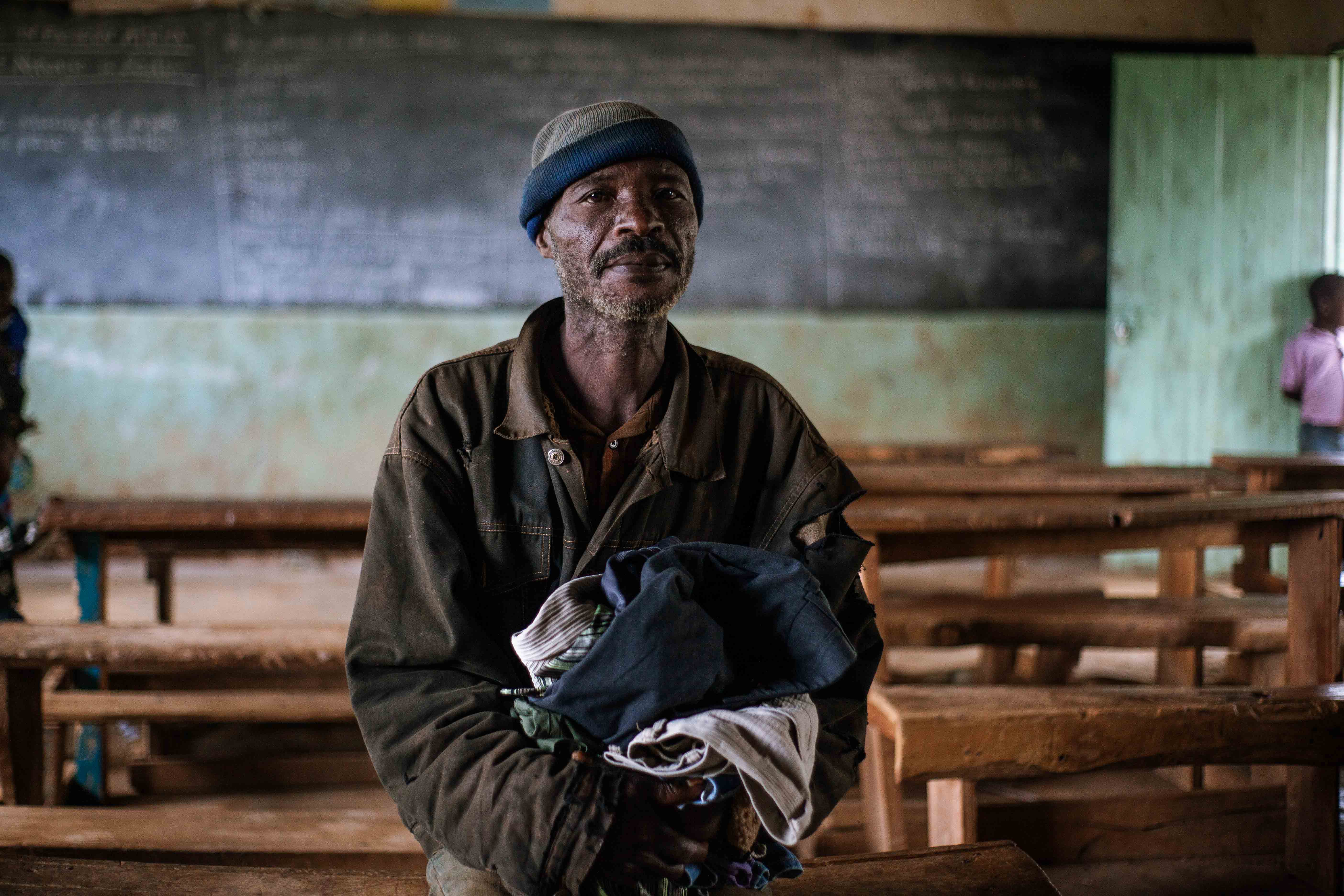
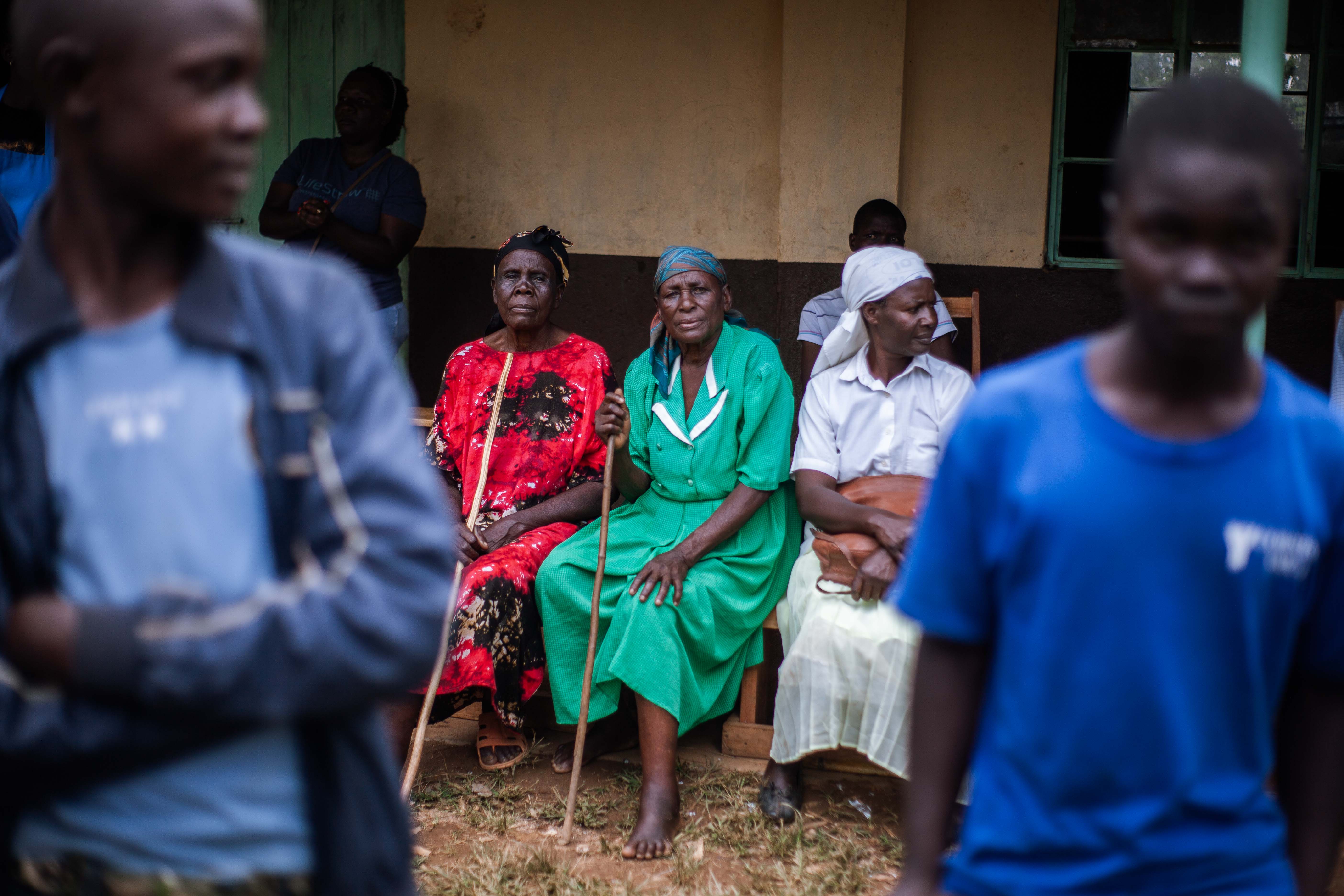
This is a story about invisibility—of pain endured in silence, of lives isolated by shame, and of rural concerns too often excluded from public health narratives. Portraits mostly carrying the weight of anxiety, withdrawal, and the crushing stigma that often accompanies visible poverty.
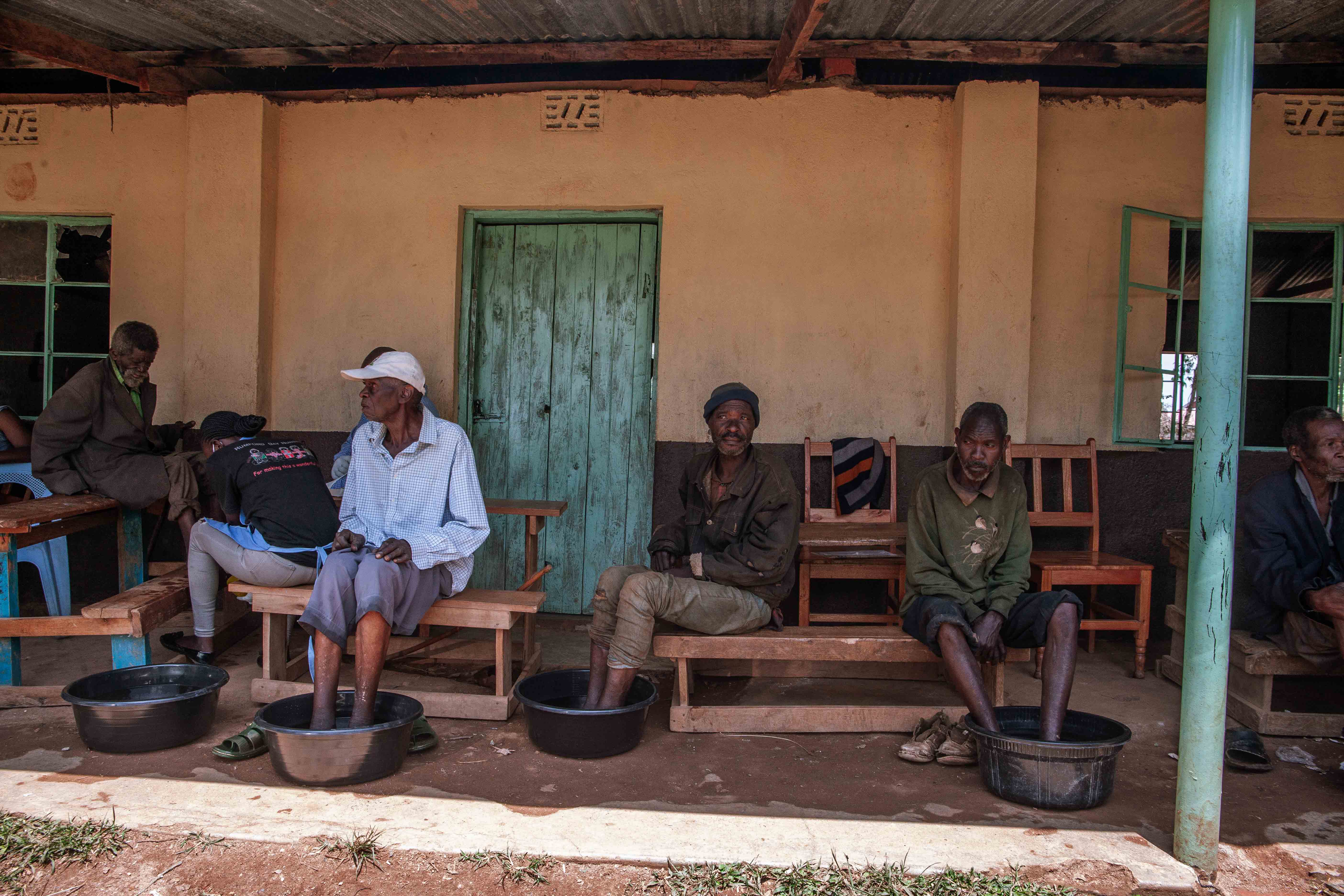
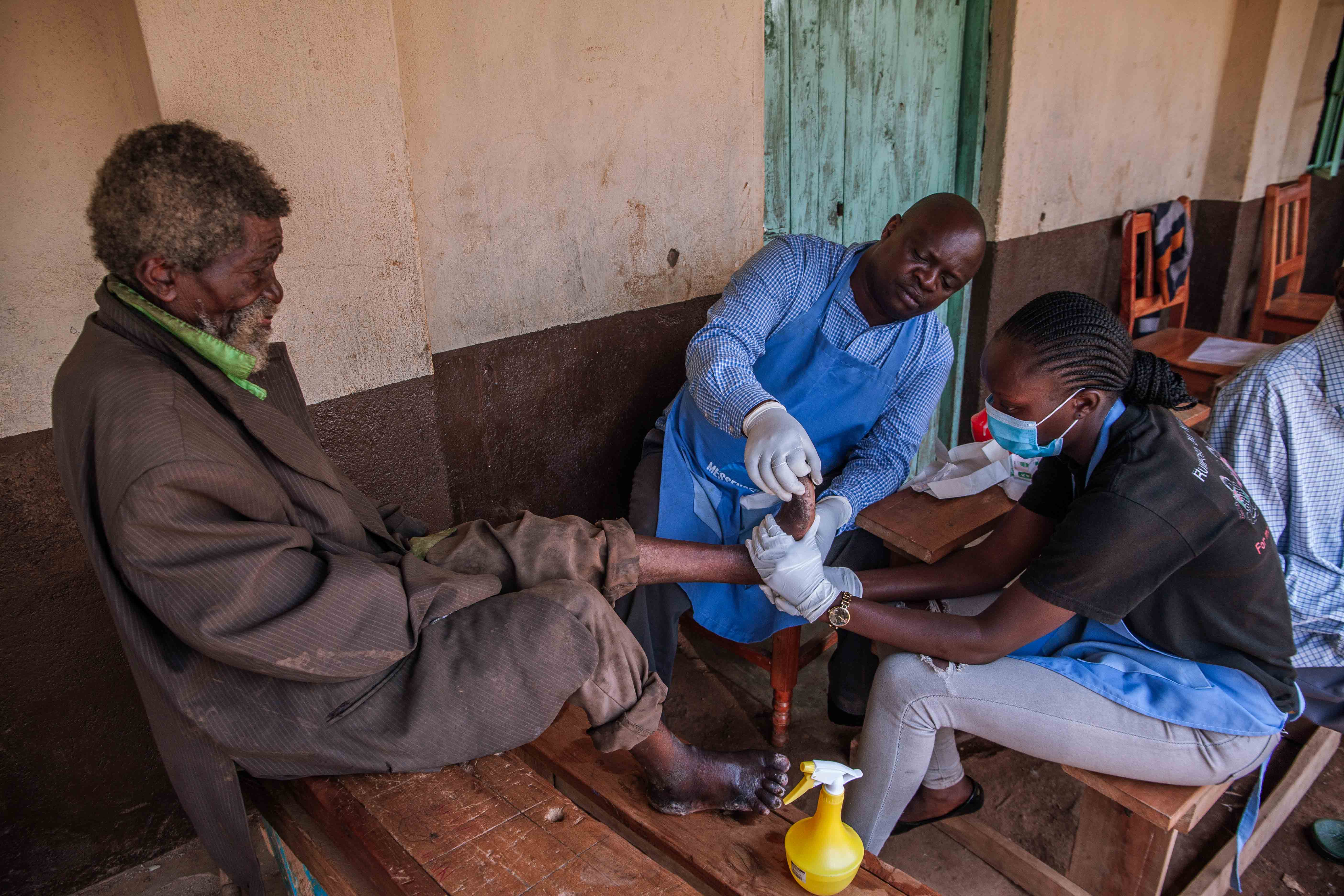
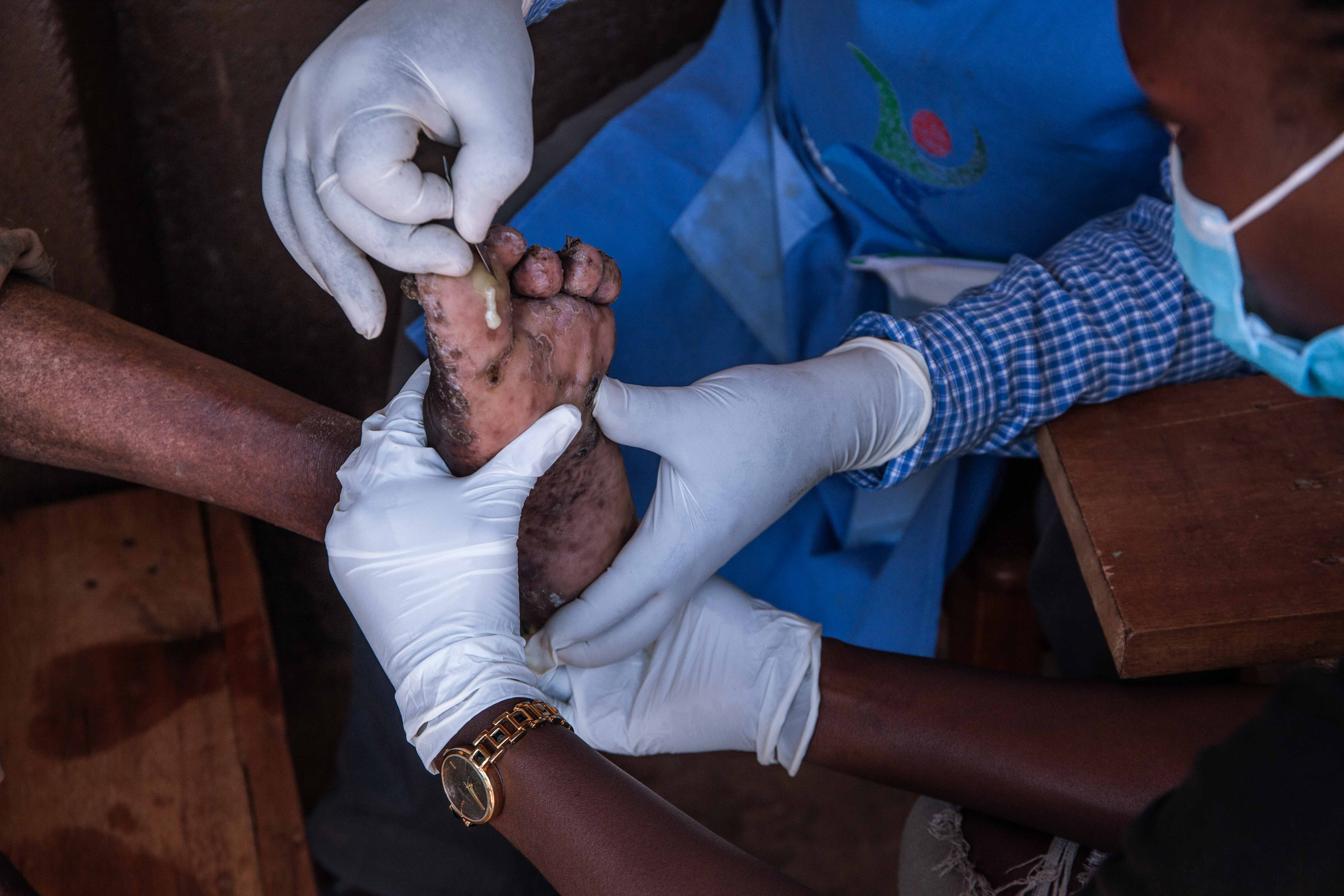
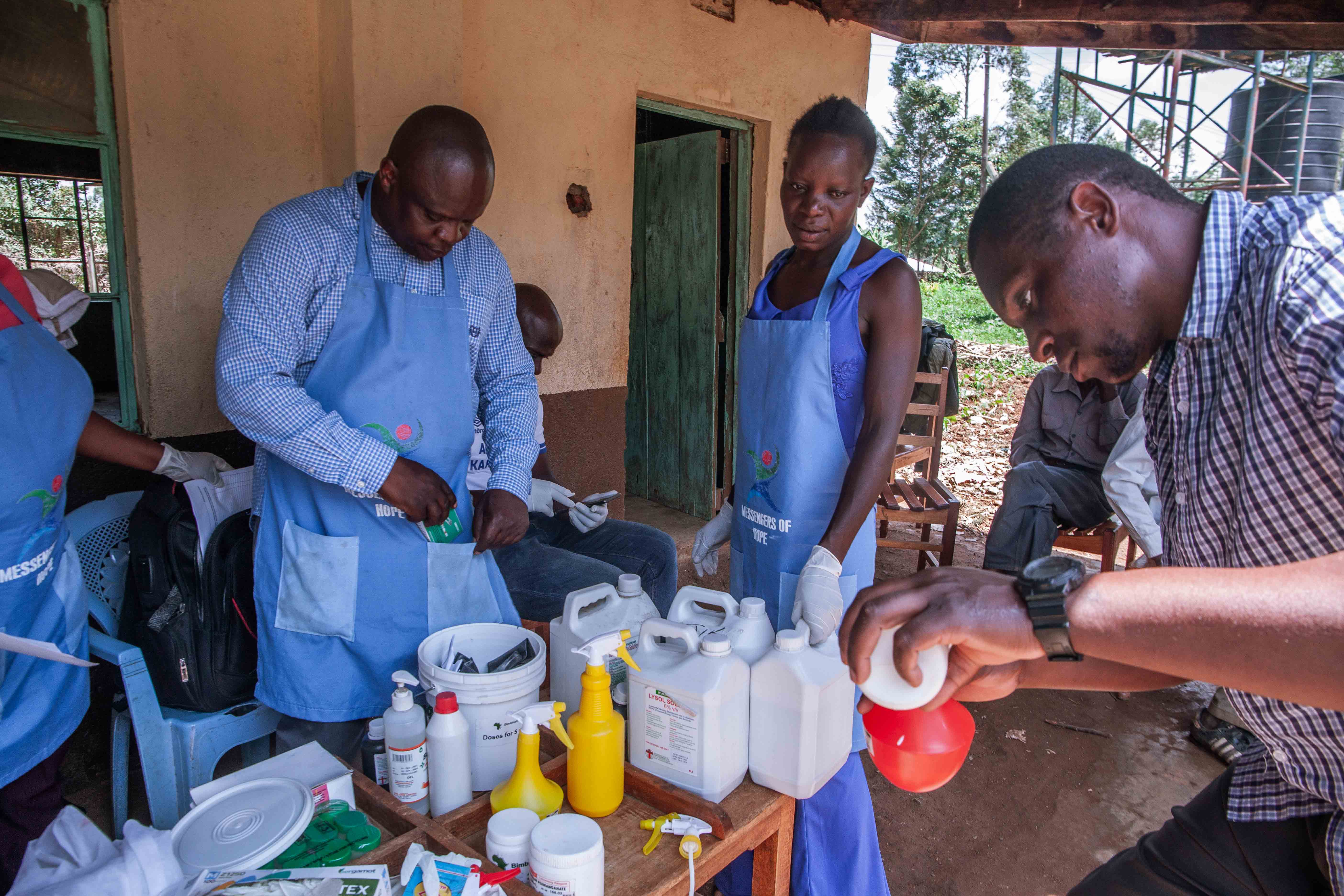
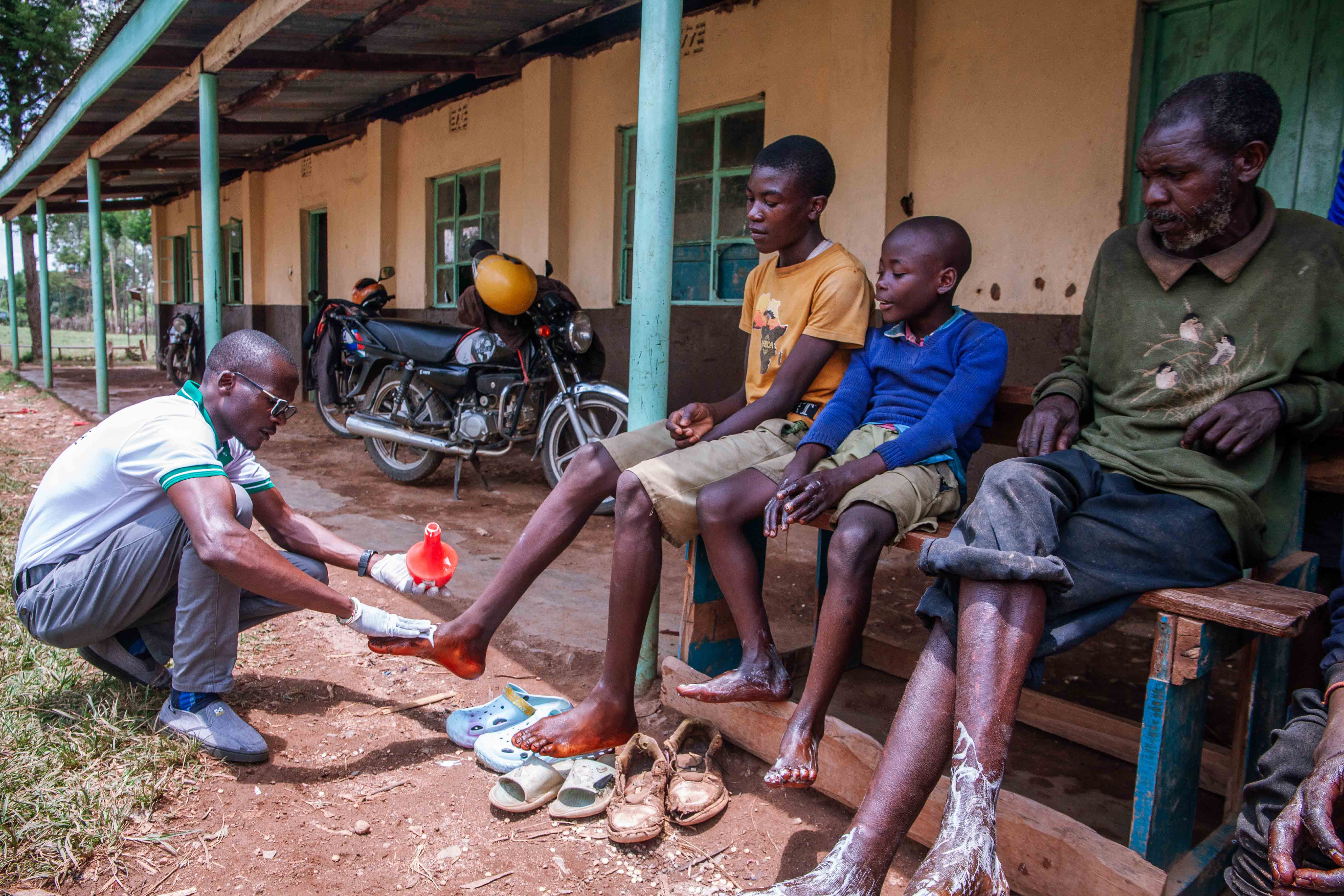
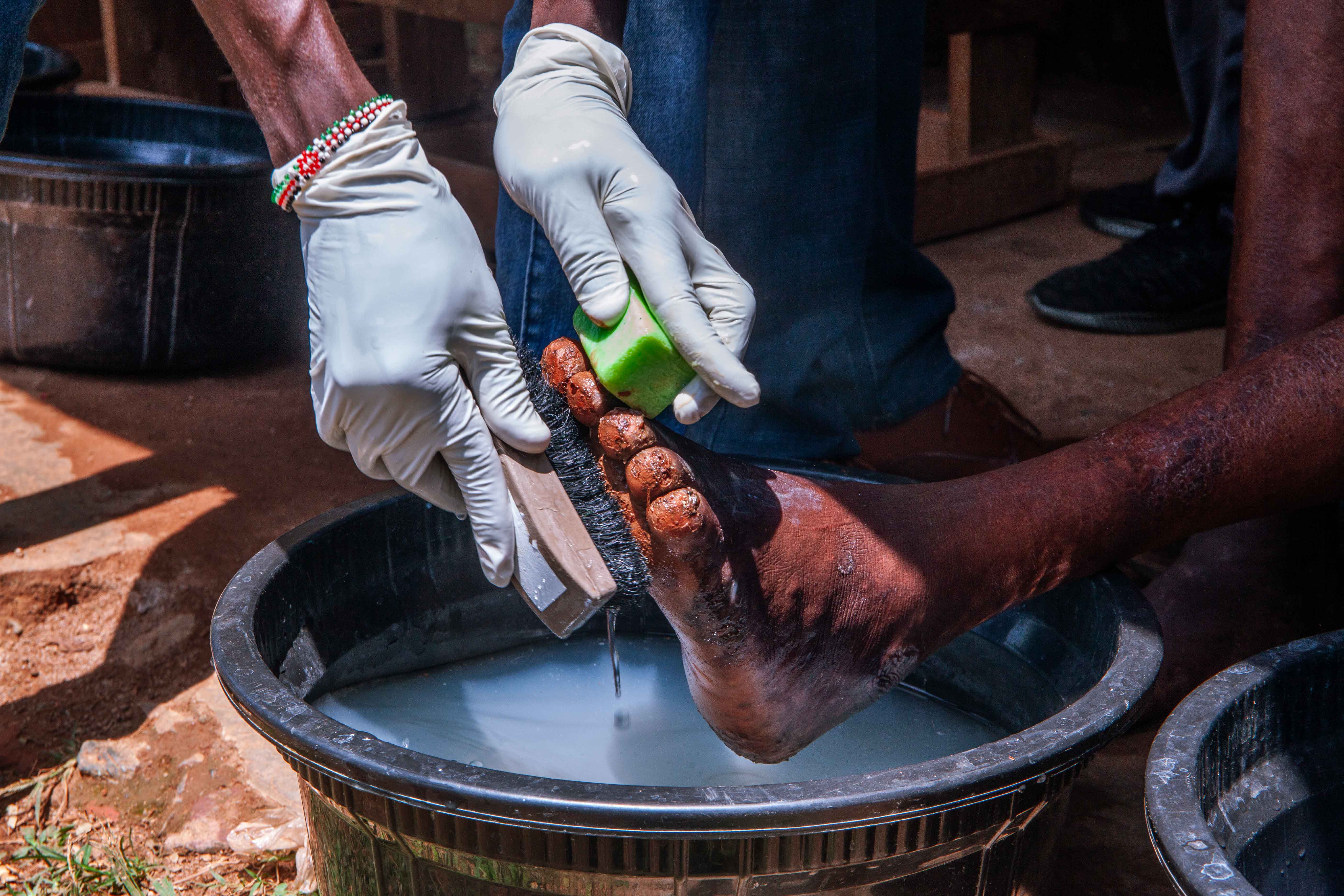
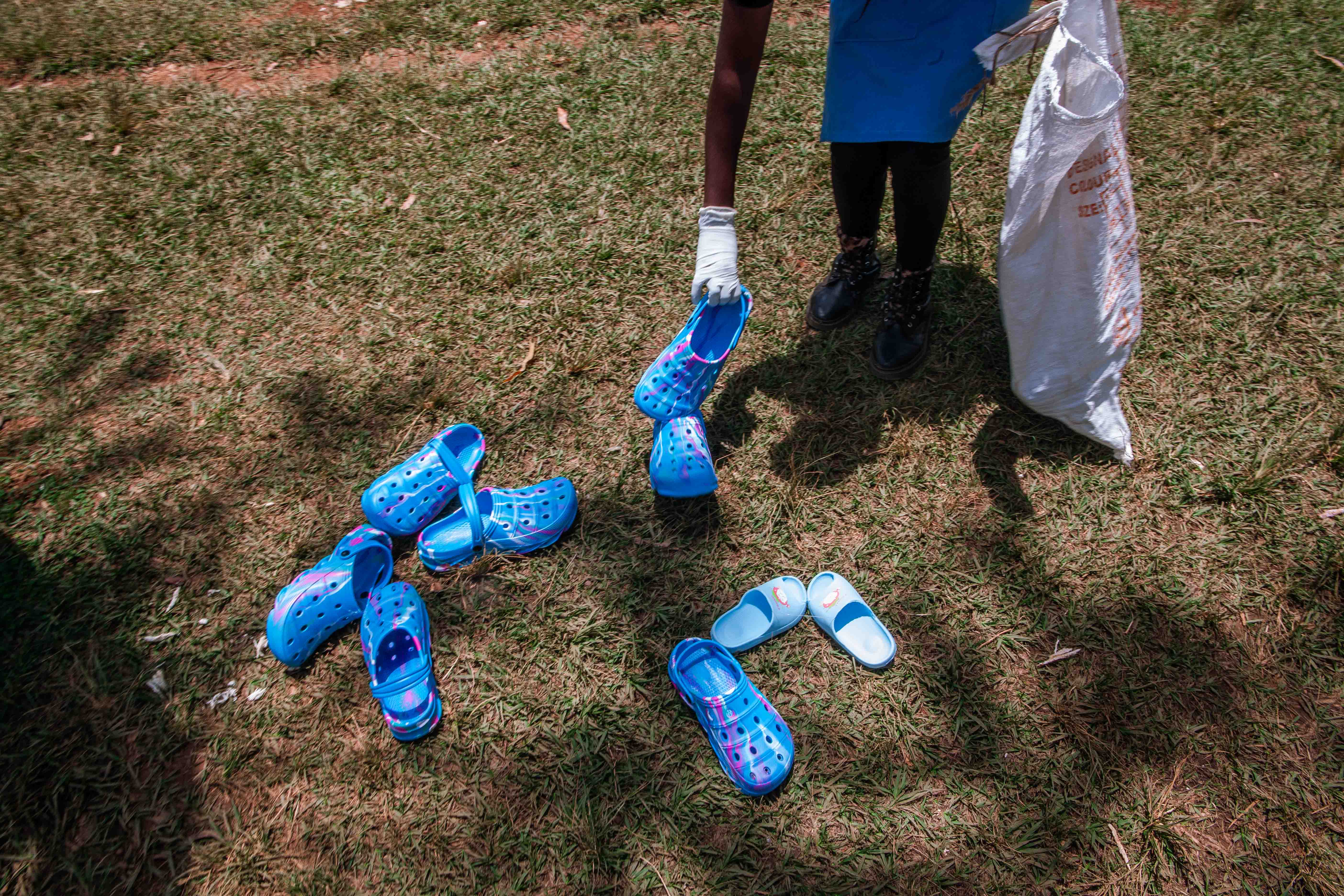
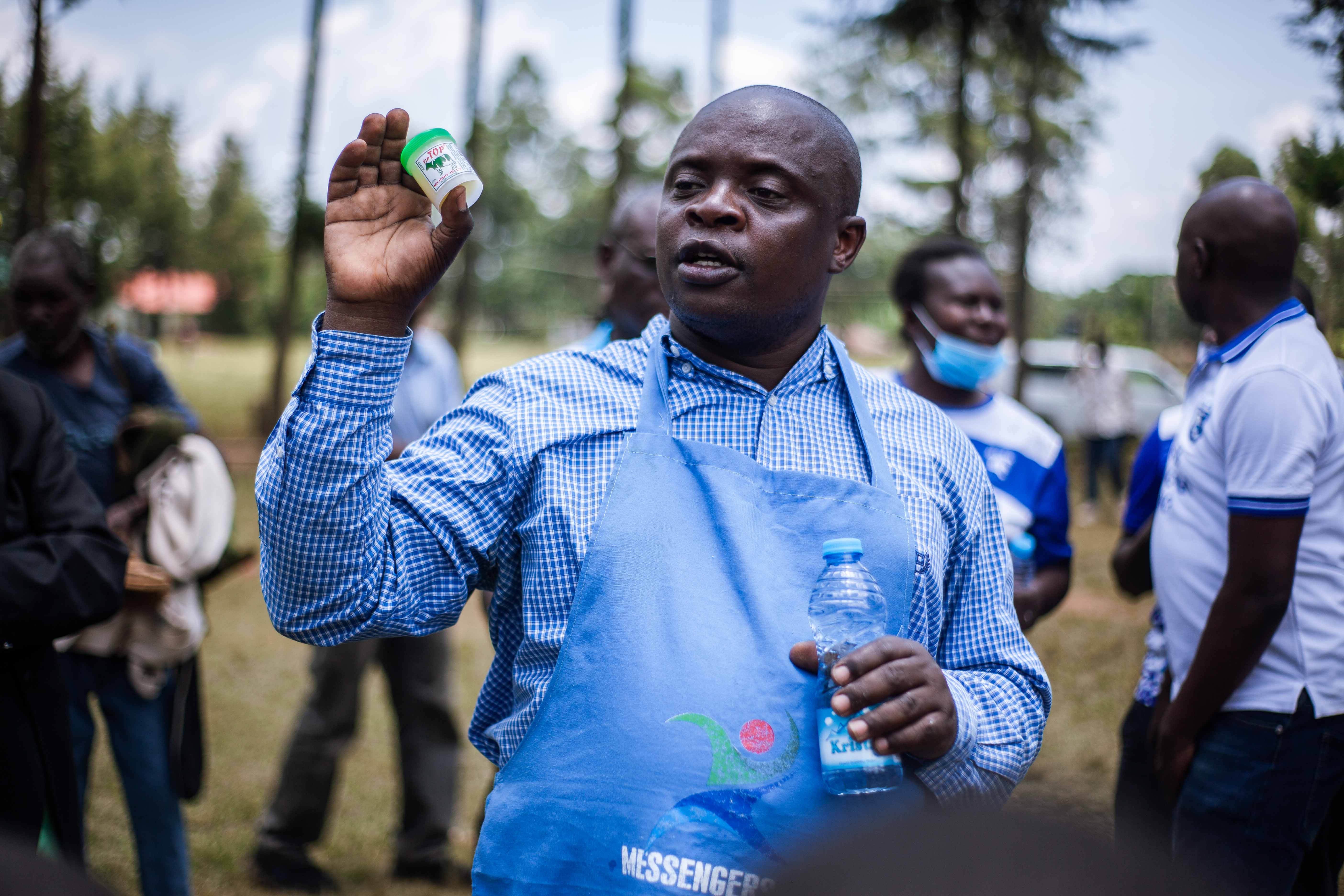
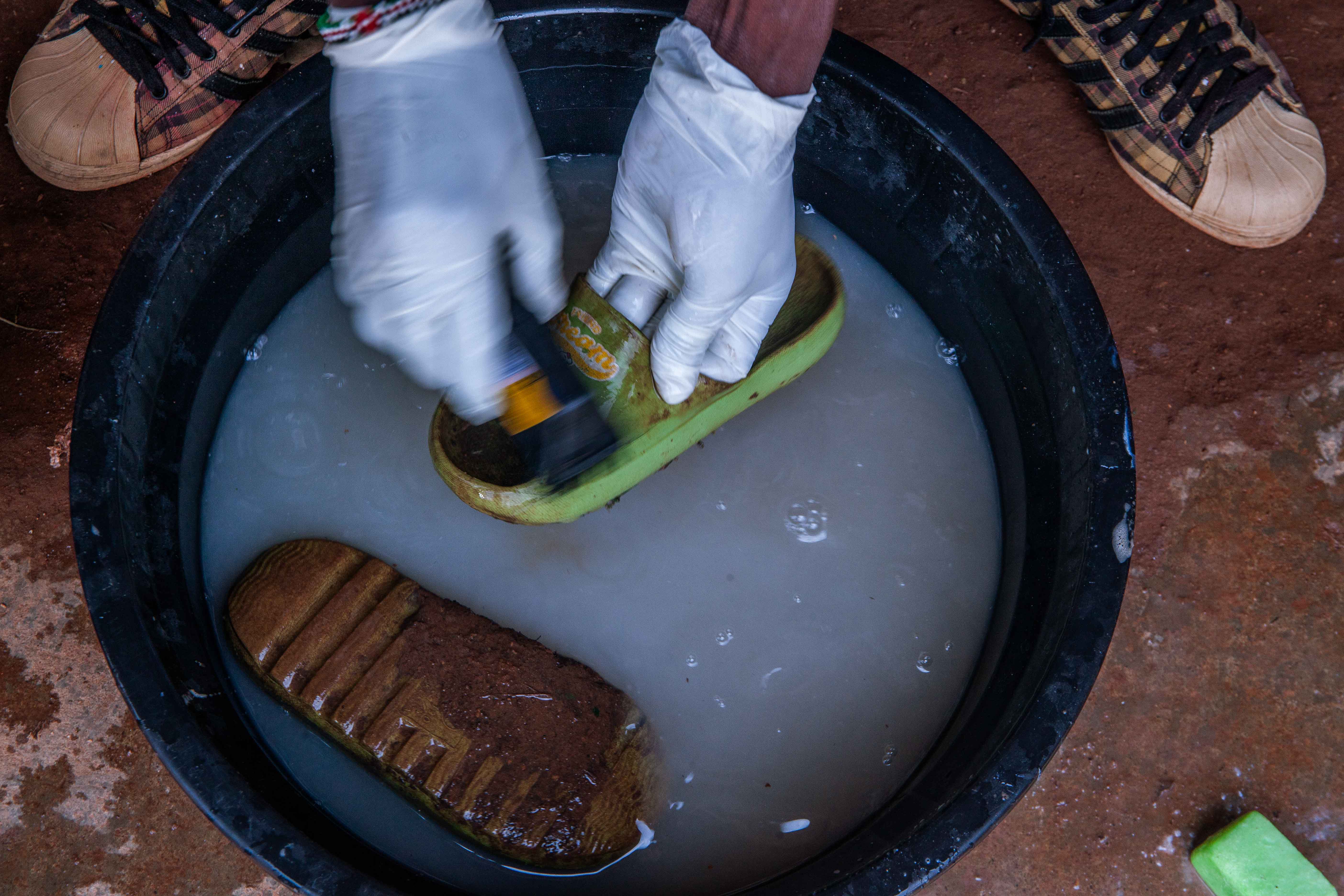
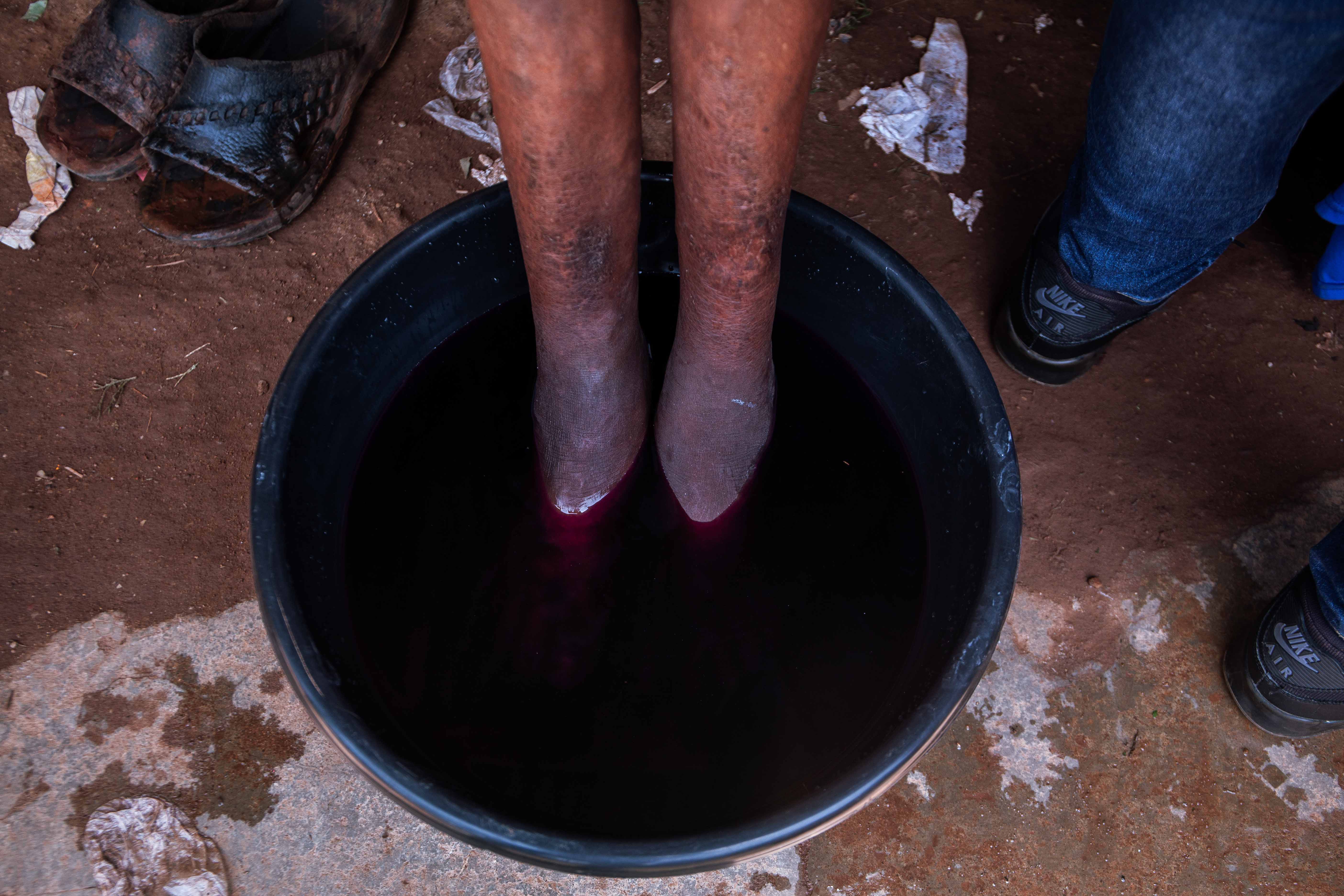
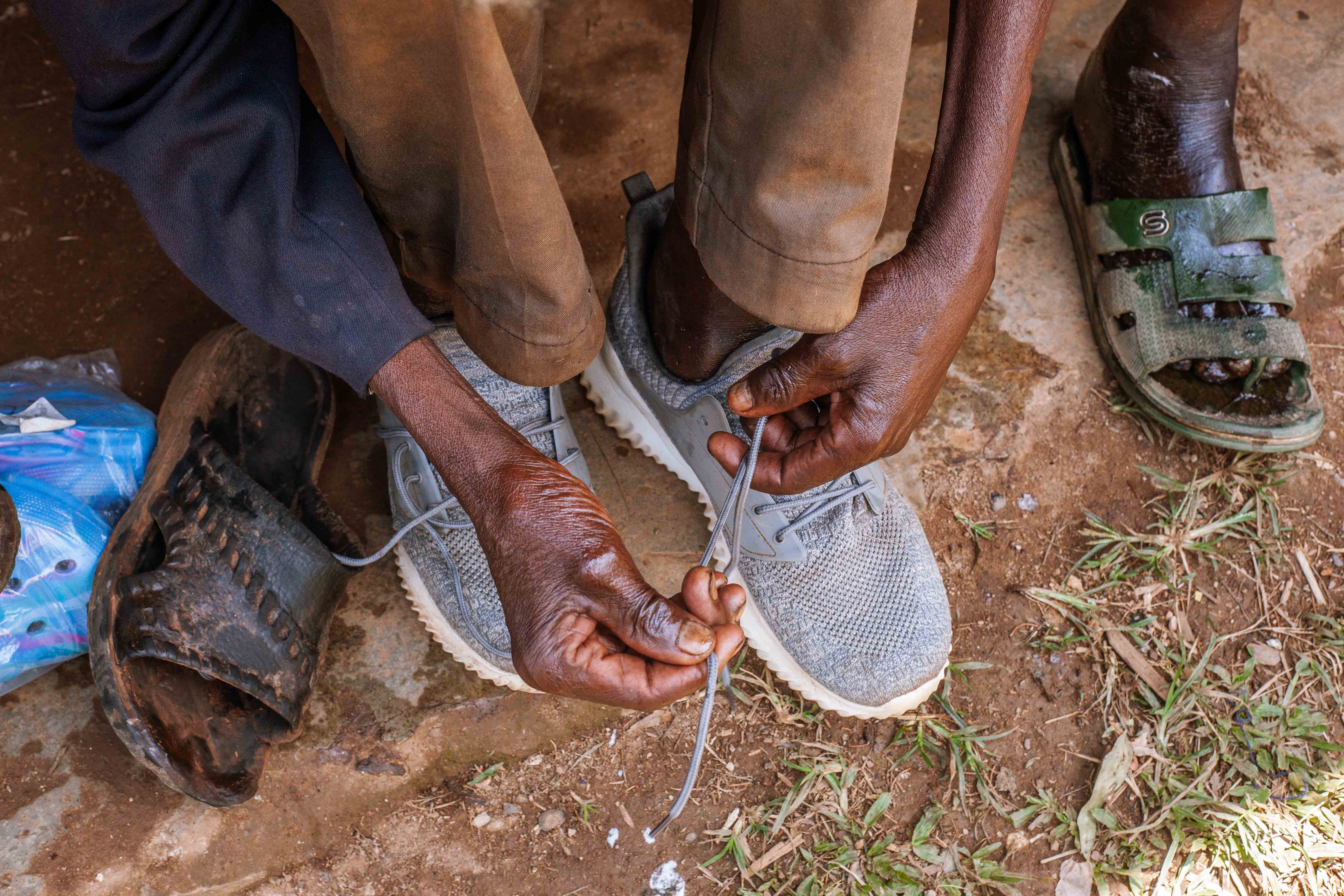
In rural Kenya, jigger infestations are often viewed as a curse, a personal failing, or a shameful secret. In response to this silent crisis, the African Lumiti Foundation—a local nonprofit working to eradicate jigger infestations—led a deeply restorative process that goes beyond medical treatment. They conduct community mobilization and education to reduce stigma and raise awareness, comprehensive treatment camp where individuals receive compassionate care. Infested feet and hands are first gently washed to soften the skin, then trained health workers carefully extract the embedded fleas, disinfect wounds, and provide proper bandaging. In collaboration with with other community interventions and students from Masinde Muliro University of Science and Technology (MMUST) Their efforts extend beyond physical treatment. They speak to the soul of the community.
This body of work does not seek to sensationalize suffering. It aims to honor it—and to remind us that public health is not just about clinics and medication. It is about visibility, dignity
Jiggers may be small, but their impact is profound. So, too, is the power of community when it comes together—in care, in action, and in hope.