Manuscript : The Art of Living
1. Introduction
“Everyday living is an act of creation. This belief defines Kibera’s heartbeat.”
Kibera is often spoken of in statistics, stereotypes, and soundbites—but rarely is it viewed through the lens of art. This project, The Art of Living, is a counter-narrative: a visual and narrative exploration that reveals how the people of Kibera turn life itself into art. Through daily rituals, improvisation, craftsmanship, celebration, resistance, and adaptation, a vibrant visual language emerges—one that speaks of dignity, identity, and meaning.
This work is born from lived experience. As a resident, photographer, and storyteller, I have witnessed how Kibera’s residents shape their lives like sculptors—fashioning homes, traditions, and aspirations from scarcity and abundance alike. This manuscript does not attempt to romanticize struggle, but to illuminate the artistry in how people move through it with soul.
2. Statement of Purpose
The purpose of this manuscript is to document and celebrate the creative spirit embedded in Kibera’s everyday life. It aims to:
- Challenge monolithic and often dehumanizing narratives about informal settlements.
- Elevate ordinary moments to extraordinary visual stories.
- Offer a platform for voices that are seldom heard but always expressive.
- Inspire you to see the art in your own life—especially in unexpected places.
3. Visual Philosophy / Aesthetic Approach
The aesthetic of this project is rooted in:
- Observational Intimacy: Close, embedded visual storytelling rather than distant reportage.
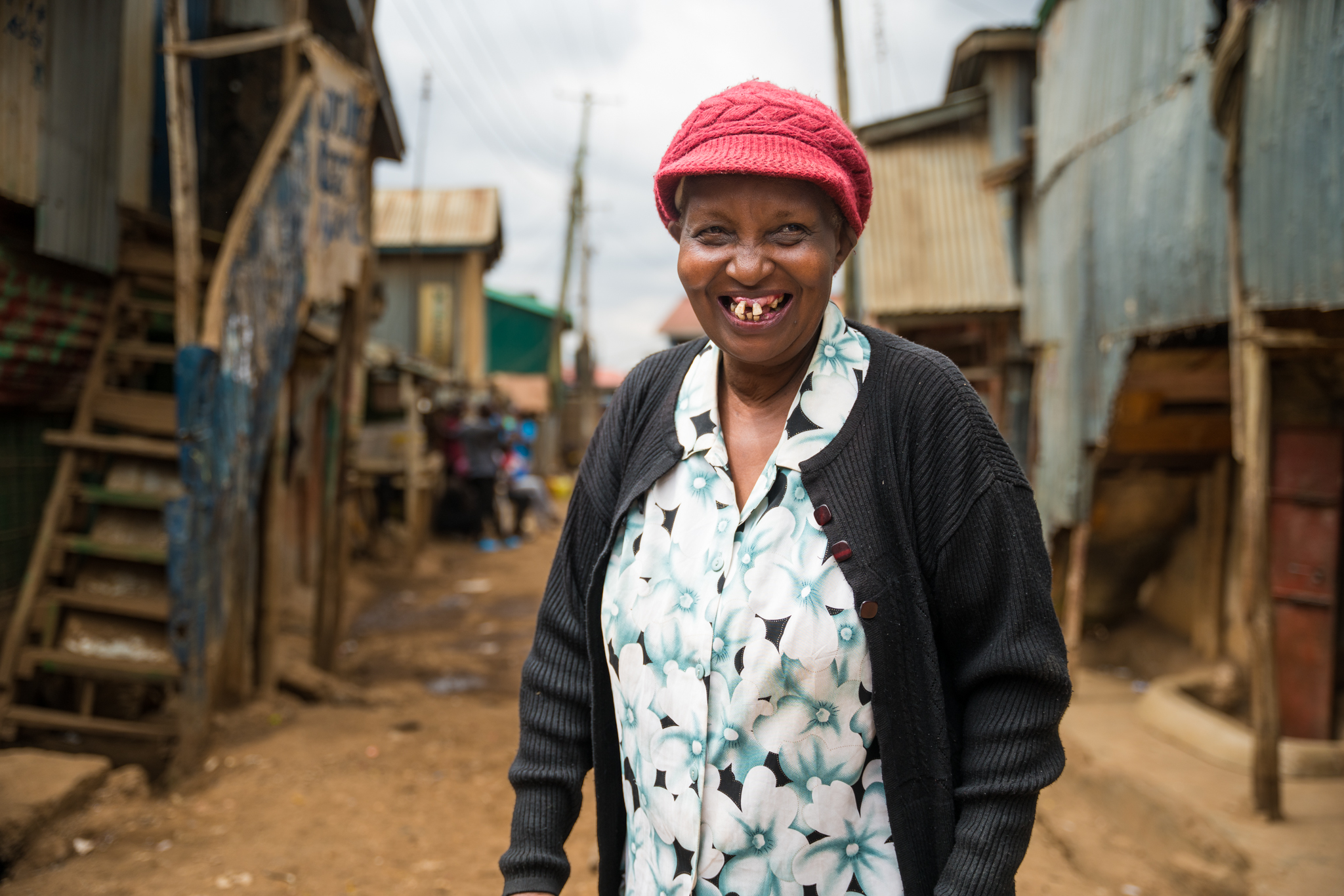
- Natural Light & Everyday Spaces: Photographs that reflect authenticity—sunlight streaming through tin rooftops, shadows falling across market stalls, smiles exchanged over shared meals.
- Poetic Juxtaposition: The tension between fragility and resilience, laughter and labor, chaos and composition.
- Portraiture of Presence: People who are not objects of pity but subjects of pride for the Community.
4. Chapter Outlines
Chapter 1: The Canvas of the Everyday
Chapter 2: Fashioning Identity
Chapter 3: Architecture of the Soul
Chapter 4: Celebration as Survival
Chapter 5: The Invisible Artists
Chapter 6: Children of the Muse
Chapter 7: Silence & Reflection
5. Methodology & Process
This project was built over years of observation, interaction, and trust. I did not parachute in to take photos—I grew into the work slowly, with intention. Methods included:
- Immersive Living: Being a resident allowed deep access and authentic connections.
- Consent-Based Photography: Every image is made with the subject’s permission and often their participation.
- Reflexive Journaling: Personal notes and reflections accompanying some visual chapters.
- Community Collaboration: Some images were co-created, with input from subjects on how they wanted to be portrayed.
6. Reflections from the Field
Some days, time feels too short to capture the fullness of life here. Other days, I am reminded that stillness reveals more than speed. The work taught me to listen. To pause. To let moments arrive rather than chase them.
As a documentary Photographer telling community stories, I am constantly learning from Kibera’s people—how they shape stories from silence, find balance in imbalance, and mold art from the unexpected.
7. Afterword: The Art of Being Seen
The Art of Living is ultimately a call to see—truly see—the art that lives in all of us. Kibera is not just surviving; it is composing, curating, creating. The real poverty is in how the world chooses not to see this.
This investigative project is an invitation. Not to visit Kibera. But to look more deeply at your own everyday world and ask: where is the art in my living?