
Health, Survival, and Pollution: Battling Garbage and Pollution in Dandora Slums
Dandora landfill covers approximately 30 acres, is the destination of about 850 tonnes of solid waste generated daily by Nairobi, which has a population of over 2.7 million people. The people have a strong will but the sight and the stories are heart breaking.
The Mountains of Waste
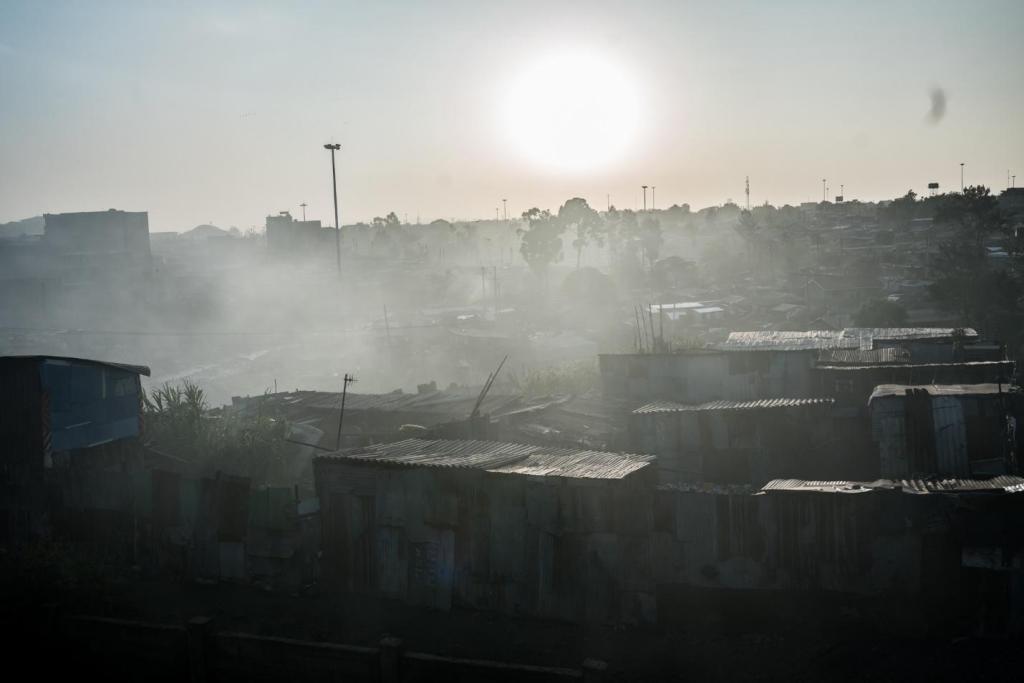
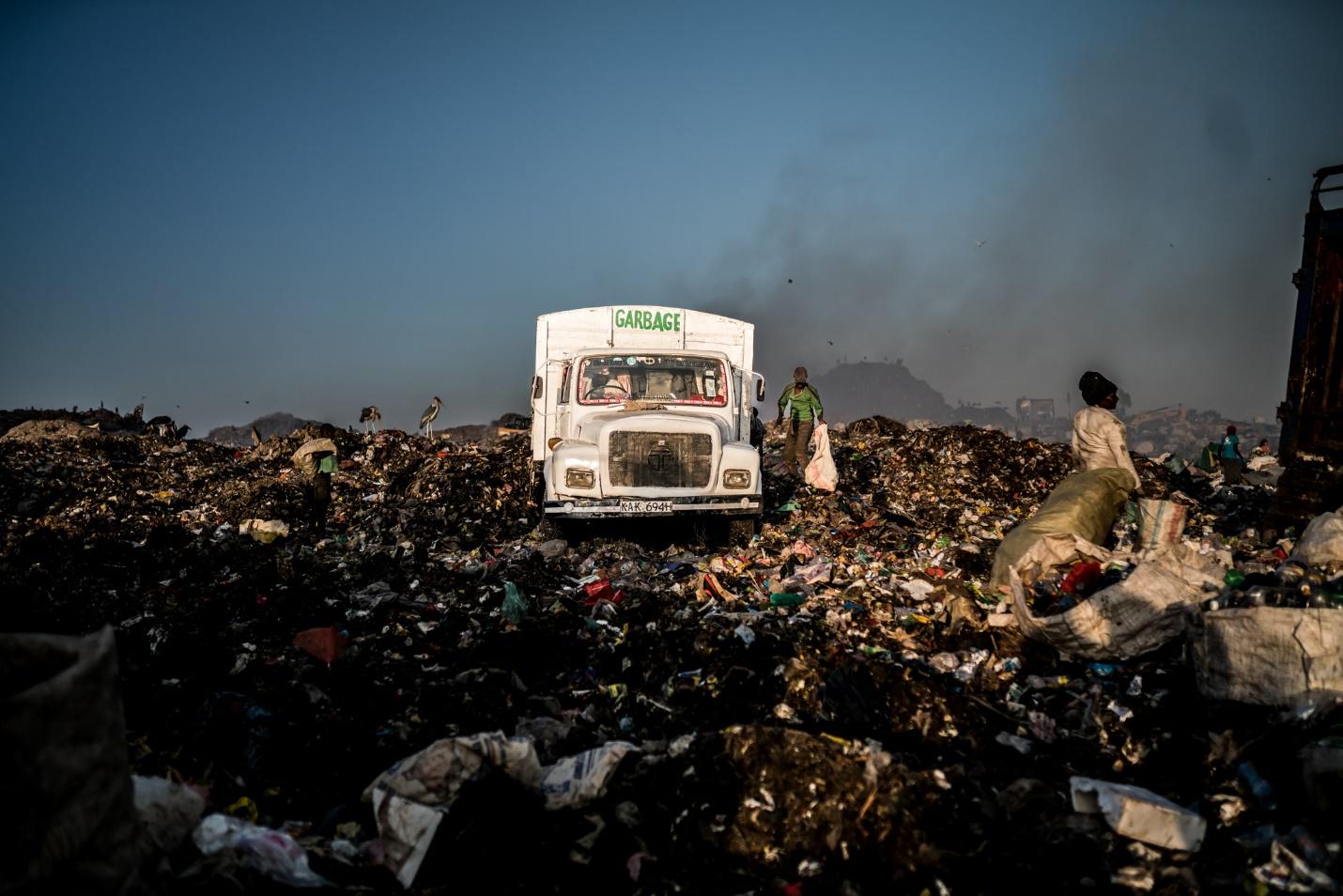
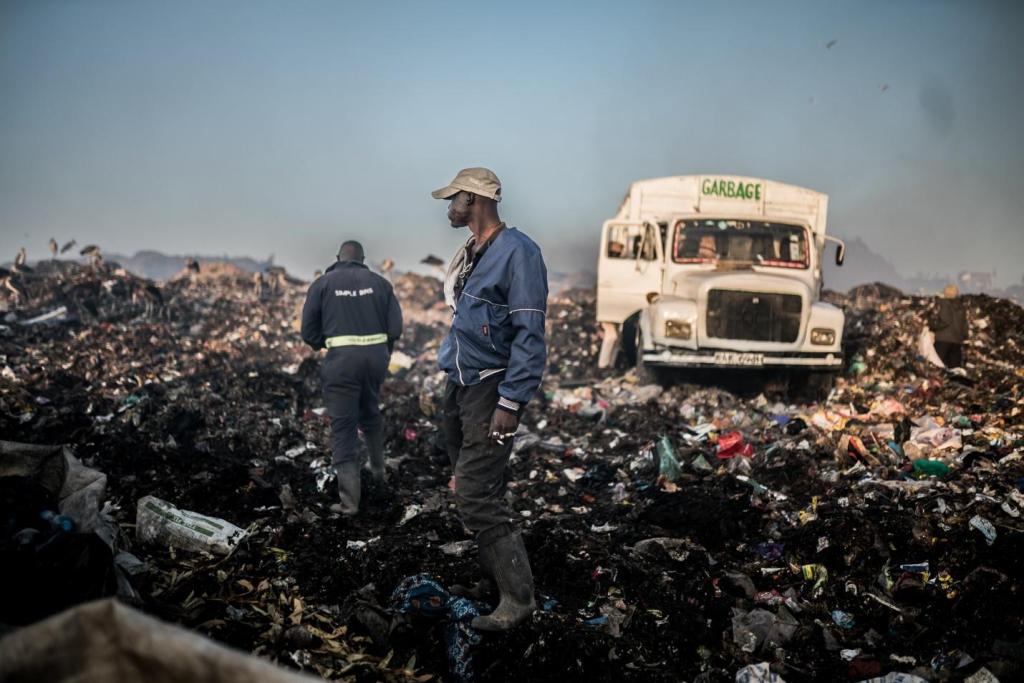
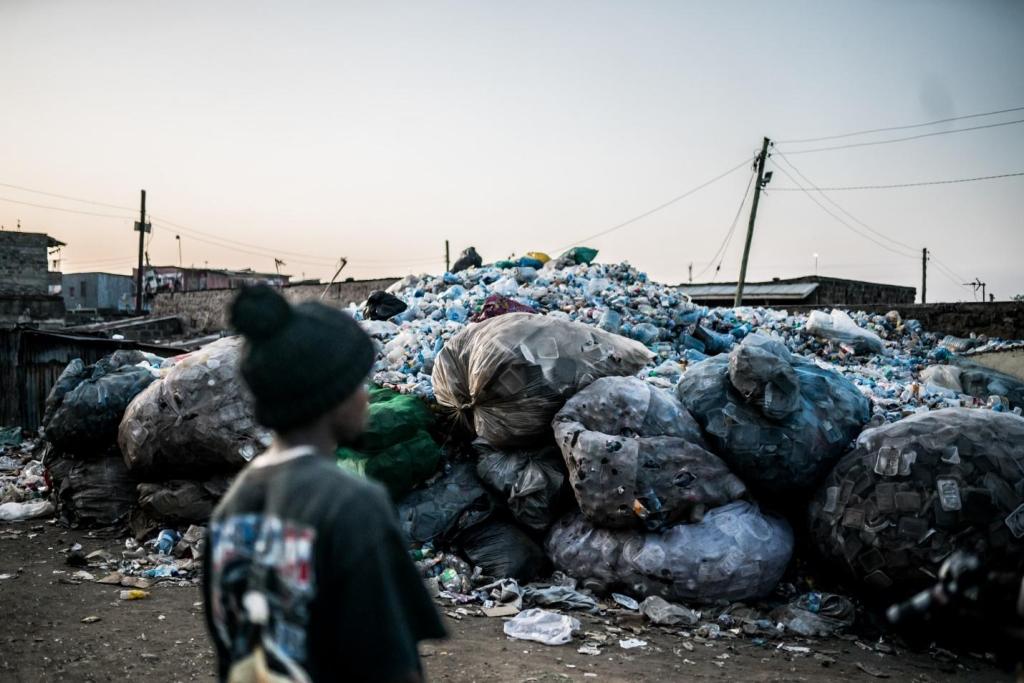
Standing at the heart of Dandora, the dumpsite is an overwhelming sight. A sea of garbage stretching endlessly across the horizon. Heaps of waste, both domestic and industrial, tower over makeshift homes and businesses. Smoke from burning plastics and other toxic materials fills the air. These images illustrate the magnitude of the problem as scavengers sift through the trash to find anything of value.
.


Breathing in Toxins
Air pollution in the Dandora slums is a silent but deadly killer. The constant burning of waste releases harmful chemicals into the atmosphere, exposing residents to toxic fumes. The result is a growing health crisis, with respiratory illnesses, skin conditions, and other ailments on the rise. Smoke from burning plastics and other toxic materials fills the air. These images illustrates the magnitude of the problem as scavengers sift through the trash to find anything of value.


Children of Dandora
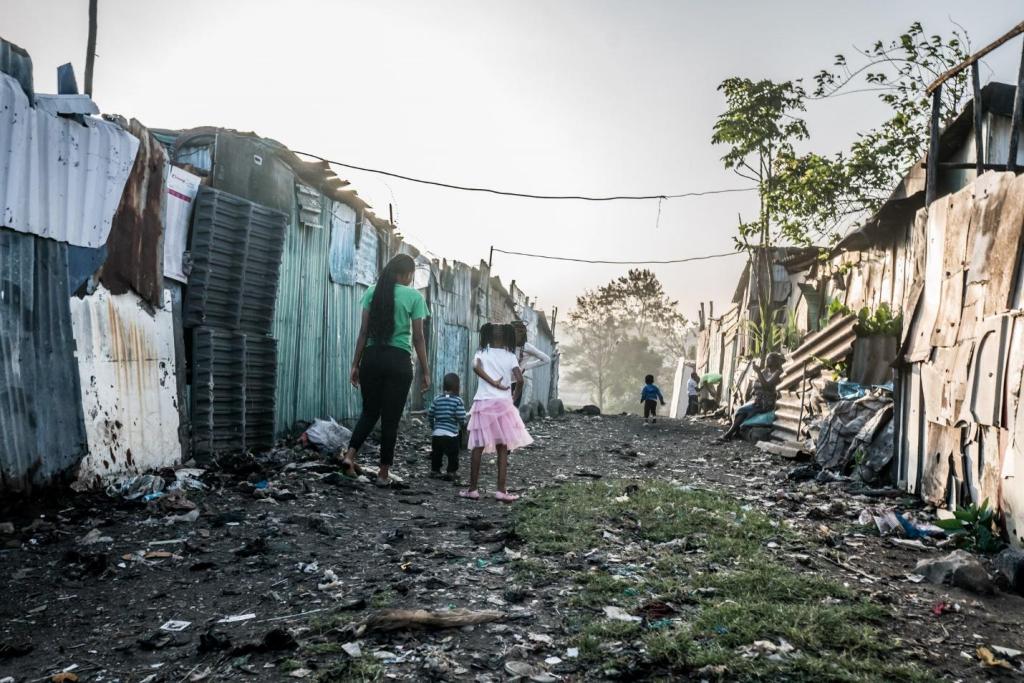
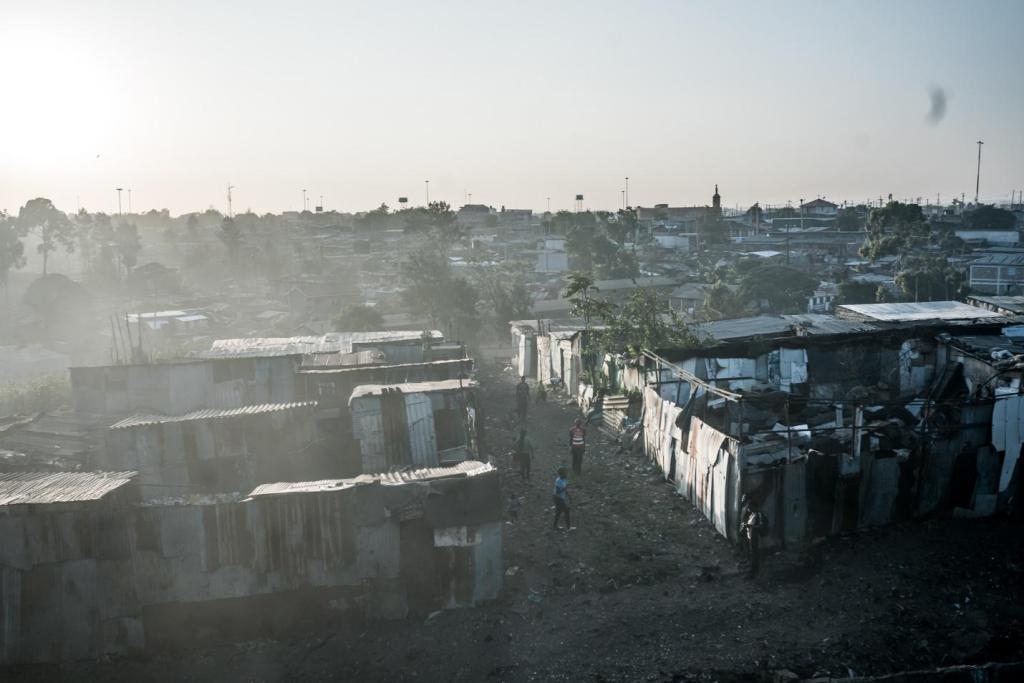
Children are among the most vulnerable in Dandora. Some children will spend their days scavenging for recyclables or food in the dumpsite, unknowingly exposing themselves to dangerous chemicals such as lead, mercury, and cadmium. Studies have confirmed the presence of these hazardous elements, which pose a serious threat to human health. The photo everyday life of children in dandora.
Children of dandora on a normal late evening.
Water Pollution and Waste Disposal
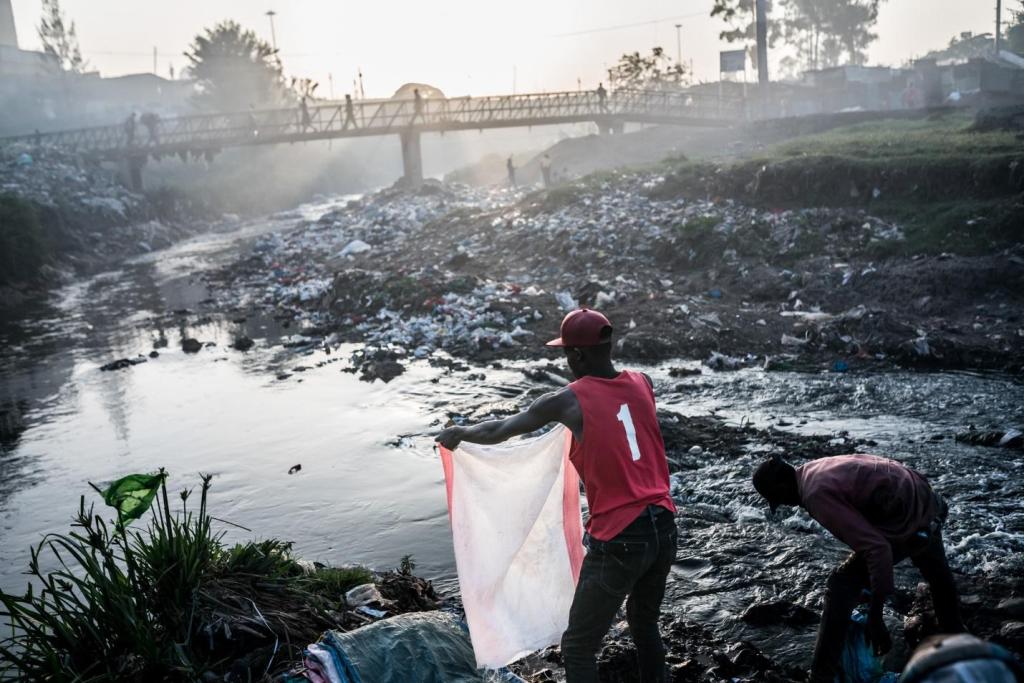
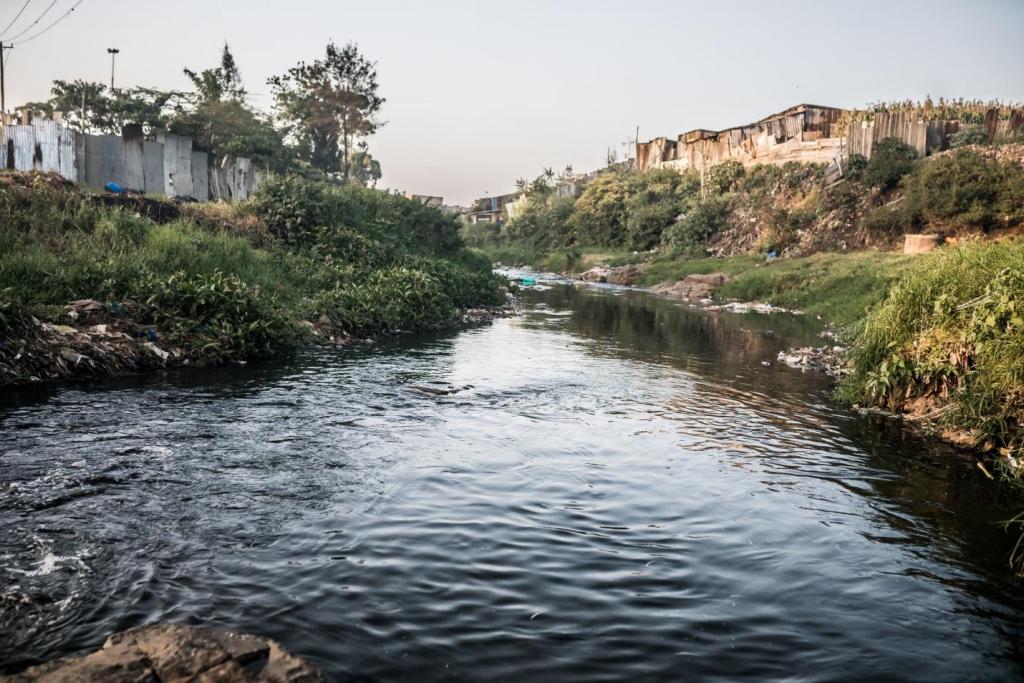
The Dandora dumpsite’s impact isn’t limited to the air, it also pollutes water sources in and around the slums. With medical and industrial waste dumped indiscriminately, water contamination is rampant. Residents rely on nearby rivers and wells for water, which are often laced with toxins and heavy metals. This image depicts polluted stream, highlighting the dangers posed by contaminated water supplies


Survival on Waste
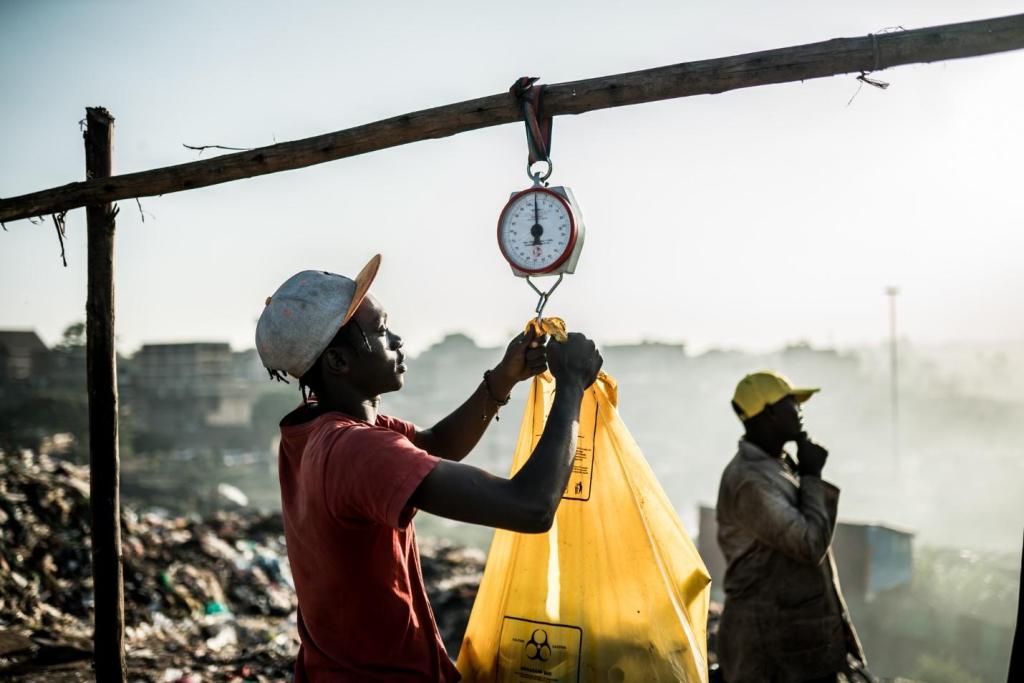
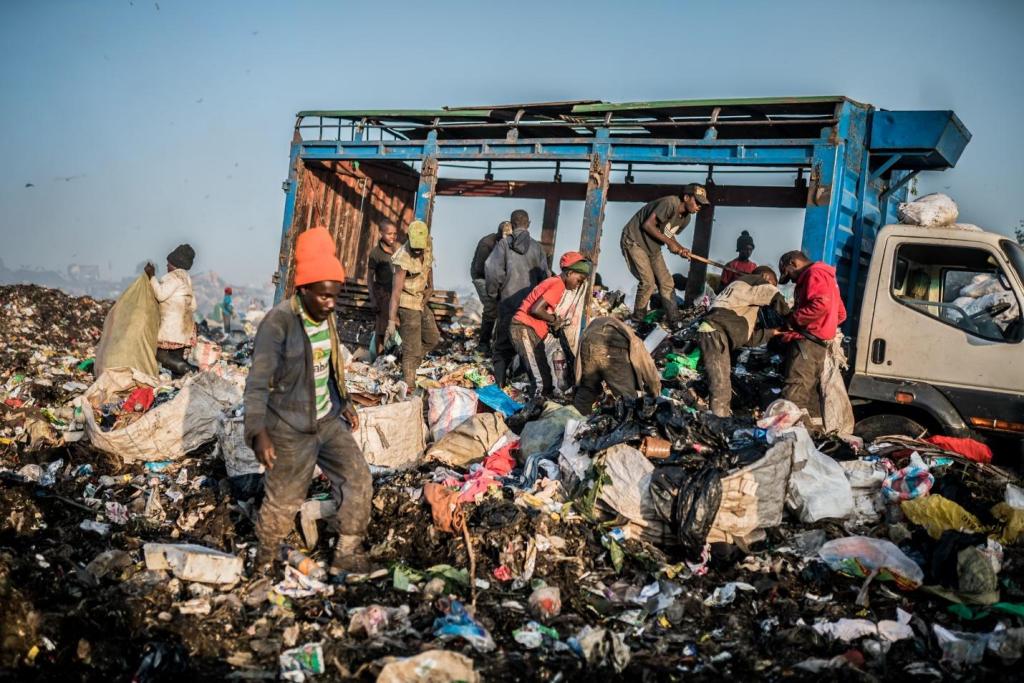
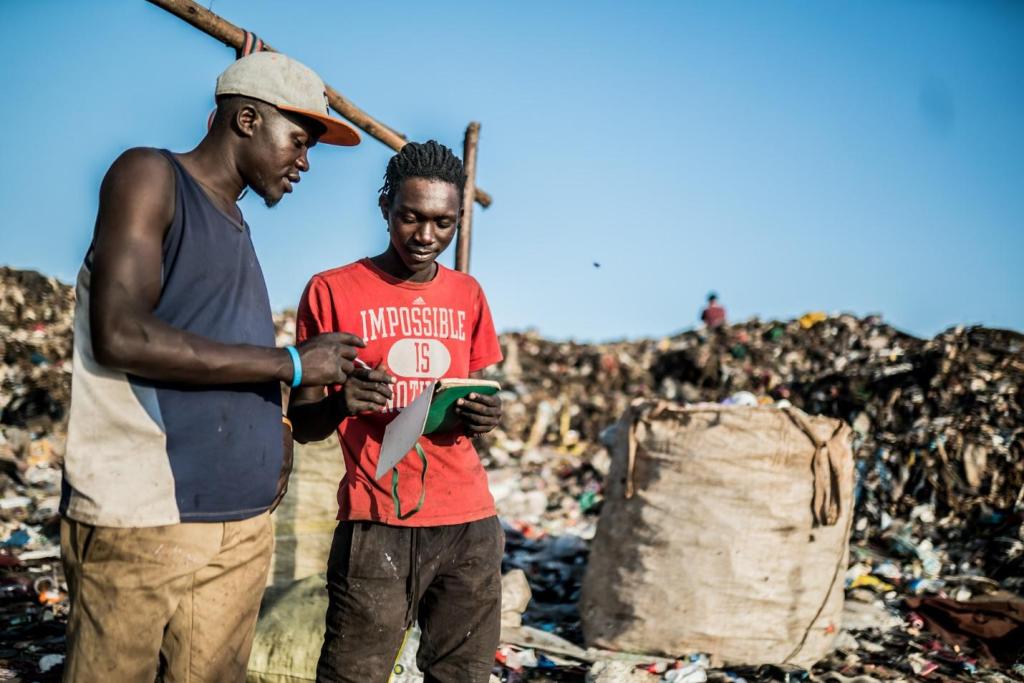
Despite the overwhelming pollution and health hazards, many residents rely on Dandora for survival. Scavenging has become a way of life for some, who sell recyclable materials to earn a meager income. This images show young men and women carefully sorting through waste, faces telling a story of both determination and exhaustion. For many, scavenging offers the only opportunity to put food on the table, all but at a great cost to their health.


Waste Recyclers
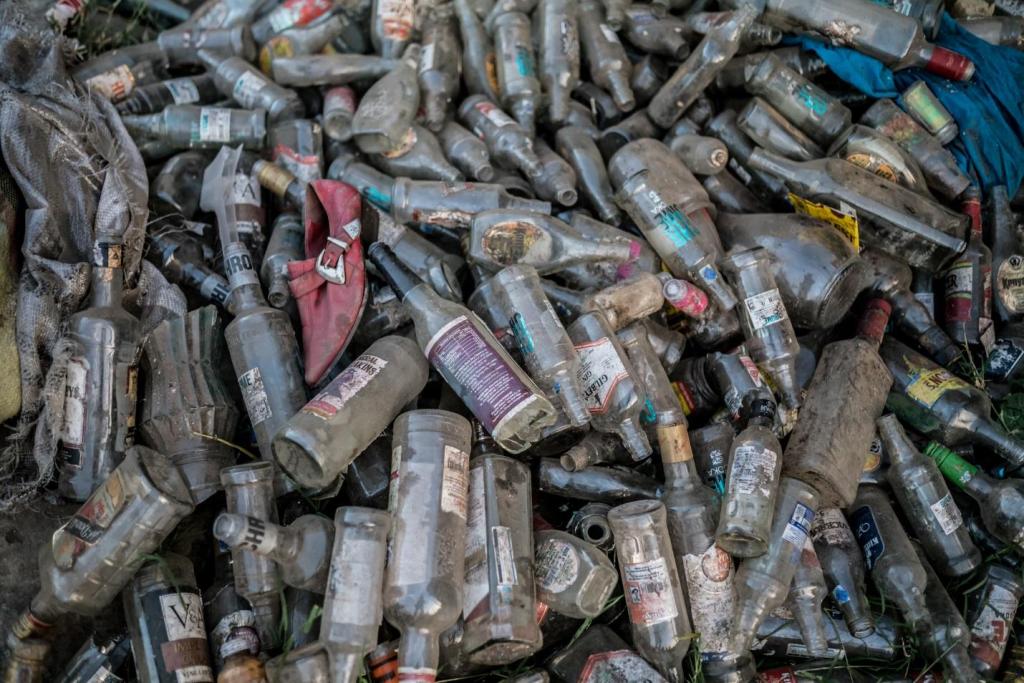
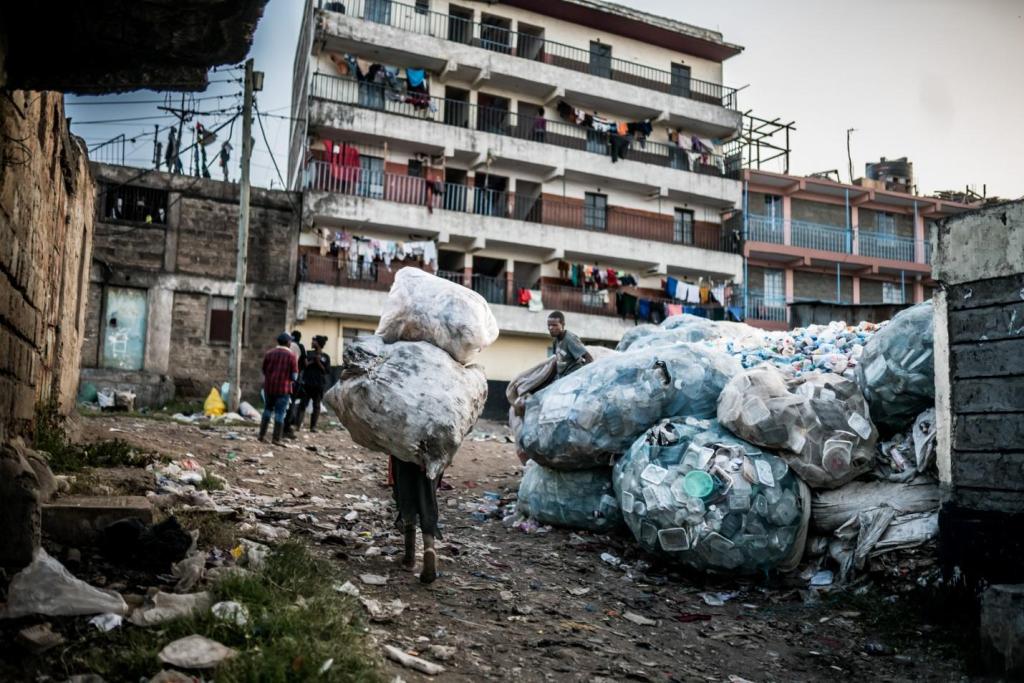
Adaptation strategies have emerged within these communities. Informal waste recycling has become a source of both survival and resilience. Organized groups collect, sort, and sell recyclable materials to earn a living, offering a glimpse of hope in an otherwise grim situation.

The Dandora dumpsite is a tragic symbol of environmental injustice, where the most marginalized communities are forced to live in the shadow of Nairobi’s waste. The impacts of garbage and air pollution on health are undeniable, with residents suffering from severe illnesses and environmental degradation. Yet, in the face of these challenges, resilience shines through. From scavengers finding value in waste to grassroots movements advocating for change, the people of Dandora continue to fight for survival and dignity.
