
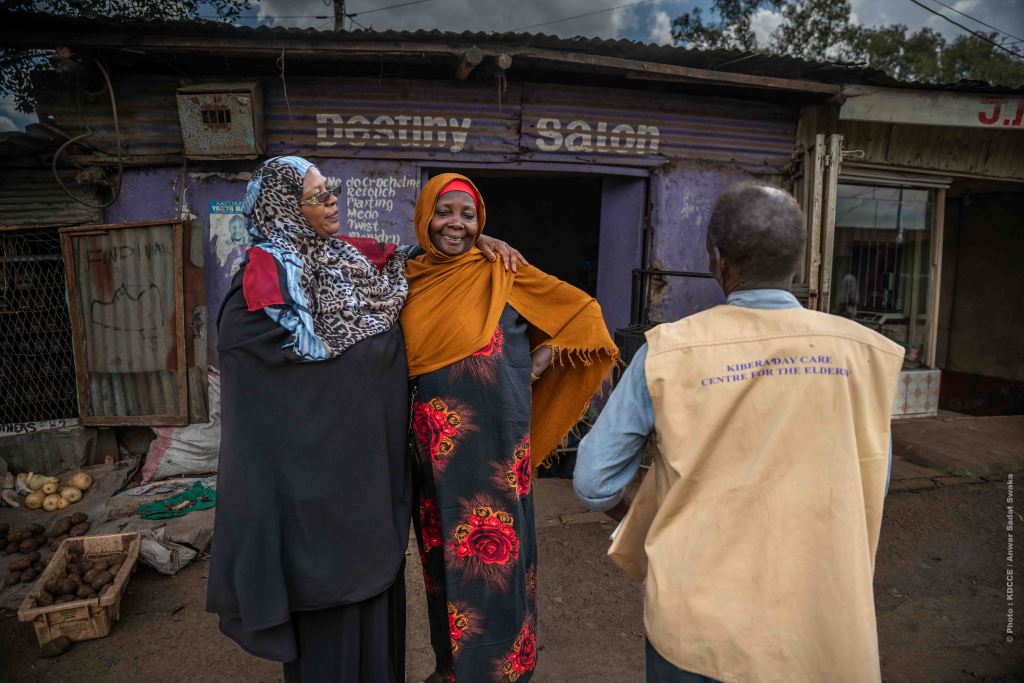

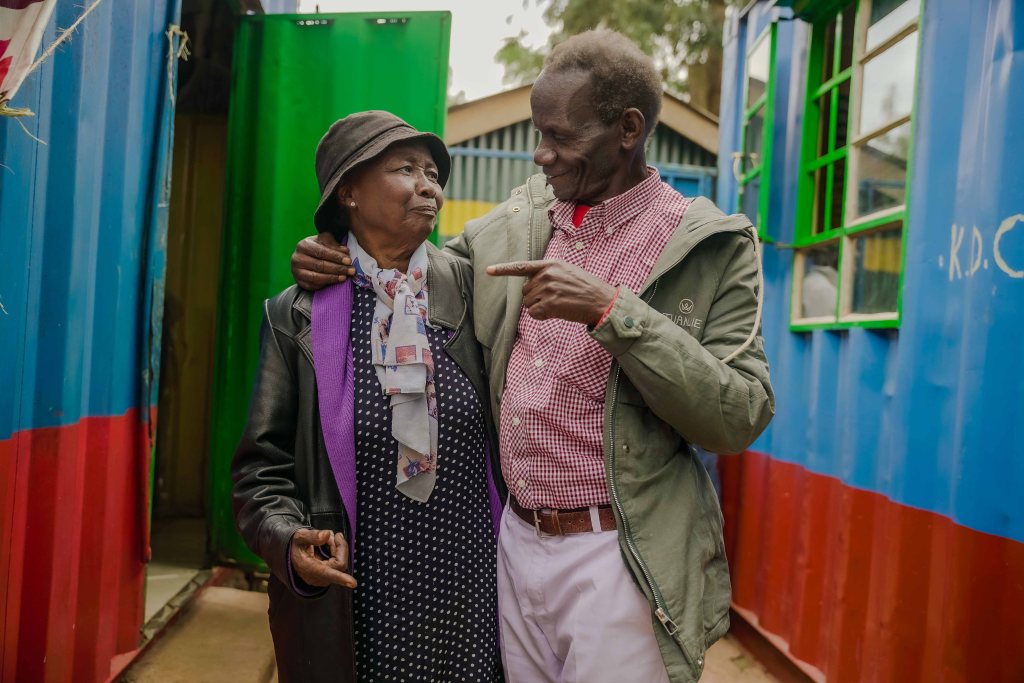
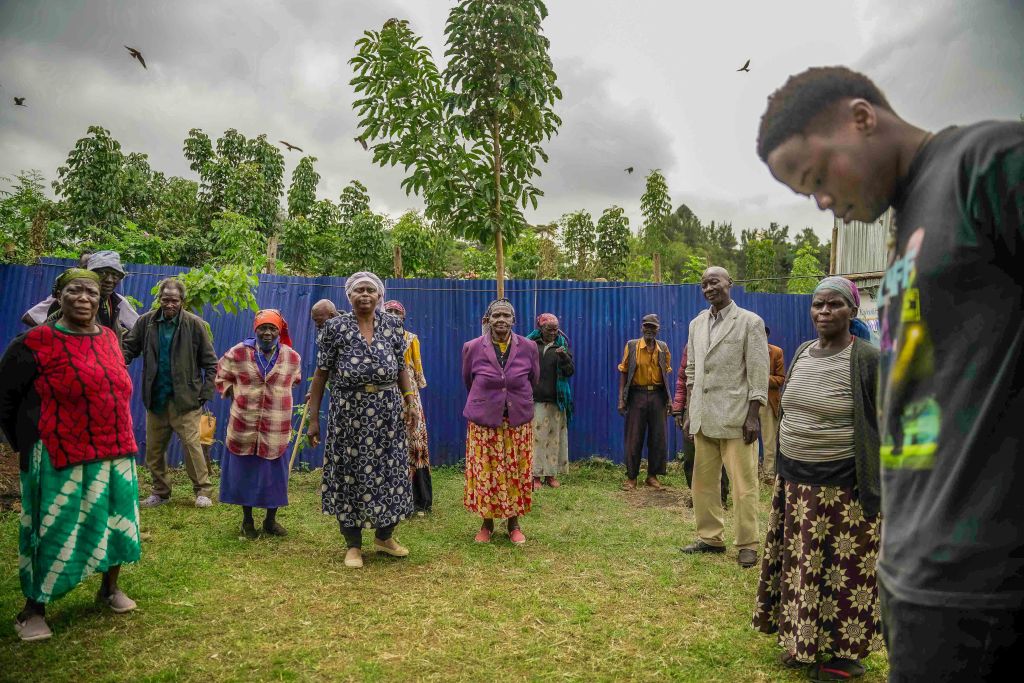
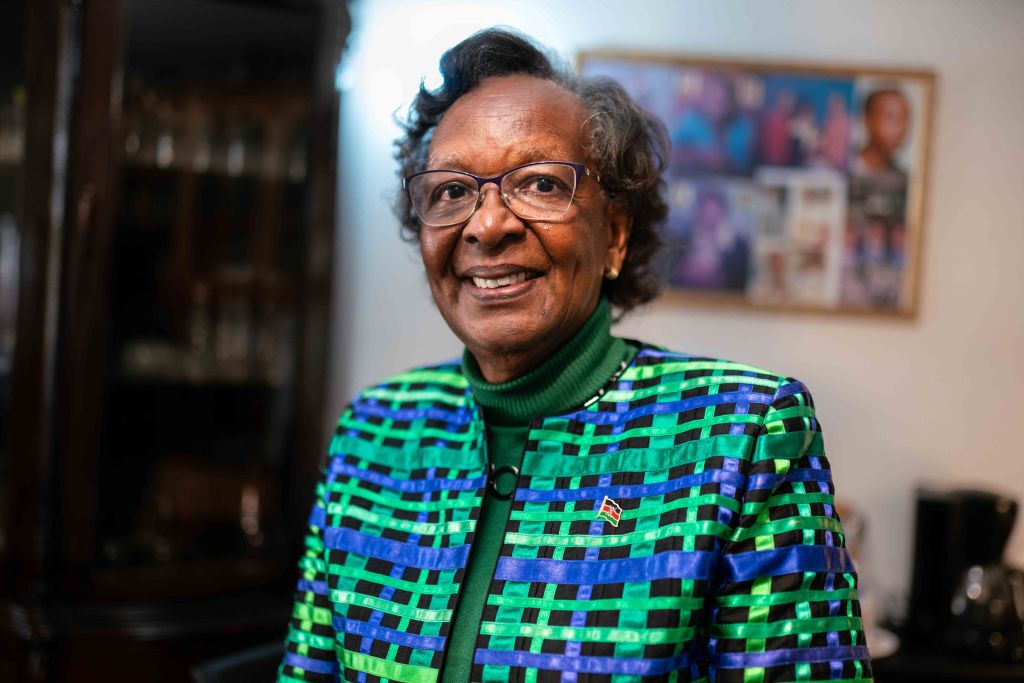
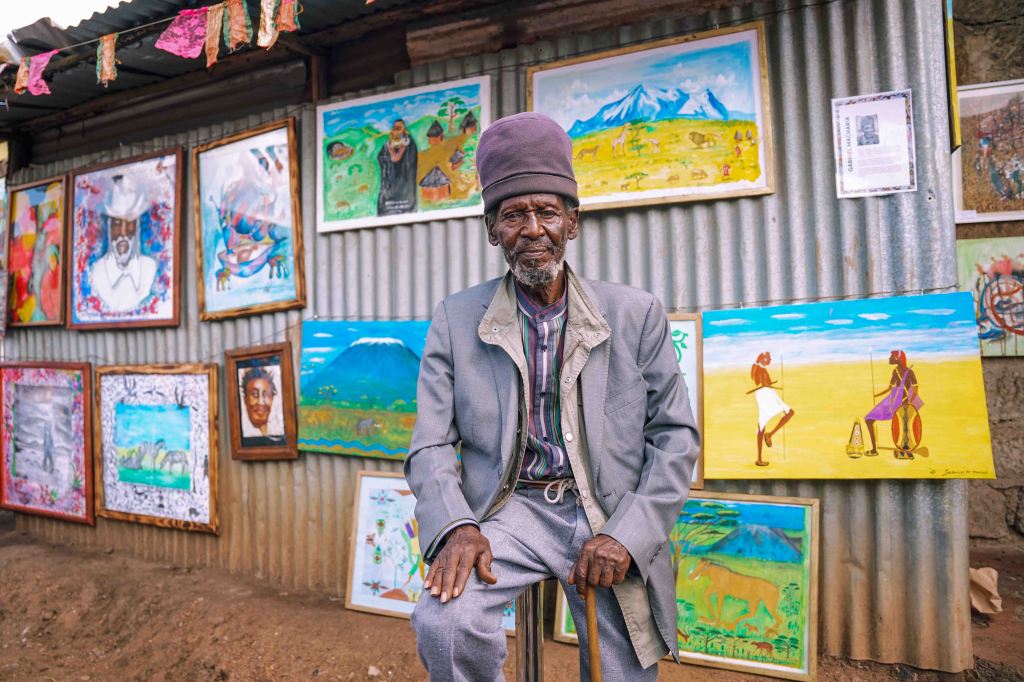
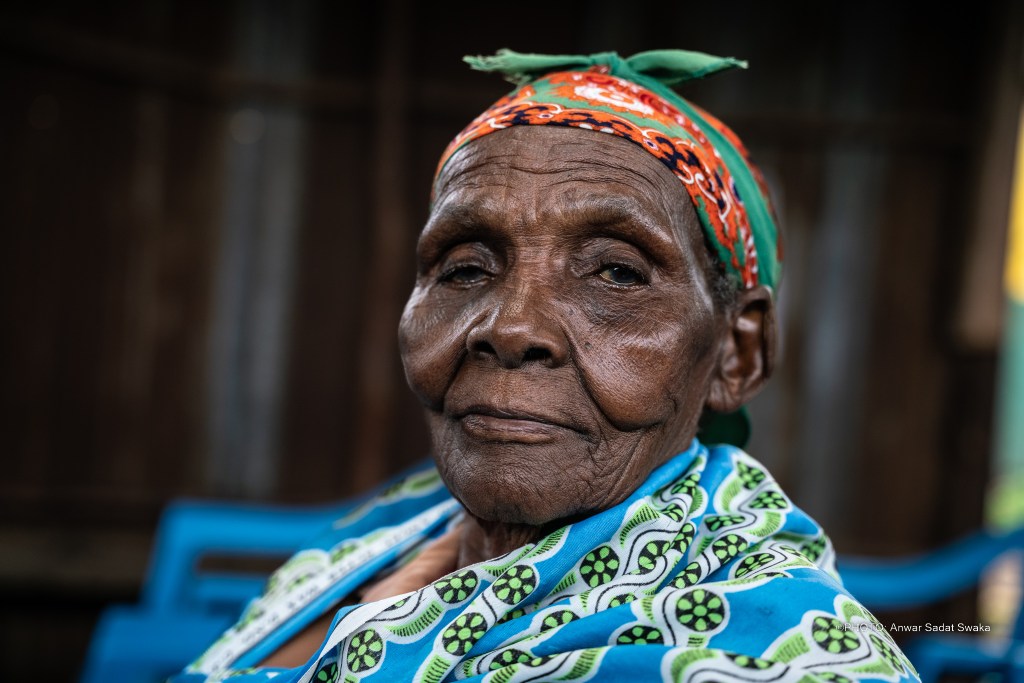
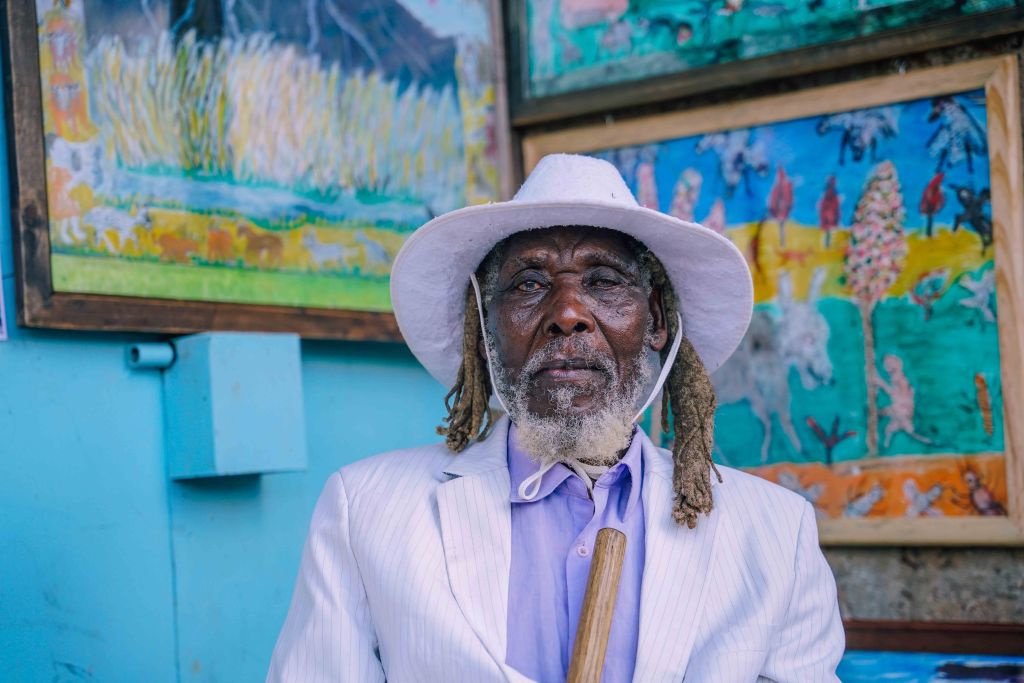
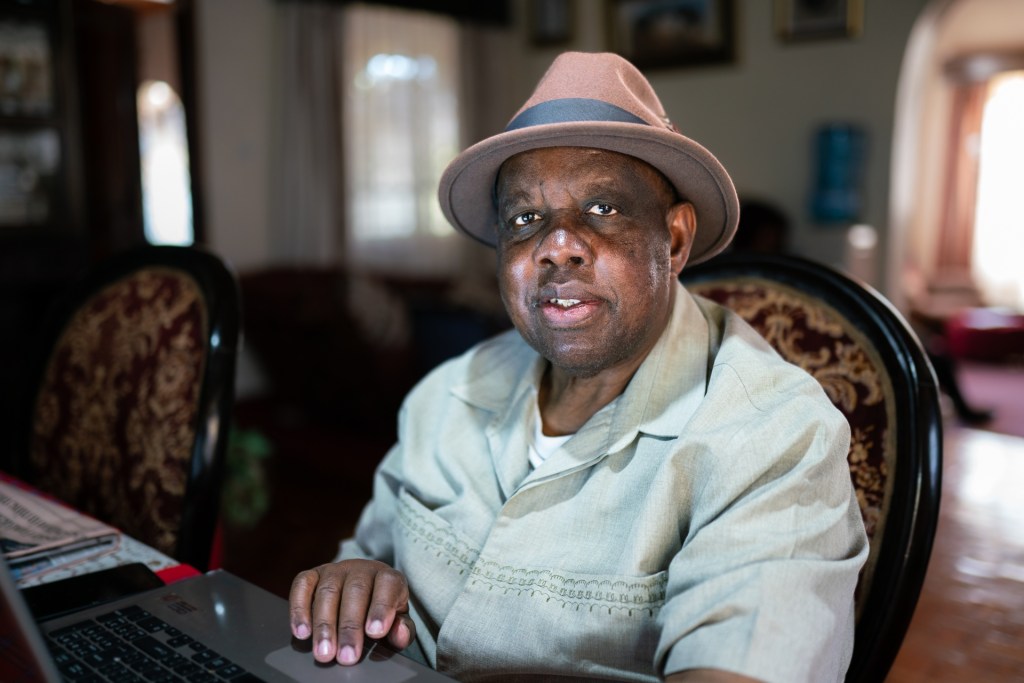
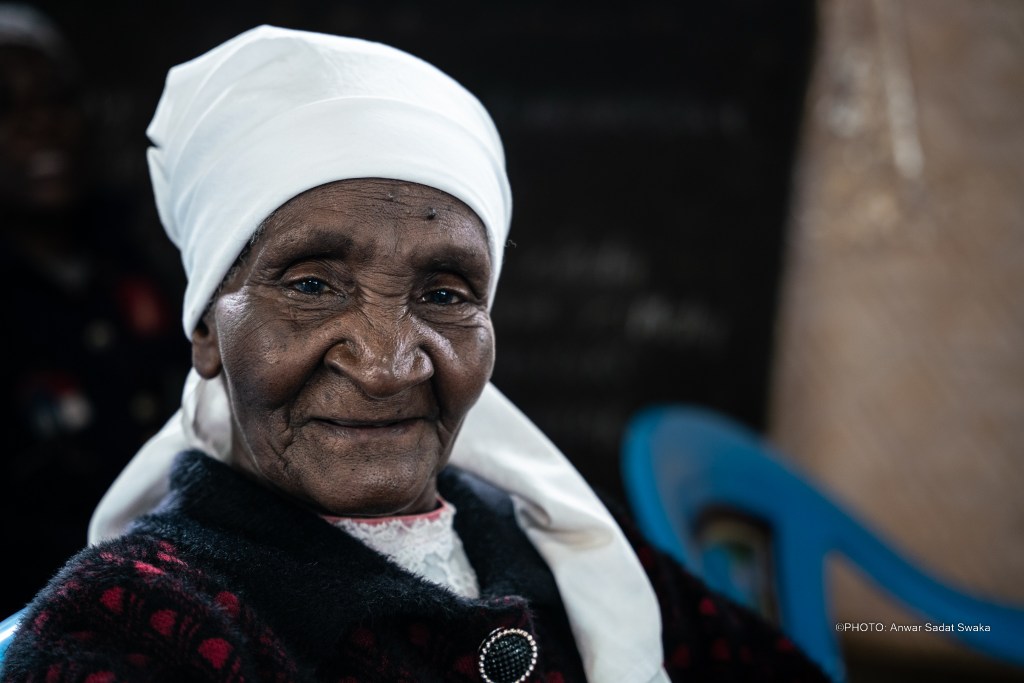
This ethnographic project explores how older persons in Kibera shape their community while navigating aging, memory and care. In a part of the city often associated with youth and energy, the project focuses on the elderly to document moments of joy, struggle, caregiving and collective memory. It examines a community-based elder care model in a resource-scarce urban setting, the visibility of older persons in media and intergenerational gaps in narratives about aging. It challenges reductive portrayals and advocate for dignified aging.


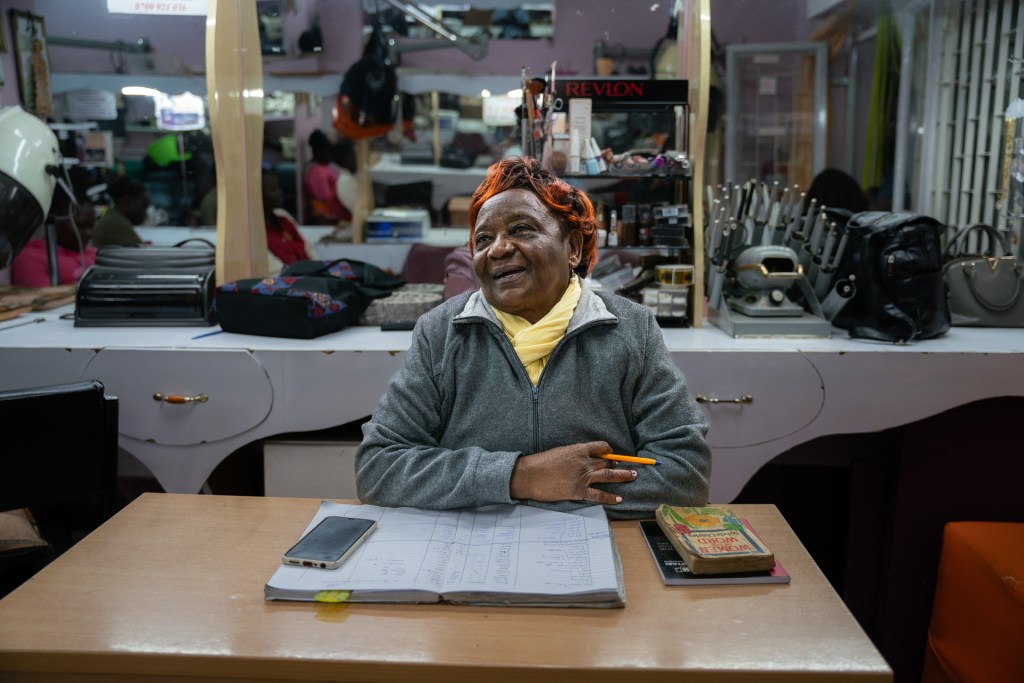
Why Older Persons Matter
Around the world, populations are growing older faster than societies are preparing for. Yet the conversation on aging is often shaped by fear. Fear of dependency, fear of social burden, fear of irrelevance. This fear-based narrative erases the lived wisdom, creativity, productivity, and cultural memory that older persons carry. It turns aging into a crisis, instead of a shared human journey.
Join me for the seven years leading up to 2030, among other photographers at 1in6by2030 around the world documenting Earth’s fastest growing population it has ever been.
Aging with Dignity
Seen and Unseen
Using Documentary photography as a tool for social research, the project documents visibility, how older persons are seen and unseen. The work is focused in the belief that dignity and human development depend on access to economic, social and cultural rights including education, healthcare, work and the freedom to participate in culture. While the main focus is on identity, community care, dignity and intergenerational dialogue, It documents how ageism is felt, but less spoken about.
How do we #ExposeAgeism?
“Everyone has the right to freedom, equality, and a life of dignity. Yet, as we grow older, we may face stereotyping, prejudice and discrimination because of our age. This prevents us from enjoying our rights equally with others. Ageism is deeply rooted in our societies, often manifesting as stereotypes and unfair treatment. We see older people being unfairly labelled as frail or incapable and face restrictions on access to services and opportunities based on age. It’s time to challenge these attitudes and fight for a more inclusive world.”

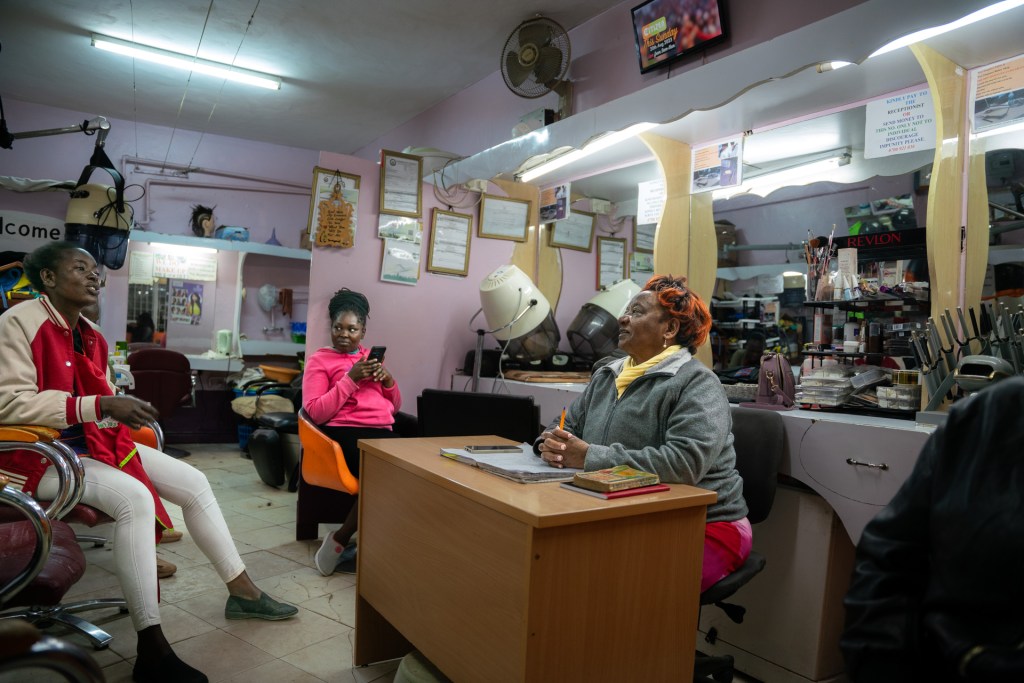

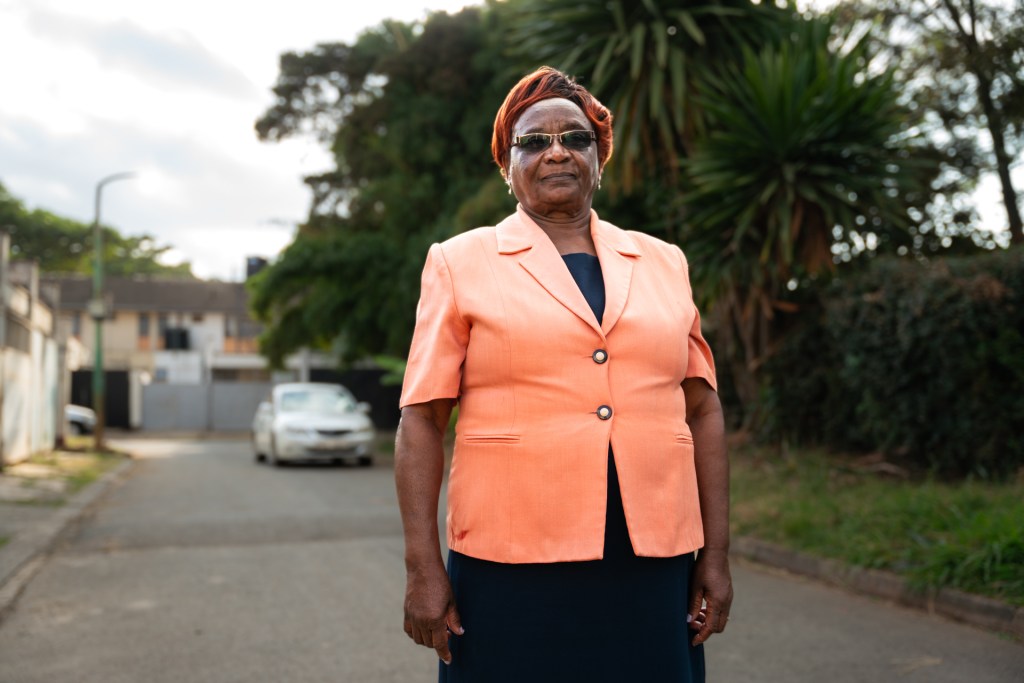
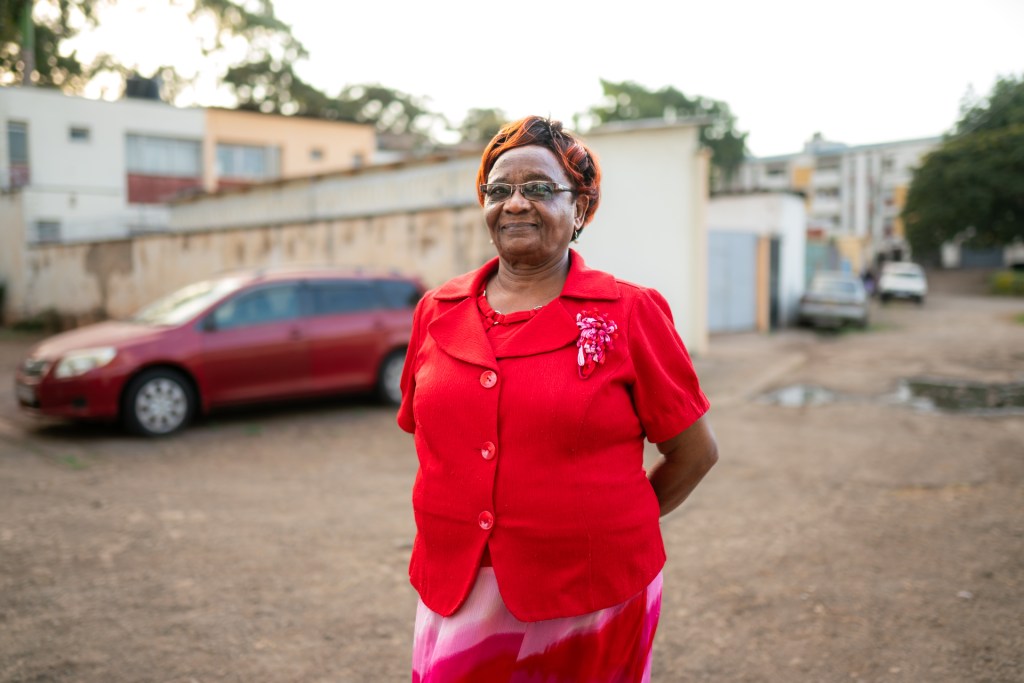
How are older persons seen and Unseen?
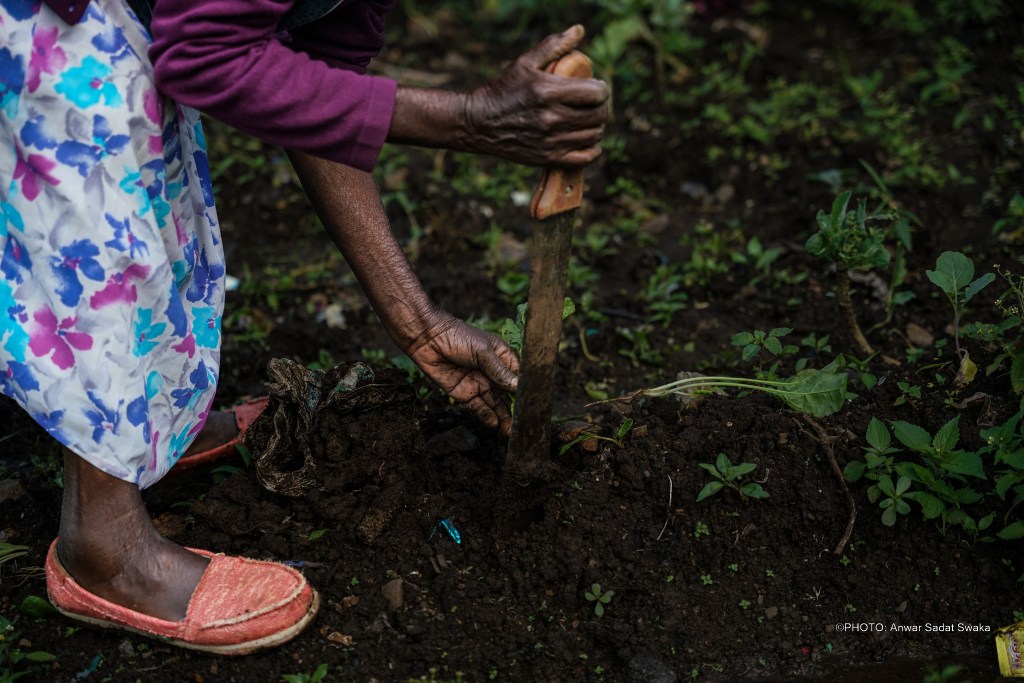
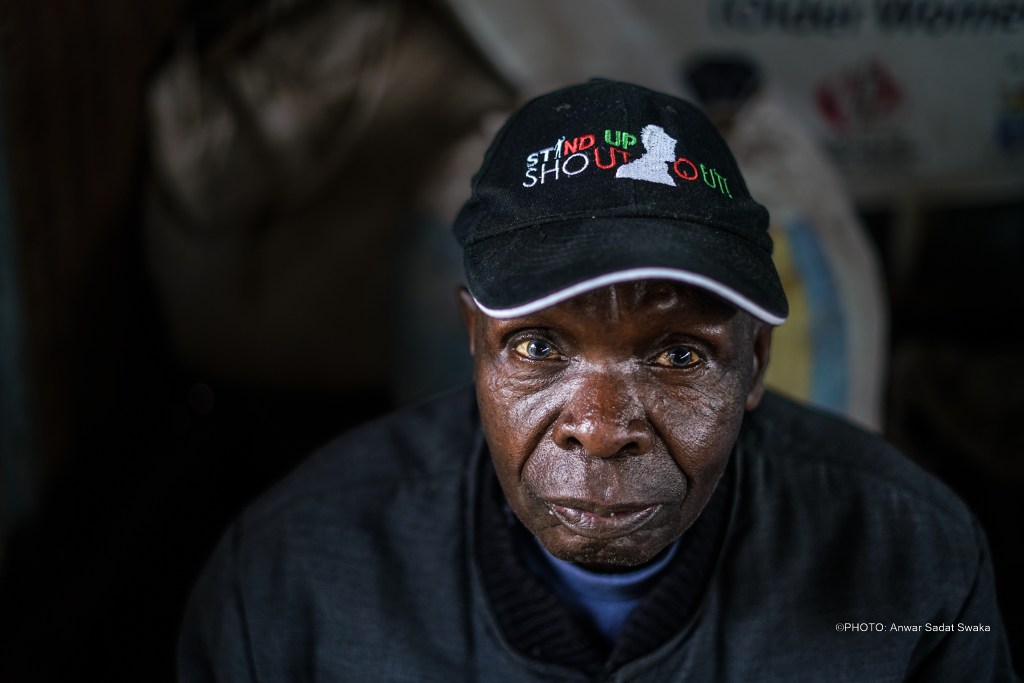
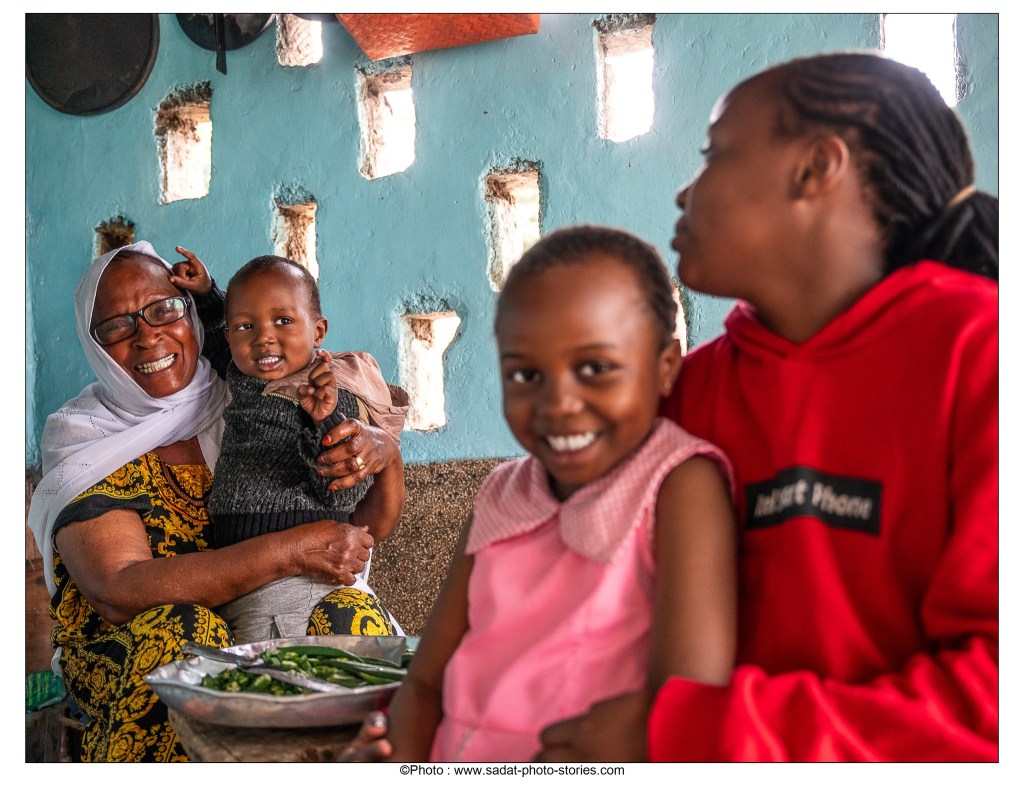
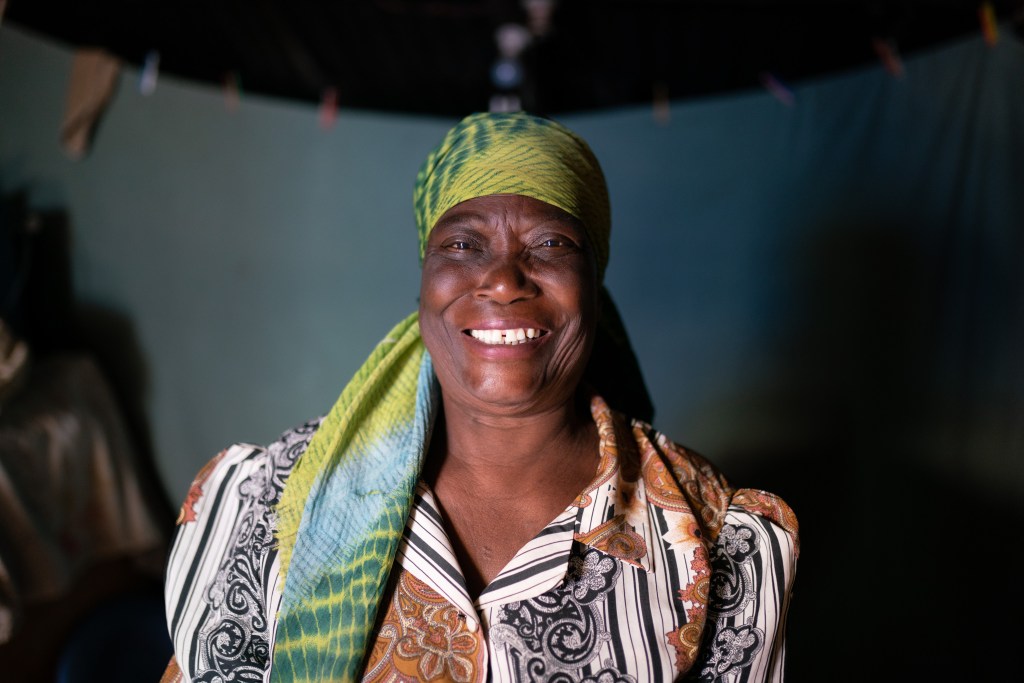
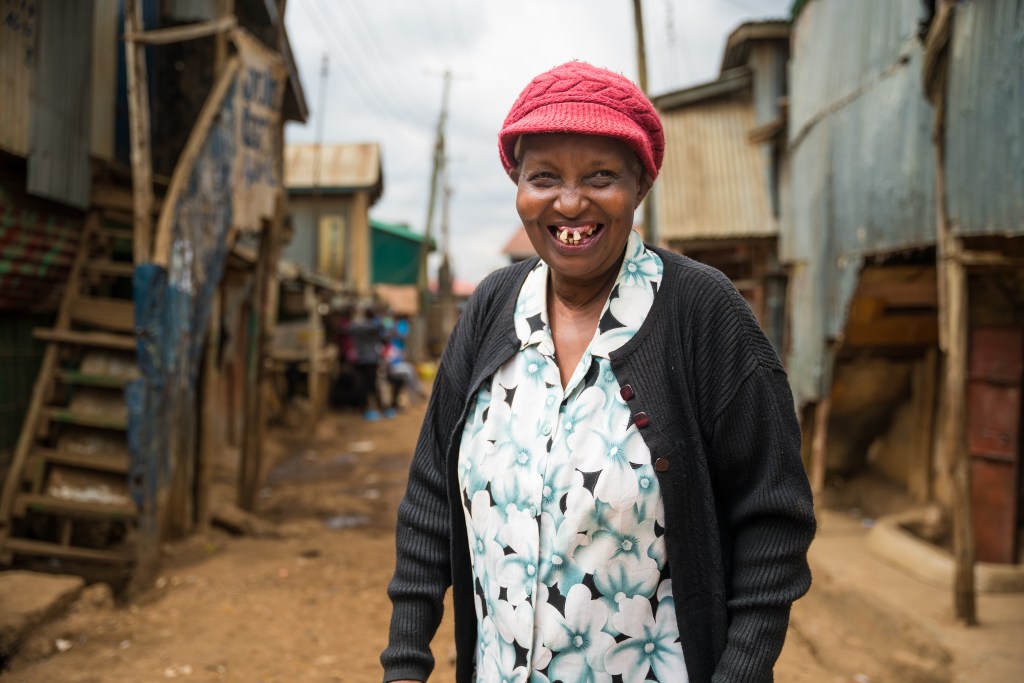
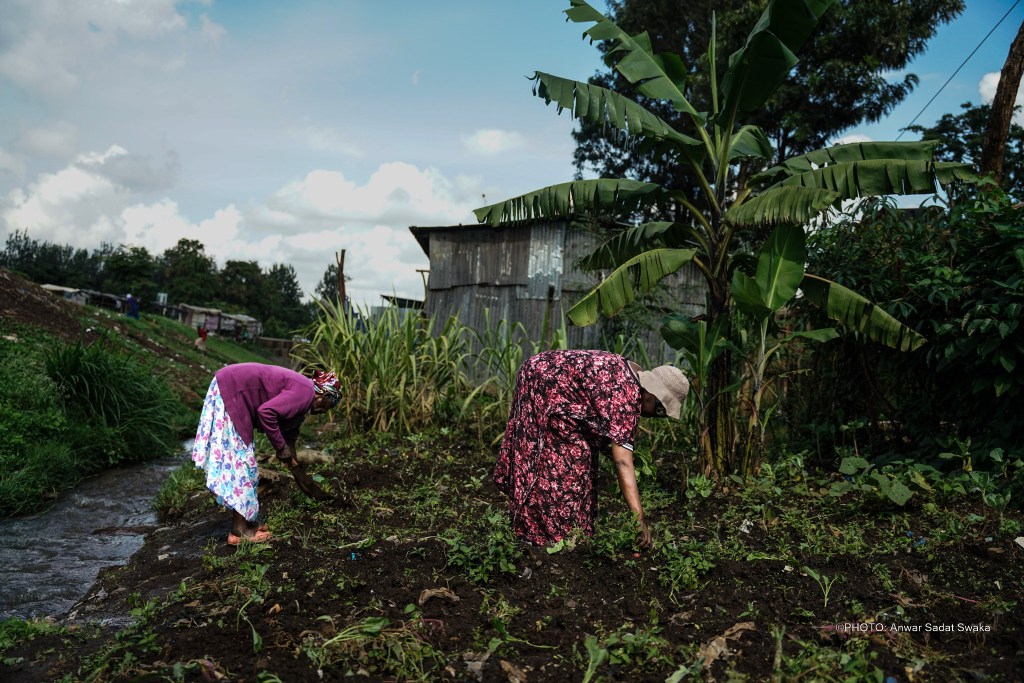
Older psersons stories, contributions and cultures form the heartbeat of our communities today. Deserving of visibility, dignity and recognition. They are seen in the markets, work places, homes and lives.
There is a quiet strength that lives in the layers beyond what the eye first encounters during the aging process. In the silences between their words. In the resilience carried in tired bodies. In the private rituals of care, remembrance, and endurance. Their struggles often unfold away from public gaze. The loneliness of aging, the fading of recognition in a fast-changing world, the quiet negotiations with pain and time. Yet, even in invisibility, they continue to hold the fabric of community together.
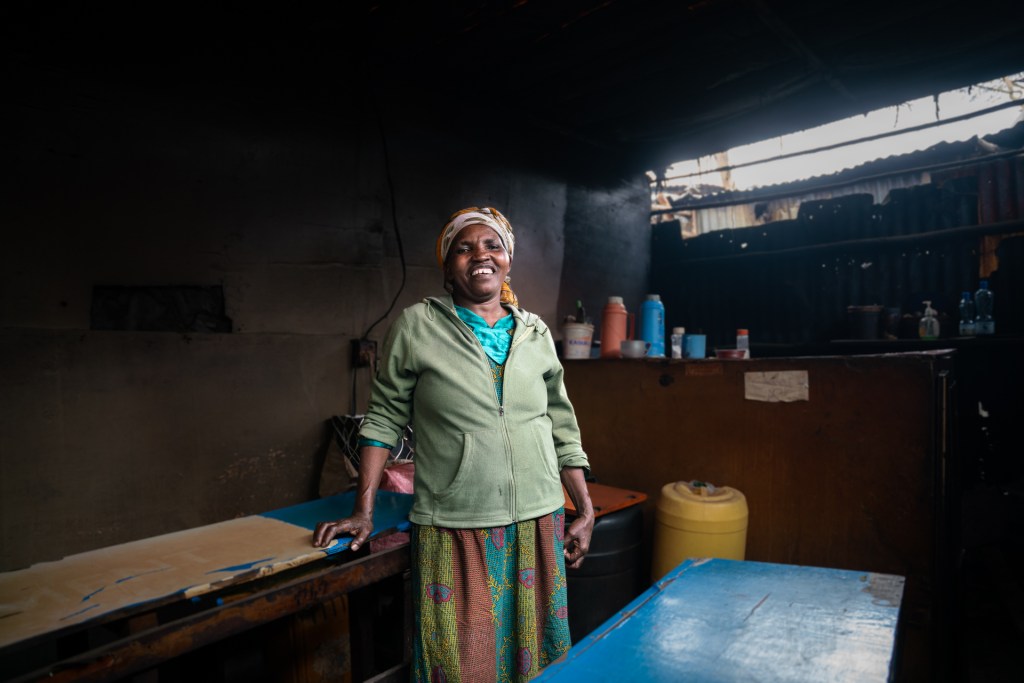
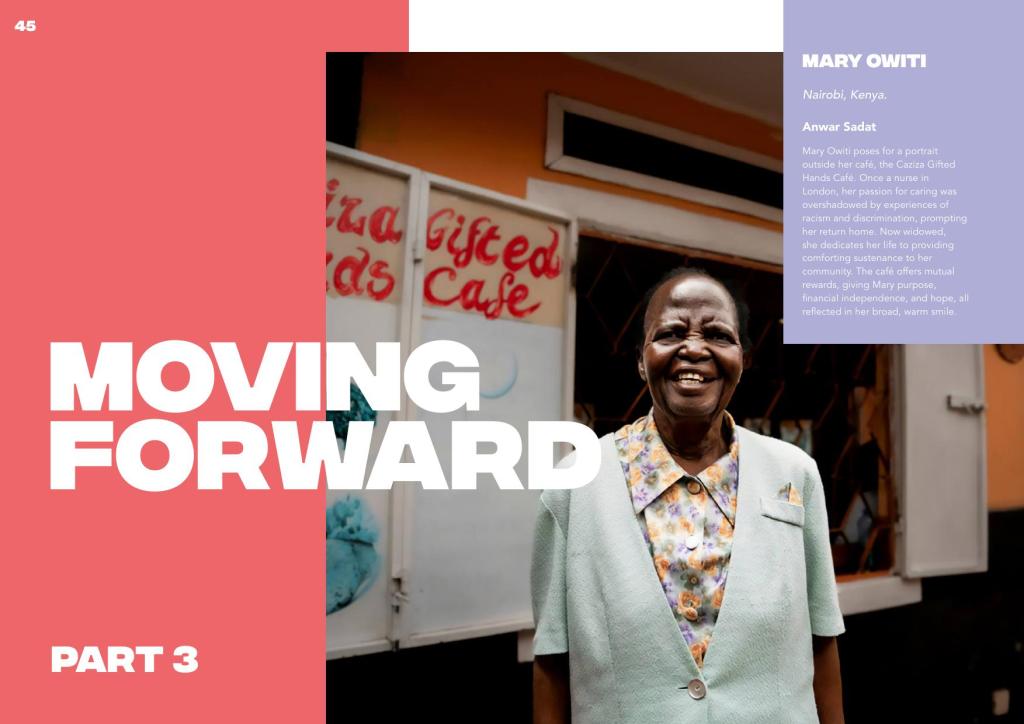
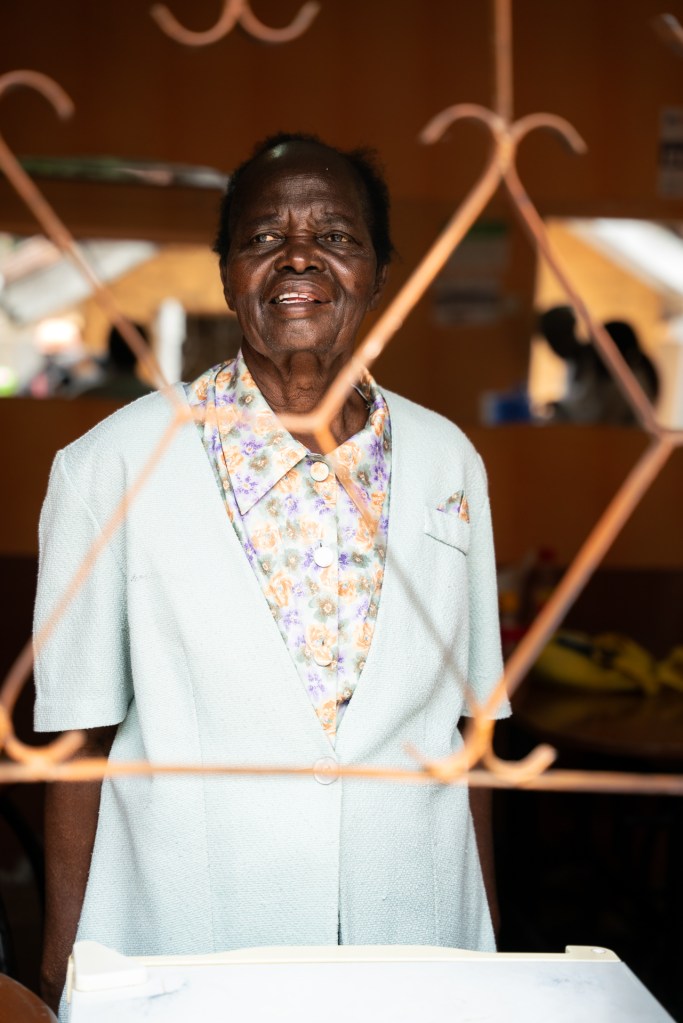
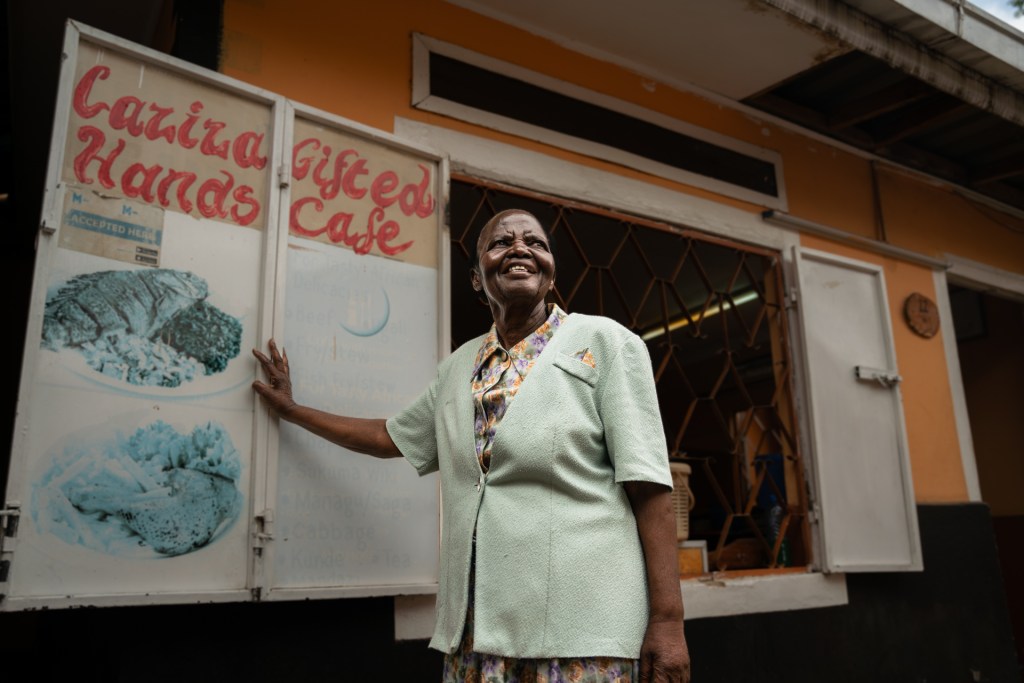
”Life now is very interesting. I earn a living by running a food joint, I manage and run this place. My hopes for the future are for the growth of my business since it’s the thing that keeps me awake and wakes me up in the morning,” –
Mary Owiti, 78, Kenya.


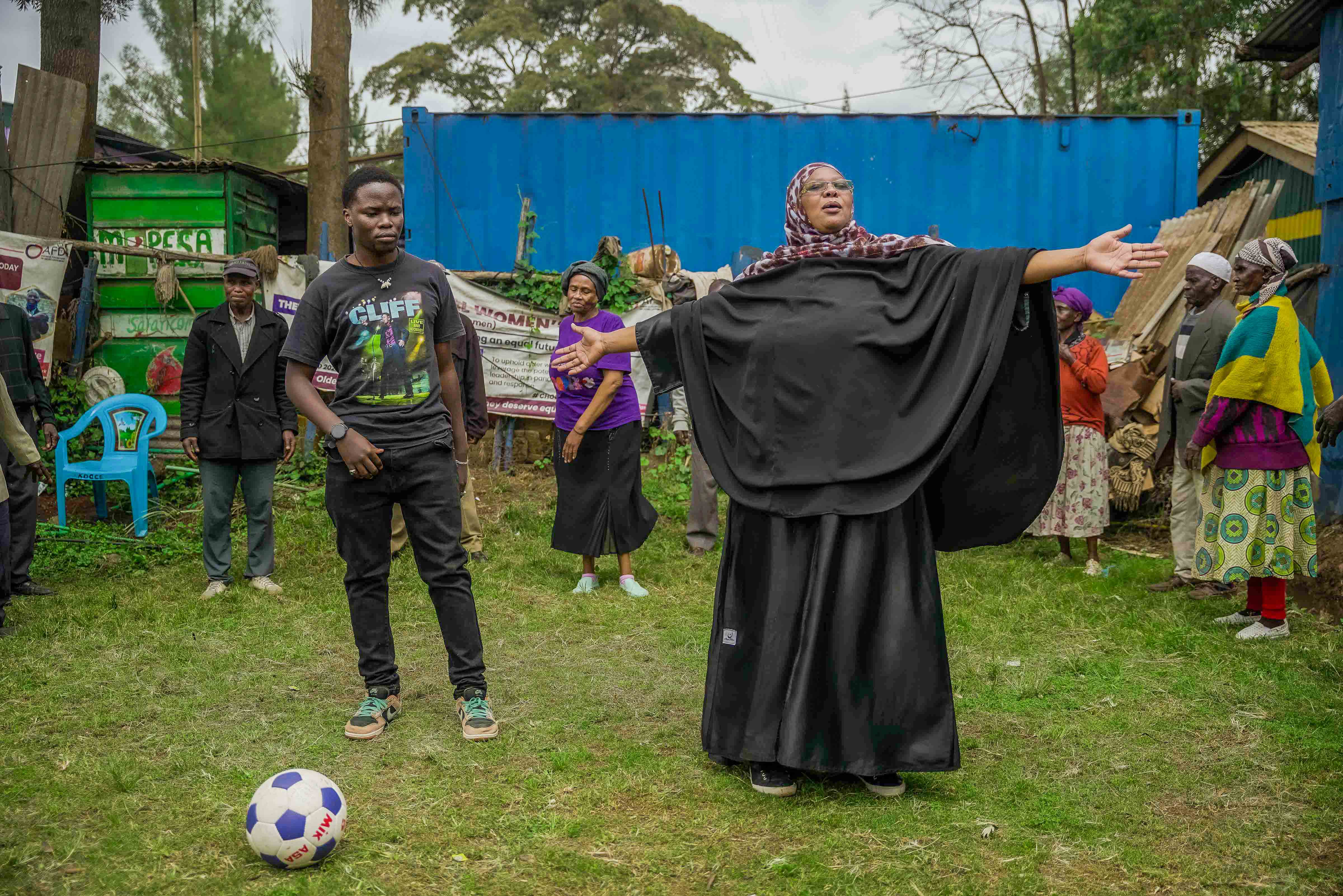

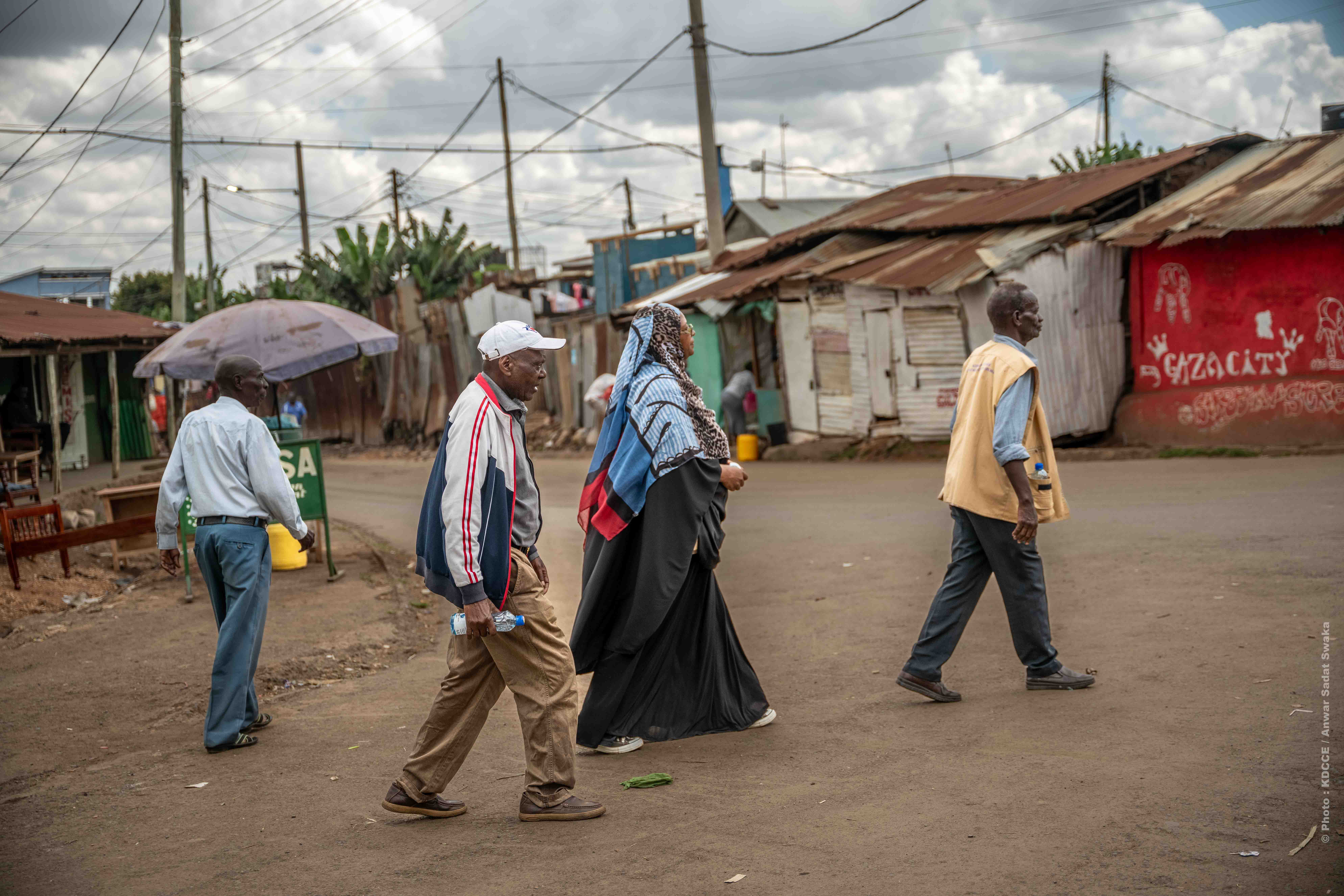
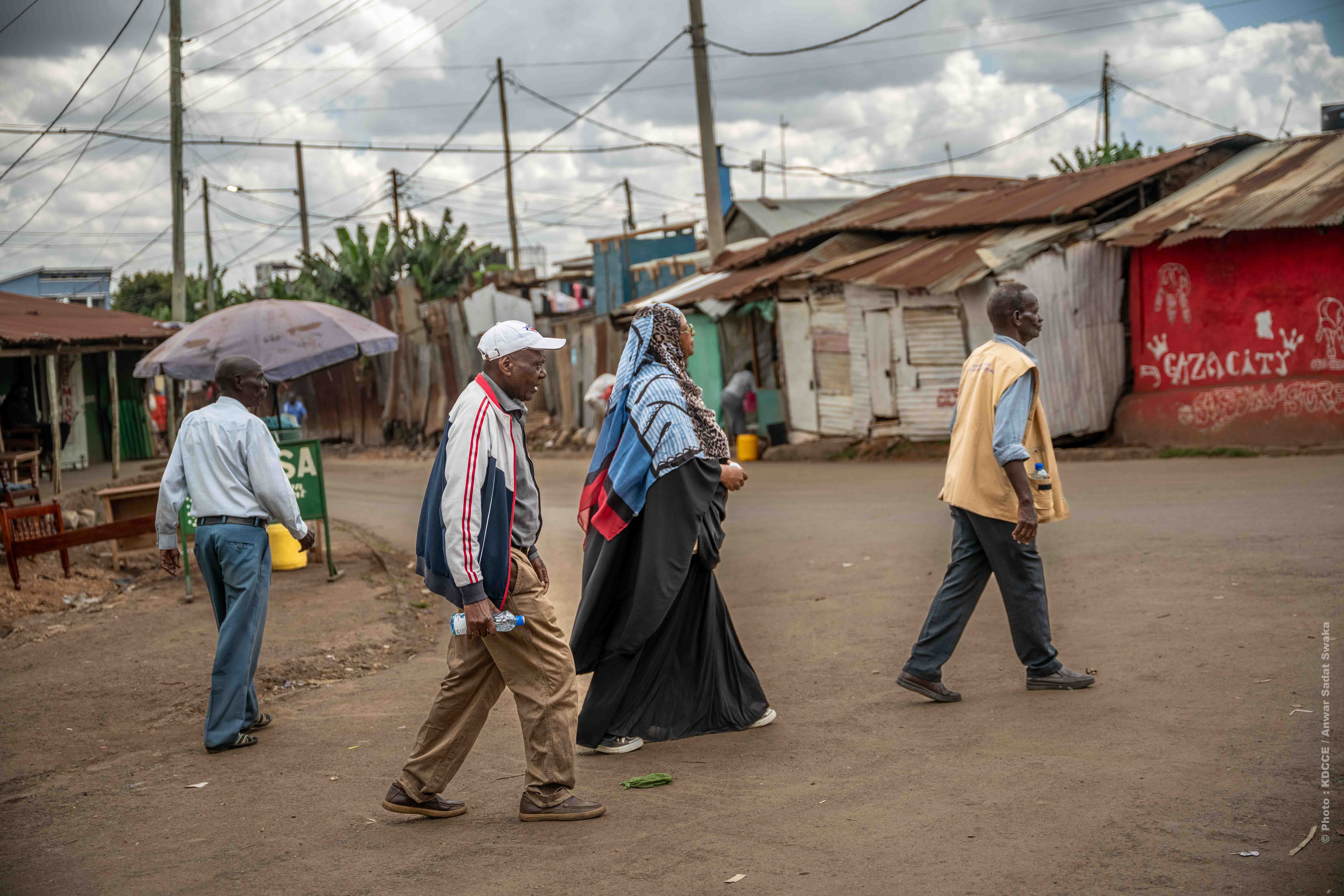
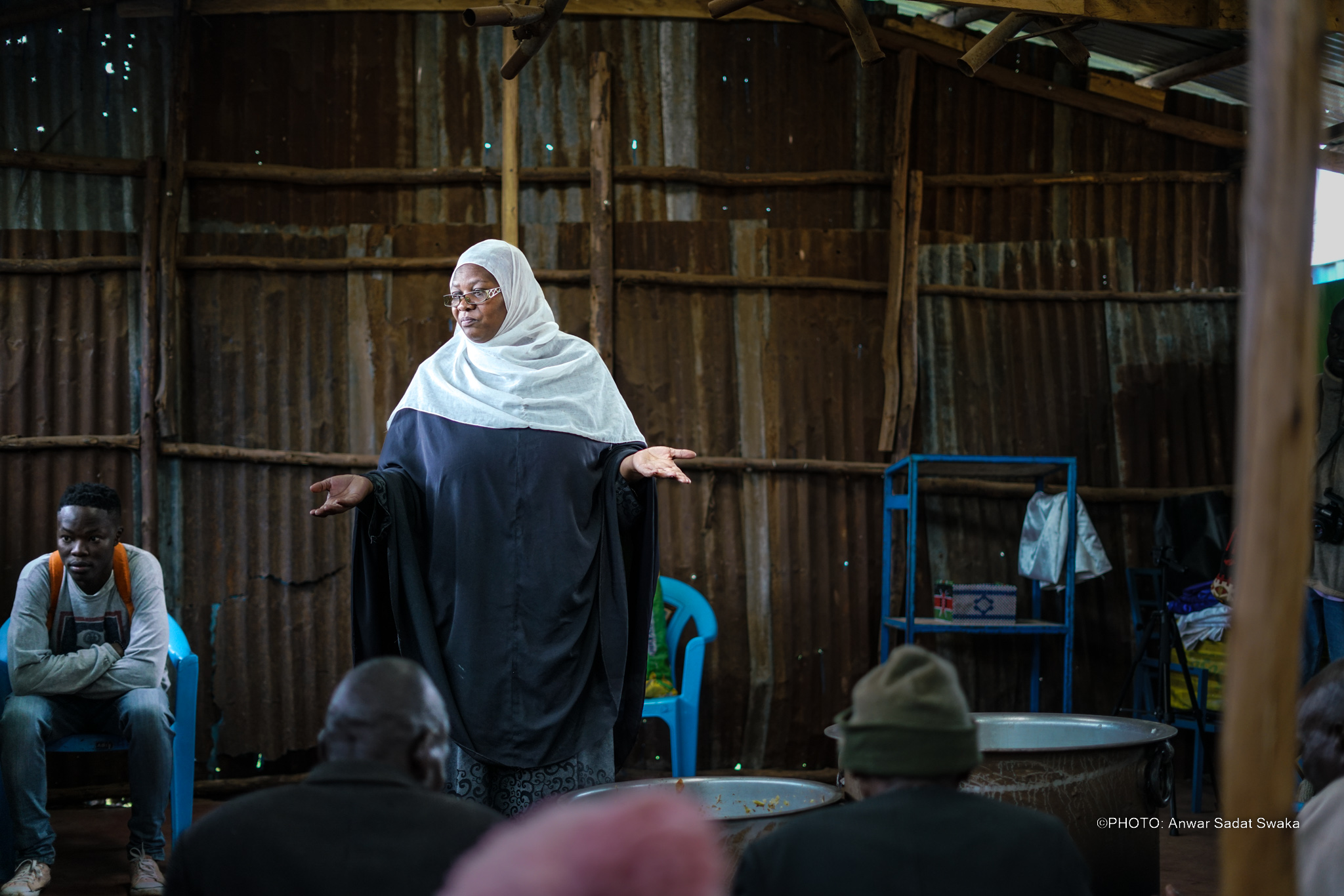
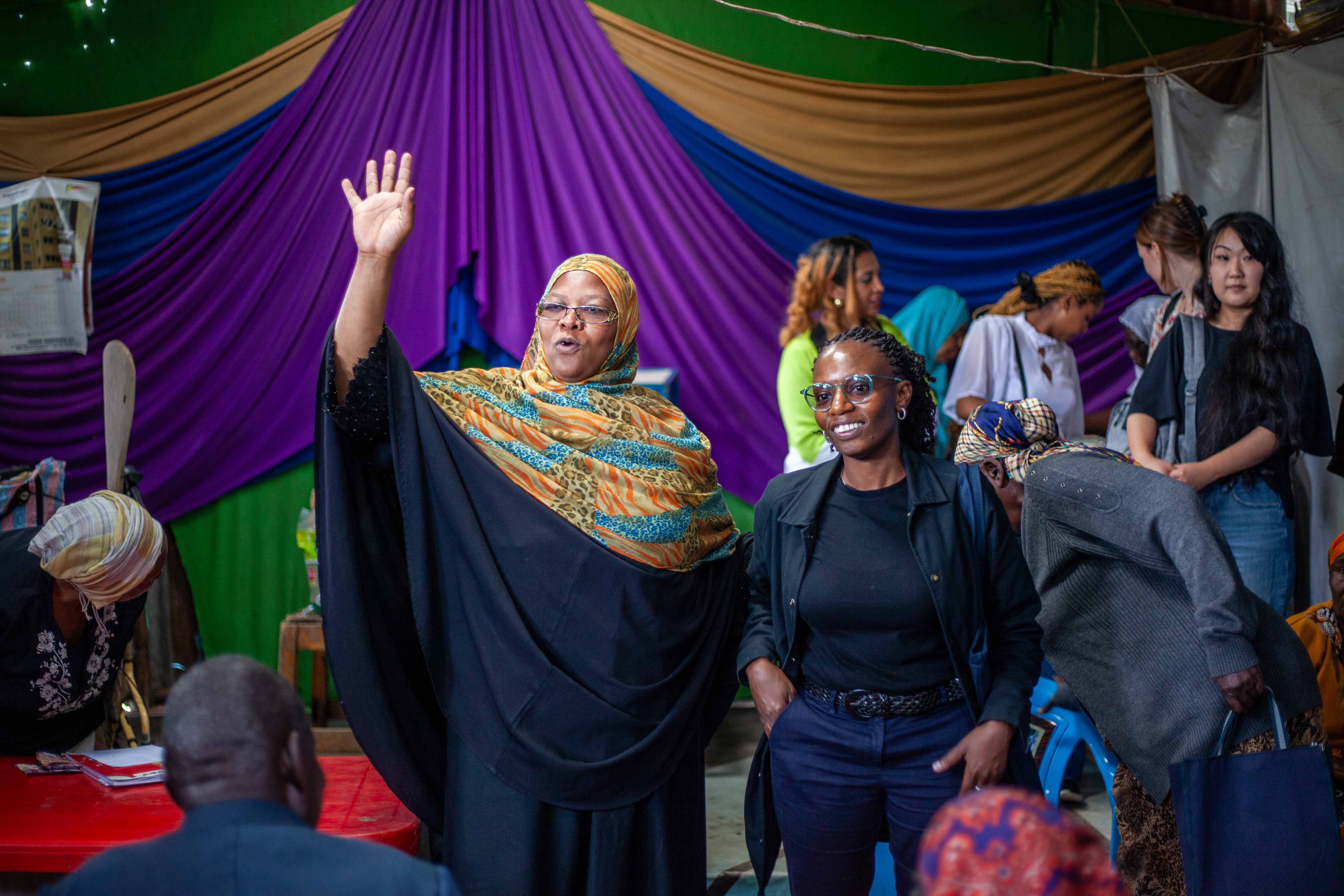
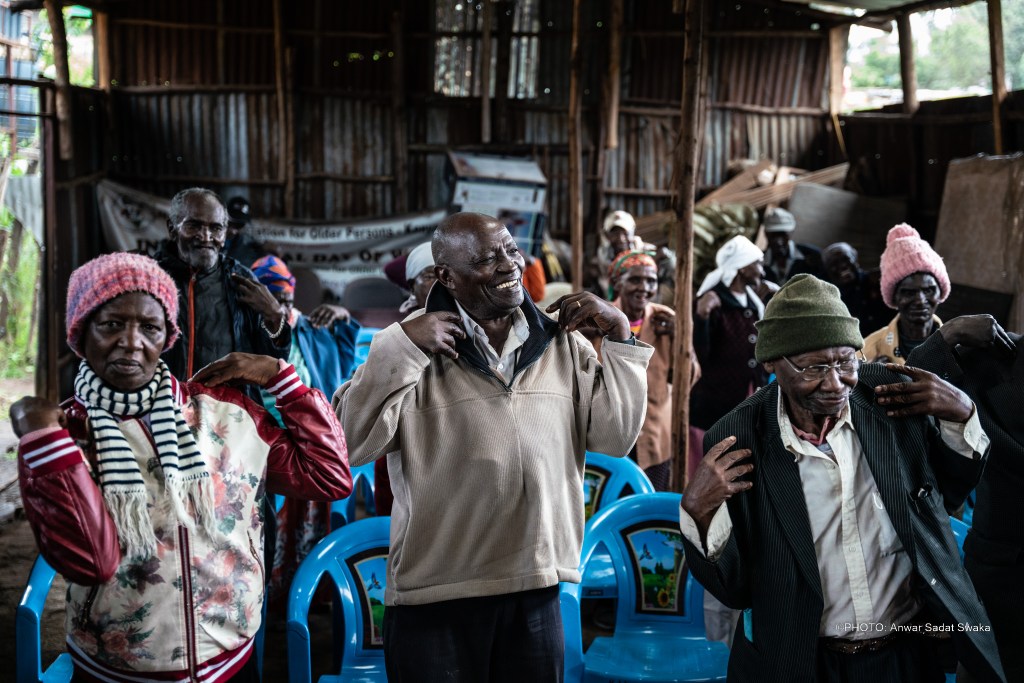
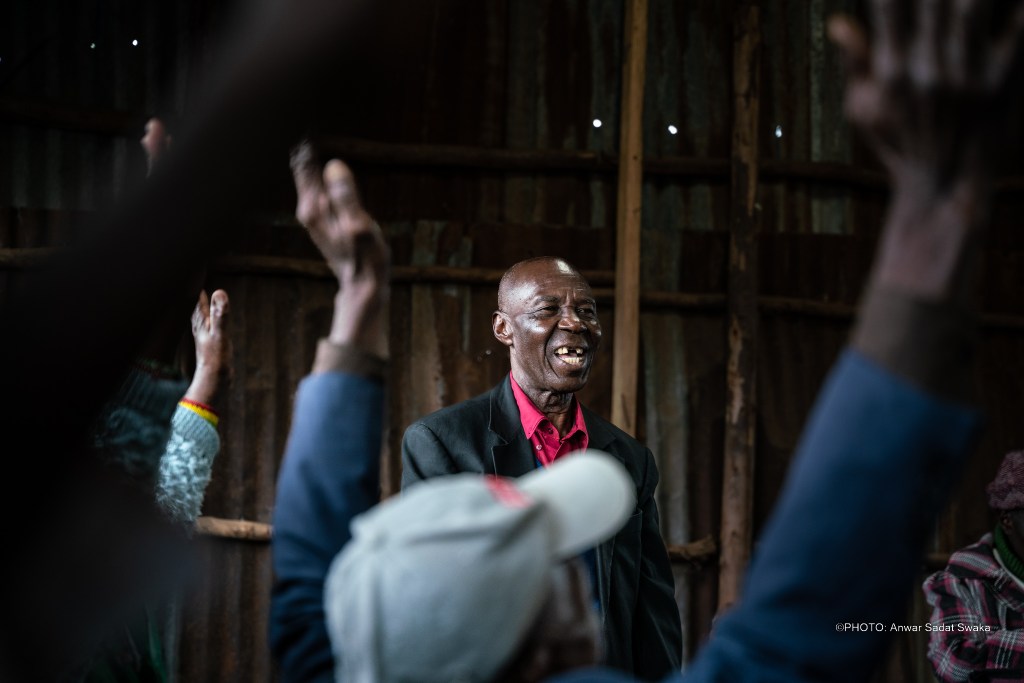
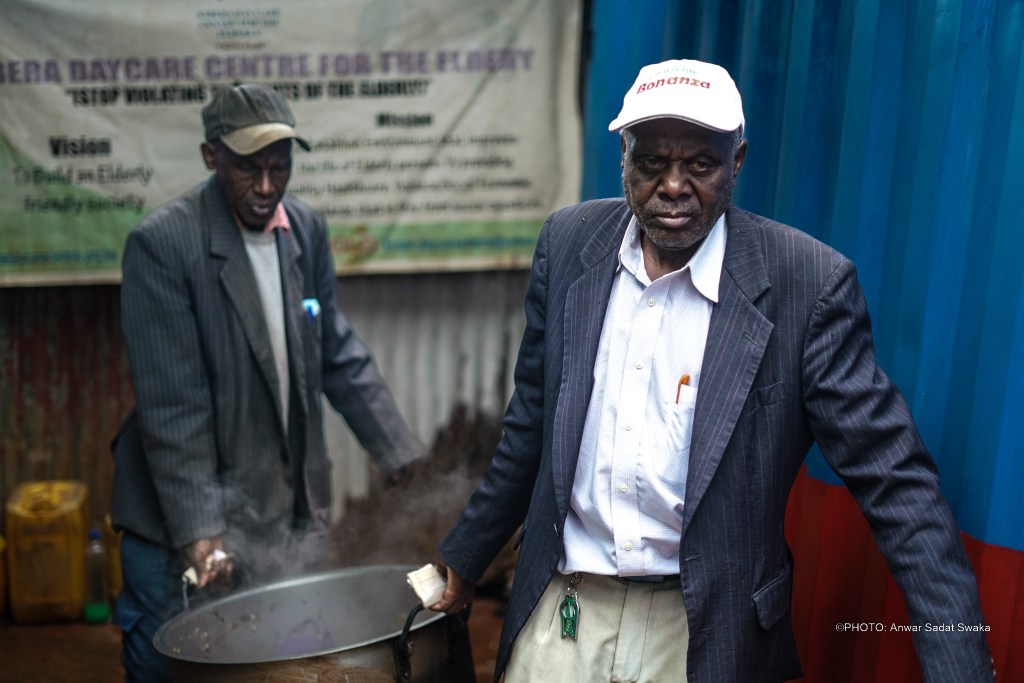
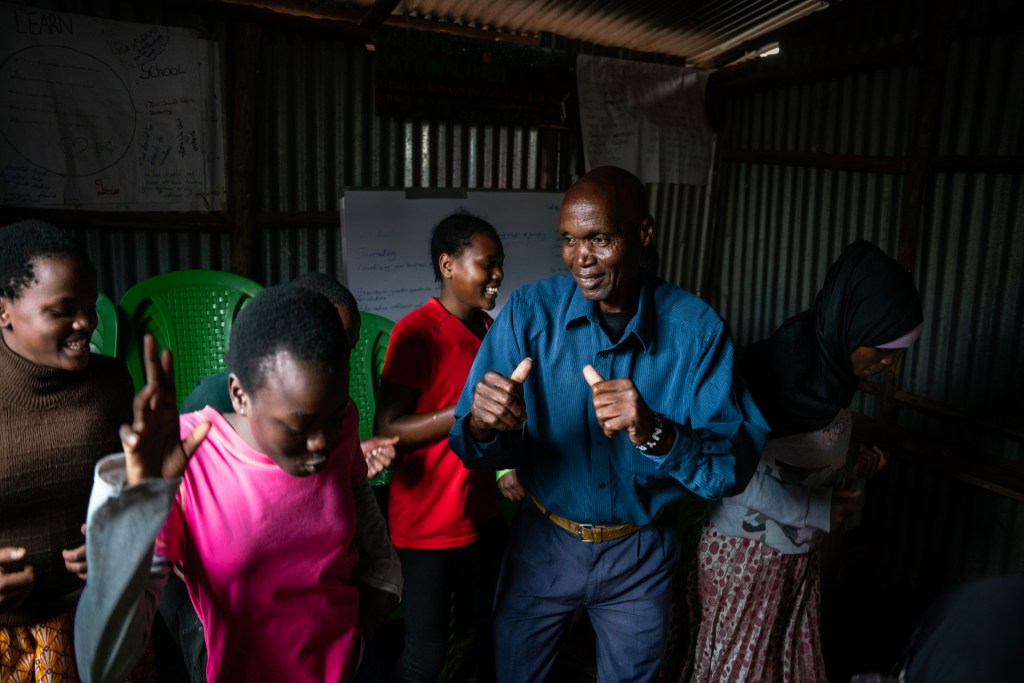
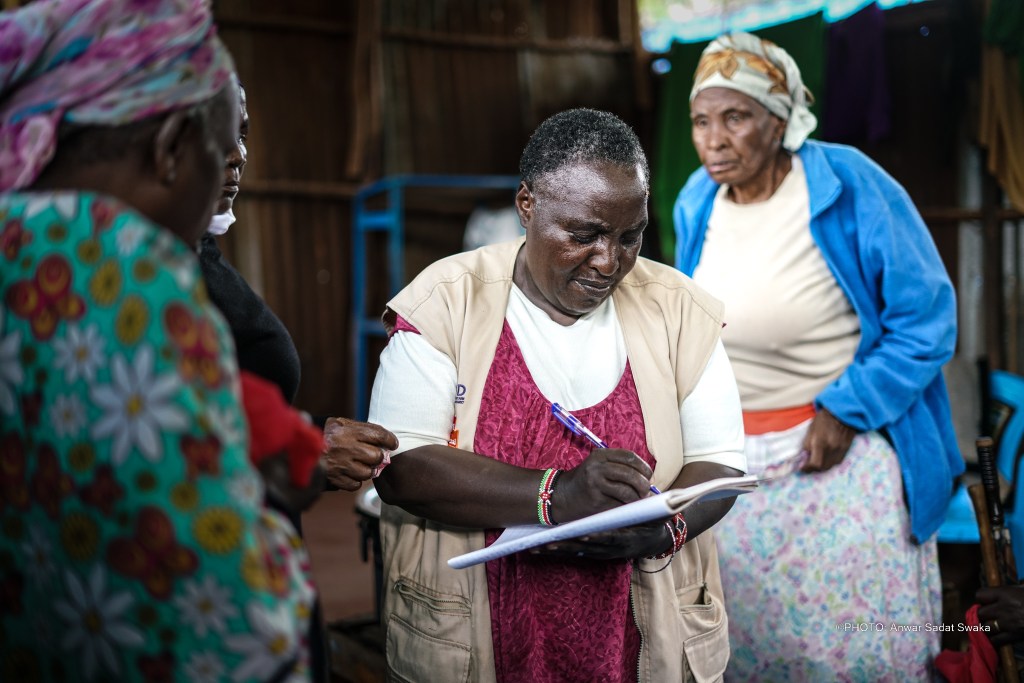
A day at Kibera Day Care Center for the Elderly
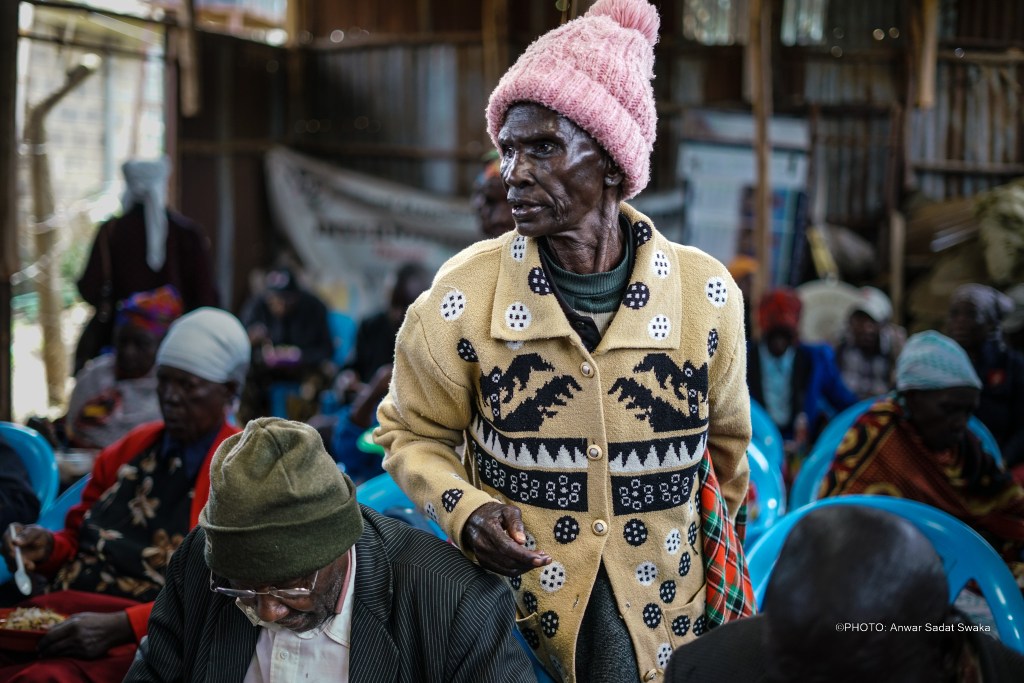
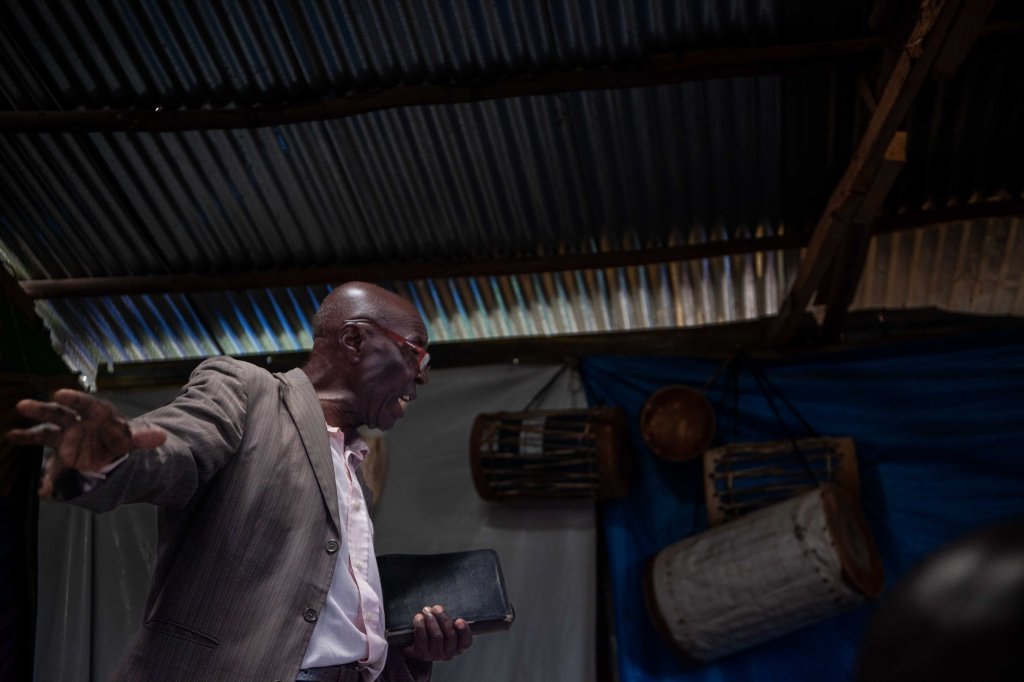
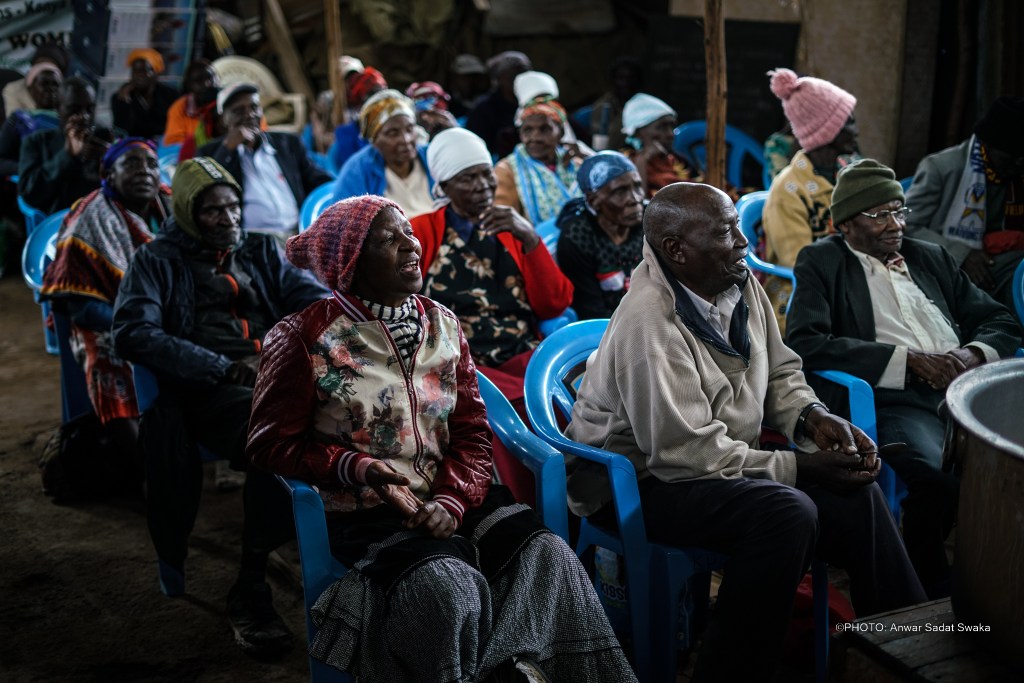
At the heart of this Visual Project is The Kibera Day Care Center for the Elderly (KDCCE), led by Kibera native Yasmin Aboyo. The center supports residents aged 60 and above who may not be able to afford or to meet their basic needs, food, housing, or healthcare. This project forms part of the broader advocacy for human rights, affirming that to live and age with dignity is not a privilege, it is a right.
KDCCE STORIES
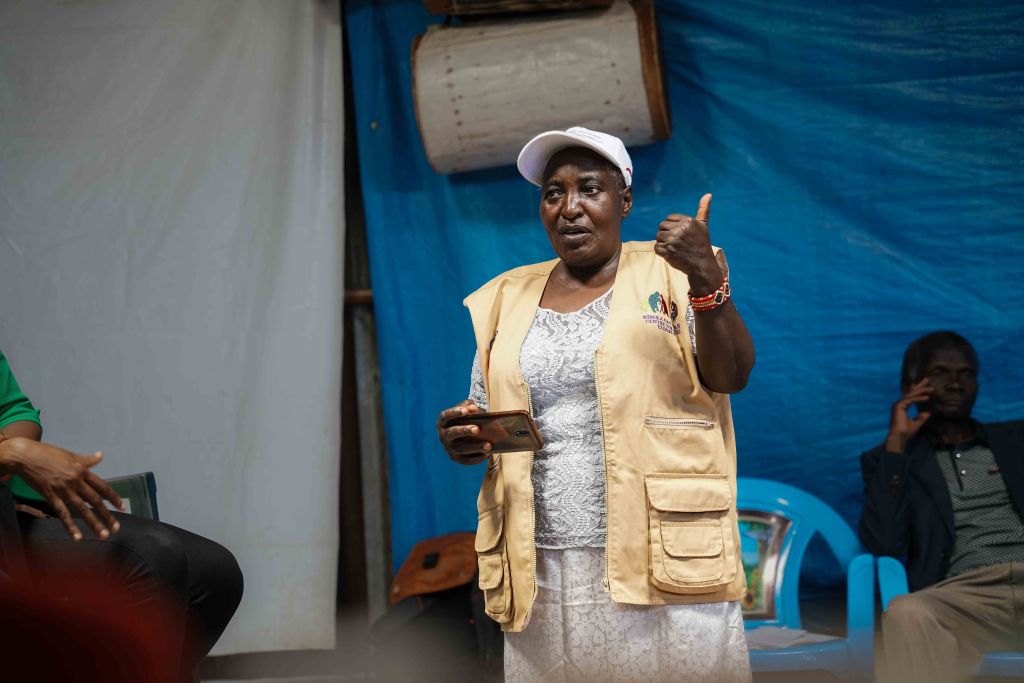
Agnes Kariuki – Founder
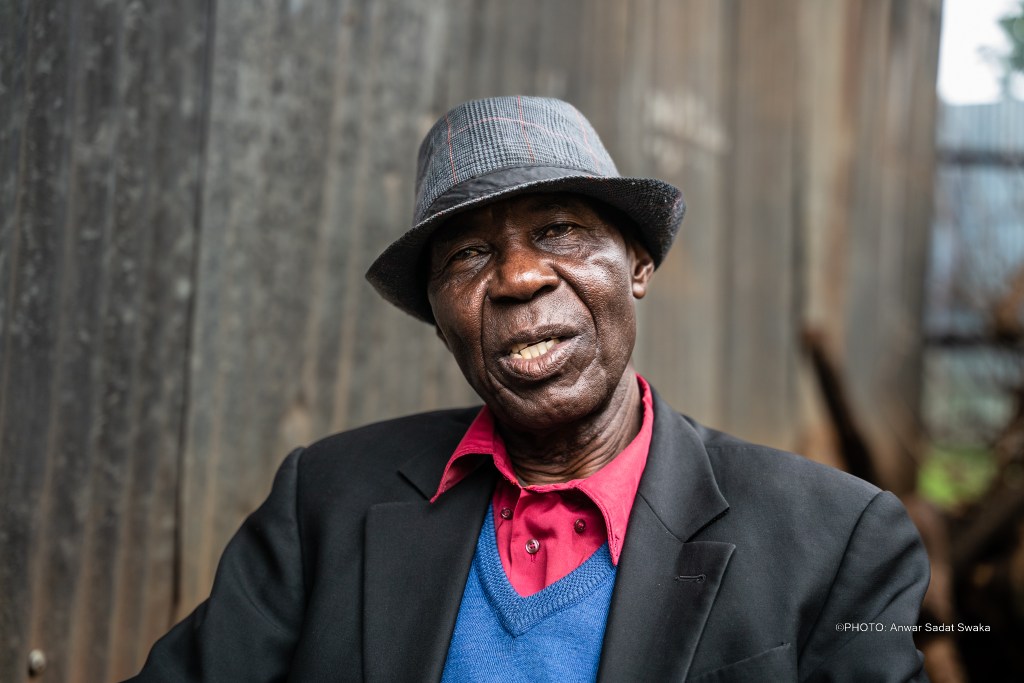
Jared Ogunde -Pastor
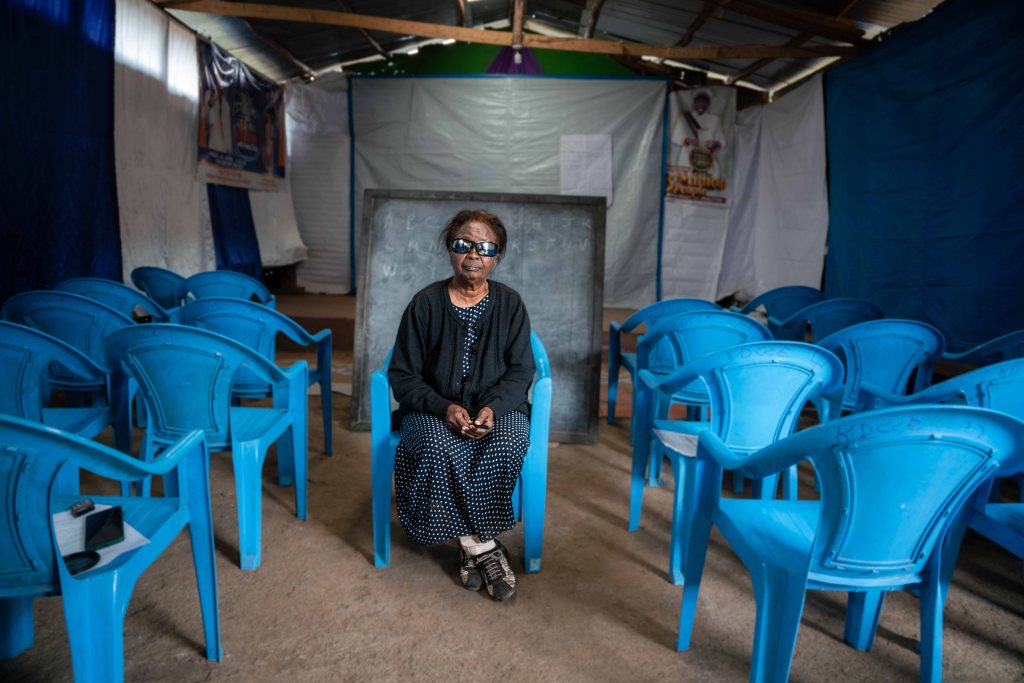
Alice Gathambo – Teacher
Read More…

Leave a comment