
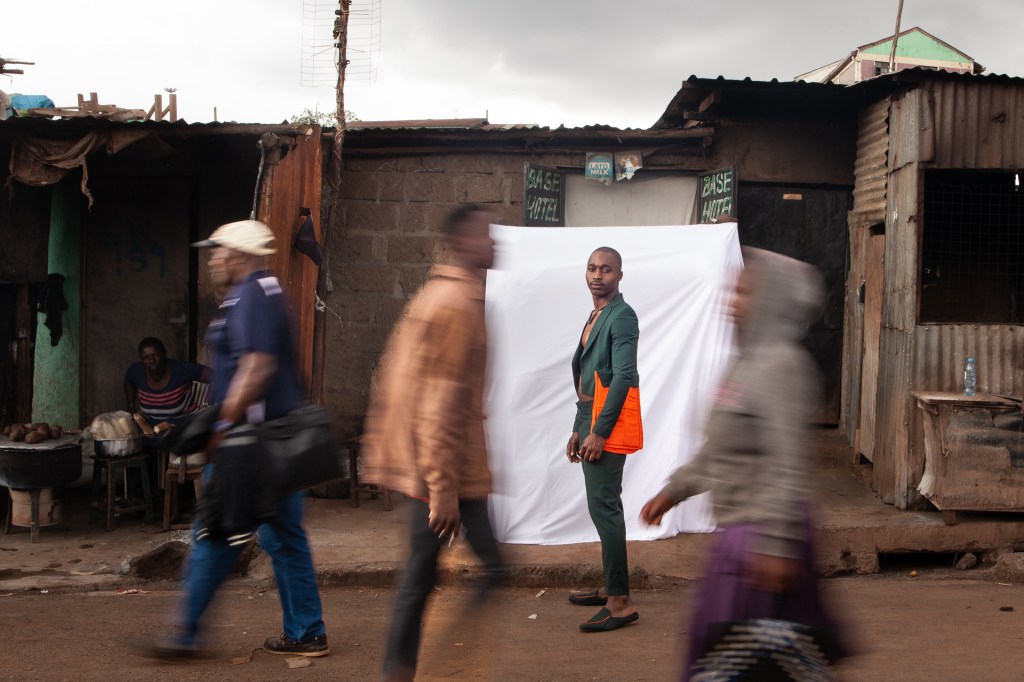
KFW- SEEN AND UNSEEN.
“This work would not have been possible without the generosity, openness, and creative force of the people behind Kibera Fashion Week. I entered this project as an observer, curious, cautious, and deeply aware that I was stepping into a space that was not mine to own, but to witness with care. I listened as you spoke of fashion not as a trend, but as testimony. I followed your process with a camera, a keen listening ear and an open mind, always aware that what I was witnessing was something sacred: a reclamation of identity on your own terms. Your work carried the weight of joy, resistance, memory and reinvention. Thank you for reminding me that storytelling is not just about telling. It’s about staying, observing, and honoring the lives that shape the story. I may have come in as an outsider, but you made me feel like I belonged—just enough to see clearly. I carry that responsibility with deep humility and respect. To those who made this journey possible—I am especially grateful.”
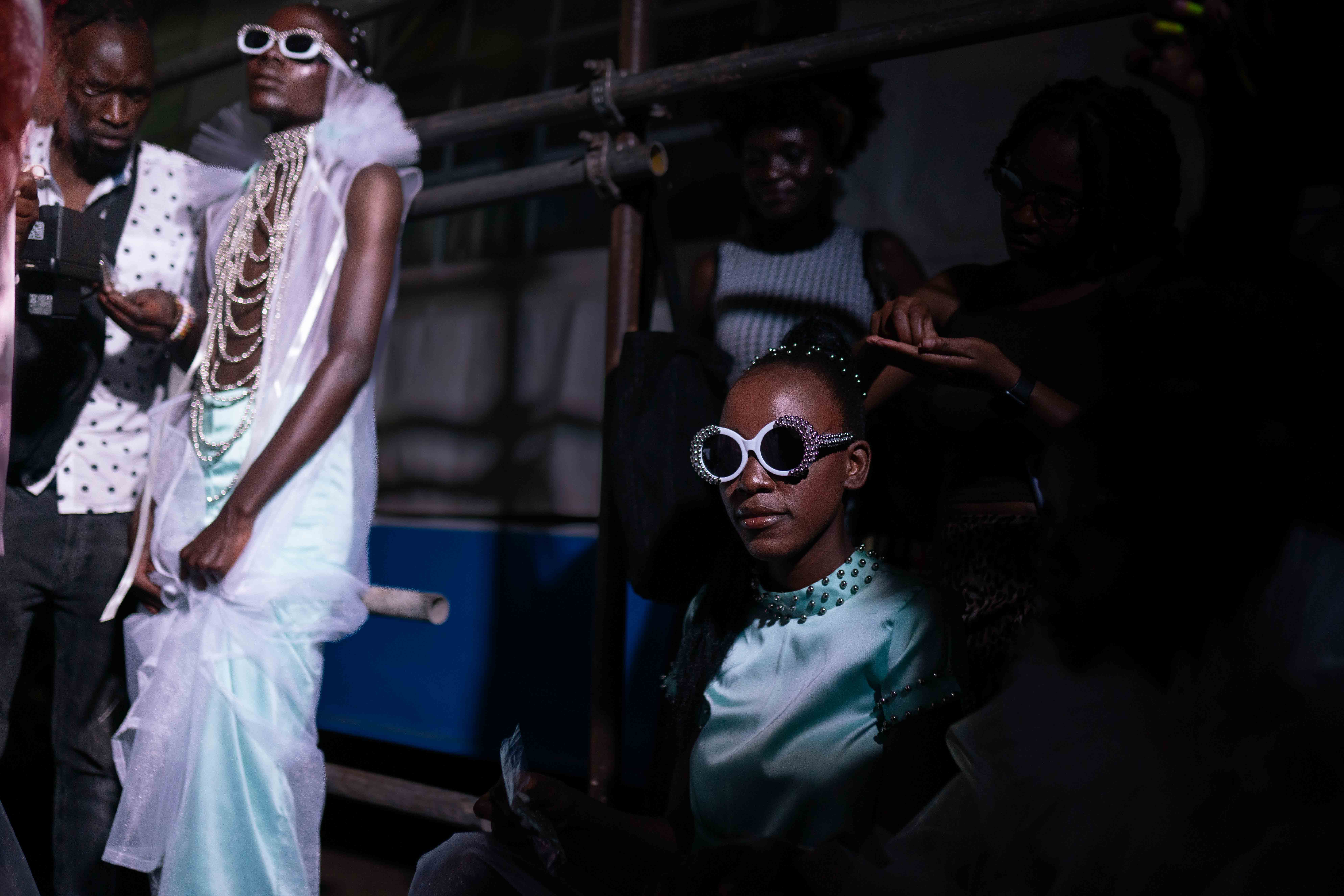

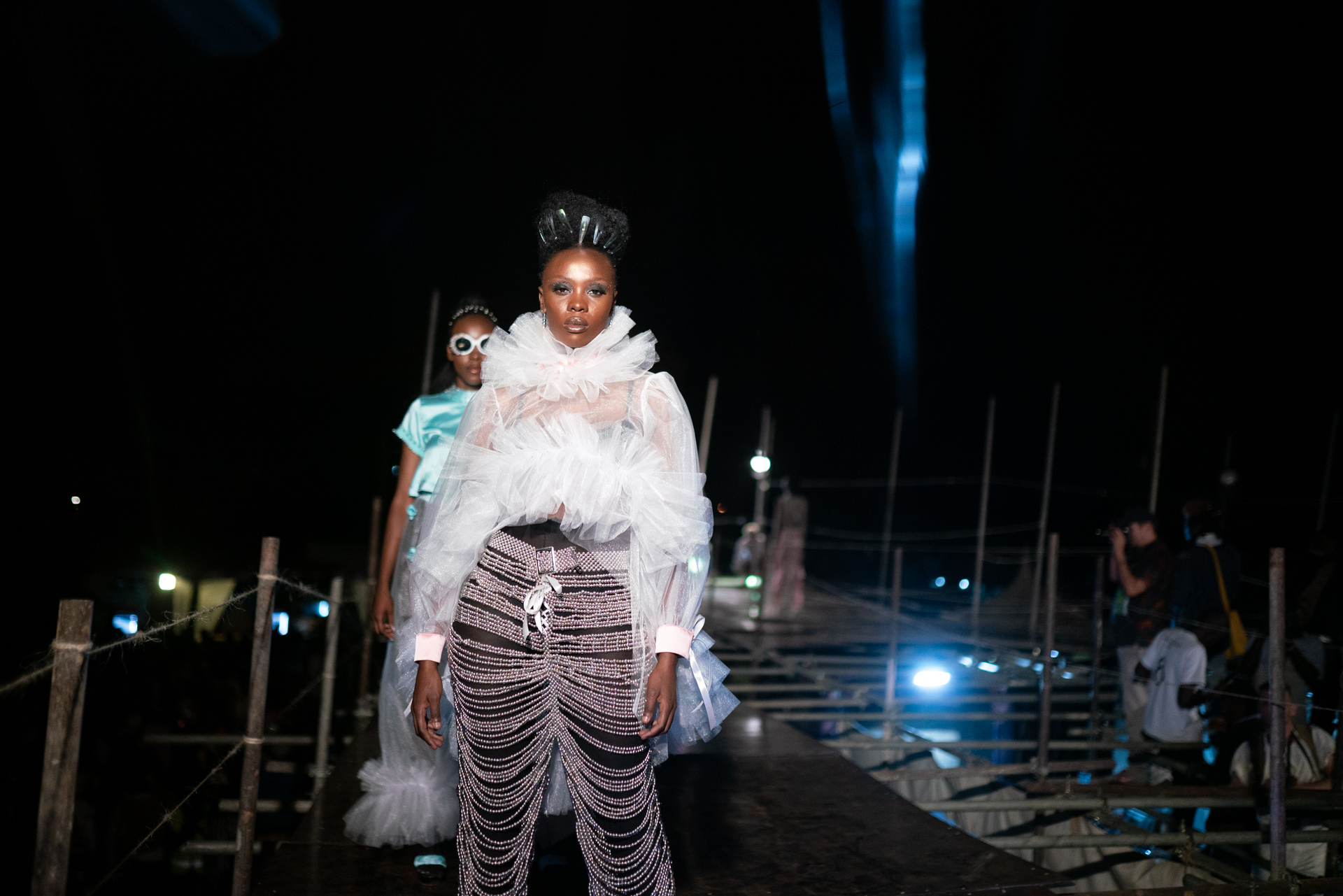
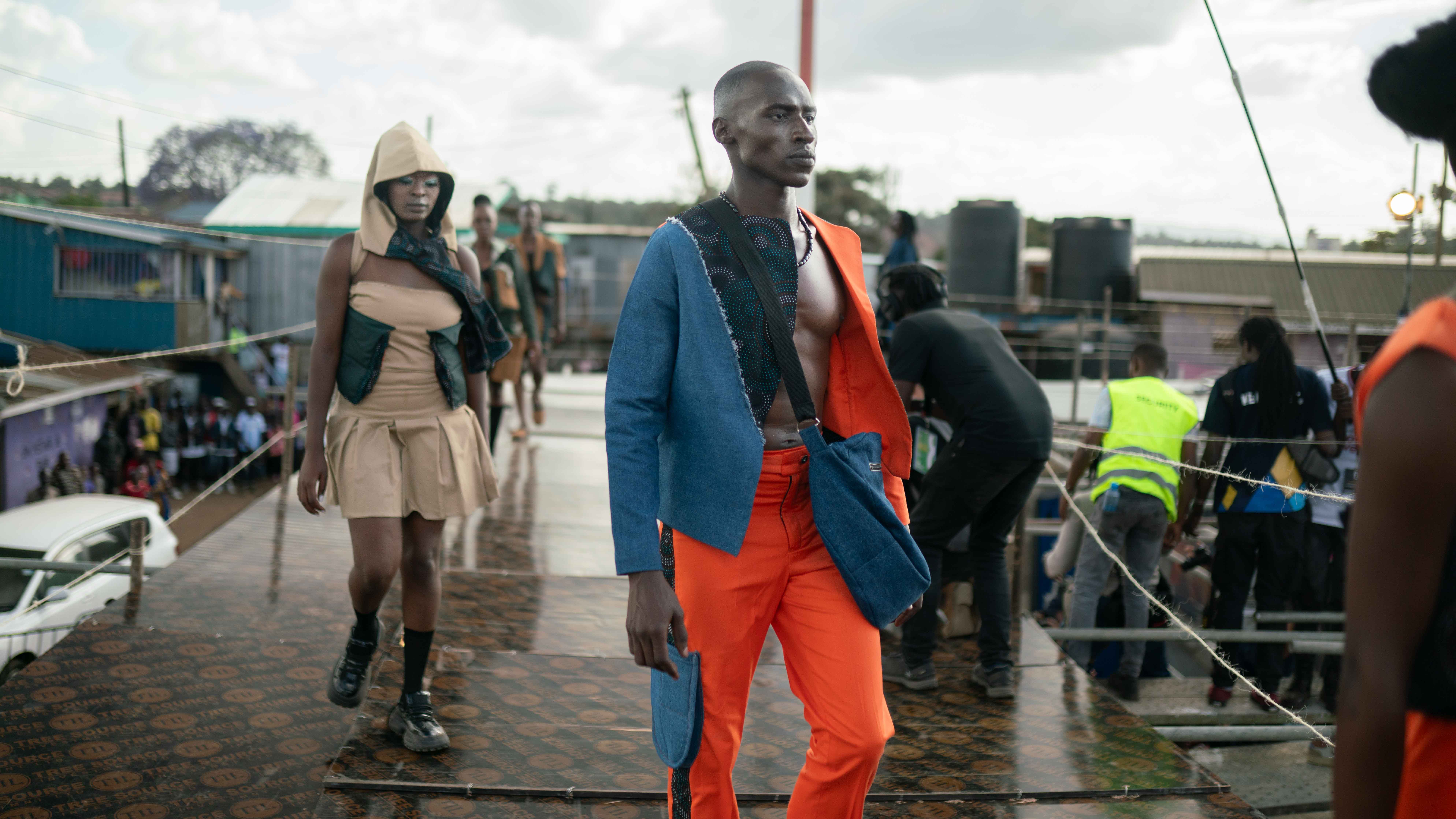
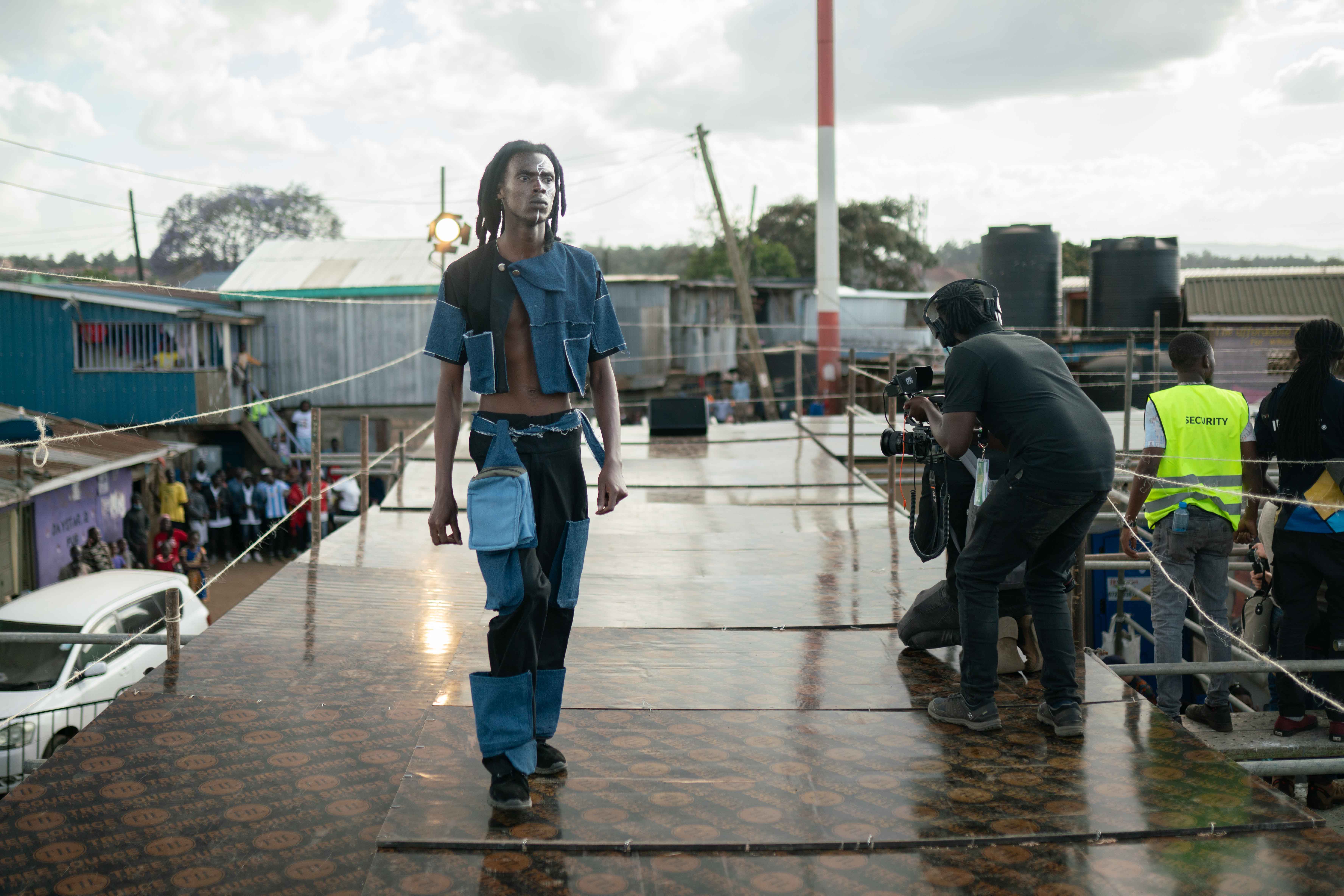
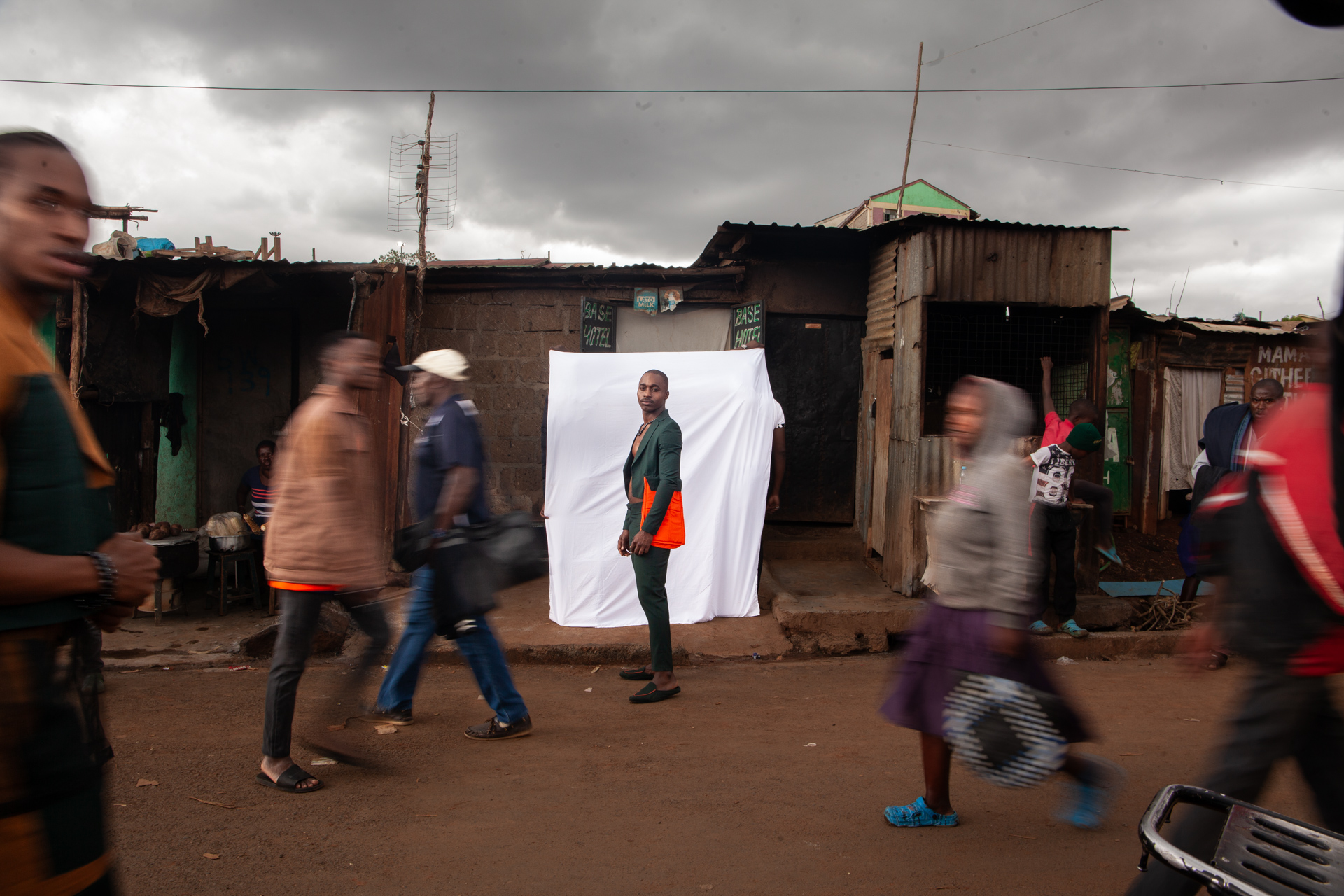
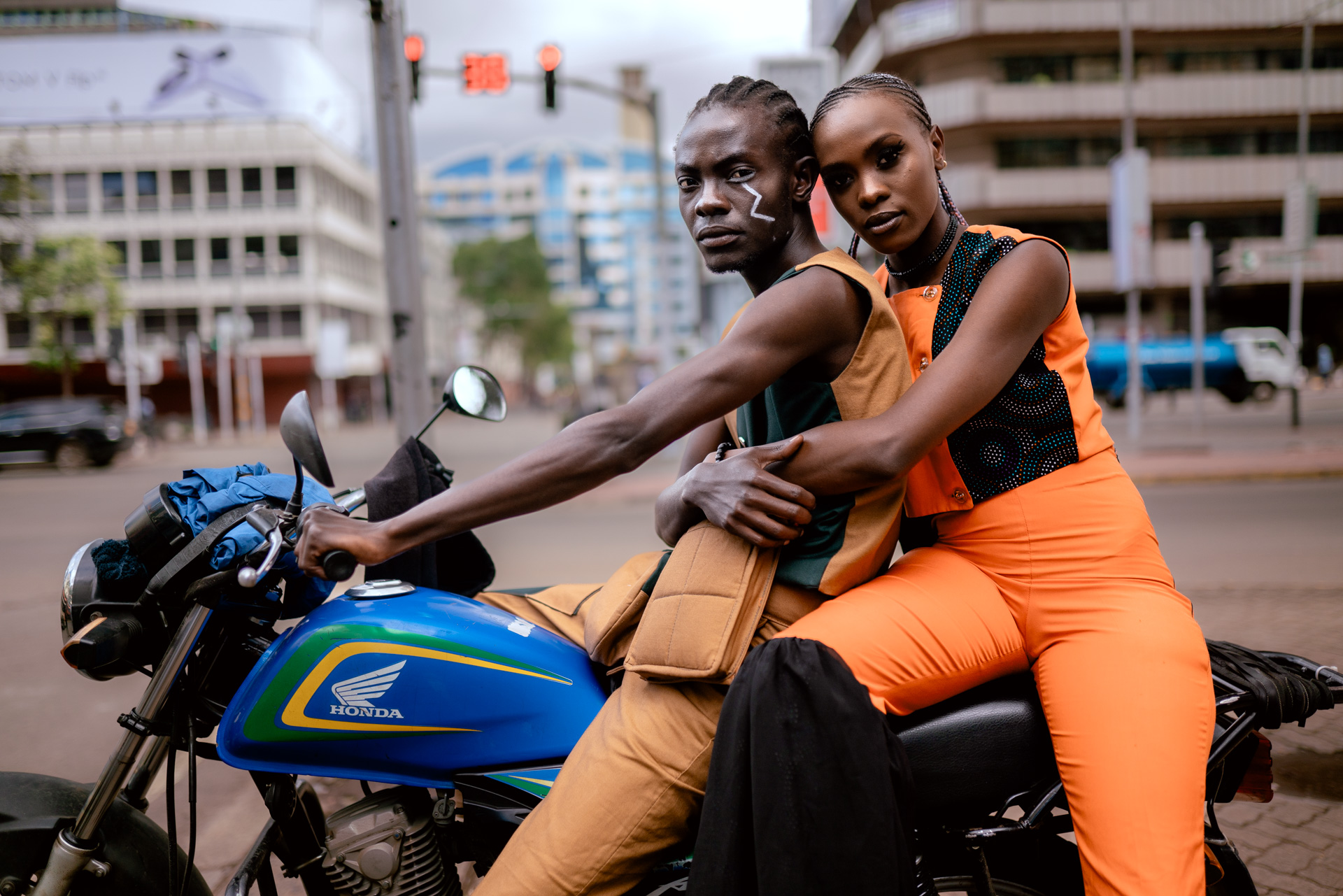
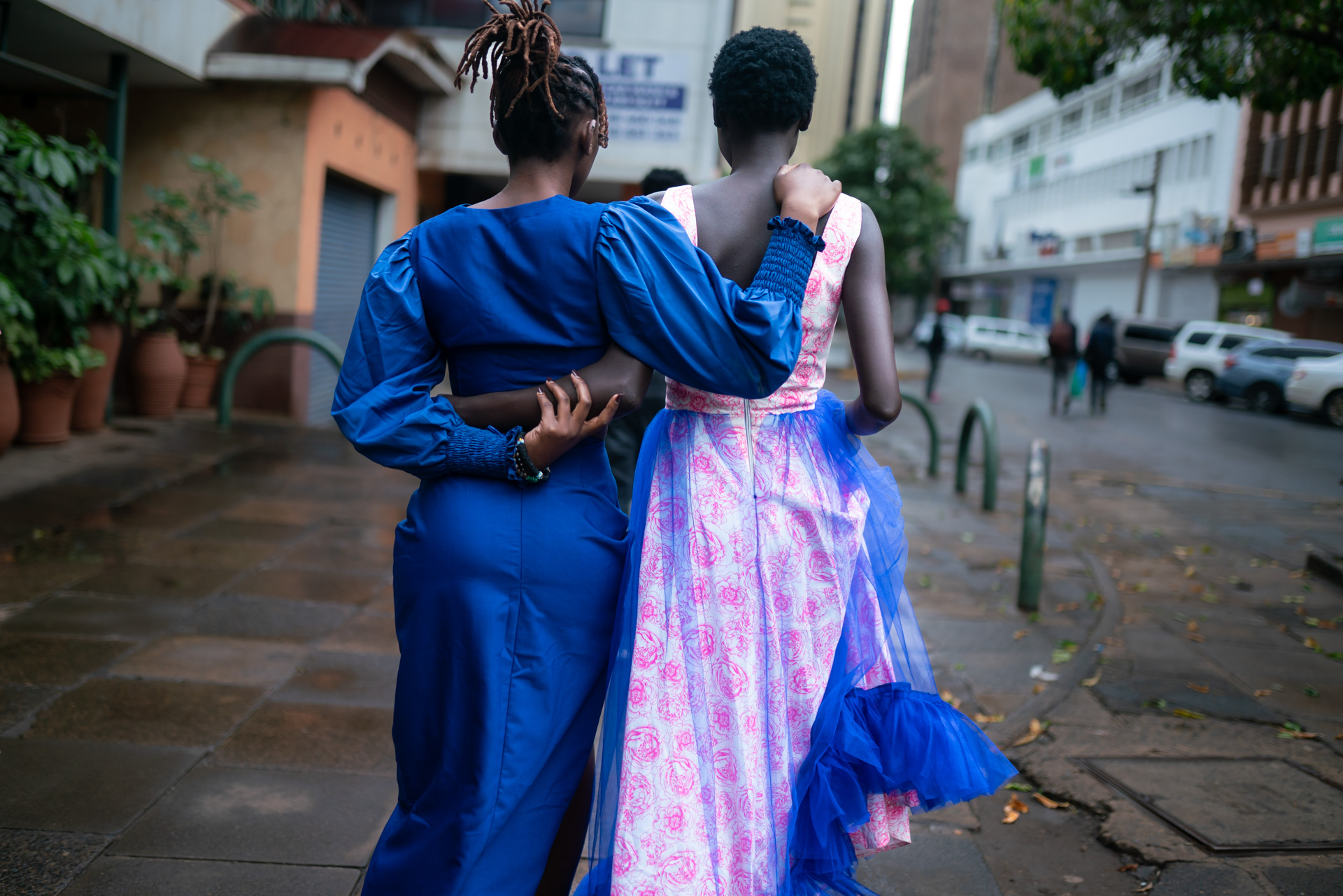

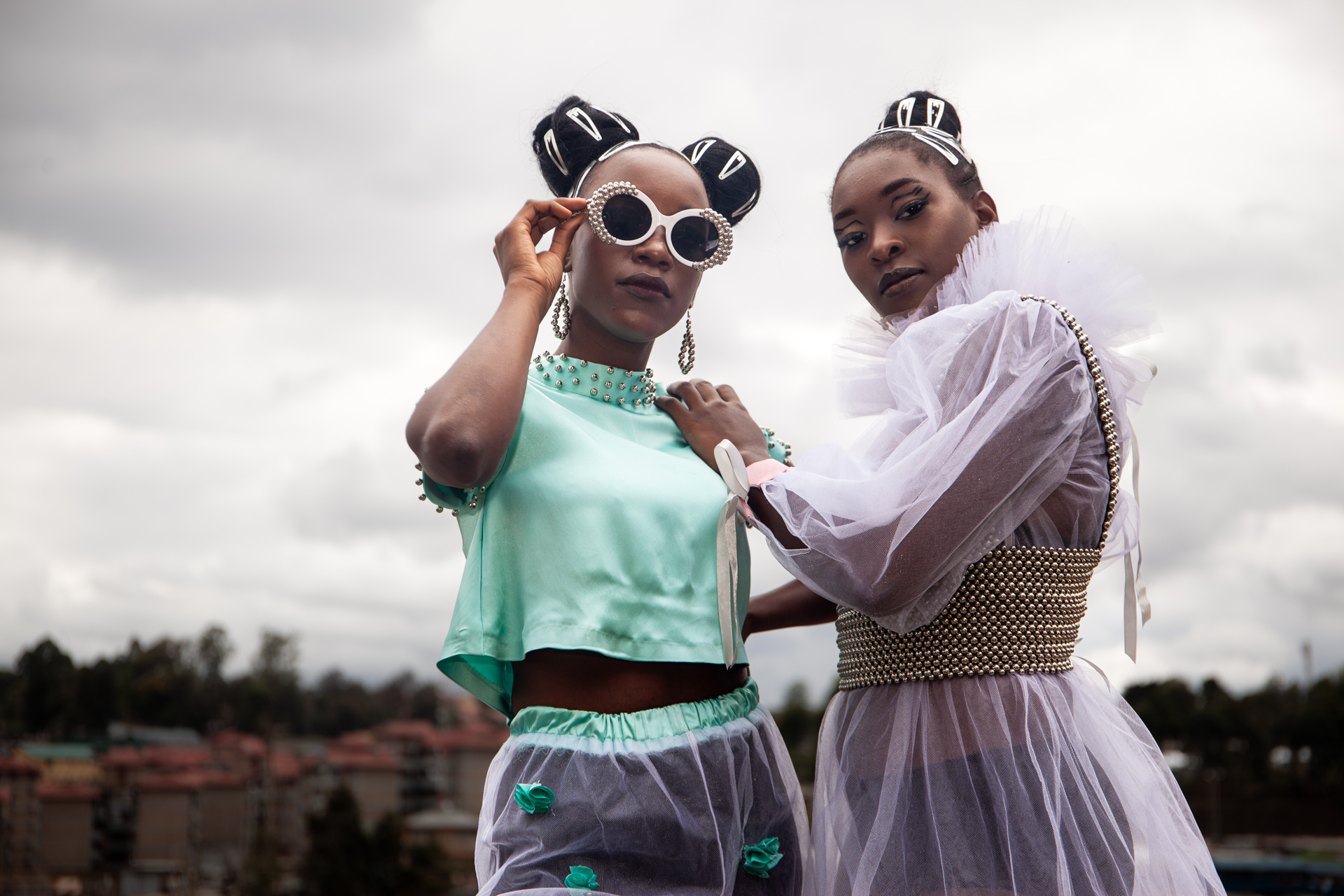
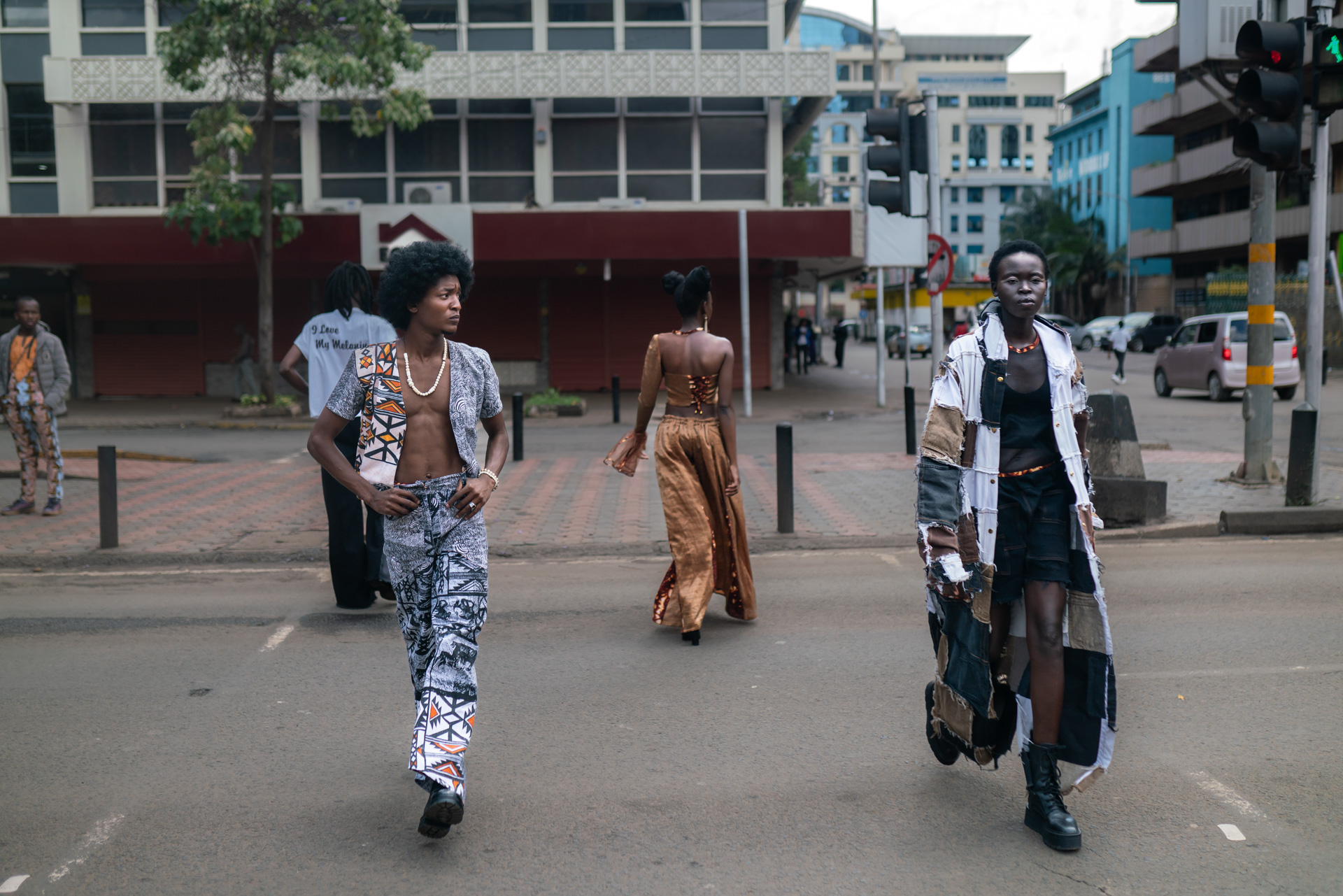

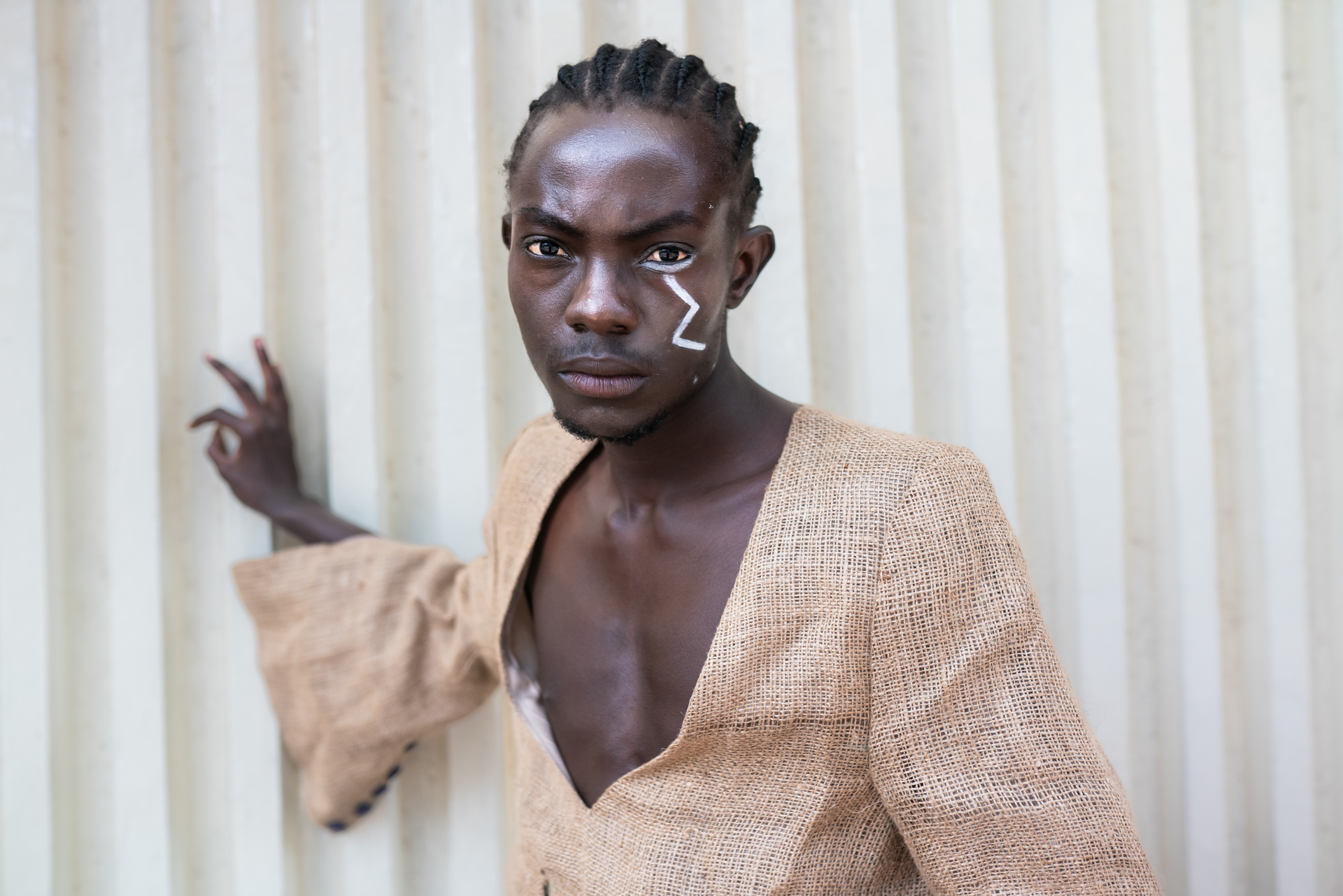
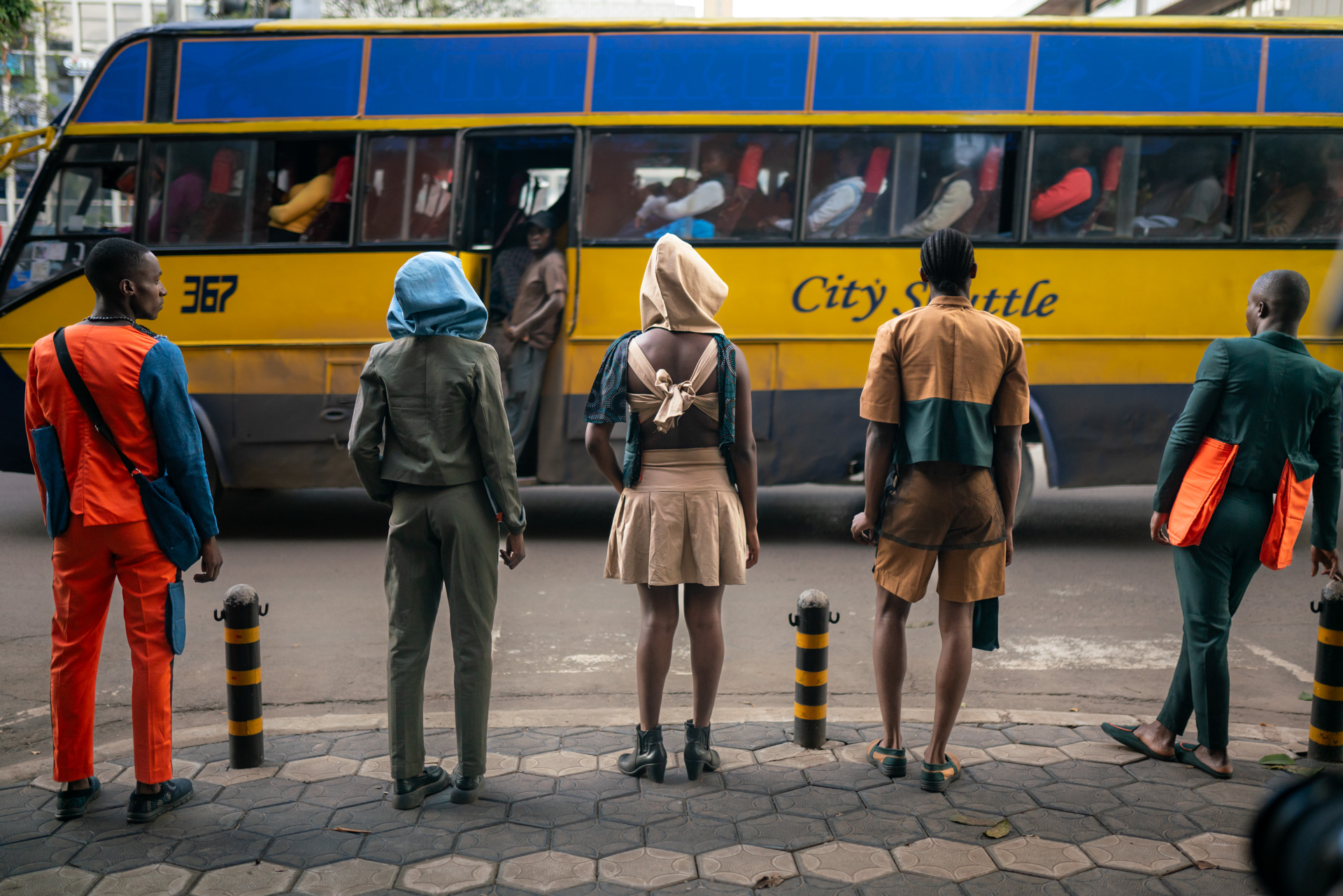
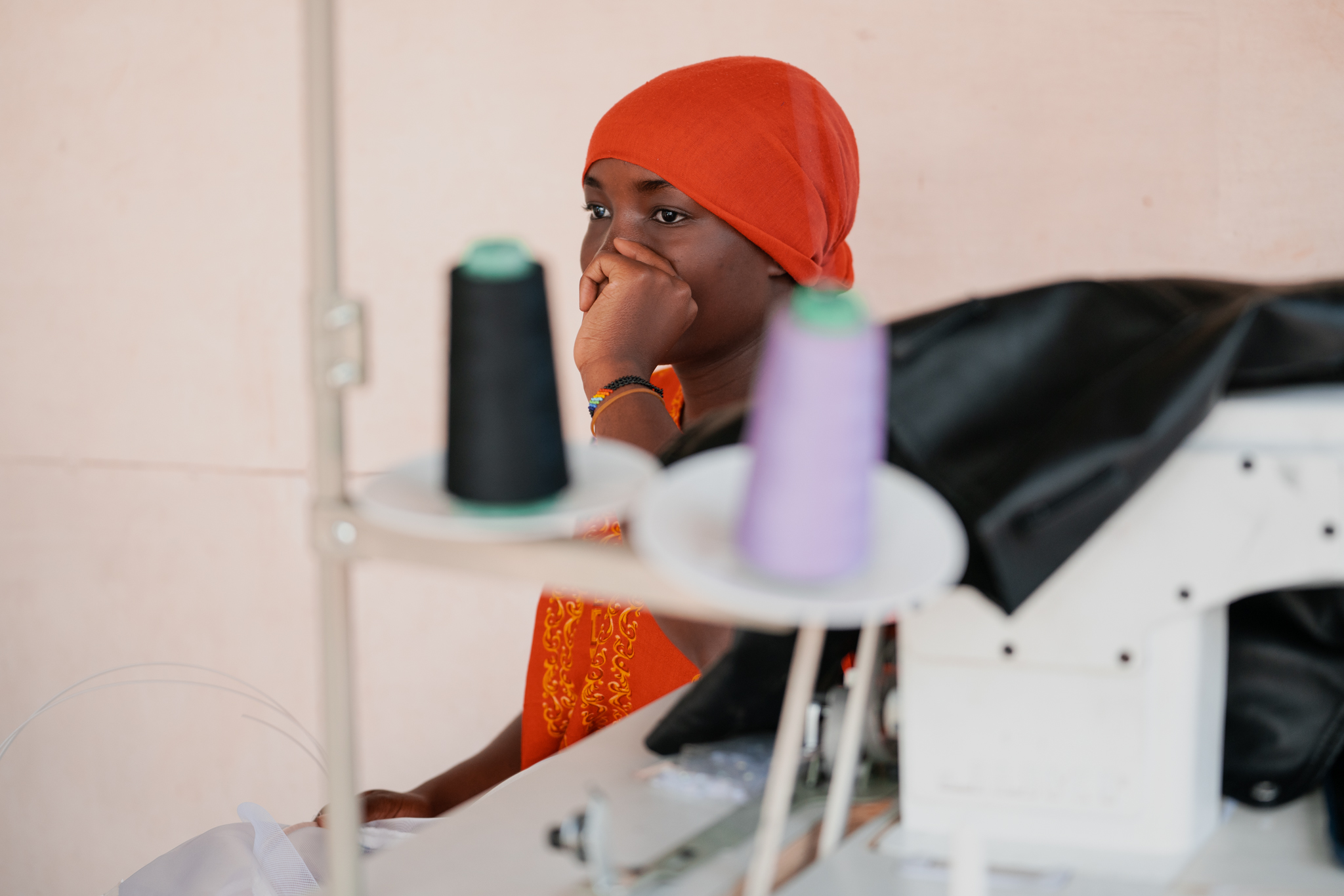
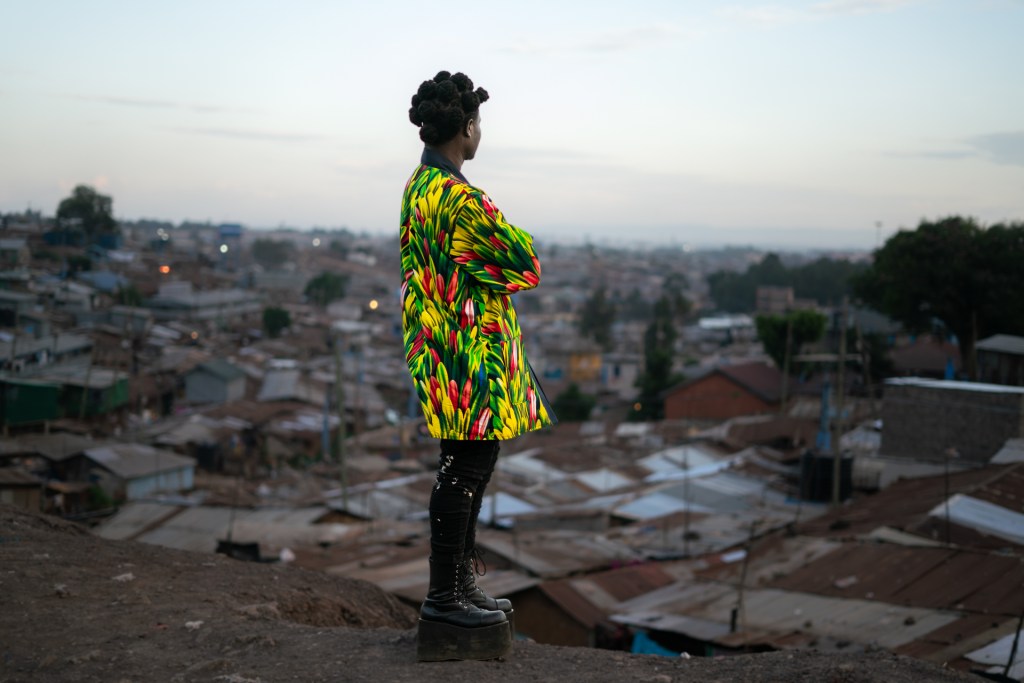
Kibera Fashion Week © Anwar Sadat Swaka. 
Kibera Fashion Week © Anwar Sadat Swaka. 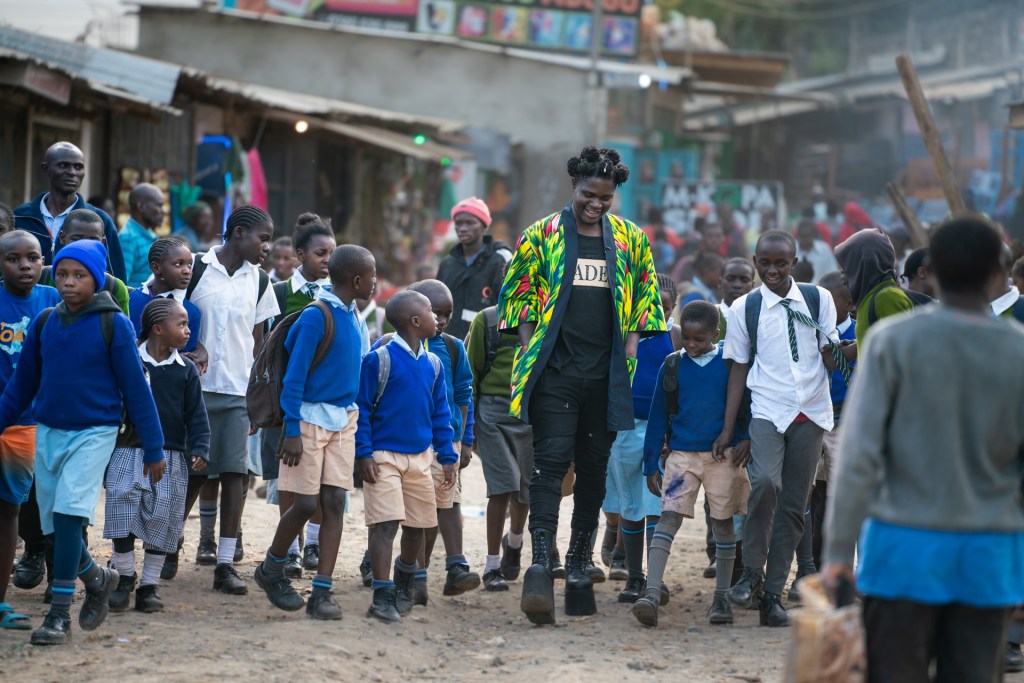
Kibera Fashion Week © Anwar Sadat Swaka. 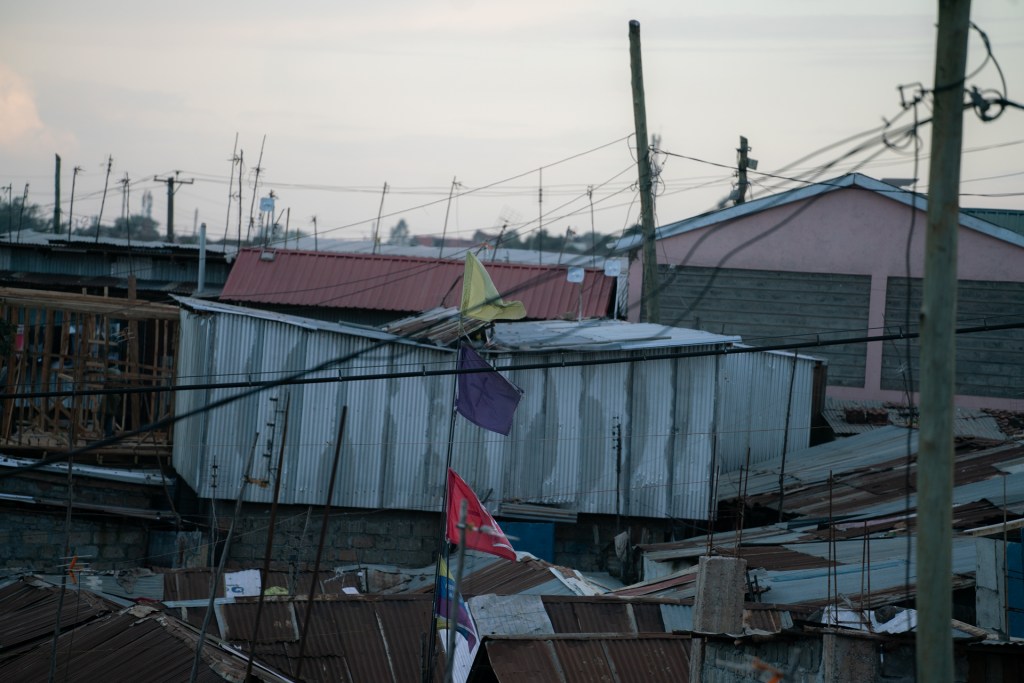
Kibera Fashion Week © Anwar Sadat Swaka. 
Kibera Fashion Week © Anwar Sadat Swaka. 
Kibera Fashion Week © Anwar Sadat Swaka. 
Kibera Fashion Week © Anwar Sadat Swaka. 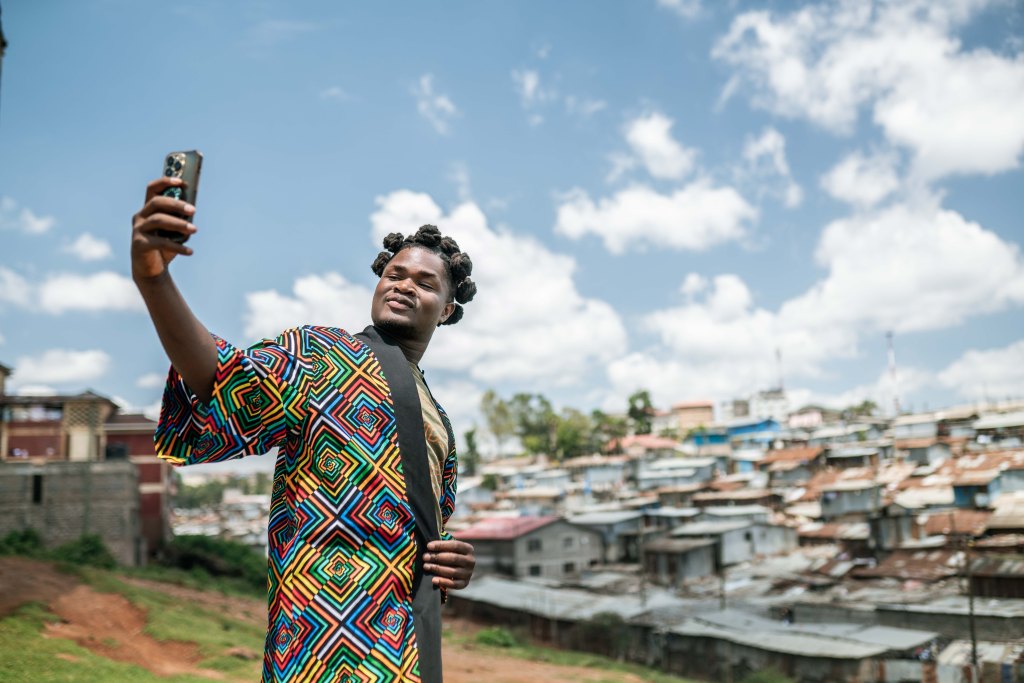
Kibera Fashion Week © Anwar Sadat Swaka. 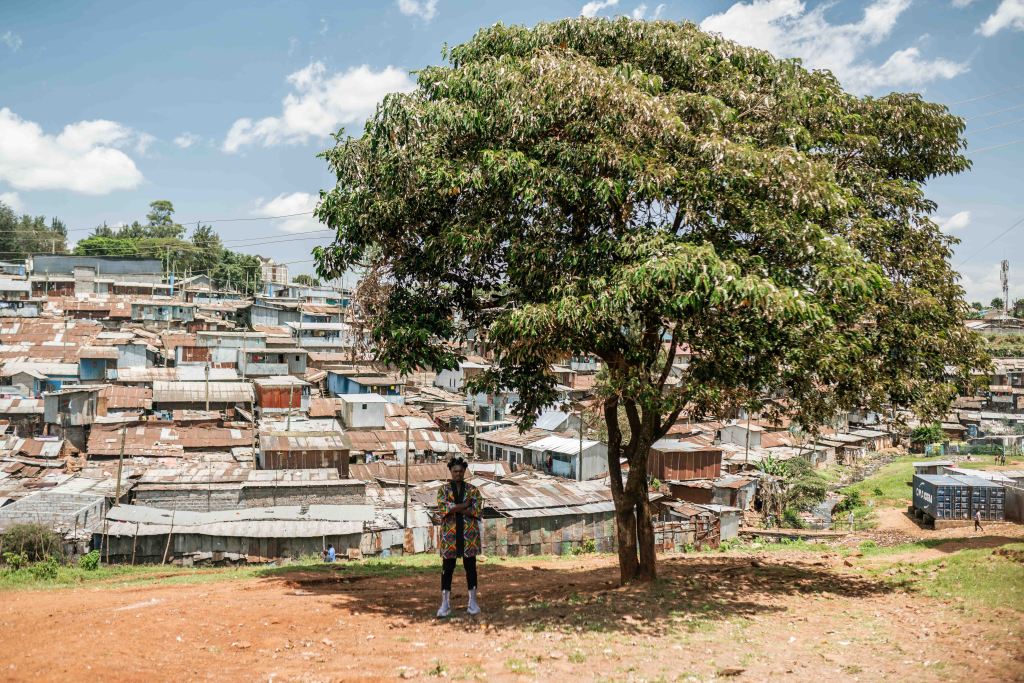
Kibera Fashion Week © Anwar Sadat Swaka. 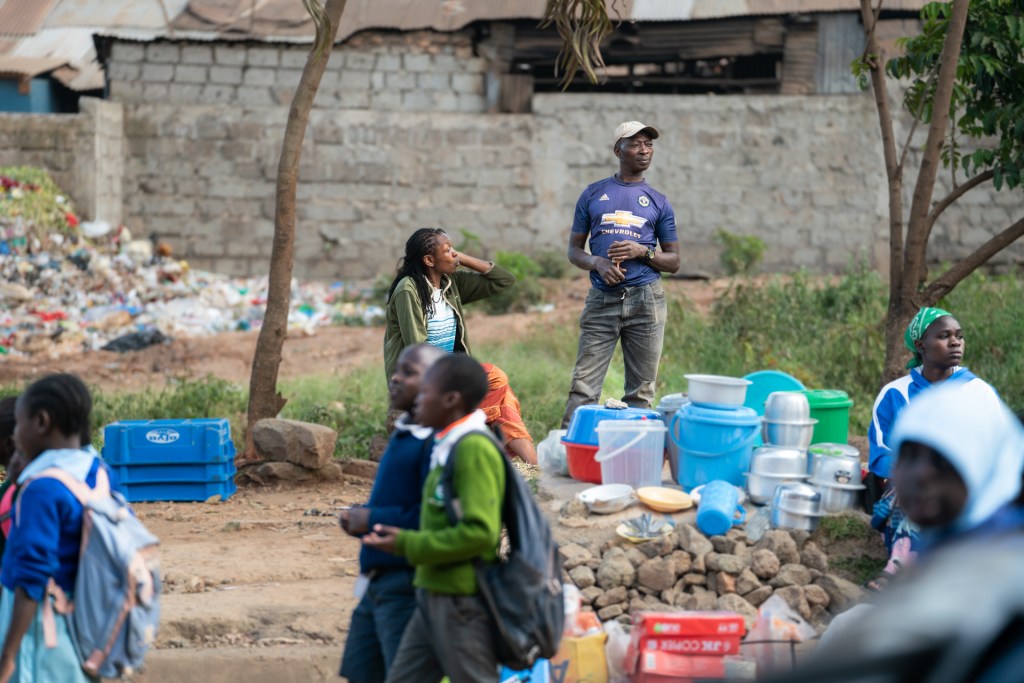
Kibera Fashion Week © Anwar Sadat Swaka. 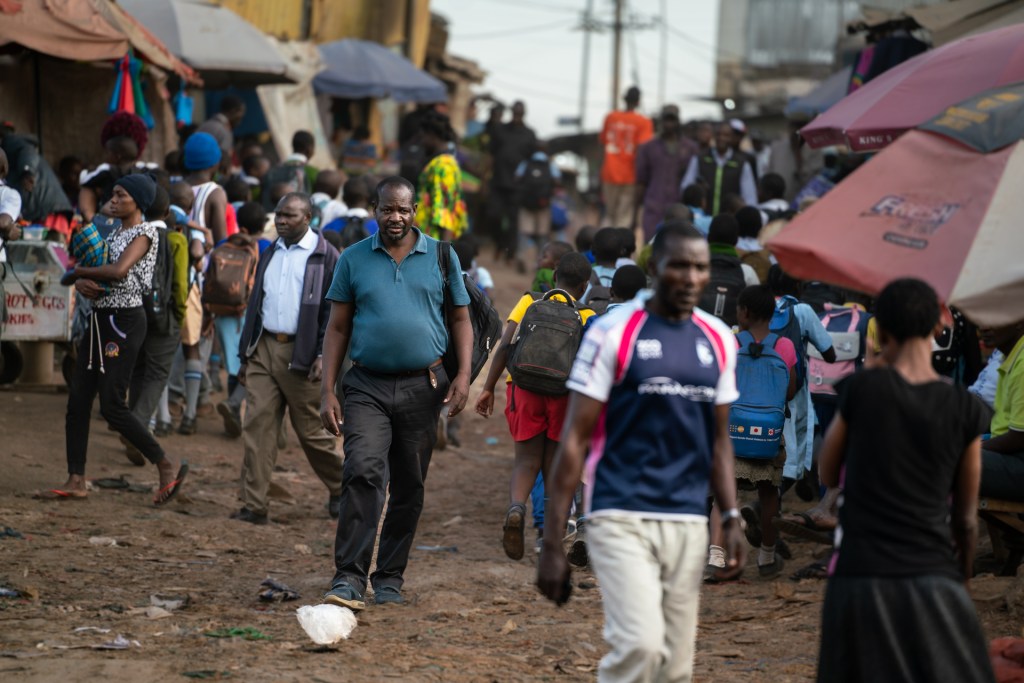
Kibera Fashion Week © Anwar Sadat Swaka. 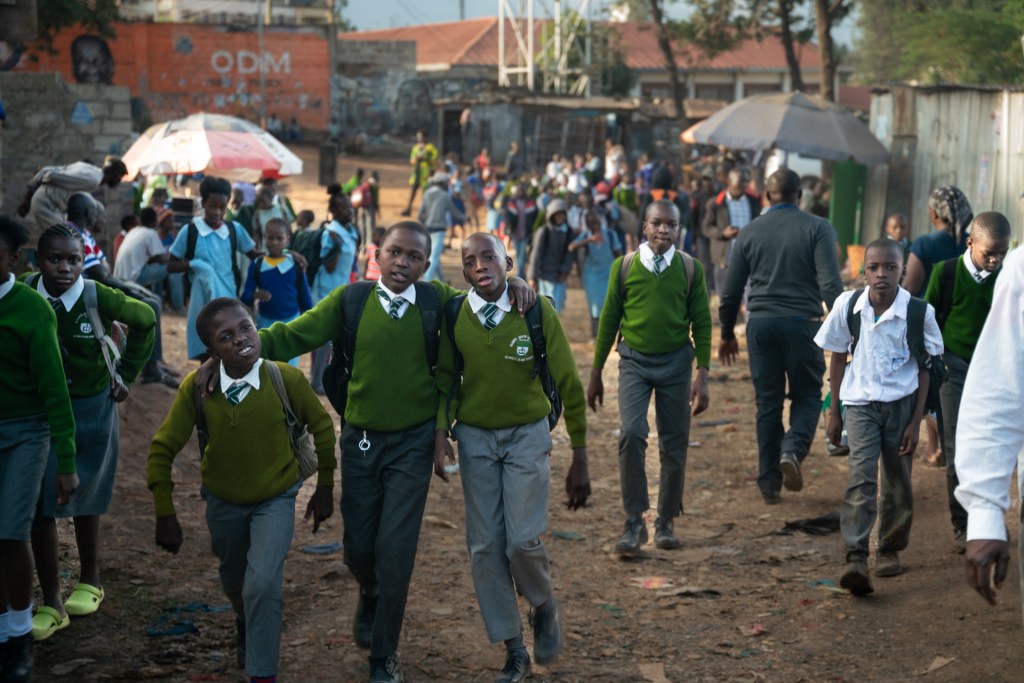
Kibera Fashion Week © Anwar Sadat Swaka. 
Kibera Fashion Week © Anwar Sadat Swaka.
Why this mattered
While Kibera is often portrayed as a place of hopelessness in need of help and so-called “development aid”, it is in fact a diverse metropolis, booming with creativity and constantly evolving and innovating. “I firmly believes that the world can learn a lot from the people of Kibera and that they possess the skills to become pioneers in a sustainable and ethical creative industry.”
“There is no barrier if you believe in your talent and take the next step. I want to encourage and create beauty, where people don’t expect it.”David Avido,
Kibera confronts the neo-colonial realities of the fashion industry by learning from a community that is faced with the abundance of textile waste exported by European countries and creating a new dialogue around the consequences of unsustainable consumption.

Training sessions,Panel discussions and film screening for both models and designers at Goethe-Institut and Nairobi Design. Kibera Fashion Week © Anwar Sadat Swaka. 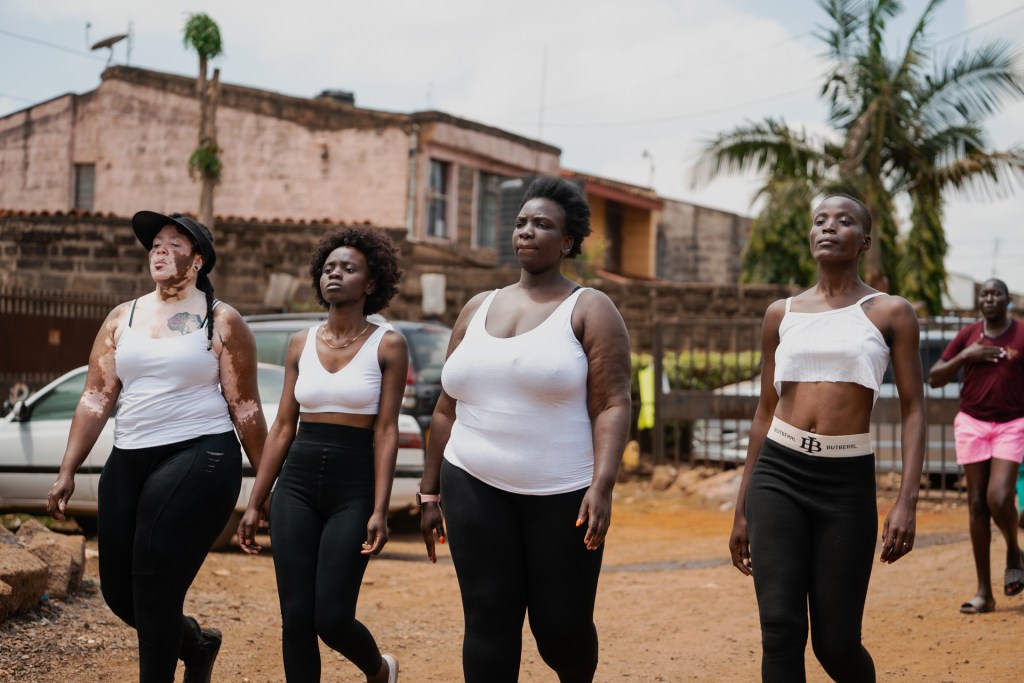
Training sessions,Panel discussions and film screening for both models and designers at Goethe-Institut and Nairobi Design. Kibera Fashion Week © Anwar Sadat Swaka. 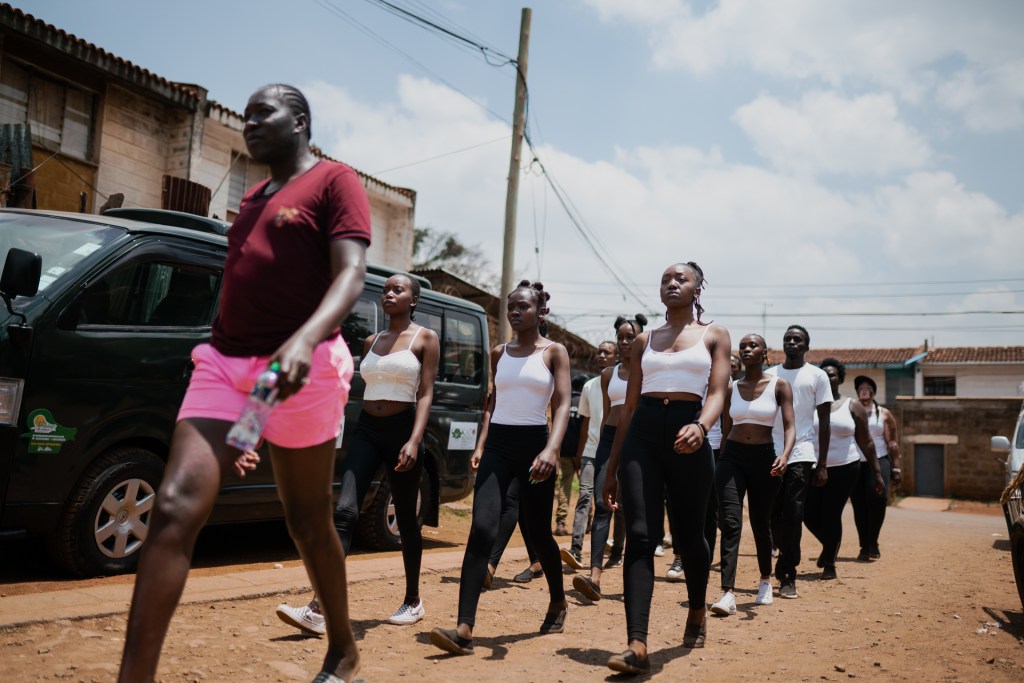
Training sessions,Panel discussions and film screening for both models and designers at Goethe-Institut and Nairobi Design. Kibera Fashion Week © Anwar Sadat Swaka. 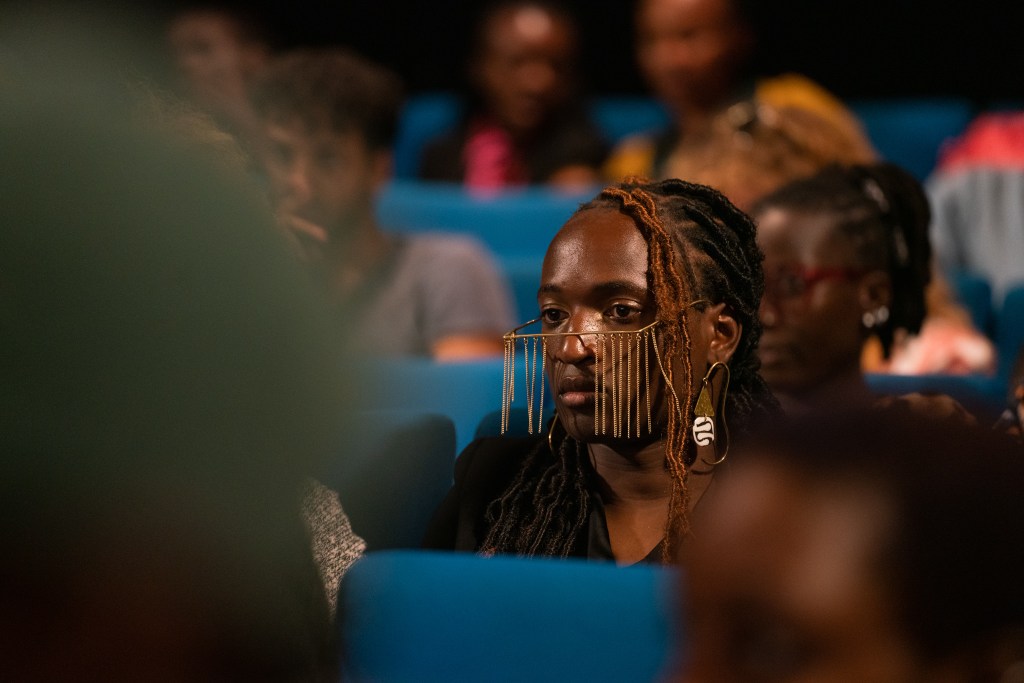
Training sessions,Panel discussions and film screening for both models and designers at Goethe-Institut and Nairobi Design. Kibera Fashion Week © Anwar Sadat Swaka. 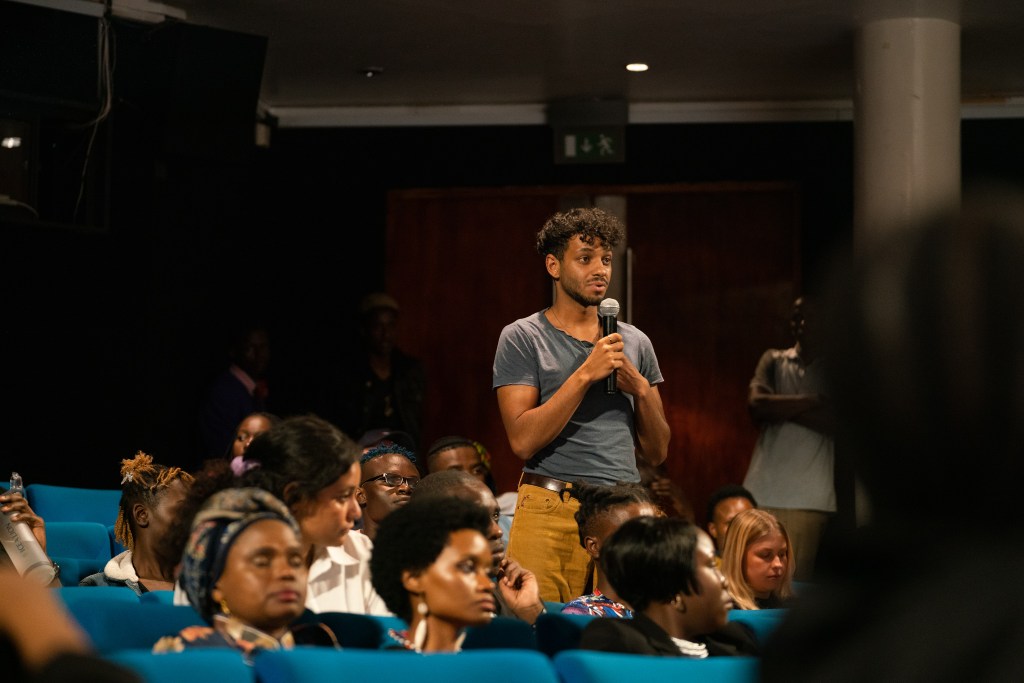
Training sessions,Panel discussions and film screening for both models and designers at Goethe-Institut and Nairobi Design. Kibera Fashion Week © Anwar Sadat Swaka. 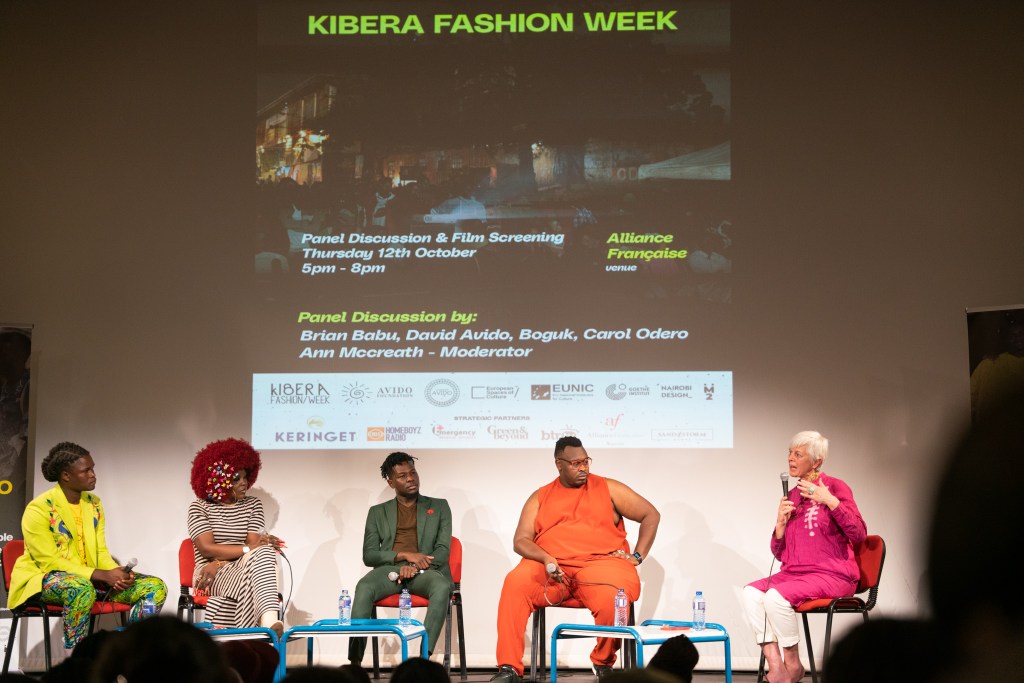
Training sessions,Panel discussions and film screening for both models and designers at Goethe-Institut and Nairobi Design. Kibera Fashion Week © Anwar Sadat Swaka. 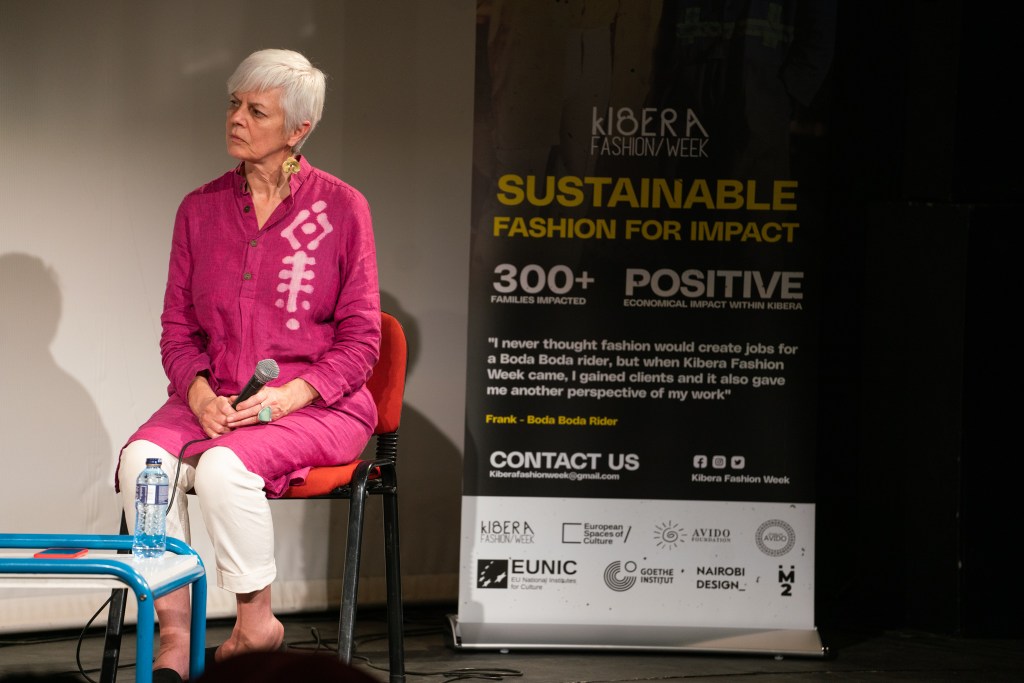
Training sessions,Panel discussions and film screening for both models and designers at Goethe-Institut and Nairobi Design.Kibera Fashion Week © Anwar Sadat Swaka. 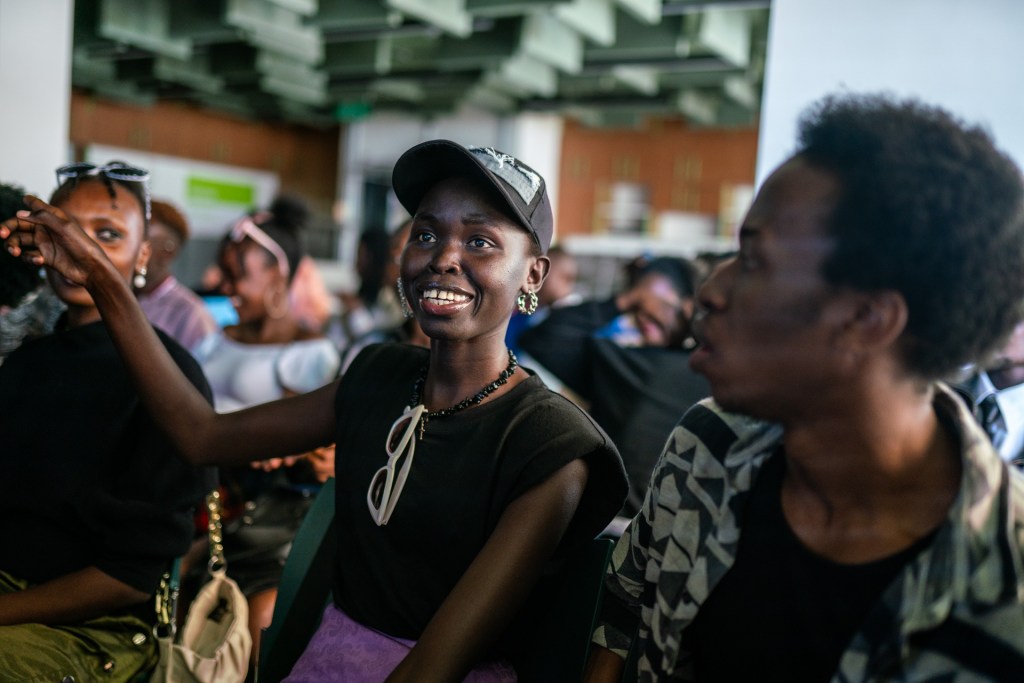
Training sessions,Panel discussions and film screening for both models and designers at Goethe-Institut and Nairobi Design. Kibera Fashion Week © Anwar Sadat Swaka. 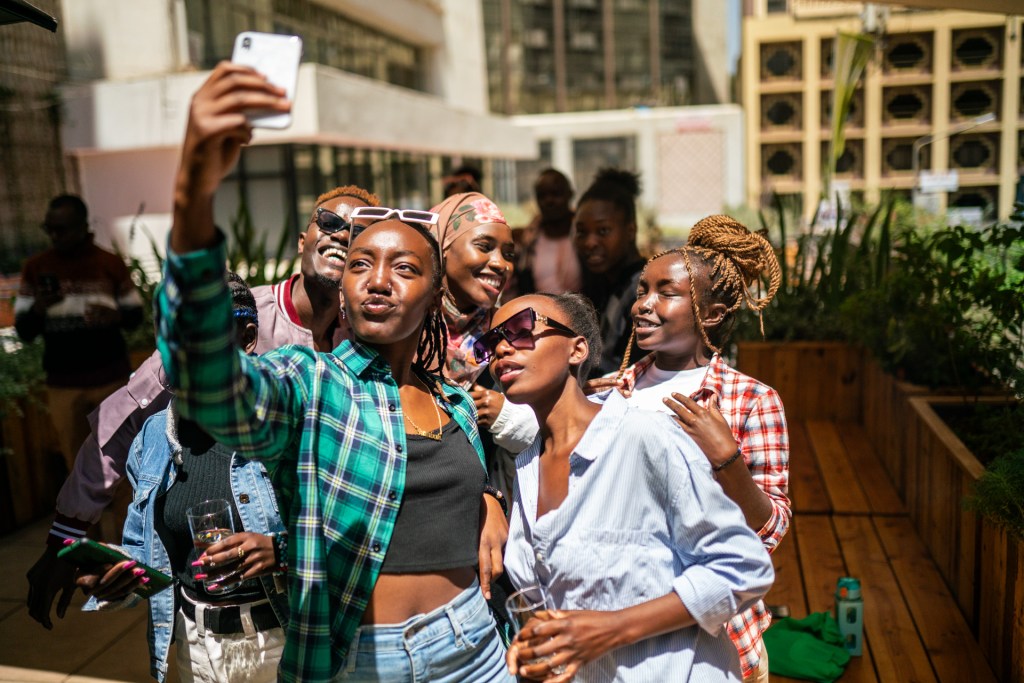
Training sessions,Panel discussions and film screening for both models and designers at Goethe-Institut and Nairobi Design. Kibera Fashion Week © Anwar Sadat Swaka. 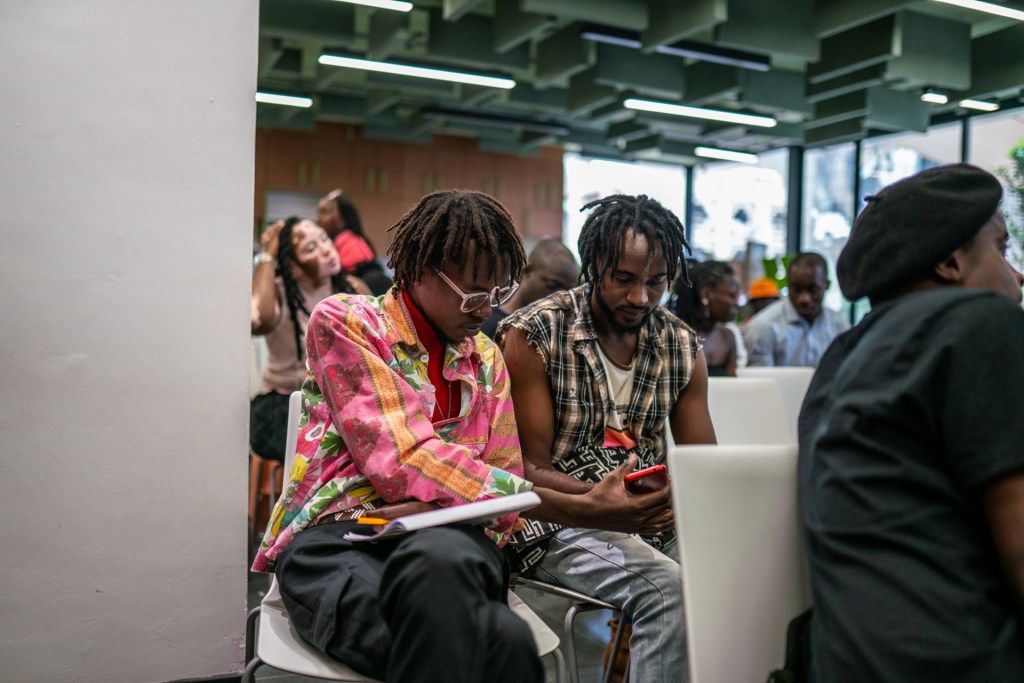
Training sessions,Panel discussions and film screening for both models and designers at Goethe-Institut and Nairobi Design. Kibera Fashion Week © Anwar Sadat Swaka. 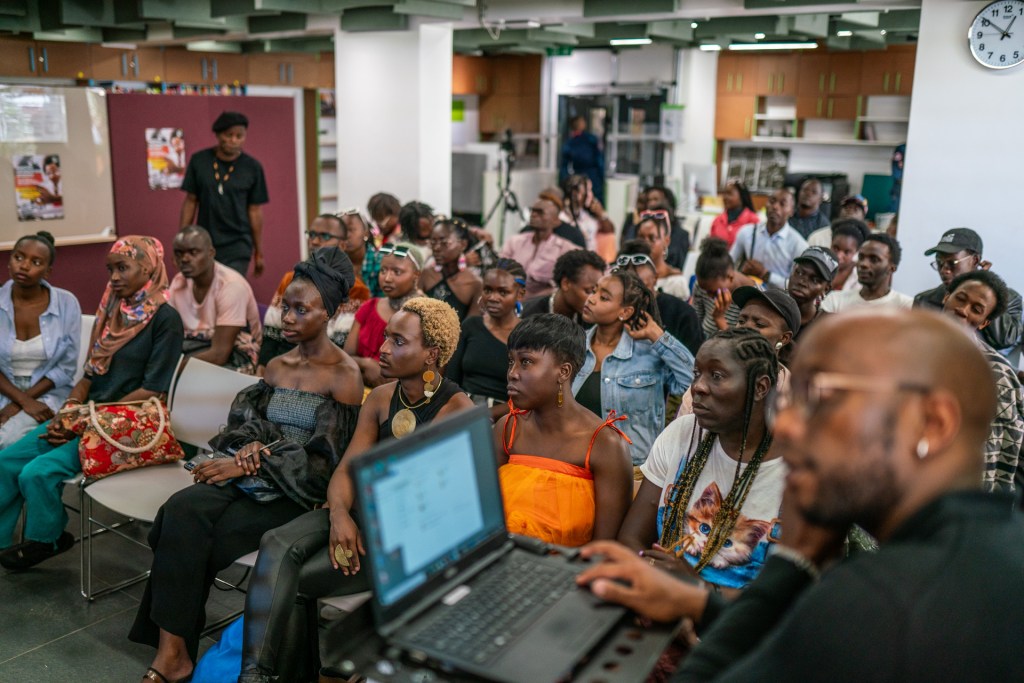
Training sessions,Panel discussions and film screening for both models and designers at Goethe-Institut and Nairobi Design. Kibera Fashion Week © Anwar Sadat Swaka. 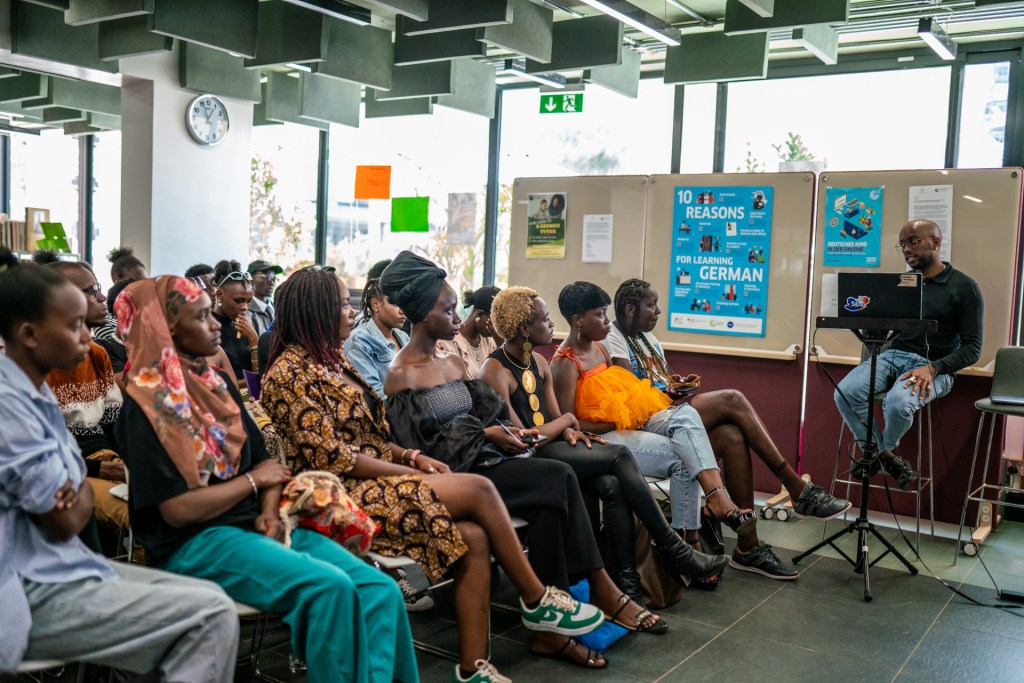
Training sessions,Panel discussions and film screening for both models and designers at Goethe-Institut and Nairobi Design. Kibera Fashion Week © Anwar Sadat Swaka. 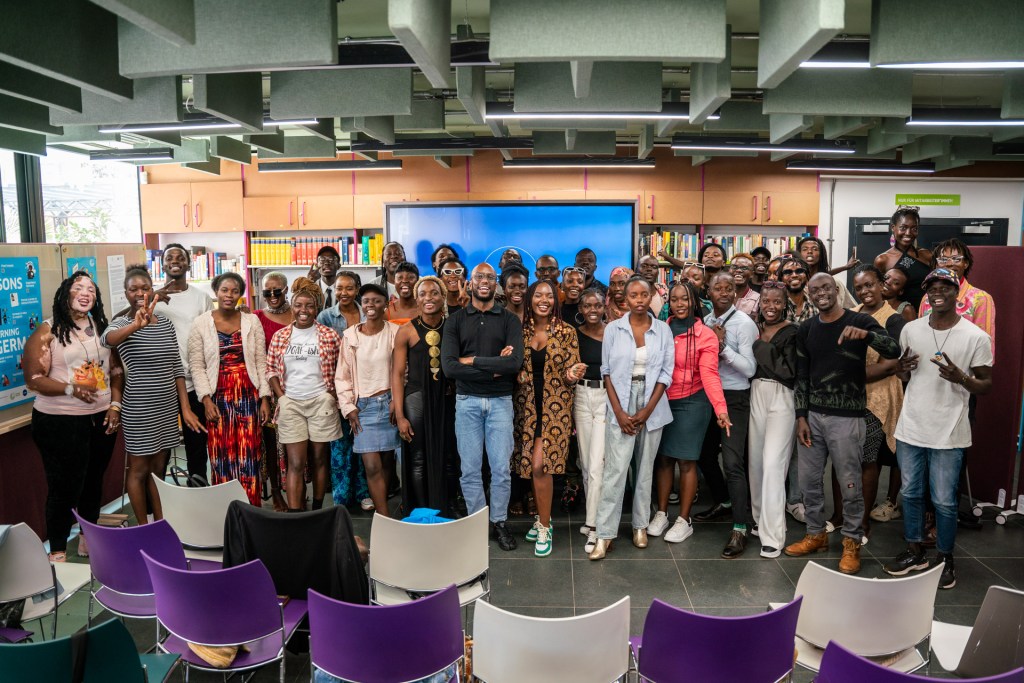
Training sessions,Panel discussions and film screening for both models and designers at Goethe-Institut and Nairobi Design. Kibera Fashion Week © Anwar Sadat Swaka. 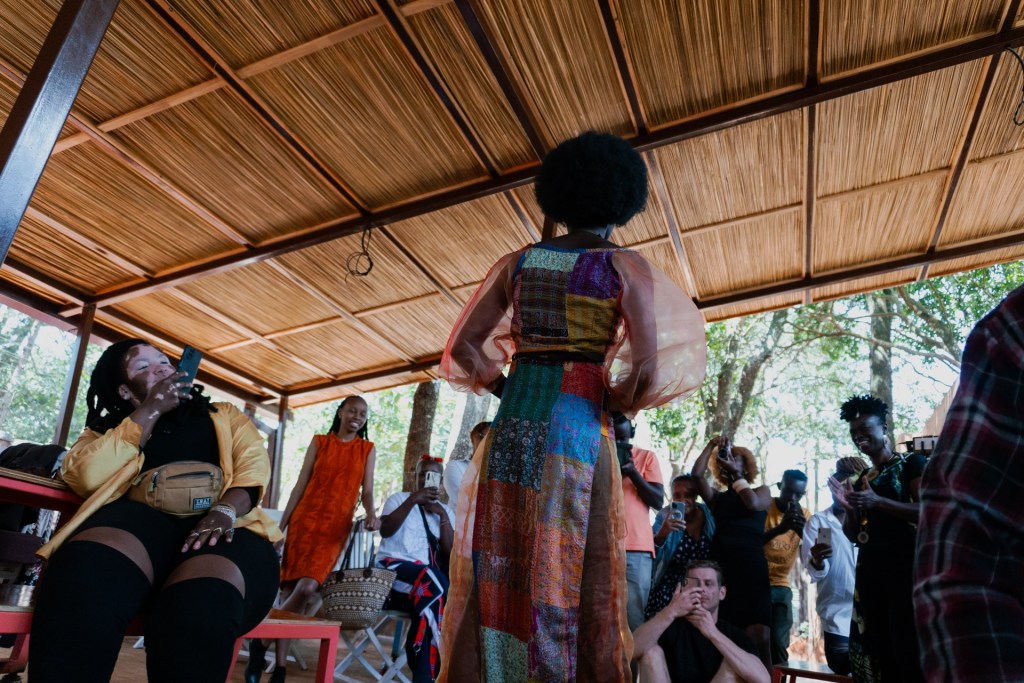
Training sessions,Panel discussions and film screening for both models and designers at Goethe-Institut and Nairobi Design. Kibera Fashion Week © Anwar Sadat Swaka. 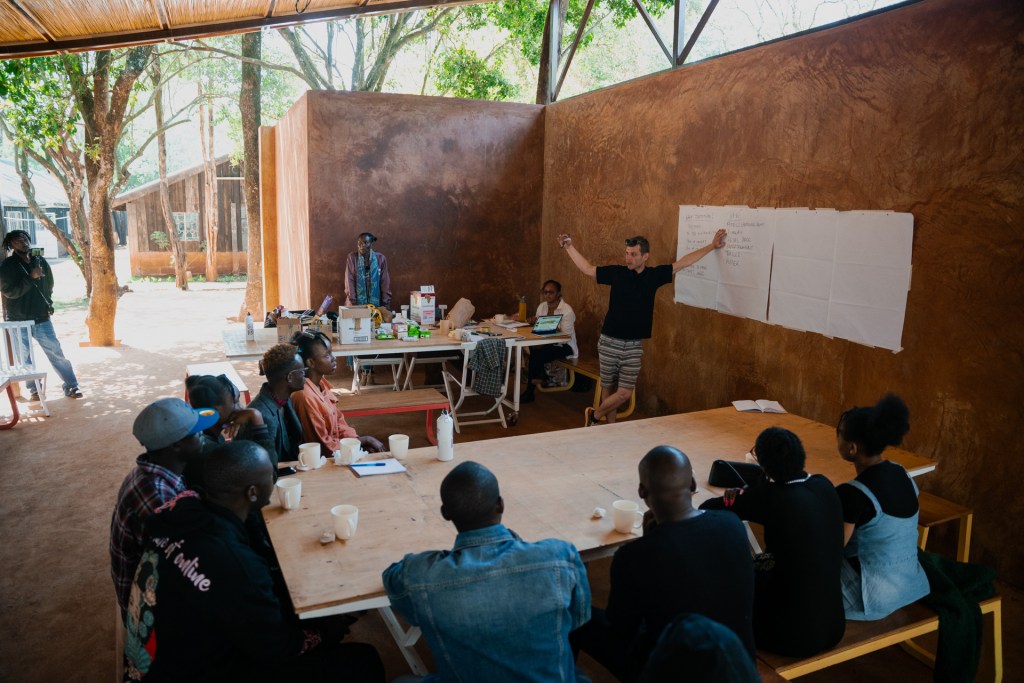
Training sessions,Panel discussions and film screening for both models and designers at Goethe-Institut and Nairobi Design. Kibera Fashion Week © Anwar Sadat Swaka. 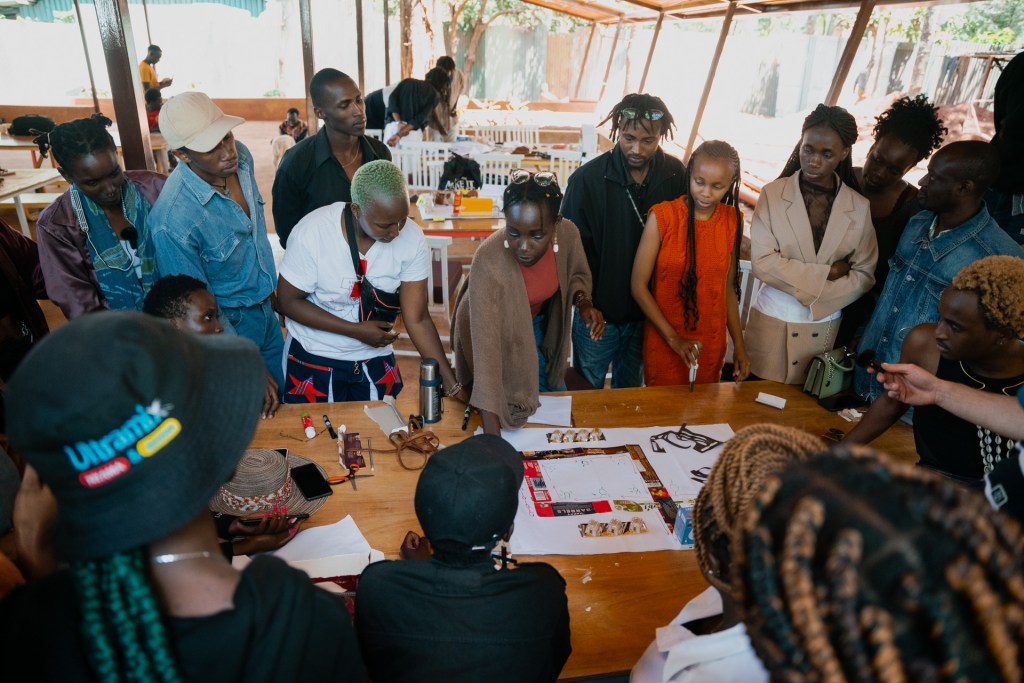
Training sessions,Panel discussions and film screening for both models and designers at Goethe-Institut and Nairobi Design. Kibera Fashion Week © Anwar Sadat Swaka. 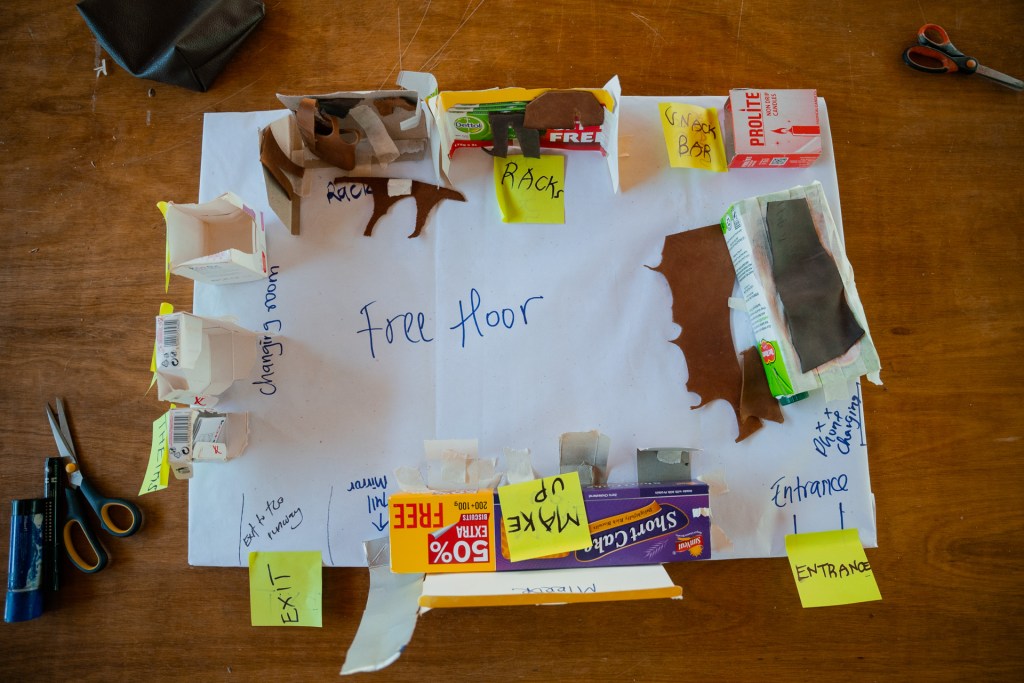
Training sessions,Panel discussions and film screening for both models and designers at Goethe-Institut and Nairobi Design. Kibera Fashion Week © Anwar Sadat Swaka. 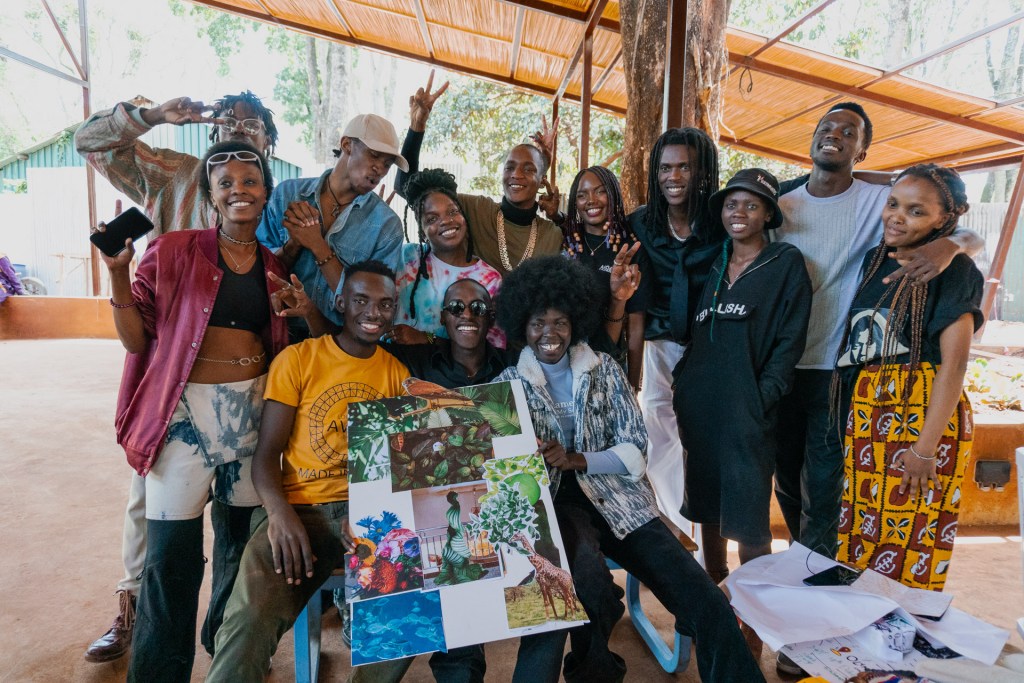
Training sessions,Panel discussions and film screening for both models and designers at Goethe-Institut and Nairobi Design. Kibera Fashion Week © Anwar Sadat Swaka.
KFW CREATORS DESK
Many of the designers incorporated and portrayed local issues for social justice in their design, such as youth empowerment, unemployment, queer identities and freedom of expression. Inspiration was drawn from local and traditional craftsmanship, tribal design, modern popculture, the queer ballroom scene, and more.
“We as youths have big ideas and big plans but we never get the opportunities to bring them to life due to lack of employment and when one gets one, it’s never what you want to do hence no full potential is shown, lack of self-esteem and courage to go on. My collection simply shows the big ideas we have – pockets – that we never get the chance to show and it never get to be appreciated – the empty pockets, “Hellen wanjiru Njengam, Designer of ‘Pocket Pennie’s swerve’
“The collection is inspired by black people and just our melanin in its various shades. An appreciation of how beautiful our melanin is and how important it is. Youth as our audience take pride in who they are.“ Joyleen Chepngetich, Designer of ‘Melanin’

Kibera Fashion Week 2023 Designers. #Millicent Oluoch. © Anwar Sadat Swaka. 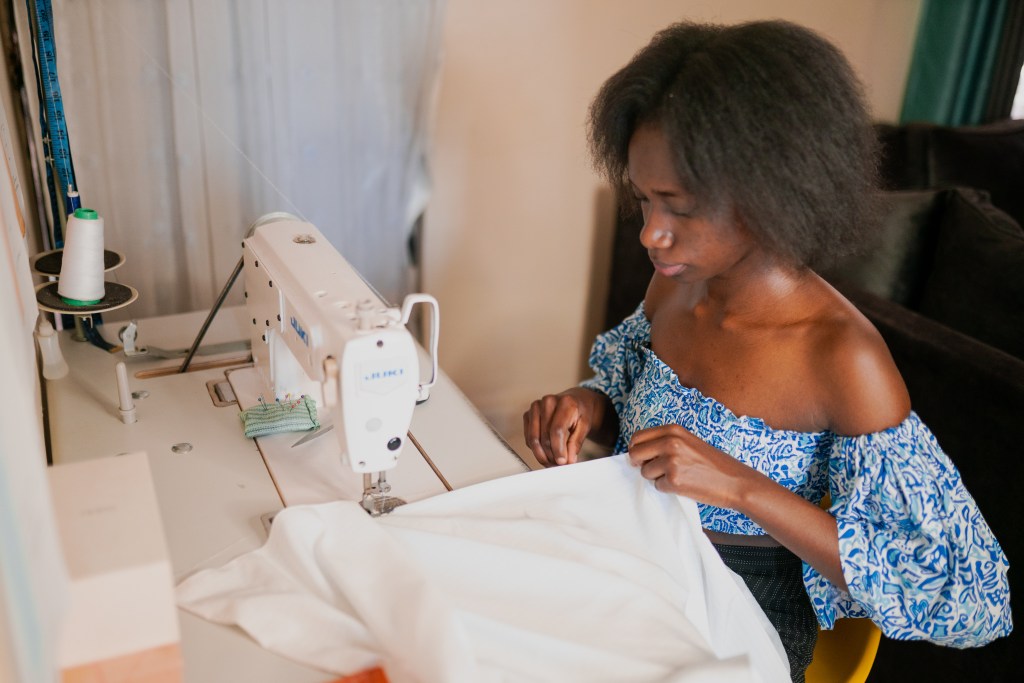
Kibera Fashion Week 2023 Designers. #Millicent Oluoch. © Anwar Sadat Swaka. 
Kibera Fashion Week 2023 Designers. #Fauzia Libuku © Anwar Sadat Swaka. 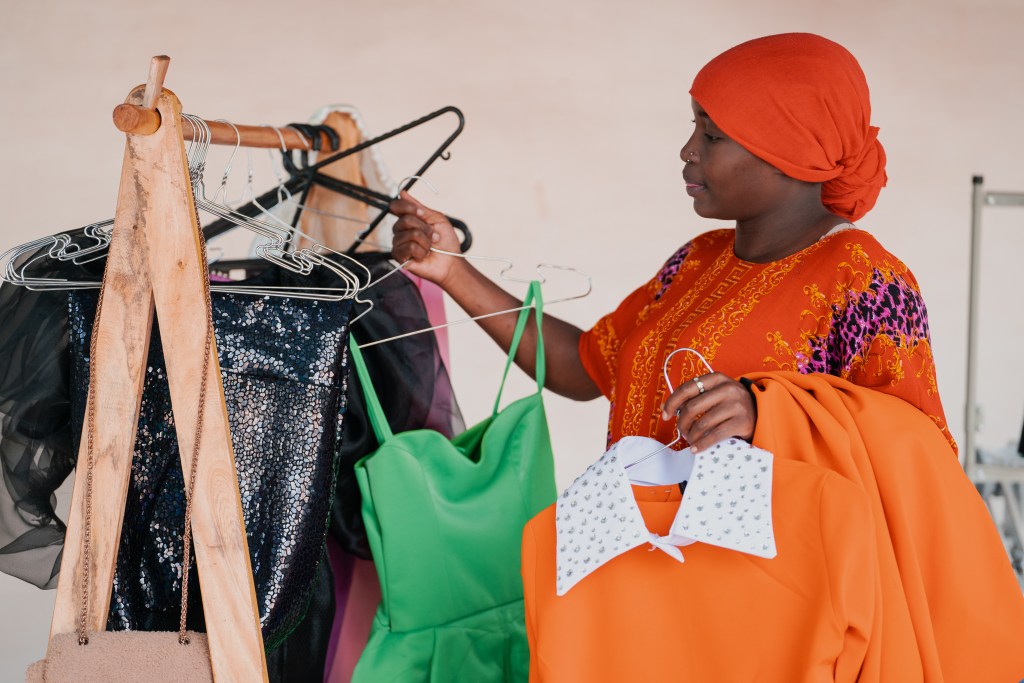
Kibera Fashion Week 2023 Designers. #Fauzia Libuku © Anwar Sadat Swaka. 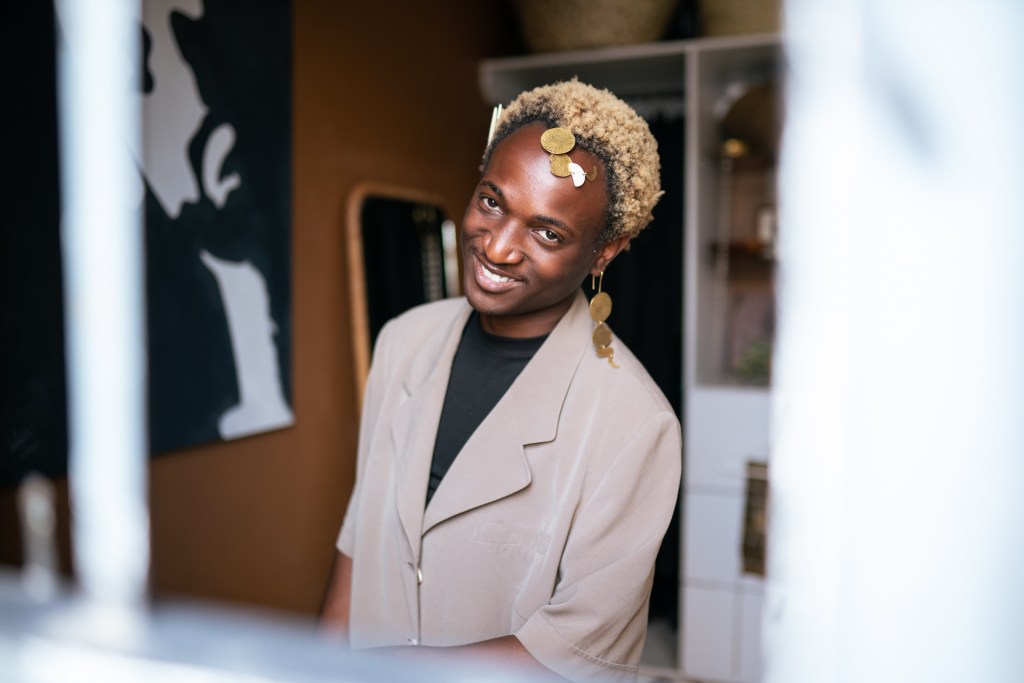
Kibera Fashion Week 2023 Designers. #Calton Gandani © Anwar Sadat Swaka. 
Kibera Fashion Week 2023 Designers. #Calton Gandani. © Anwar Sadat Swaka. 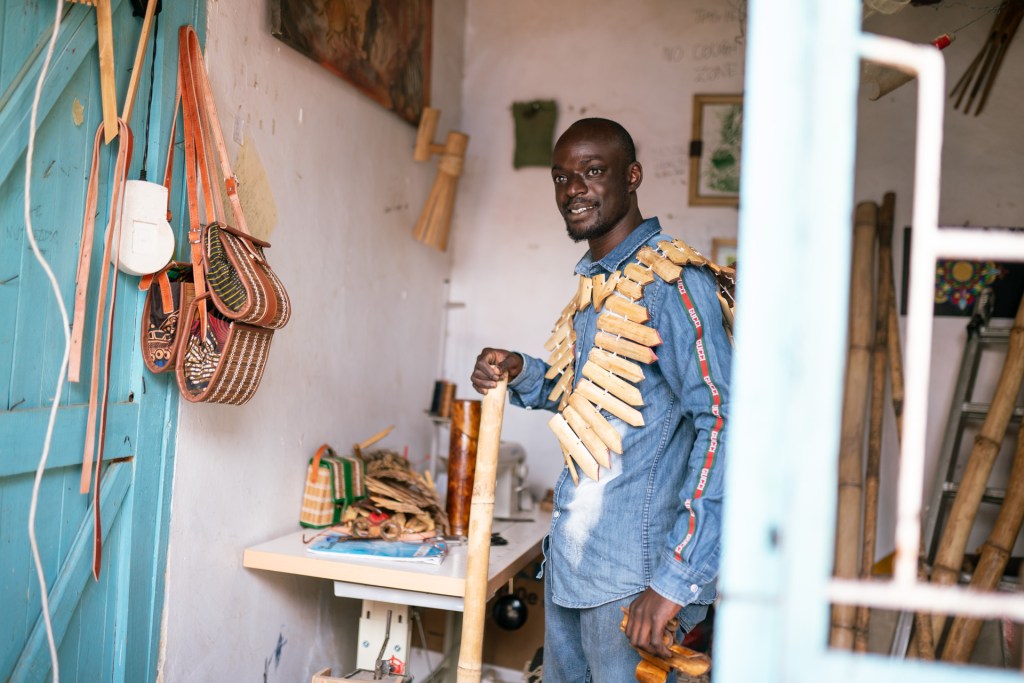
Kibera Fashion Week 2023 Designers. #Dan Otieno © Anwar Sadat Swaka. 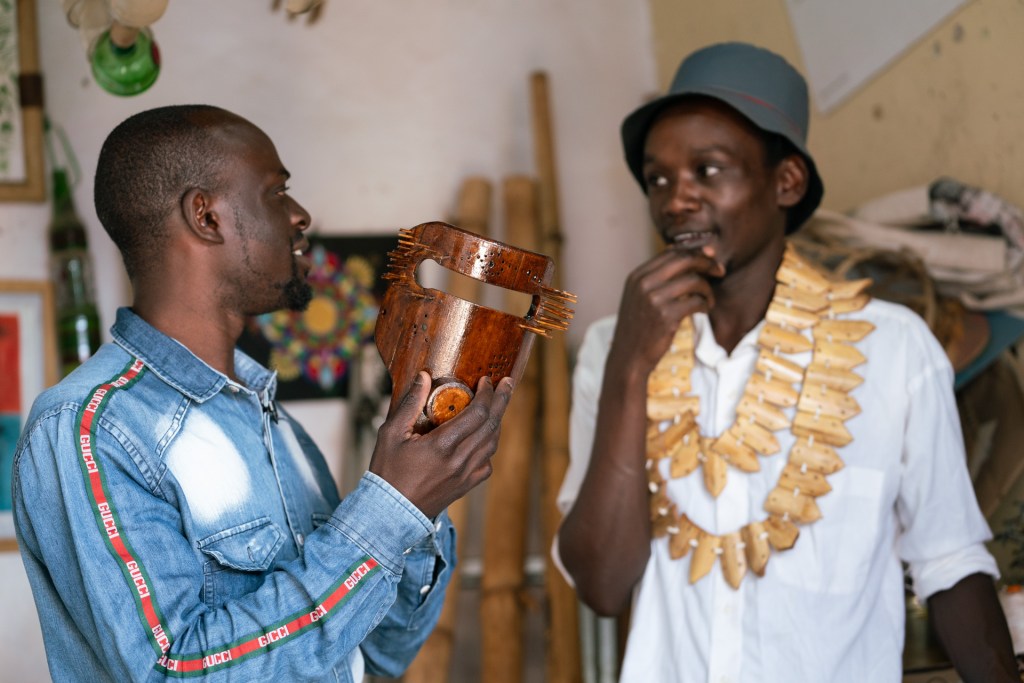
Kibera Fashion Week 2023 Designers. #Dan Otieno. © Anwar Sadat Swaka. 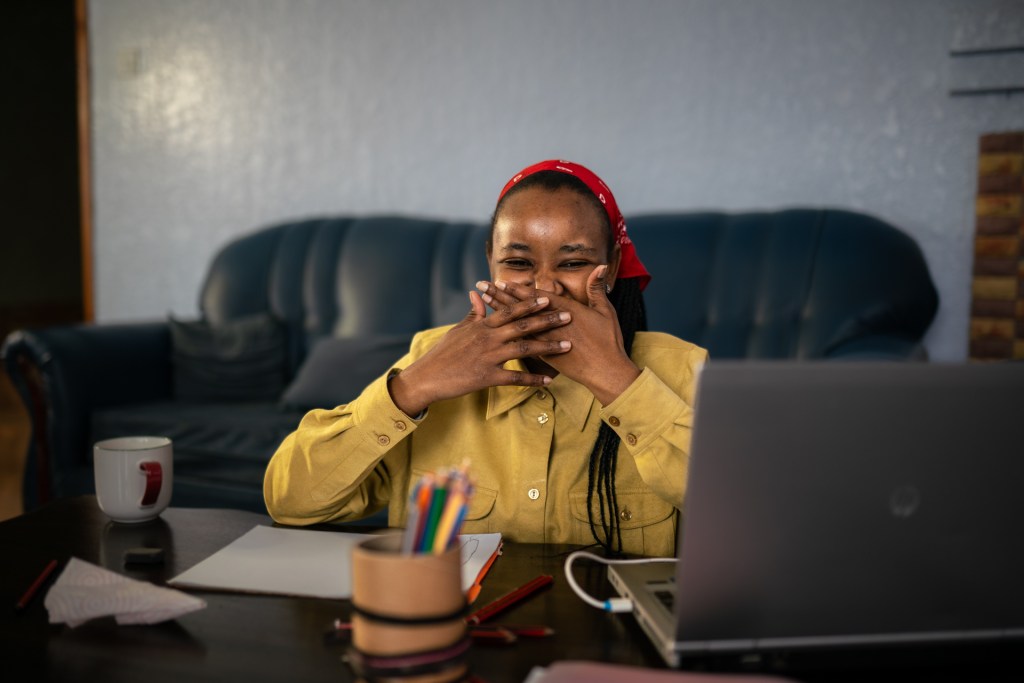
Kibera Fashion Week 2023 Designers. #Hellen Njenga © Anwar Sadat Swaka. 
Kibera Fashion Week 2023 Designers. #Hellen Njenga © Anwar Sadat Swaka. 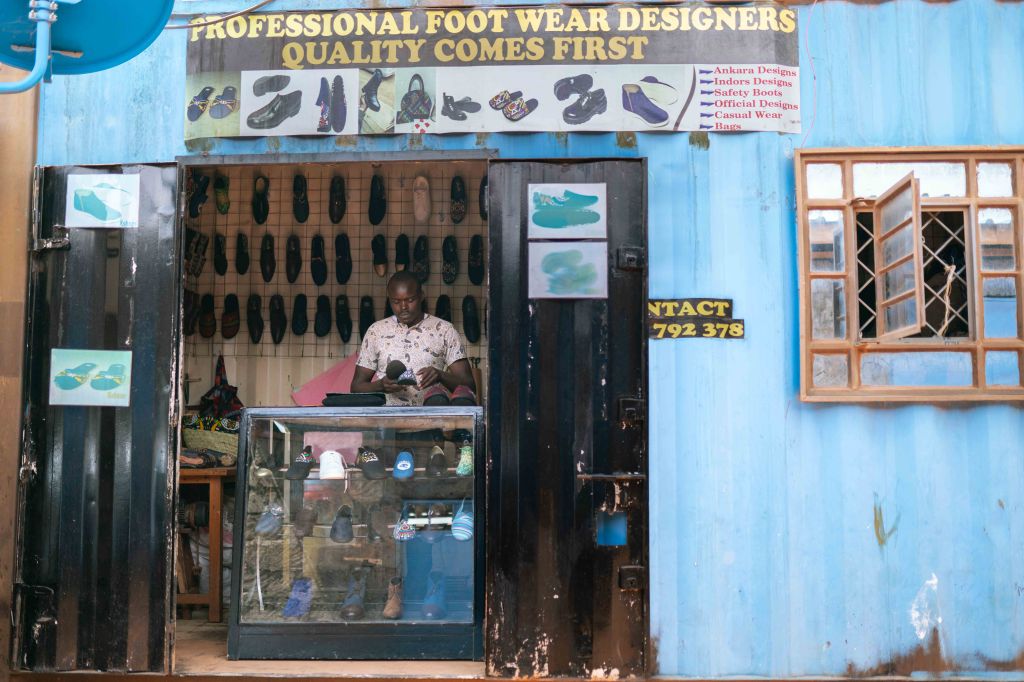
Kibera Fashion Week 2023 Designers. #Joseph Ganda © Anwar Sadat Swaka. 
Kibera Fashion Week 2023 Designers. #Joseph Ganda © Anwar Sadat Swaka. 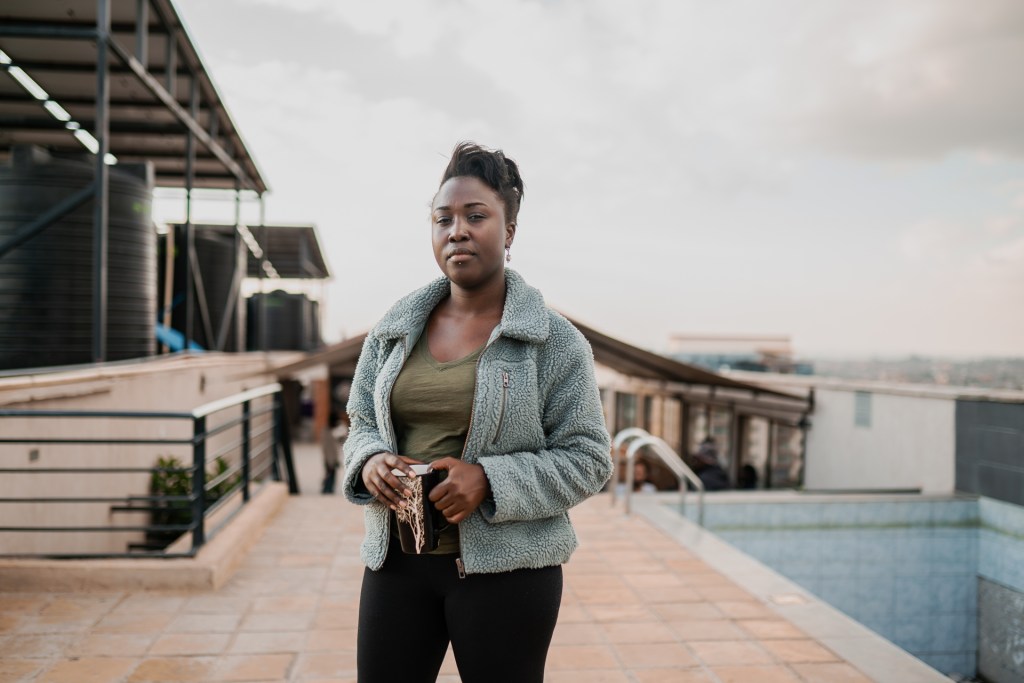
Kibera Fashion Week 2023 Designers. #Mariah Kwamboka © Anwar Sadat Swaka. 
Kibera Fashion Week 2023 Designers. #Mariah Kwamboka © Anwar Sadat Swaka. 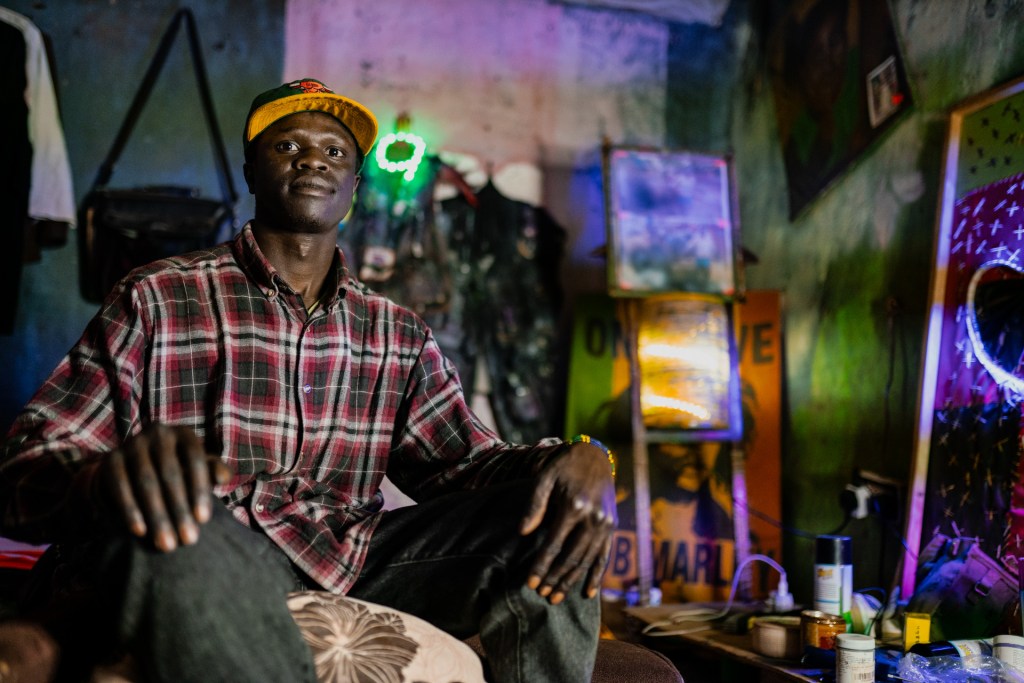
Kibera Fashion Week 2023 Designers. #Peter Pius Ochieng © Anwar Sadat Swaka. 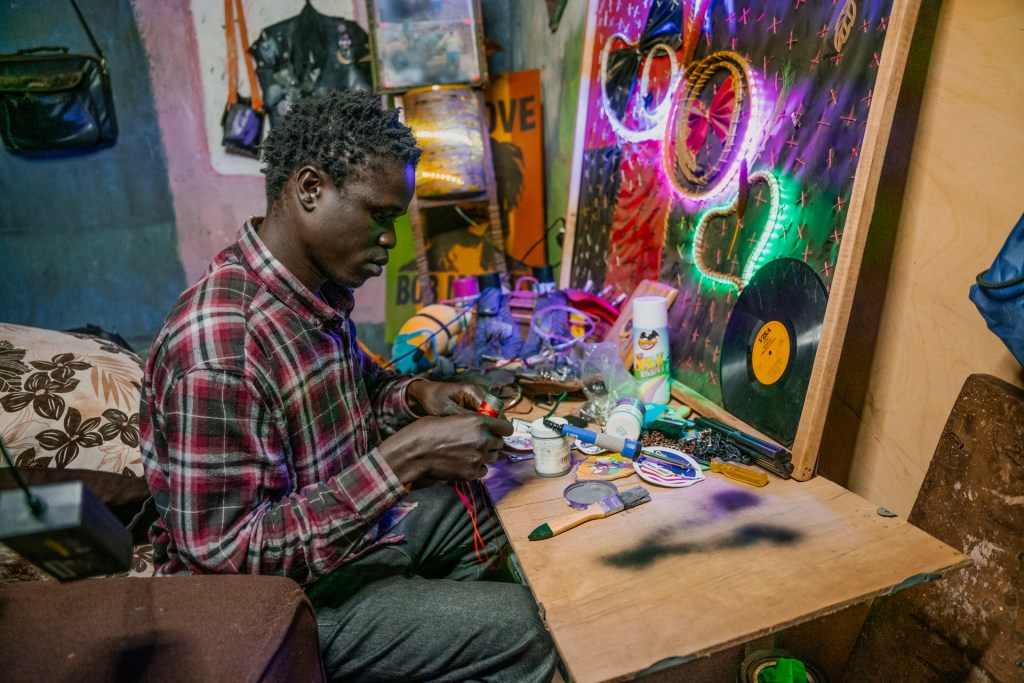
Kibera Fashion Week 2023 Designers. #Peter Pius Ochieng © Anwar Sadat Swaka. 
Kibera Fashion Week 2023 Designers. #Brillian and Crisentia © Anwar Sadat Swaka. 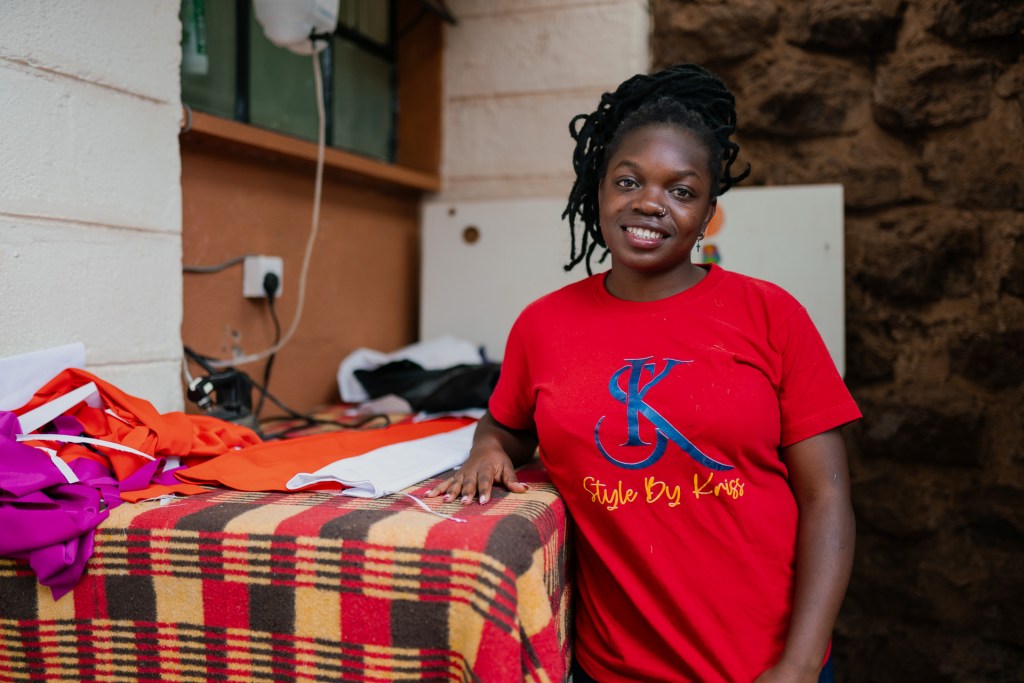
Kibera Fashion Week 2023 Designers. #Crisentia Owuor © Anwar Sadat Swaka. 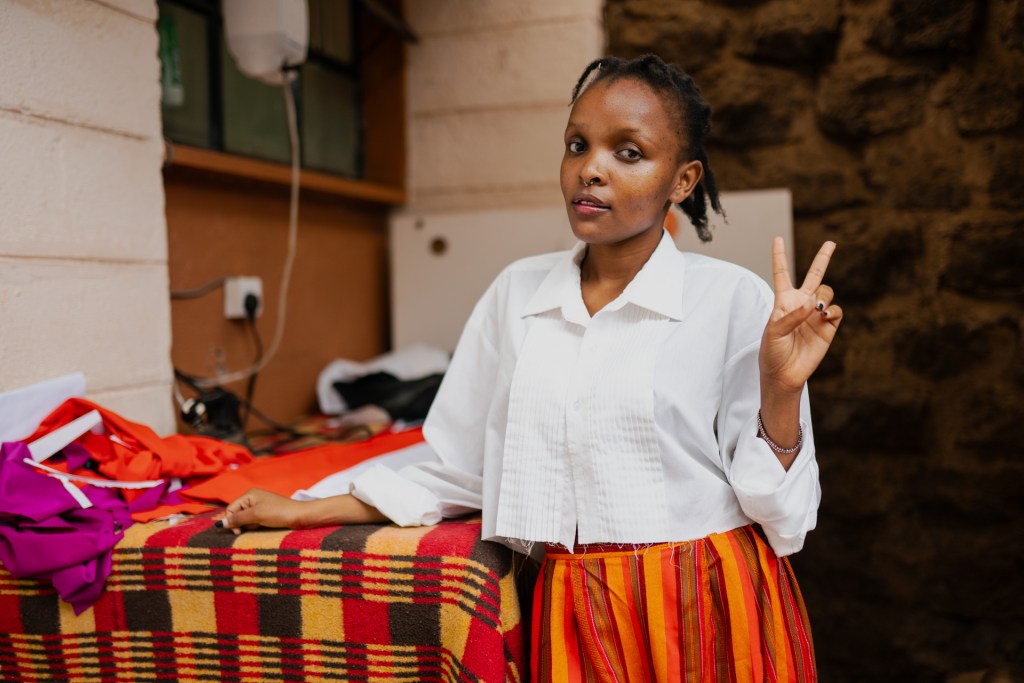
Kibera Fashion Week 2023 Designers. #Brillian Lutomi © Anwar Sadat Swaka. 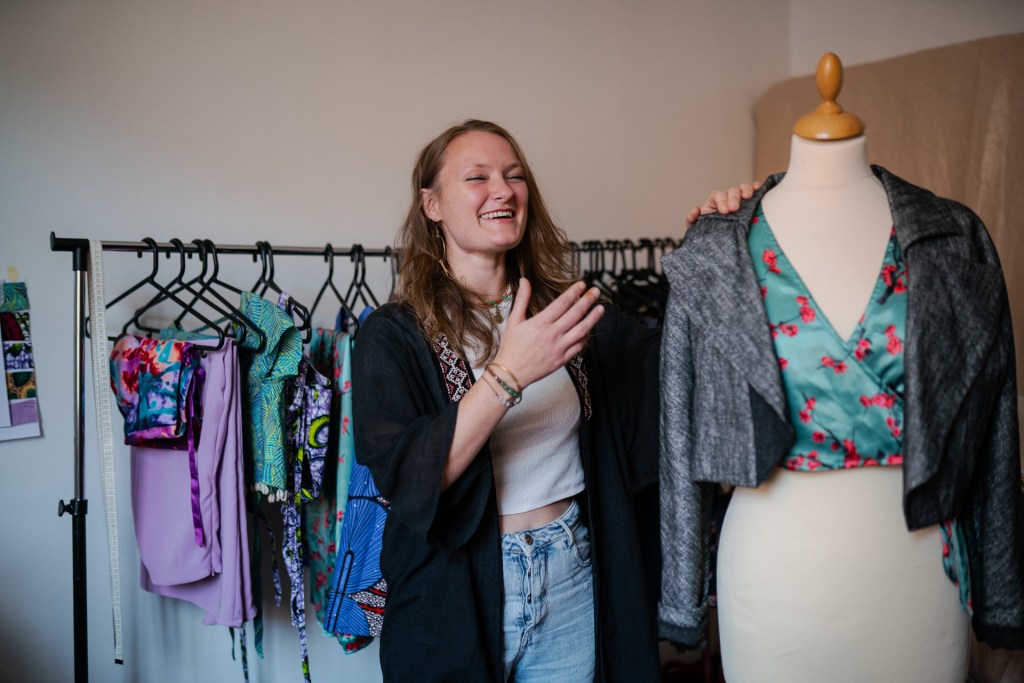
Kibera Fashion Week 2023 Designers. #Sophie Barbier © Anwar Sadat Swaka. 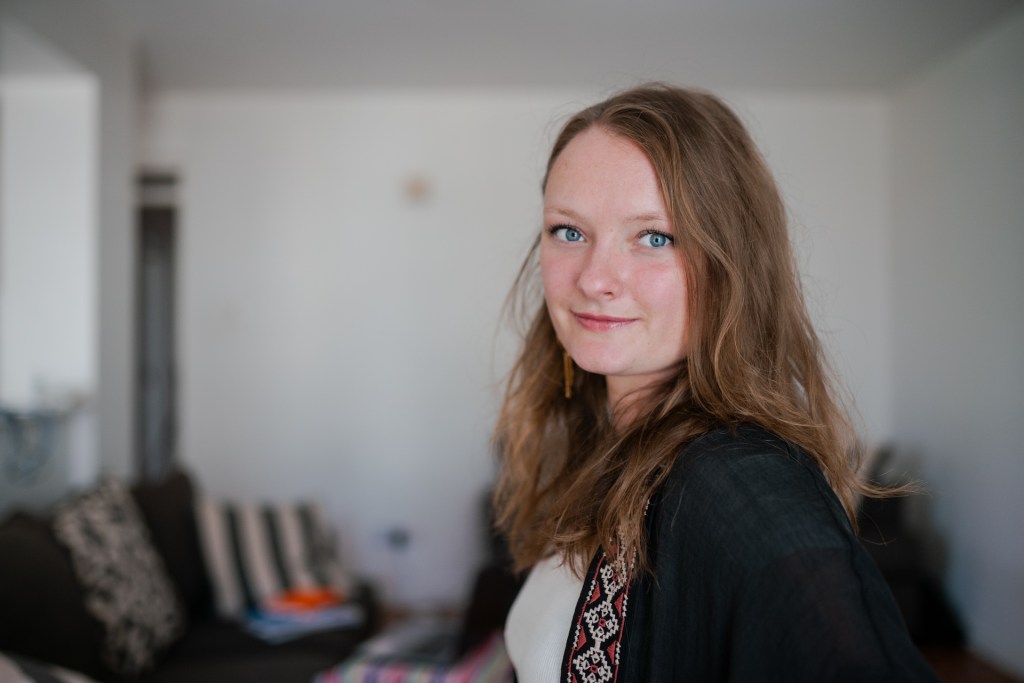
Kibera Fashion Week 2023 Designers. #Sophie Barbier © Anwar Sadat Swaka. 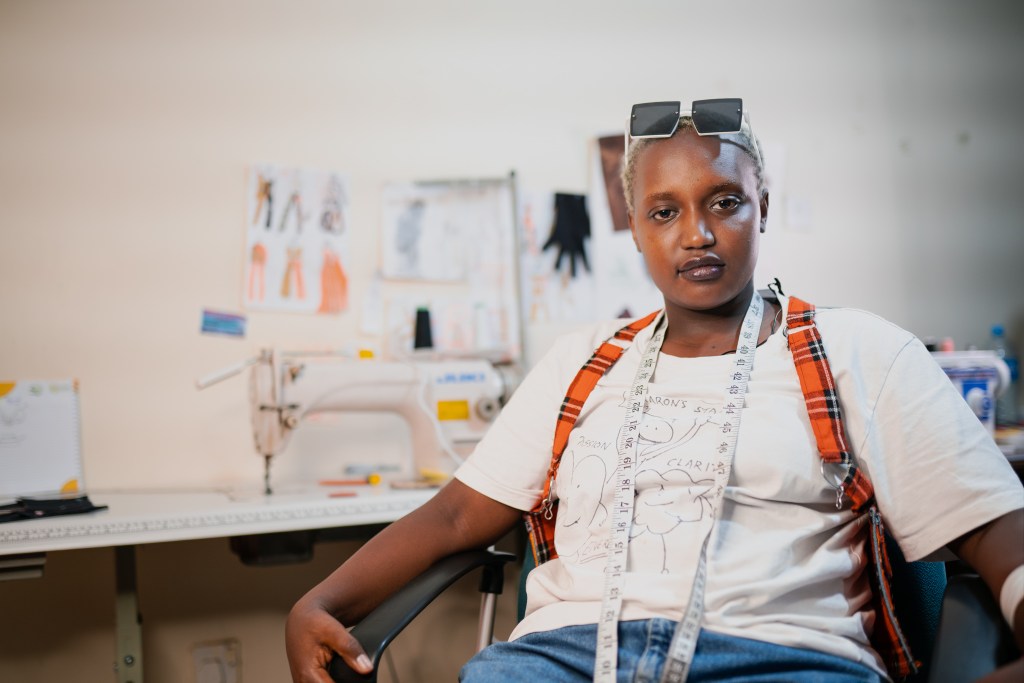
Kibera Fashion Week 2023 Designers. #Joyleen Chepng’etich © Anwar Sadat Swaka. 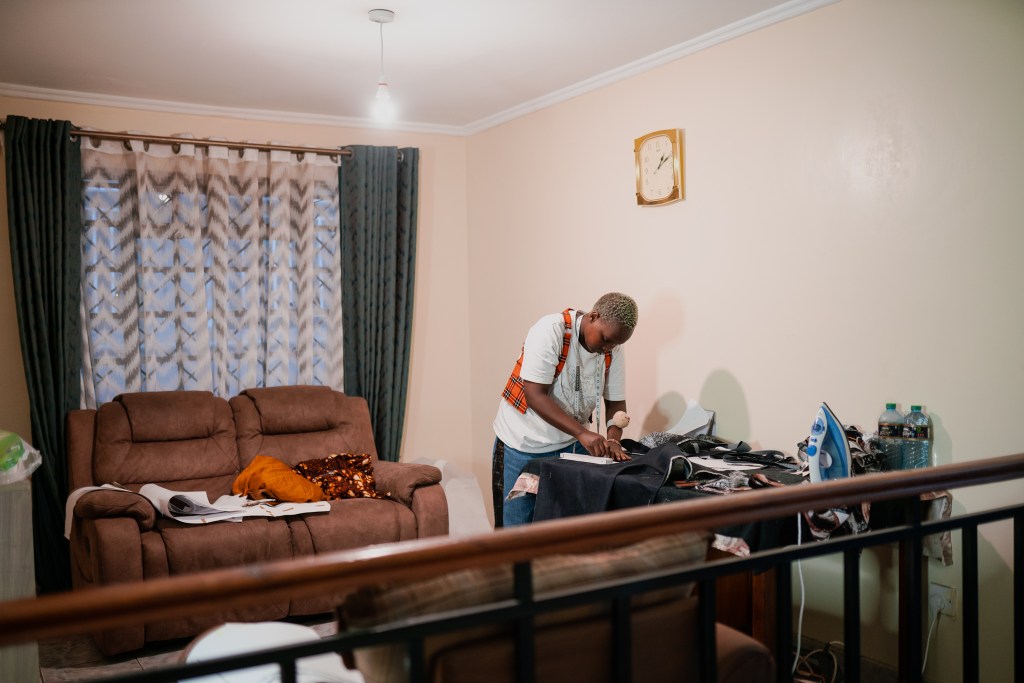
Kibera Fashion Week 2023 Designers. #Joyleen Chepng’etich© Anwar Sadat Swaka. 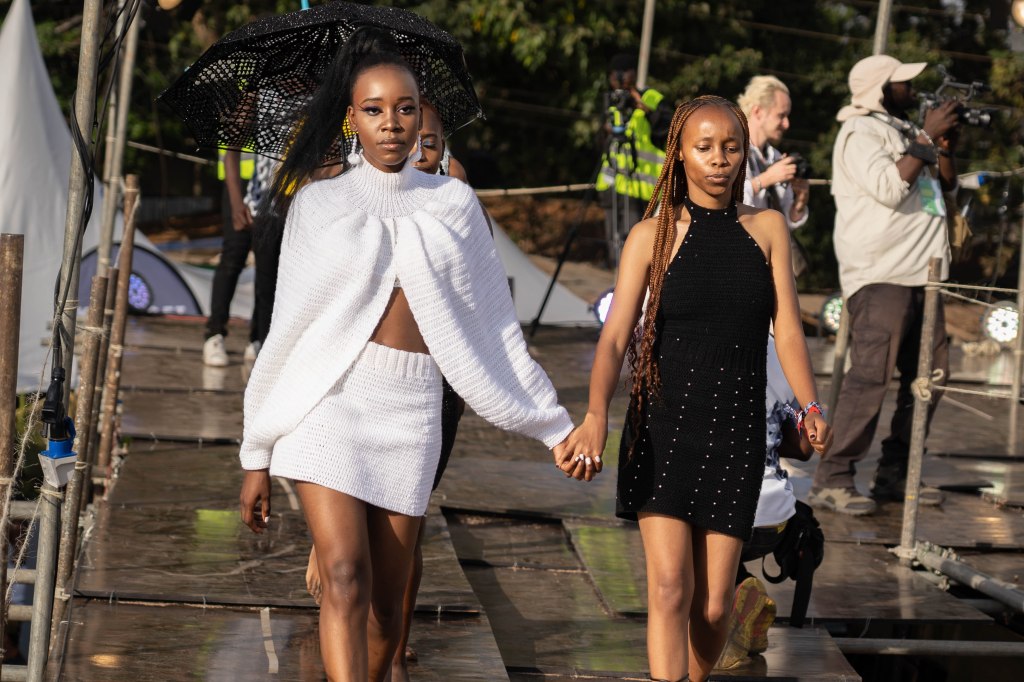
Kibera Fashion Week 2023 Designers. # Beth Kariuki in black © Anwar Sadat Swaka.

Kibera Fashion Week © Anwar Sadat Swaka. 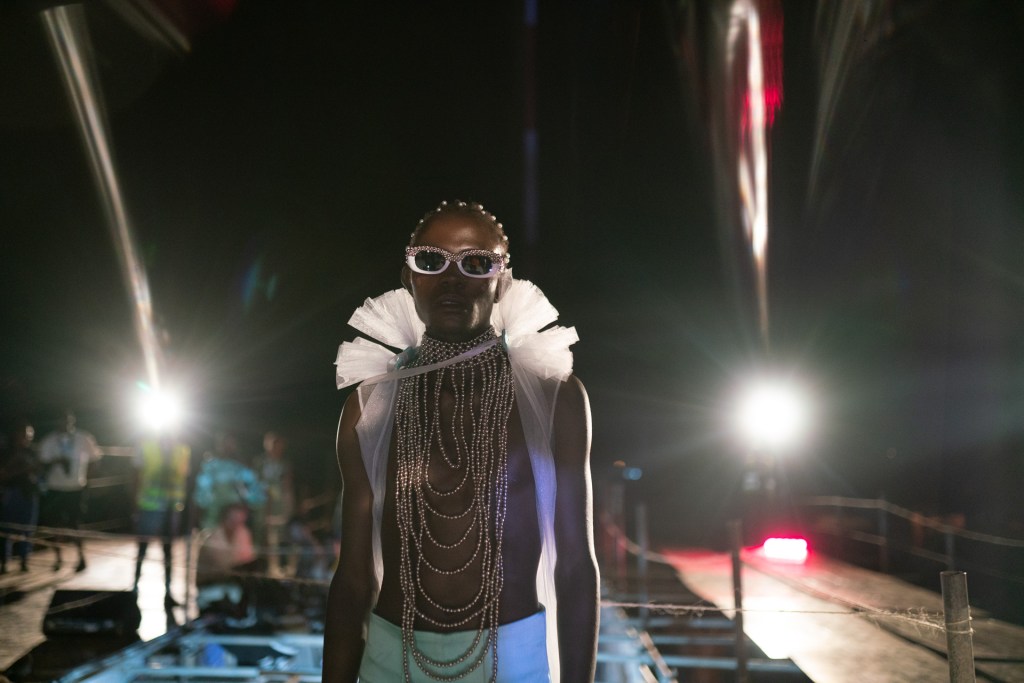
Kibera Fashion Week © Anwar Sadat Swaka. 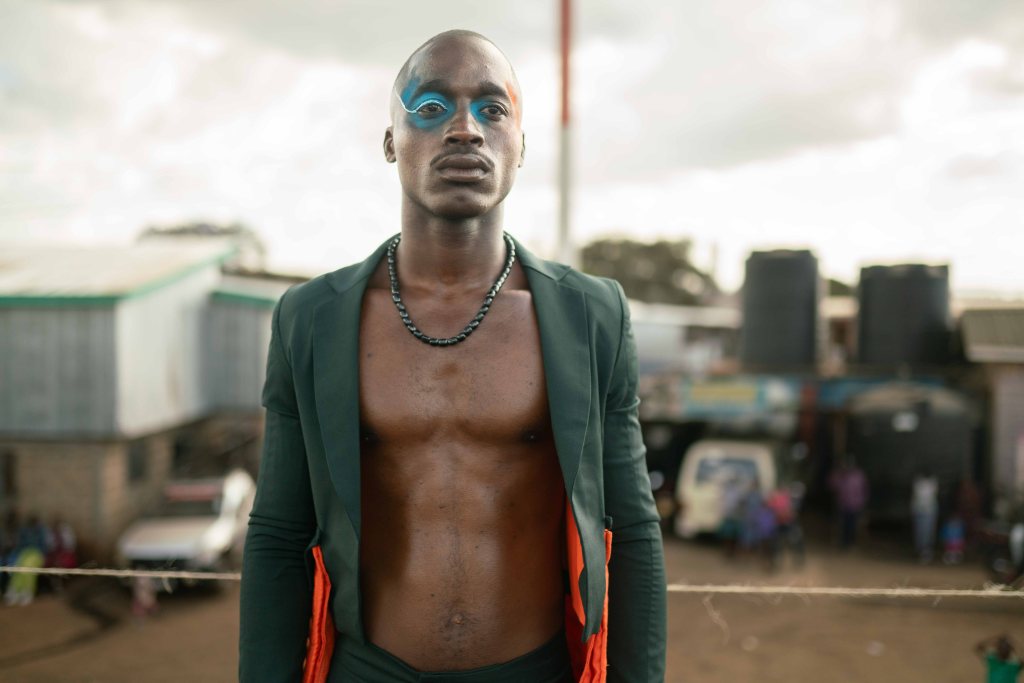
Kibera Fashion Week © Anwar Sadat Swaka. 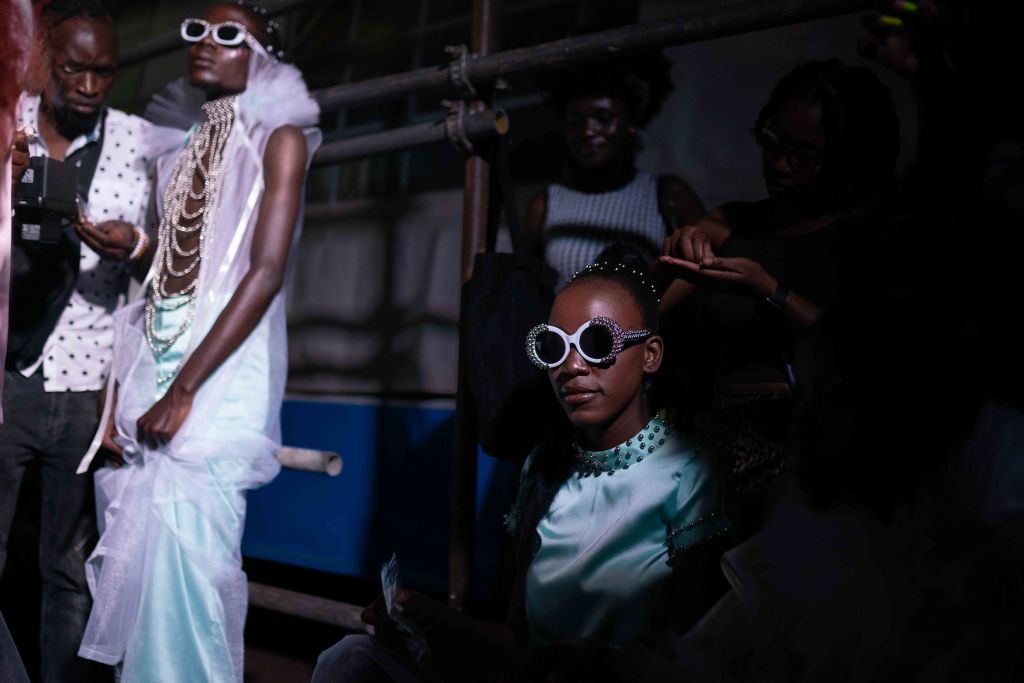
Kibera Fashion Week © Anwar Sadat Swaka. 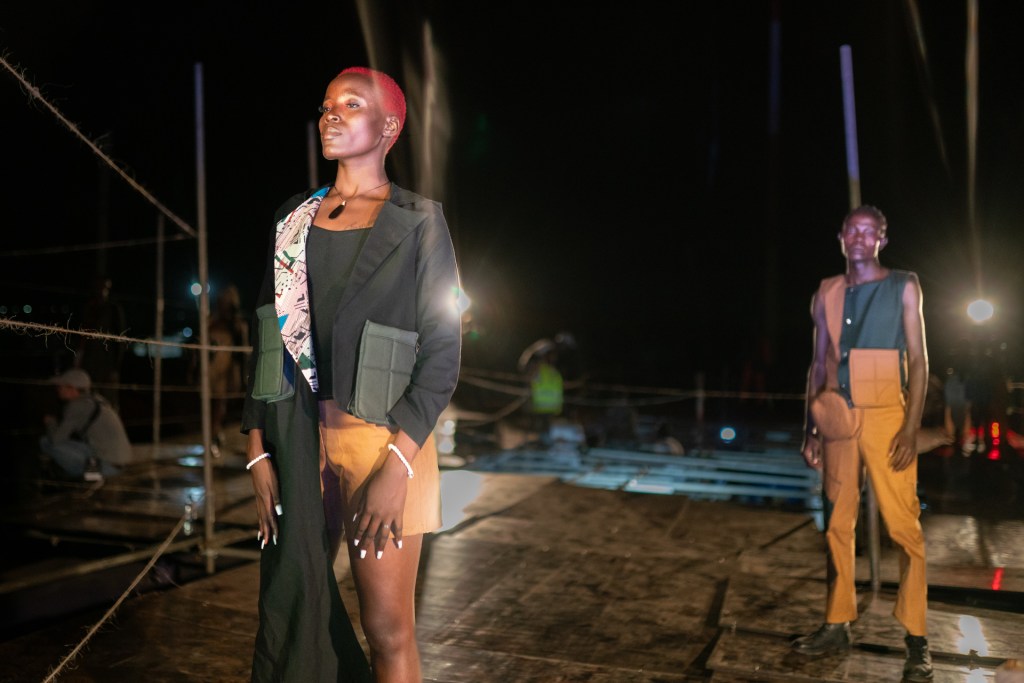
Kibera Fashion Week © Anwar Sadat Swaka. 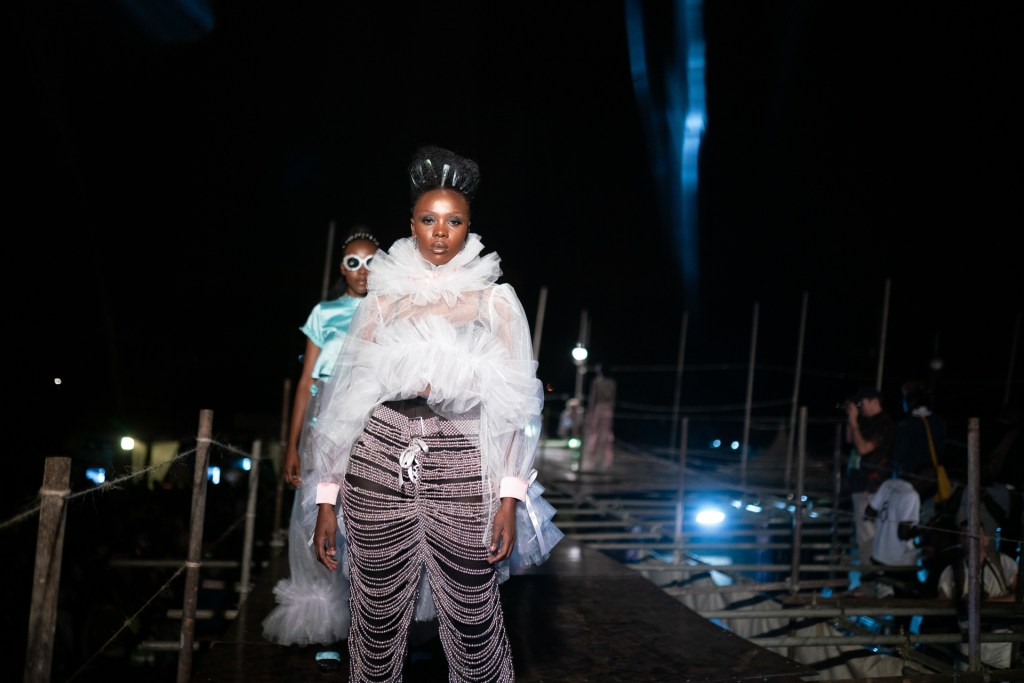
Kibera Fa © Anwar Sadat Swaka. shion Week 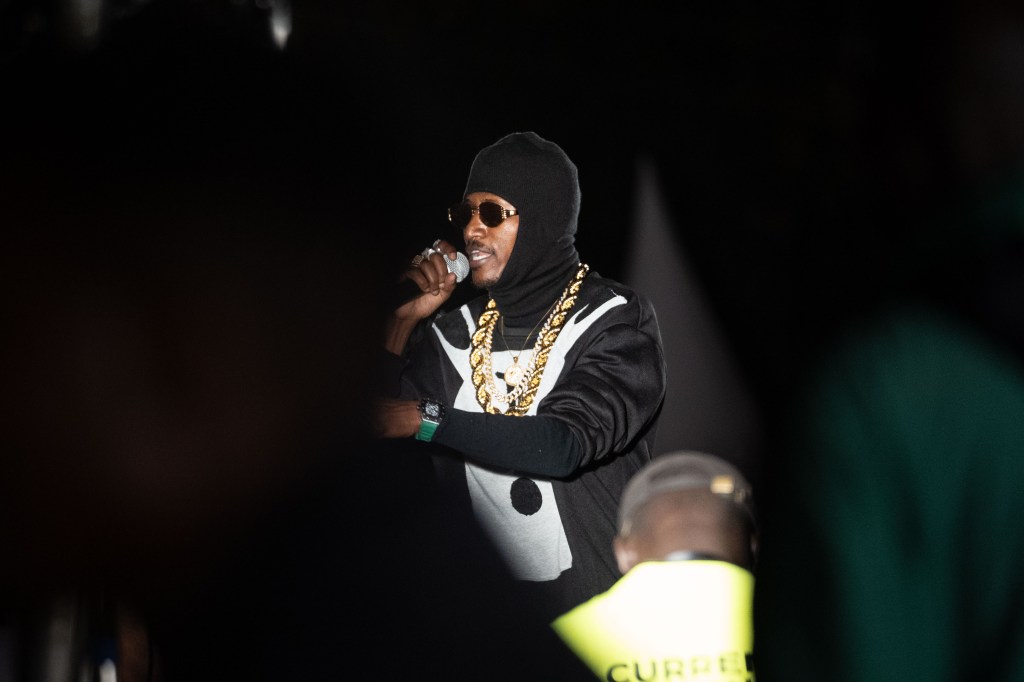
Kibera Fashion Week © Anwar Sadat Swaka. 
Kibera Fashion Week © Anwar Sadat Swaka. 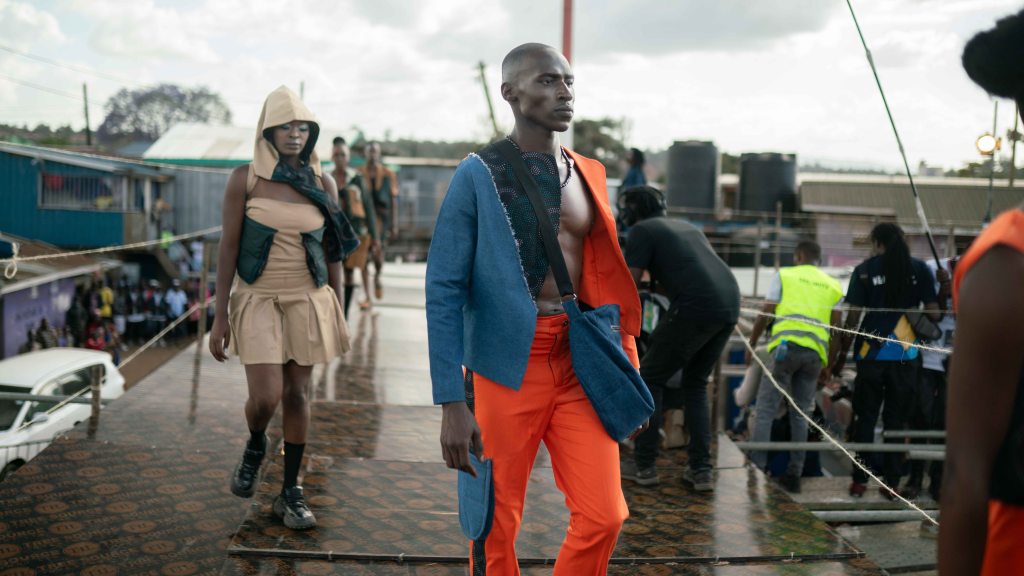
Kibera Fashion Week © Anwar Sadat Swaka. 
Kibera Fashion Week © Anwar Sadat Swaka. 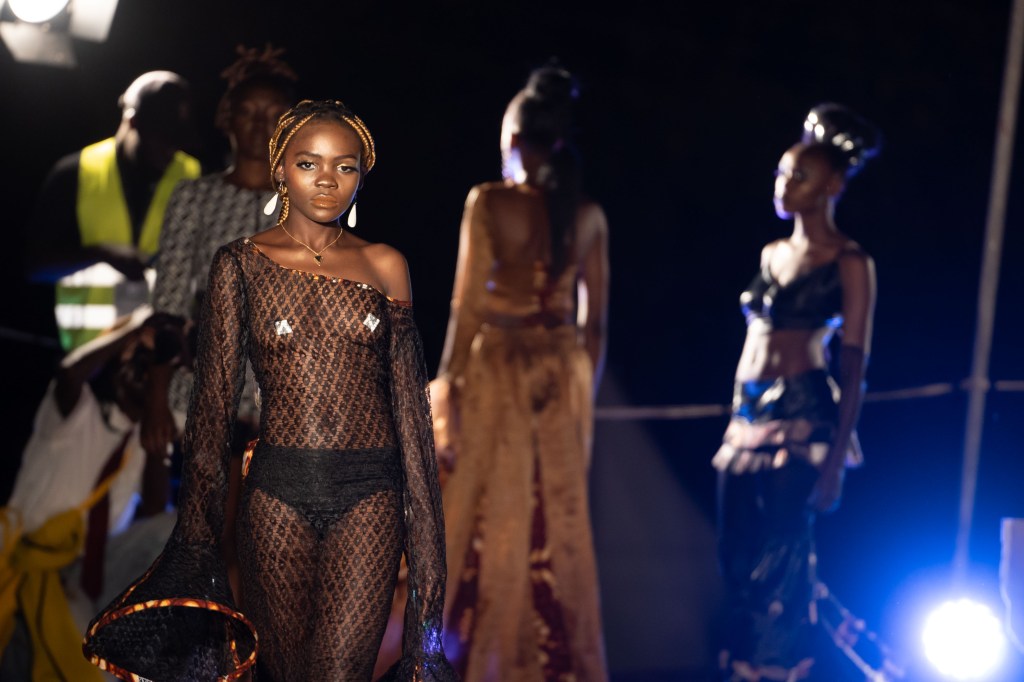
Kibera Fashion Week © Anwar Sadat Swaka. 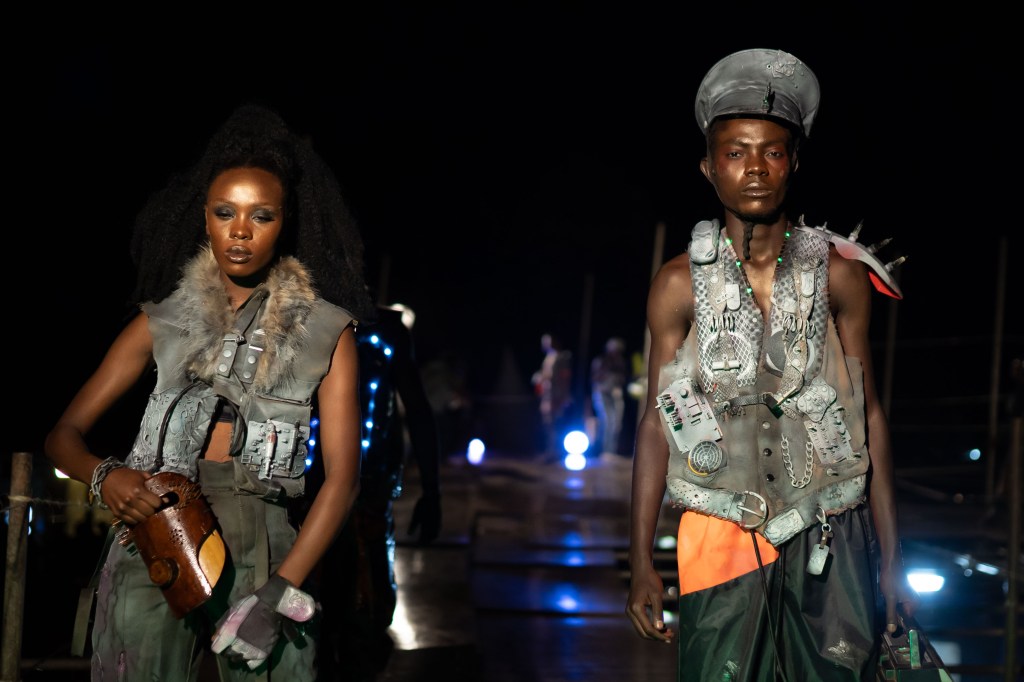
Kibera Fashion Week © Anwar Sadat Swaka. 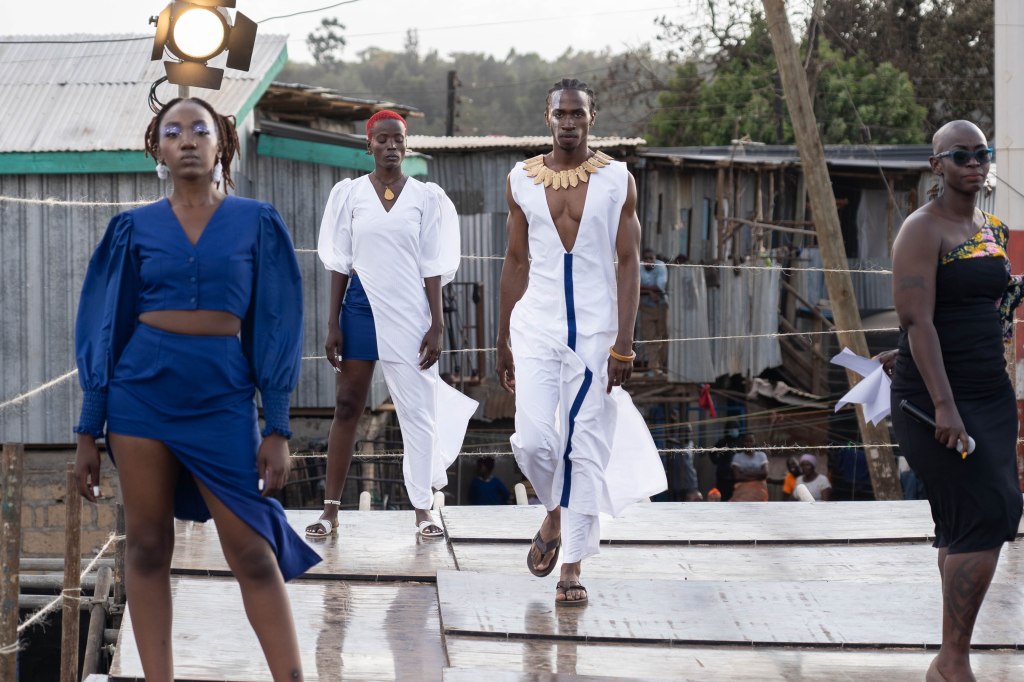
Kibera Fashion Week © Anwar Sadat Swaka. 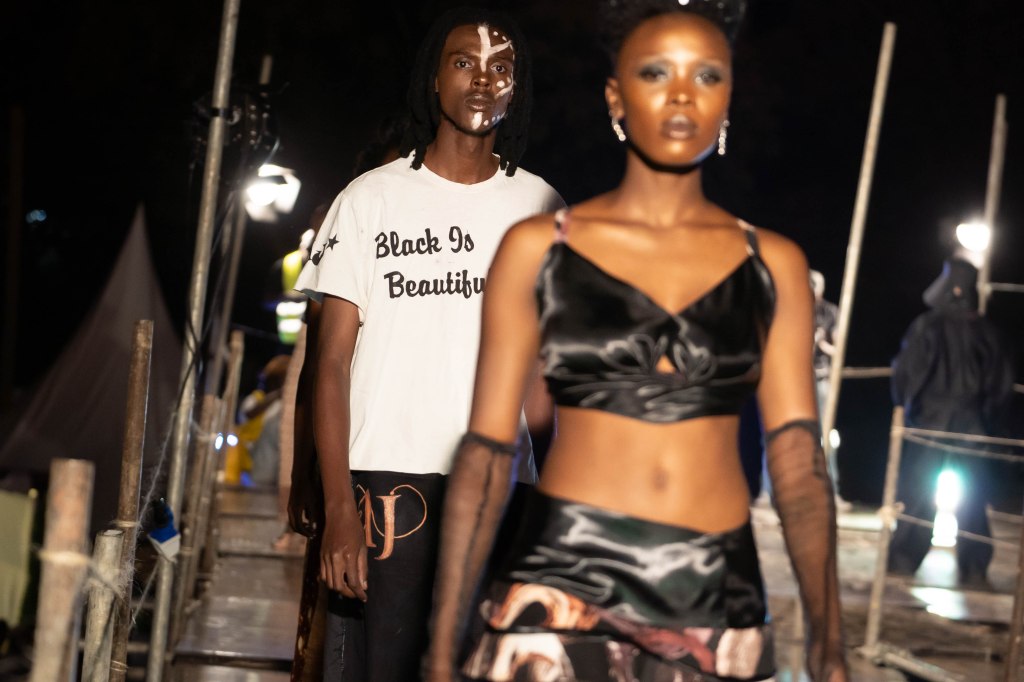
Kibera Fashion Week © Anwar Sadat Swaka. 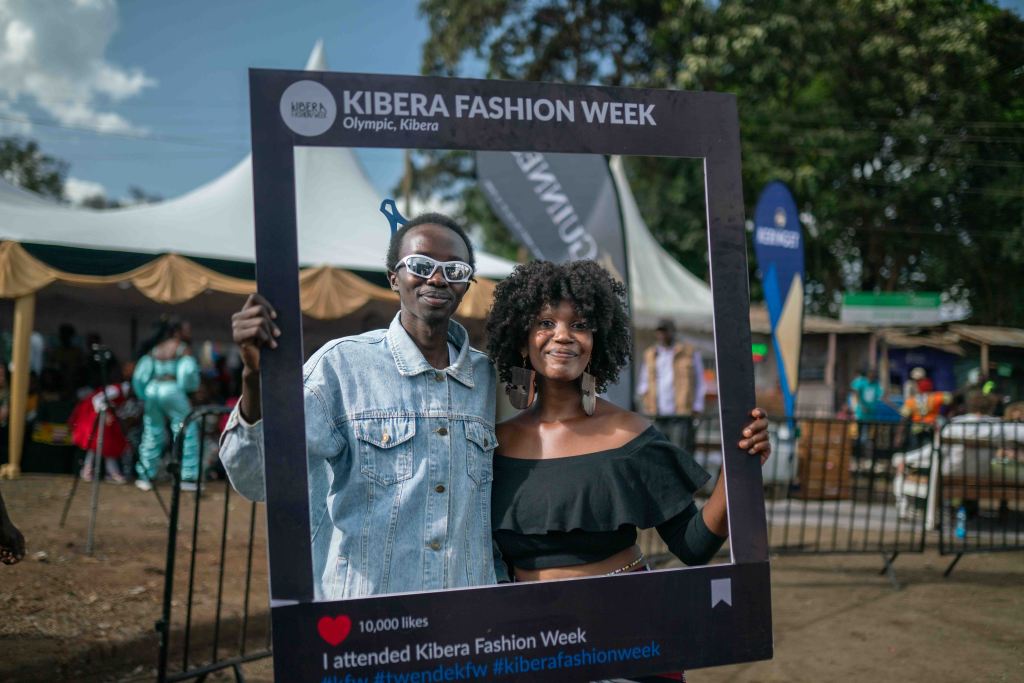
Kibera Fashion Week © Anwar Sadat Swaka. 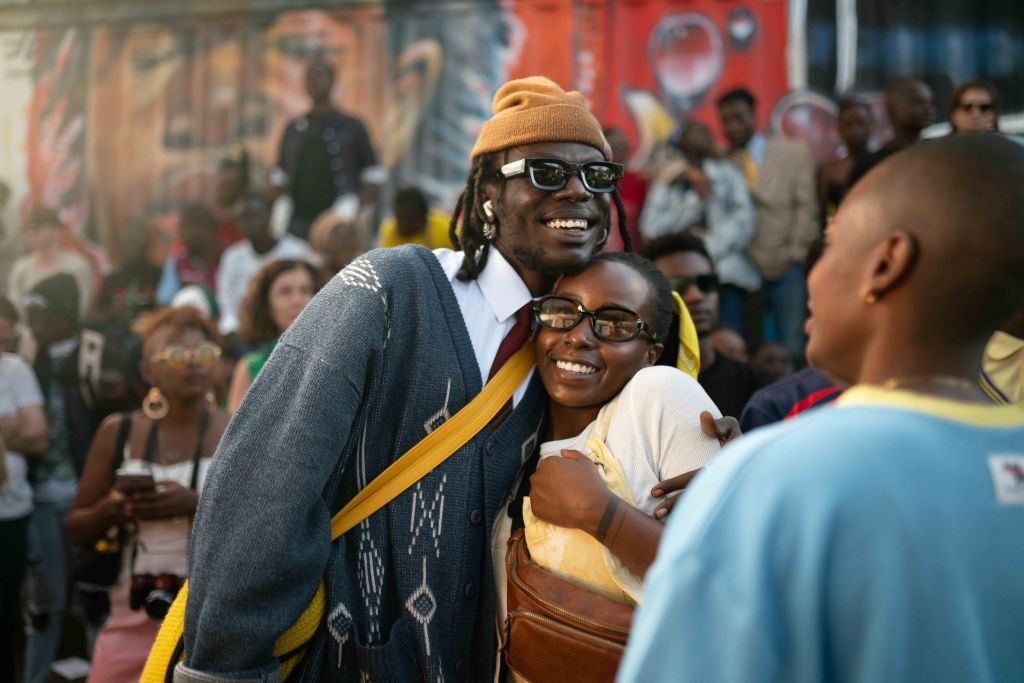
Kibera Fashion Week © Anwar Sadat Swaka. 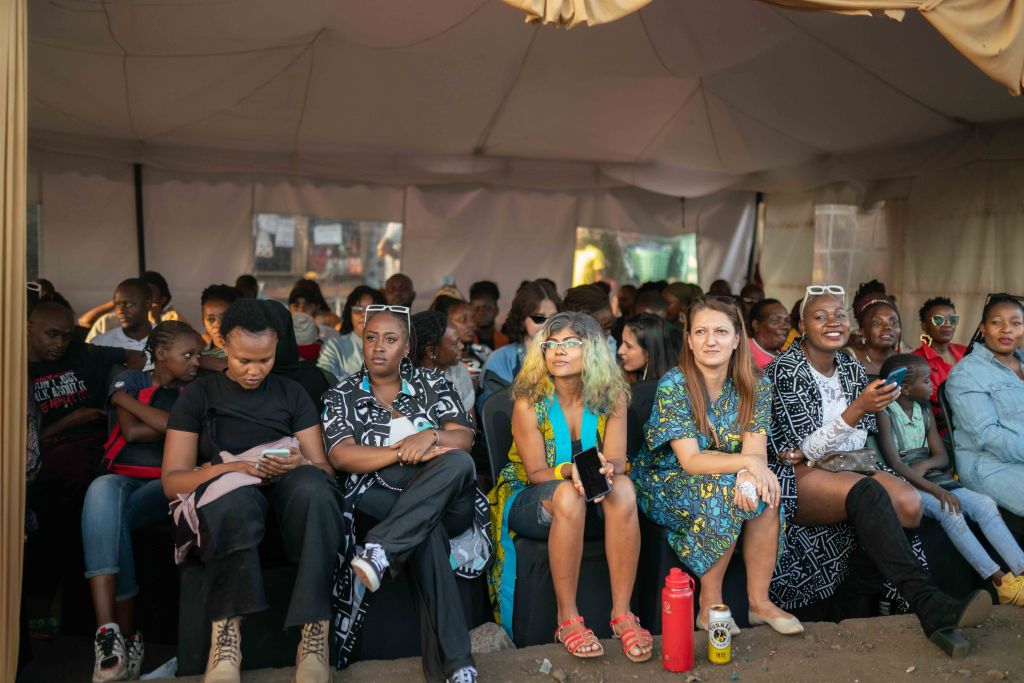
Kibera Fashion Week © Anwar Sadat Swaka. 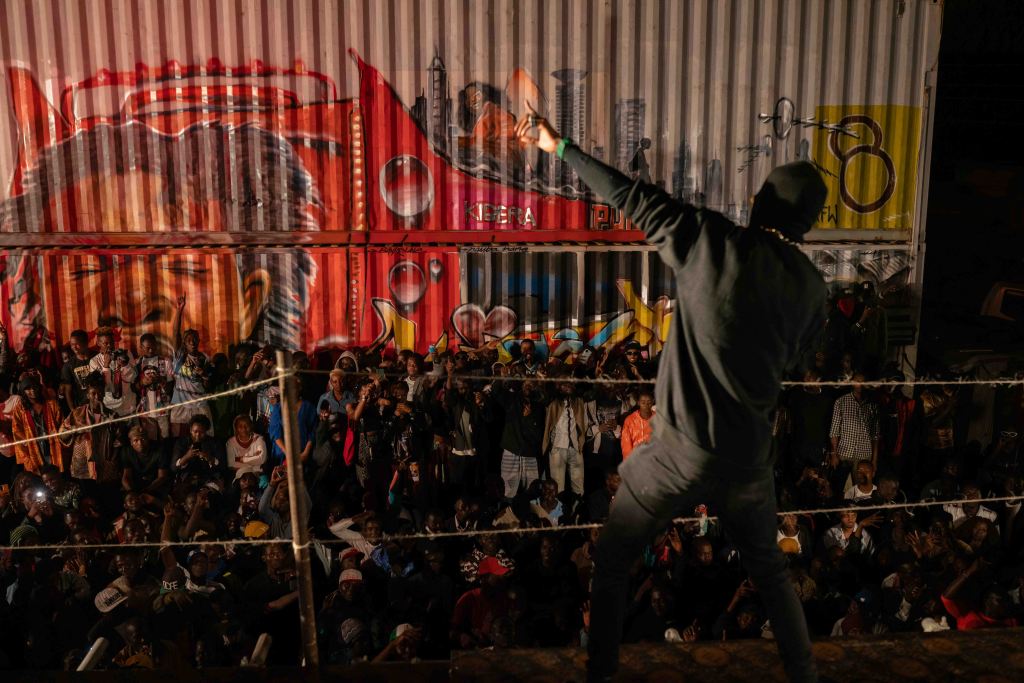
Kibera Fashion Week © Anwar Sadat Swaka.
“As creatives working together, we realized that there was a need to reflect on how the industry we were in impacted our environment.”Mariah Kwamboka, Designer of ‘Bokka’
“I never thought fashion would create jobs for a Boda Boda rider, but when Kibera Fashion Week came, I gained clients and it also gave me another perspective of my work.“Frank, Boda Boda rider